







You're standing at the bathroom counter with a cleanser, toner, exfoliant, makeup remover, and moisturizer competing for space. On busy mornings, several bottles stay untouched because washing your face already feels like one task too many. A 3 in 1 cleanser offers a simpler approach, combining cleansing with additional functions such as toning, gentle exfoliation, or makeup removal.
The appeal isn't only about saving time. A well-designed formula should also respect the skin's comfort, especially if your skin feels easily tight, reactive, or dry after washing. The right product can reduce routine clutter while still giving you a thoughtful balance of effective cleansing and gentle care.
Tired of Too Many Steps in Your Skincare Routine
Maya's morning routine used to begin with a negotiation. She'd rinse her face, reach for a cleanser, wonder whether she had time for toner, skip exfoliation, and leave the house hoping her skin would feel comfortable by lunchtime. Her shelf held plenty of products, but the routine was too complicated to follow consistently.
A 3 in 1 cleanser fits moments like this. It can be useful before work, after the gym, or during travel when carrying several separate bottles feels inconvenient. Instead of treating simplification as neglect, think of it as choosing a routine you'll use.
The demand is already broad. Ninety-four percent of skincare buyers say they bought a multitasking skincare product in the past year, while 46% specifically bought cleansers that exfoliate, according to consumer behavior reporting on multipurpose skincare. Those figures point to a familiar shopping pattern, people often choose products that combine several benefits even when they don't describe multitasking as a top purchase priority.
Practical rule: The simplest routine is the one that meets your skin's needs and remains easy enough to follow.
A multifunction cleanser can make sense if your current routine feels excessive, if you want fewer products in your gym bag, or if you're building a basic routine from scratch. It shouldn't be an excuse to use an overly aggressive formula, though. Convenience matters only when the cleanser leaves your skin feeling clean and comfortable rather than tight.
The category also has a long history. The 3-in-One Oil product was formulated in 1894 with a promise to clean, lubricate, and protect, while Clinique's three-step system, introduced in 1968, helped popularize a small set of targeted skincare actions. The modern 3 in 1 cleanser follows the same broad idea, combining practical functions so your routine asks less of you.
What Exactly Is a 3 in 1 Cleanser
A 3 in 1 cleanser is a facial cleanser designed to perform three related jobs in one formula. Depending on the product, those jobs may include removing dirt and excess oil, refreshing or toning the skin, and gently exfoliating or removing makeup.
Think of it as a Swiss Army knife for your face. A Swiss Army knife doesn't replace every specialized tool, but it can handle several everyday tasks without requiring a full toolbox. In the same way, a 3 in 1 cleanser can streamline routine cleansing when its ingredients are selected to work together.

The three functions to look for
Cleansing comes from surfactants. These ingredients lift away sweat, dirt, excess oil, and daily residue so you can rinse them from the skin. Mild amino-acid or syndet surfactants are often considered when a formula needs effective cleansing without an overly harsh after-feel.
Toning usually refers to the refreshed, balanced feeling left after washing. A formula may use humectants such as glycerin, botanical extracts, or ingredients selected to support a comfortable skin feel. It's important to check the ingredient list rather than assuming every product labeled “toning” performs the same way.
Gentle exfoliation or makeup removal may come from mild acids, enzymes, or cleansing systems that help lift surface residue. A rinse-off product has limited contact with the skin, so it shouldn't be judged by the same expectations as a leave-on exfoliant.
For a helpful explanation of how cleansing and toning differ, see this guide to cleanser versus toner. If you're interested in a more intensive professional cleansing experience, this overview of Physician-led HydraFacial procedures provides useful context, but an at-home cleanser remains the everyday foundation.
Read the label with one question in mind: does the formula combine these functions gently, or does it attach several claims to a strong cleanser? The ingredient list, fragrance profile, surfactant system, and pH tell you more than the “3 in 1” wording alone.
The Real Benefits and Practical Tradeoffs
A multifunction cleanser can solve a real problem: too many steps. You may save time in the morning, buy fewer products, and keep your travel bag lighter. It can also be a practical choice after a workout, when you want to remove sweat and surface residue without beginning a full evening routine.
The tradeoff is specialization. A single cleanser may not remove every trace of waterproof makeup or long-wear foundation as effectively as an oil-based first cleanse followed by a gentle water-based cleanser. It may also provide less targeted care than a separate leave-on treatment, because rinse-off formulas spend less time on the skin.

Where it fits well
| Situation | Why a 3 in 1 cleanser can help | What to watch |
|---|---|---|
| Busy morning | It reduces the number of steps before moisturizer and sunscreen | Don't choose a formula that leaves your skin tight |
| Gym or travel | One bottle is easier to carry and use | Check whether it removes your sunscreen adequately |
| Minimal routine | It supports a clear, repeatable cleansing habit | You may still need separate targeted products |
| Light daily makeup | It may remove surface makeup while cleansing | Heavy or waterproof makeup may need a first cleanse |
The cleanser market reflects this tension. Demand for multitasking convenience is rising, while shoppers also want gentle, pH-balanced formulas for sensitive skin, as described in market coverage of facial cleanser trends. A convenient product isn't automatically a gentle one.
A 3 in 1 cleanser works best when the three functions support one another, not when the formula tries to do everything through stronger cleansing.
Use context to decide. A single cleanse may be enough after a normal day with light product use. At night, heavy sunscreen, foundation, or waterproof eye makeup may call for a separate first step. Very reactive skin may also prefer a basic cleanser without exfoliating actives every time.
Choosing the Right Formula for Your Skin Type
Start with your skin's response, not the promise on the front of the bottle. If your face feels squeaky, tight, or uncomfortable after washing, the formula may be too strong for frequent use, even if it removes oil efficiently.

Sensitive-feeling skin
Look for a mild surfactant base, a comfortable pH, and supportive ingredients such as glycerin, aloe, or ceramides. Be cautious with strong fragrance, a heavily foaming texture, and multiple exfoliating ingredients in the same daily cleanser.
Syndet-style cleansers commonly sit around pH 5.5 to 7.0, while traditional soap may fall between pH 8.5 and 11.0, according to clinical discussion of cleanser pH and skin comfort. A mildly acidic formula can be a more suitable choice when you want regular cleansing without unnecessary dryness.
Oily skin
An oily skin routine still needs a cleanser that feels gentle. A formula that removes too much surface oil can leave you tempted to wash repeatedly, which may make the routine feel uncomfortable and difficult to maintain.
Look for mild surfactants paired with ingredients such as niacinamide or salicylic acid. A published formulation example describes combinations using 0.45% to 2% salicylic acid, 1.0% to 1.1% gluconolactone, 2% niacinamide, and ceramides EOP, NP, and AP to cleanse, exfoliate, and support the skin barrier in a rinse-off format. You can also explore this practical guide to ingredients for oily skin.
Blemish-prone skin
Choose a formula that helps lift excess oil and residue without leaving a stripped sensation. Salicylic acid can provide gentle exfoliating support, while niacinamide and barrier-support ingredients may help the formula feel more balanced during use.
If plant oils appear on the label, their role and concentration matter. For general background on how carrier oils are selected and used in topical formulas, the Aroma Warehouse guide to carrier oils offers useful ingredient context.
Use the cleanser according to your skin's tolerance. Start with a normal cleanse rather than scrubbing harder or washing repeatedly. This video can also help you visualize a straightforward cleansing approach:
How Farm-Fresh Aloe Elevates the 3 in 1 Experience
The main concern with a multifunction cleanser is balance. A product that cleanses, refreshes, and exfoliates needs to remove residue without making the skin feel depleted afterward. That's why the base ingredients matter as much as the active ingredients.
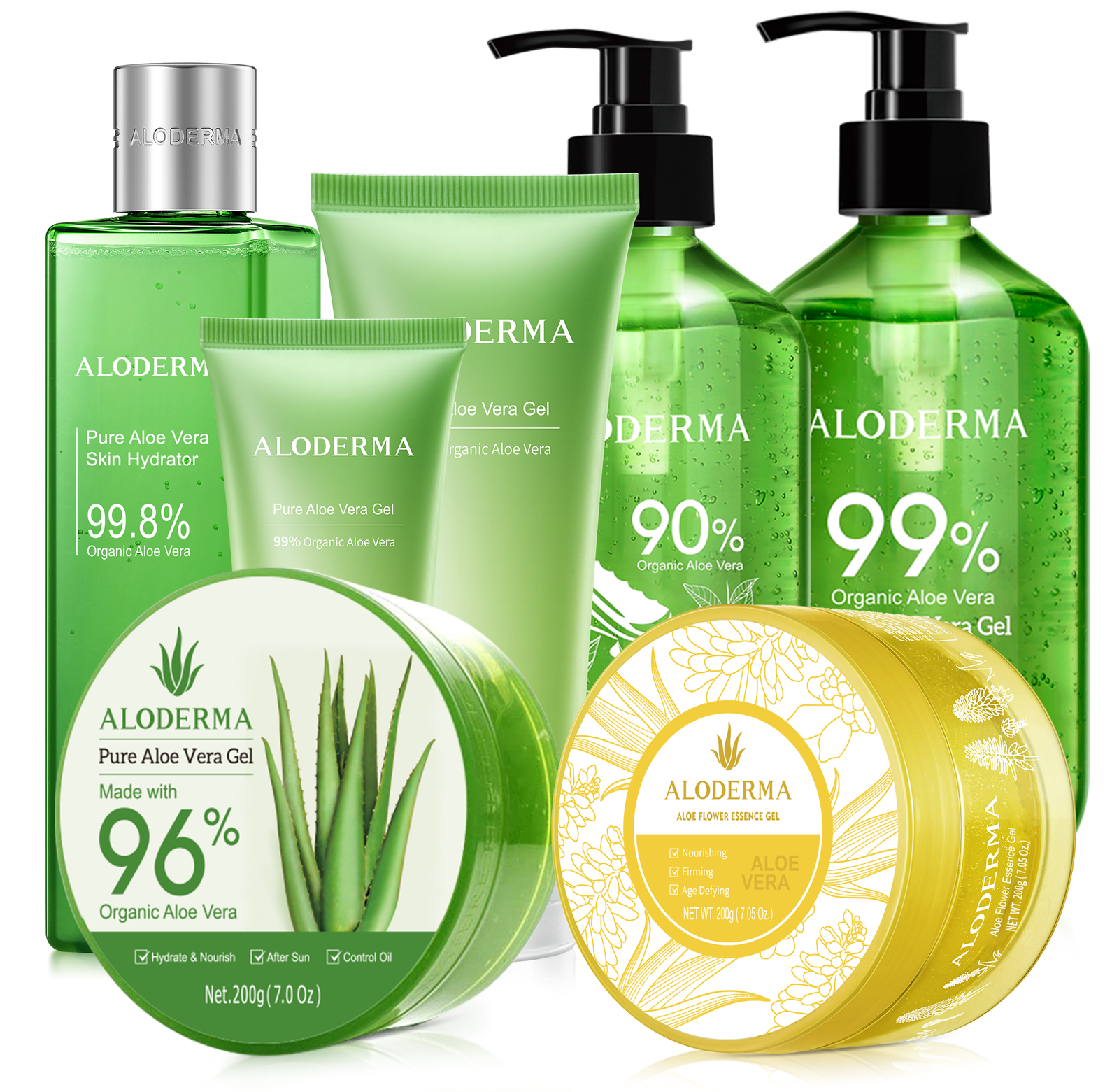
ALODERMA is a fully vertically integrated aloe vera company. We grow our own organic aloe vera, process the aloe vera, and manufacture onsite within 12 hours of harvest, helping ensure that the primary ingredient in every product is as bioactive and effective as possible. In a cleanser, fresh aloe gives the formula a hydration-focused foundation rather than making cleansing the only priority.
Why traceability matters
Organic wording deserves careful attention. USDA guidance says the growers of organic agricultural ingredients, the handlers, and the final manufacturer must all be certified by a USDA-accredited organic certifying agent. That means the claim relates to the supply chain, not only the finished ingredient list. The USDA guidance for cosmetics and personal-care products explains why farming, handling, and manufacturing controls all matter.
USDA labeling guidance also sets a clear threshold. Products labeled “Organic” must contain at least 95% certified organic ingredients, while products labeled “100% Organic” must be entirely organic, as summarized in this explanation of USDA organic beauty labeling. Those distinctions help you compare marketing language with the certification details behind it.
Aloe can also appear alongside functional cleansing ingredients. Published ingredient examples include sodium cocoyl isethionate, sodium lauroyl sarcosinate, cocamidopropyl betaine, glycerin, plant oils, and aloe barbadensis leaf extract. The surfactants lift residue, while humectants, oils, and aloe contribute to a softer after-feel. For more background on incorporating aloe into a routine, see how to use aloe vera for skin.
Integrating a 3 in 1 Cleanser Into Your Routine
Use your cleanser according to the day you've had, not according to a rigid rule. In the morning, a gentle 3 in 1 cleanser can remove overnight residue and leave your skin ready for moisturizer and sunscreen. After exercise, it can provide a quick wash when sweat and surface oil are the main concerns.
Travel is another natural use case. One carefully chosen cleanser can replace several small bottles, making it easier to maintain a routine in a hotel bathroom or shared gym locker room. At night, assess what needs removing before deciding whether one cleanse is enough.
A simple evening decision
- Light product use: Cleanse once, rinse thoroughly, and pat dry with a clean towel.
- Heavy sunscreen or foundation: Use an oil-based cleanser or balm first, then follow with your 3 in 1 cleanser if your skin feels comfortable with that approach.
- Waterproof eye makeup: Remove it carefully with a suitable makeup-removing product rather than rubbing the eye area repeatedly.
- Skin that feels tight: Reduce exfoliating cleanser use and choose a gentler formula or less frequent application.
Patch testing can make trying a new product feel less stressful. Apply a small amount to an inconspicuous area, such as the inner arm or along the jaw, and leave it alone rather than scrubbing or layering other new products over it. If the area becomes uncomfortable, stop using the product. If it remains comfortable, introduce the cleanser gradually and avoid changing several products at the same time.
A 3 in 1 cleanser should make your routine easier, not turn every wash into a test of endurance. Choose a mild formula, rinse well, and let your skin's comfort guide how often you use its exfoliating function.
ALODERMA offers aloe-based cleansers and everyday skincare made with fresh organic aloe, grown and processed through its vertically integrated farm-to-skin approach. Visit ALODERMA to explore cleanser options and build a simpler routine centered on gentle, lightweight care.