







You're probably here because your skin feels confusing. One week it looks calmer, the next week it feels shiny, tight, bumpy, or just plain irritated. You try a new product that promises a fast fix, then another, then another, and suddenly your shelf is full while your skin feels worse.
That cycle is exhausting. It can make you feel like you're doing something wrong when really, your skin may be asking for something simpler and kinder.
A good acne prone skin serum shouldn't feel like punishment. It should feel like support. The best formulas are lightweight, targeted, and easy to layer, so you can care for visible congestion without pushing your skin into that dry, stressed-out state that often leads to even more frustration.
Finding Your Path to Clearer Skin
A lot of people know the feeling of leaning into the mirror before bed, checking the same areas again, and wondering why nothing seems to settle down. That experience is more common than you might think. Clearer-looking skin is a shared goal because this is the most common skin condition affecting teenagers and many adults globally, which is part of why gentle, botanically based serums have become such a useful option for sensitive and blemish-prone skin types, according to the NIH overview of common skin concerns and care approaches.

Consider two common routines. One person scrubs, over-cleanses, and keeps switching products every few days. Another person uses a simple cleanser, a lightweight serum, and enough hydration to keep skin comfortable. The second routine usually feels less dramatic, but it is often the one people can stick with.
That's the mindset shift that matters. Instead of trying to overpower every blemish, it helps to support your skin so it can stay balanced, calm, and less reactive day to day.
Why gentle often works better
Serums fit nicely into this approach because they're made to deliver focused ingredients in a lighter texture than many creams. If your skin gets shiny by noon but also feels tight after washing, a serum can give you targeted care without the heavy feel you may be trying to avoid.
A helpful reframe: stop asking, “How do I strip this away fast?” and start asking, “What does my skin need to stay steady?”
For some readers, skincare is only part of a bigger self-care routine. If you're also exploring professional glow-boosting options that don't involve surgery, these non-surgical facial rejuvenation options can help you understand how at-home care and in-office treatments may complement each other.
What Makes a Serum for Breakout-Prone Skin Different
A serum is a targeted treatment step. It is usually lighter than a cream, but it is built to carry focused ingredients that stay on the skin and support a specific goal, such as calming the look of congestion, adding water, or helping skin feel more balanced.
That matters for breakout-prone skin because clogged pores and irritation often show up together. Skin can look shiny on the surface while still feeling dehydrated underneath. A well-formulated serum helps address that mismatch without adding the heavy, coated feeling that makes some people give up on moisturizing altogether.
Why serums often suit breakout-prone skin
Many serums use lightweight oil-in-water emulsions or hydrogels. Those textures spread easily, sink in fast, and layer well under sunscreen. For skin that clogs easily, that can make daily care feel much more manageable.
Texture is not a small detail. It affects whether you use the product consistently.
If a formula feels greasy, sticky, or suffocating, you are less likely to reach for it every morning and night. If it feels fresh and comfortable, it becomes part of a routine you can maintain. That steady use is often more helpful than chasing stronger and stronger products.
Fresh aloe vera fits beautifully here. It gives skin light hydration and a soothing, water-rich feel, which supports the skin barrier instead of pushing it harder. For people who have been taught that clear skin requires harsh products, this is an important reset. Comfortable skin is often better able to stay calm, and calm skin is less likely to spiral into a cycle of over-drying and rebound oiliness.
What a serum can do that a cleanser cannot
Cleansers are short-contact products. They help remove oil, sunscreen, makeup, and daily buildup, then they rinse away.
A serum stays on the skin. That extra contact time gives helpful ingredients more opportunity to work. If you are using niacinamide for balance, hyaluronic acid for hydration, or aloe vera for comfort, a leave-on formula makes practical sense.
Serums can be especially useful if you deal with:
- Midday shine but skin that still feels tight after cleansing
- Pores that look congested and formulas that feel too rich
- Sensitivity or redness that gets worse with aggressive routines
- Layering issues when heavier products pill or sit on top of the skin
Product choice matters too. If you are unsure which textures or ingredients may contribute to congestion, this guide on ingredients that can clog pores can help you read labels more clearly.
One more piece is worth keeping in mind. Breakouts are not always only about products. Hormonal shifts can change oil production and skin behavior, which is why broader context can help. The Axelrad Clinic guide to hormonal health offers useful background if that part of the picture applies to you.
A simple test can keep your routine grounded. After applying your serum, your skin should feel calm, lightly hydrated, and breathable. If it feels hot, tight, or stripped, the formula or the overall routine may be asking too much.
Ingredients to Embrace and Ingredients to Question
Ingredient lists can be overwhelming fast. You spot one familiar name, then ten others you've never heard of, and it's hard to tell whether a serum is a smart choice or just clever packaging.
A better way to shop is to split ingredients into two groups. First, the ones that tend to support clearer, more comfortable skin. Second, the ones that may be worth approaching carefully, especially if your skin gets easily bothered.

Ingredients worth looking for
Here's a simple comparison:
| Ingredient | Why people like it in a serum | Best fit |
|---|---|---|
| Salicylic acid | Helps exfoliate and cleanse pores | Skin that looks congested or feels rough |
| Niacinamide | Helps regulate oil and supports the skin barrier | Combination, shiny, or easily stressed skin |
| Azelaic acid | Helps unclog pores and improve overall tone | People who want a gentler active option |
| Hyaluronic acid | Pulls in water to keep skin feeling hydrated | Tight, thirsty, or overworked skin |
| Aloe vera | Gives light, soothing hydration and comfort | Skin that wants calm, fresh-feeling care |
Salicylic acid has earned its reputation for a reason. It has been a trusted ingredient for over 60 years and is known for gently exfoliating and cleansing pores, which is why it remains a key choice in serums for skin prone to breakouts, as noted in this salicylic acid overview.
Niacinamide is one of the easiest ingredients to like because it's versatile. It helps with oil balance and supports the skin barrier, so it often fits routines that need steadiness more than intensity.
Azelaic acid is another strong option if you want multi-tasking support without automatically reaching for the harshest formula on the shelf. It's often chosen by people who want help with clogged pores and uneven-looking tone but still care about comfort.
Ingredients to question before you buy
Not every “clarifying” product is a good match. Some formulas lean so hard into that stripped-clean feeling that they leave skin looking unsettled.
Be cautious with:
- High amounts of drying alcohols if your skin already feels tight
- Harsh foaming agents that leave your face squeaky after cleansing
- Too many strong actives in one bottle if your skin is reactive
- Fragrance-heavy formulas if you already notice stinging or redness
- Constant product switching because skin rarely benefits from chaos
If you're trying to figure out whether a formula may feel too heavy, this guide on what ingredients clog pores can help you read labels with more confidence.
If a product makes your skin feel raw, overly shiny, and dry at the same time, that's not a sign it's “working harder.” It may just be too much.
Sometimes readers also notice that skin shifts alongside larger body changes and everyday routines. If that's part of your bigger wellness picture, this Clinic guide to hormonal health may give you helpful background to explore with a qualified professional.
The ALODERMA Fresh Aloe Advantage
When people hear “aloe vera,” they often think of a generic soothing ingredient added in a tiny amount. Fresh aloe can be much more meaningful than that when it's treated as the core of a formula rather than an afterthought.
Why freshness changes the experience
For the 40-60% of people with blemish-prone skin who also experience sensitivity, a gentle, barrier-first approach is essential, and bioactive aloe vera based serums can help soothe and hydrate in a category that often leans too harsh, according to this discussion of sensitive, blemish-prone skin needs.
That matters because many people aren't looking for the strongest possible formula. They're looking for a serum they can use consistently without their skin feeling punished.
Fresh aloe fits that need well because it brings water-light hydration and a calm skin feel. It's especially appealing when your face feels oily on the surface but uncomfortable underneath, which is more common than people realize.
Why the source matters
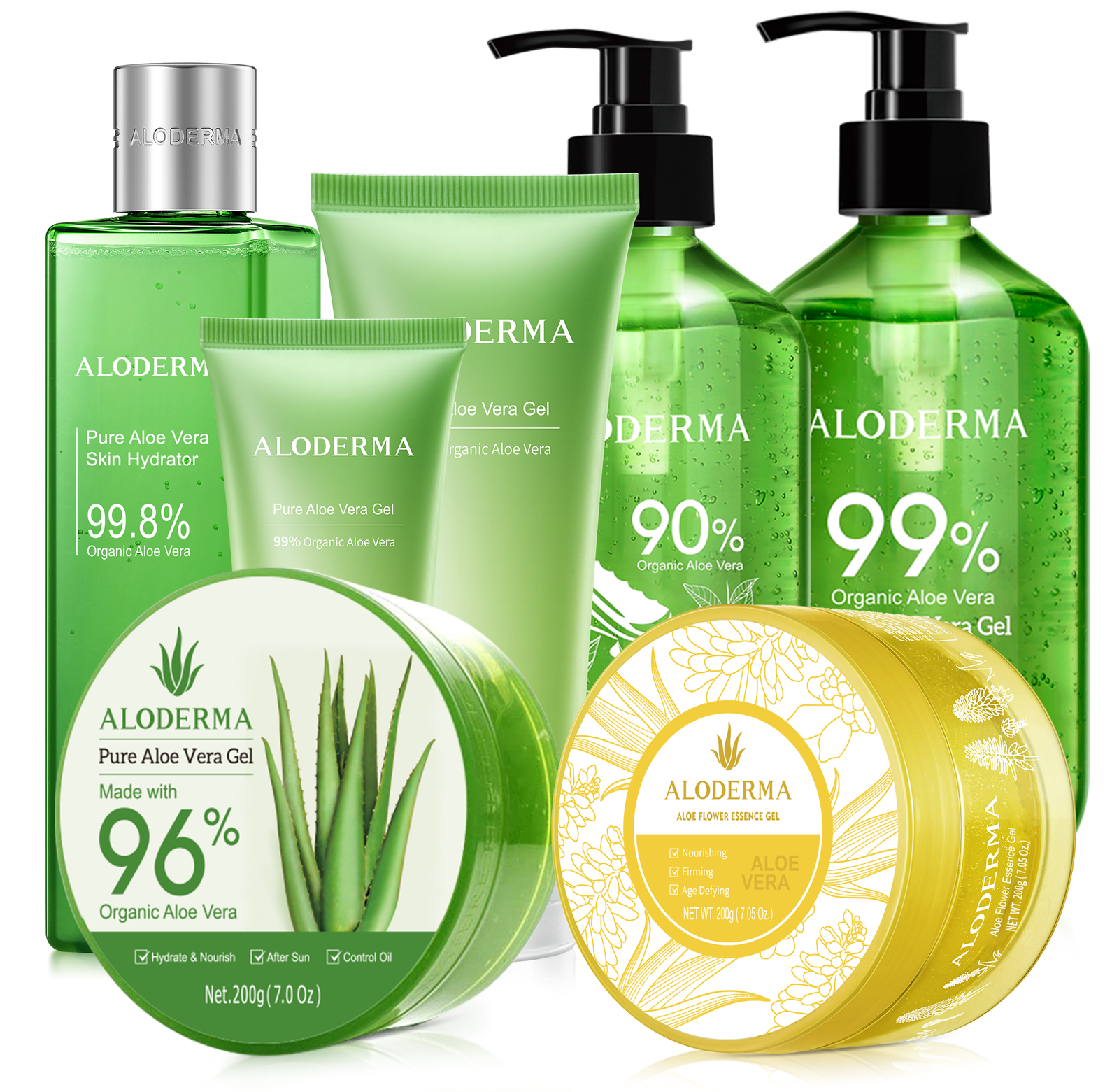
ALODERMA's difference starts long before the bottle. The company is fully vertically integrated, which means it grows its own organic aloe vera, processes the aloe on-site, and manufactures within 12 hours of harvest so the primary ingredient in every product is as bioactive and effective as possible.
That farm-to-skin process is important. Aloe that's handled quickly and carefully feels closer to what people want from skincare in the first place: freshness, purity, and comfort.
If you want to understand why aloe can be especially useful for oilier complexions, this article on aloe vera for oily skin gives a helpful breakdown.
Fresh-first skincare makes a lot of sense for skin that doesn't respond well to aggressive routines. The formula feels lighter, the routine feels simpler, and consistency gets easier.
How to Build Your Serum-Powered Skincare Routine
If your current routine feels random, simplify the order first. Many individuals find more success with a small sequence they can repeat morning and night without overthinking it.

The easy order to remember
Use this pattern:
-
Cleanse
Start with a gentle face wash that removes buildup without leaving your skin feeling stripped. -
Tone
A light toner can add back a touch of hydration and prep the skin for the next layer. -
Treat
Apply your serum while skin is still slightly damp or freshly toned. -
Moisturize
Finish with a lightweight hydrator to keep skin comfortable.
That order works because thinner products usually go on first, while products that help seal in comfort come later.
How much serum to use
Common mistakes often happen here. More product doesn't automatically mean better results.
A few drops are usually enough. Press it in gently instead of rubbing hard, then give it a moment to settle before moving on.
A routine example that feels balanced
If you want a fresh, simple lineup, this type of routine makes sense:
- Cleanser step using the Aloe Oil Controlling Cleanser
- Toner step with the Aloe Hydrating Toner
- Serum step with the Aloe Hydrating Serum
- Moisture step using the Oil-Free Aloe Vera Gel
This kind of routine is especially helpful if strong actives have left your skin feeling unsettled. Some strong actives like benzoyl peroxide can be effective but also very drying, so pairing targeted treatments with hydrating ingredients like hyaluronic acid and aloe vera is important for comfort and balance, as explained in this benzoyl peroxide and hydration guidance.
Common mistakes that throw off good products
A serum can be excellent and still disappoint if the routine around it is messy.
Watch for these habits:
- Applying too much so skin feels sticky and congested
- Changing products too fast before your skin has time to adjust
- Skipping moisturizer because you think hydration causes shine
- Using harsh cleansers that undo the comfort your serum provides
- Layering too many actives at once and blaming the serum
If you want a broader framework for putting all your products in the right order, this guide on how to build a skincare routine is a solid place to start.
Answering Your Top Serum Questions
My skin looks worse after starting a serum. Should I stop right away
Not always, but don't ignore discomfort either. A mild adjustment period can happen with active ingredients, while stinging, intense dryness, or ongoing irritation usually means the formula or routine is too strong for you.
A good test is to pull back. Use the serum less often, keep the rest of your routine very simple, and make sure hydration stays in place.
How long does it take to notice a difference
Most serums reward consistency, not impatience. You're usually looking for gradual improvements in how skin feels, how smoothly makeup sits, and how balanced your complexion looks over time.
What if my skin is both shiny and dry
That's more common than people think. Surface oil doesn't always mean your skin has enough water. A lightweight serum with hydrating support can help your skin feel more comfortable without adding a heavy layer.
Is there one ingredient that works for sensitive skin
There isn't one perfect ingredient for everyone, but azelaic acid is a multi-functional option that can help unclog pores and improve skin tone, and it's often well tolerated even by sensitive skin types, according to this azelaic acid serum guide.
Stay patient. The goal isn't to force fast changes. It's to build a routine your skin can live with.
If you want a routine built around fresh aloe and everyday comfort, explore ALODERMA. Their farm-to-skin approach, organic aloe sourcing, and on-site processing within 12 hours of harvest make them a standout choice for anyone who wants gentle, lightweight skincare centered on bioactive aloe vera.