







You're standing at the sink with a dark, crumbly bar in your hand, wondering whether this is the cleanser that finally makes your skin look calmer, smoother, and less shiny. That's the moment people mean when they search African Black Soap before and after, but the honest answer isn't a single dramatic photo. It's a process, and the best results come from understanding what changes quickly, what changes slowly, and when to ease off instead of pushing harder.
A good way to think about it is this, before and after should describe comfort, texture, oil balance, and tolerance, not just one polished side-by-side image. If you want a more structured way to assess your skin as you go, a skin analyser machine guide can help you notice pattern changes instead of guessing from the mirror alone, especially when you're trying to tell the difference between a real improvement and a temporary glow.
What Before and After Really Means
A person often starts African black soap with a simple hope, less shine, fewer clogged-looking areas, and a face that feels cleaner without feeling punished. That expectation is reasonable, but the finish line needs to be defined before the first wash. The most useful “before” is your skin's current baseline, and the most useful “after” is the pattern that shows up in texture, comfort, and oil balance over time, not just how the soap looks in a photo.
A before-and-after result is really a managed process. African black soap can strip away buildup quickly, while your skin may need time to settle, hold moisture, and decide whether it likes the routine. That is why a clear routine matters, and why a skin analyser machine guide can be helpful if you want a more structured way to compare changes instead of relying on one mirror check after another.
Read the changes your skin actually shows
African black soap can change the surface feel fairly early because it cleans strongly and removes buildup. The visible story is usually quieter than the marketing version. A calmer forehead at midday, makeup that sits a little better, or less of that greasy rebound by evening can matter more than a filter-ready transformation.
That is especially true for people with oily or blemish-prone skin, because they often notice small shifts first. If you are unsure whether you are seeing progress or just a one-day fluke, compare how your skin feels after cleansing, after a full day, and after a week of use. That gives a much better read than a single selfie under bathroom lights.
Some changes are useful even when they are subtle. Reduced tackiness, less visible congestion, and a more even feel across the cheeks and forehead can all count as part of the before-and-after story.
Practical rule: if the soap leaves your face feeling squeaky-clean, tight, or hot, that signals your skin needs less contact and more cushioning afterward.
For readers who like to quantify their routine, the African Black Soap before and after story becomes clearer when you track comfort and texture in the same way each time. That makes the change legible instead of emotional.
Understanding African Black Soap
African black soap has a long heritage in West Africa, with roots traced to the Yoruba people of Nigeria and early written mention in Awnsham Churchill's A Collection of Voyages and Travels, which described its presence in Senegambia and noted that the Portuguese valued it for effectiveness. Traditional production used locally available materials such as plantain skins, cocoa pods, palm oil, and shea butter, and one historical source notes that shea butter use in black soap production dates back to the 14th century. Over time, the formula diversified into nearly 100 variations across communities, which shows how a heritage product can stay recognizable while still changing from place to place. African black soap history and traditional ingredients

Why it cleans differently from store soap
The easiest way to understand African black soap is to think of it as a stronger degreaser than many everyday cleansers. It's made through ash-based saponification, so it tends to be highly alkaline before use, with published measurements around pH 9.0 to 10.0 and free caustic alkali reported from 0.22% to 6.76% depending on formulation (published physicochemical measurements). That alkalinity is part of why it cleans so effectively, but it also explains why it can feel harsh if it's used too directly or too often.
A simple analogy helps here. Your skin's surface prefers a relatively balanced environment, while the soap arrives with a more aggressive cleaning profile. That doesn't make it bad, it just means the product needs a softer hand. The bar can lift oil and debris well, but it can also strip lipids if you treat it like a scrub or leave it sitting on the skin.
If you want to see how a routine can support the rest of your skin care instead of fighting it, the logic in a strong daily framework is similar to the one discussed in skincare routine tips from 3D Aesthetics. Consistency matters more than intensity.
What the bar usually contains
Traditional bars are built from plant materials and oils rather than synthetic detergents. That's why the feel can be earthy, rougher, and less uniform than a commercial cleanser. It's also why the same name can cover a range of textures and finishes, from firmer bars to softer, more crumbly pieces.
The key point is simple. African black soap is not a miracle object, it's a tool. Used well, it can fit into a balanced routine. Used carelessly, it can make skin feel overworked.
What Changes the Outcome
Start with the rule, not the rinse. African black soap can act very differently from one bar to the next, so the “before and after” often reflects the formula, the way you use it, and how your skin recovers afterward.

The product itself isn't always the same
Commercial African black soap varies a lot. Published product data show moisture content ranging from about 3.77% to 26%, total fatty matter from 36.25% to 72.23%, and foam height varying widely by method and sample (physicochemical variability in published literature). That spread matters because one bar can feel forgiving, while another can feel noticeably drier or rougher on the same face.
A bar with more moisture and fat can leave a softer after-feel, while a drier, less uniform bar can behave more like a brisk cleanser. That difference is part of how face peeling works, where the surface starts to look smoother only if the skin is not pushed past its comfort point. The result is not just about cleansing power, it is about how much friction and residue the skin has to deal with during and after the wash.
This is why people sometimes describe one bar as gentle and another as “too much.” The problem may not be the idea of black soap itself. It may be the specific formulation, how it was cured, and how much extra oil or moisture stayed in the finished bar. That also explains why the lather can feel different from one seller to another even when the packaging looks similar.
Practical rule: if your skin is reactive or already dry, the “better” bar is often the one that feels less aggressive in the first week, not the one that promises the fastest clean.
Your habits matter just as much
Frequency is the next big variable. Some skin tolerates daily use, but many faces do better with a slower pace. Lathering the bar in your hands first also matters, because dragging a rough bar straight across damp skin can create more friction than the routine needs.
What follows the cleanse changes the result too. A cleanser like this works best when it is treated as one step in a sequence, not the whole routine. The rinse should be followed by something that brings comfort back to the surface, especially if your skin gets shiny by midday but still feels tight after cleansing.
If you are trying to sort out what else in your routine may be making results look inconsistent, the internal guide on what ingredients clog pores is useful alongside this kind of cleanser review. Sometimes the soap is only one part of the picture.
How to Use It Safely
The safest routine is calm, short, and predictable. Wet the skin with lukewarm water, create lather in your hands first, press the foam onto the skin without scrubbing, then rinse thoroughly. That's the whole base pattern, and it's a lot friendlier than rubbing a rough bar directly over the face.

Keep contact gentle and brief
A short contact time gives the cleanser room to do its job without turning the wash into a skin test. If you're pressing foam onto your face, use light circular motions and stop well before your skin starts to feel stripped. The goal is clean skin, not a squeaky finish.
If you're new to the bar, a patch test is smart before you use it across the face. The guide on how to patch test skincare is a useful companion when you want to reduce surprises and keep the first week easier to read.
A clean face that still feels comfortable after rinsing usually tells you the routine is balanced. A clean face that stings, tightens, or looks overly matte usually tells you to scale back.
Seal in comfort right away
The post-cleanse step matters as much as the cleanse itself. Once the face is rinsed and patted dry, follow with a gentle moisturizer so the skin doesn't have to recover from the wash on its own. That step is especially helpful if you're using the soap on the face rather than just the body.
For many readers, the smartest routine is not “use more soap,” it's “use the soap better, then support the skin immediately.” That approach makes the after part of African Black Soap before and after feel more stable and less random.
This is also where a routine built around fresh aloe can feel especially useful, because aloe-forward hydration tends to suit people who want light comfort after a stronger cleanse. A solid pairing starts with a product chosen for recovery, not just shine control.
Realistic Timelines for Visible Change
The timeline is usually a two-stage story. Texture and clarity are the early wins, while the look of darker spots or uneven tone tends to move more slowly. That difference matters because readers often expect every visible change to happen at the same pace, and skin doesn't work that way.
Early wins show up first
An independent skincare source says most users notice improvements in skin texture and clarity within 2 to 4 weeks of regular use, while darker spots or hyperpigmentation may take 2 to 3 months before visible change appears (African black soap benefits and timing). That's a useful framework because it separates fast cleansing effects from slower tone changes.
A textbook chapter versus a full novel. The first few weeks can tell you whether the cleanser fits your skin, but they usually won't tell you the whole story. If your face feels smoother and looks a little less congested after a few weeks, that's a meaningful result even if the tone hasn't shifted much yet.
Tone changes need more patience
Darker marks take longer because they sit in a different category of change. You're not just washing away surface oil, you're waiting for the skin's visible pattern to settle over time. That's why a fair evaluation window needs more than a couple of bathroom selfies.
The fastest way to get discouraged is to expect a one-week miracle. The smarter way is to watch for smoother feel, less residue, and more even-looking clarity first, then give tone enough time to reveal itself. That keeps the process grounded and reduces the urge to overuse the soap chasing faster results.
When More Is Not Better
The squeaky-clean feeling can be misleading. It can feel like proof that the soap is working hard, when really it may be a sign that your skin has been over-cleaned. If you push the frequency too high or leave the lather on too long, the before and after can turn into tightness, flaking, or a rebound shine that shows up later in the day.
Watch for the warning signs
Skin that feels stretched after rinsing is telling you something useful. So is a face that looks matte for ten minutes, then gets oilier than usual by afternoon. That pattern often means the routine is too aggressive for the skin sitting under it.
Another sign is when the product starts to feel harsher over time, even if you didn't change anything else. That can happen when the skin's surface is being asked to do too much recovery work between washes. In that case, the solution is usually less use, not more.
Pull back before you push through
If the skin feels stressed, reduce how often you use the soap, shorten the contact time, and lean harder on hydration after cleansing. That's not a compromise. It's the adjustment that lets the cleanser stay useful.
African black soap can be a good fit for oily skin and for people who like a strong cleanse, but it doesn't reward force. The best long-term results usually come from restraint, consistency, and comfort. Once the routine is too abrasive, any before and after photo becomes harder to trust because the skin is trying to recover.
Pairing Black Soap with Gentle Aloe
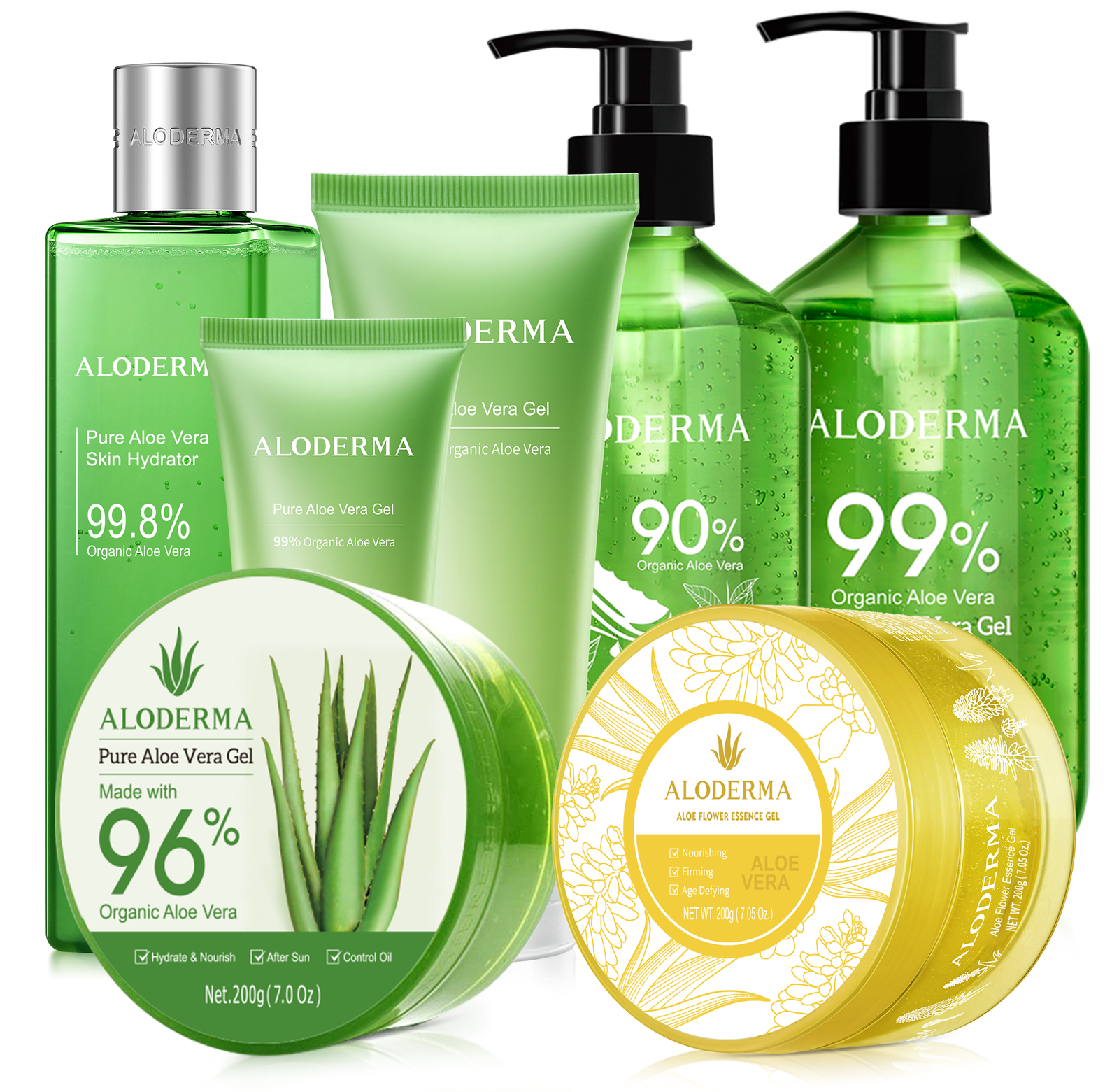
A strong cleanser works better when the rest of the routine brings the skin back down to baseline. That's where aloe-led hydration fits naturally, especially for readers who want a simple evening cleanse followed by lightweight comfort. ALODERMA is a fully vertically integrated aloe vera company, it grows all of its own organic aloe vera, and it processes its aloe and manufactures onsite within 12 hours of harvest so the primary ingredient in every product is as bioactive and effective as possible.
That kind of freshness matters in a routine built around contrast. African black soap does the heavy lifting on cleanse, while a calm aloe product helps the face feel settled afterward. The balance is often more useful than chasing a cleanser that tries to do everything at once.
A simple routine can stay steady
One easy pattern is black soap in the evening, then a soothing aloe gel or cream afterward if your skin likes a lighter finish. In the morning, keep things simple with hydration that doesn't weigh the face down. Readers who prefer to check ingredients can review the product details on fresh aloe vera for face and then look through the formulas that fit their own skin feel.
The key is matching texture to tolerance. If a cleanser feels powerful, the after-step should feel easy. That's especially true for people who want a clean look without the drag of a heavy routine.
You can also use the product pages on aloderma.com to compare gels, creams, toners, serums, masks, cleansers, and bath care in one place. That makes it easier to build a routine around your actual skin behavior instead of a one-size-fits-all promise.
Practical rule: let the cleanser be the strong step and let the moisturizer be the calm step. If both steps feel strong, the routine usually needs less force, not more products.
Your Personal 30 Day Experiment
A useful way to judge African black soap is to treat it like a 30-day experiment, not a forever decision made on day one. Start with a steady routine, then check in at day 14 for texture and comfort, and again at day 30 for tone and clarity. Those checkpoints keep the evaluation honest and stop you from reacting to one random breakout or one unusually good skin day.
Track what matters
Use simple notes. Does your skin feel less greasy by midday? Does it feel tight after rinsing? Does makeup, sunscreen, or moisturizer sit better? Those answers tell you more than a perfect selfie.
If the soap is helping, you'll usually notice a clearer feel before you see major tone changes. If it's not the right fit, the signs tend to show up through discomfort, not dramatic failure. That's useful information, not a setback.
Decide with your skin, not the label
By the end of 30 days, you should know whether the bar belongs in your routine or in the back of the cabinet. The best African Black Soap before and after result is a skin response you can live with, not just admire for one afternoon. That means a cleaner feel, a calmer surface, and a routine that doesn't ask your barrier to do all the work.
If you want to build the rest of that routine around fresh aloe and keep your cleanse gentle, take a look at ALODERMA. Their fresh, organic aloe approach is built for people who want lightweight hydration after a stronger wash, and it's a practical place to start if you're looking for comfort, consistency, and a simpler skin care rhythm.