



You wash your face, look in the mirror, and immediately know something's off. Your skin feels tight, almost squeaky, and you start reaching for moisturizer before you've even dried your hands. Or the opposite happens. You choose a “gentle” cleanser, but your face feels coated, like there's a layer left behind that never quite rinsed away.
That frustrating middle ground is why so many people keep buying cleanser after cleanser. They're not asking for much. They want skin that feels clean, comfortable, and calm. A best hydrating cleanser should do exactly that, but many formulas miss the balance.
There's another layer often overlooked. Ingredient lists matter, but freshness and bioactivity matter too. Aloe vera is a good example. Fresh aloe vera gel is highly vulnerable to degradation from air, heat, and delay, which is why handling and processing standards shape how useful that ingredient is in the final formula, as noted in this overview of fresh aloe vera harvesting and degradation.
Why Your Cleanser Leaves Your Skin Tight or Greasy
A lot of people think the tight feeling after washing means a cleanser “worked.” It usually means your skin lost more than dirt, sunscreen, and sweat. It also lost some of the comfort and moisture that help skin feel balanced.
Then there's the opposite problem. You try a hydrating cleanser because your skin feels dry, but the finish feels slippery or heavy. You rinse again. Then maybe a third time. Soon you're stuck in a cycle where “gentle” feels greasy and “deep clean” feels harsh.
The clean feeling problem
One person might use a foaming wash after the gym and love the instant fresh feeling, only to notice their cheeks feel stretched ten minutes later. Another might switch to a creamy cleanser in winter and stop feeling dry, but dislike the soft film it leaves around the nose and chin.
That tension is common, not personal failure. A 2025 Reddit user study in r/30PlusSkinCare reveals that over 60% of respondents seeking “hydrating but clean-feeling” cleansers discontinue use due to perceived “slimy” after-effects, which shows how hard this balance can be for real users exploring hydrating but clean-feeling cleanser discussions.
Practical rule: If your skin feels stripped right after cleansing, or coated long after rinsing, the formula probably isn't matched to your skin's needs.
Why this keeps happening
Many cleansers focus too heavily on one side of the equation. They either remove oil so aggressively that your face feels like a dry sponge, or they lean so far into softness that users worry they didn't cleanse properly.
That confusion gets worse when people also worry about clogged pores, especially if they already use sunscreen, makeup, or richer creams. If that sounds familiar, this guide on ingredients that may clog pores helps explain why a cleanser's texture alone doesn't tell you whether it will feel comfortable or suit your routine.
The goal isn't “squeaky.” The goal is clean without penalty. Your skin shouldn't feel like it needs rescuing after every wash.
What Makes a Cleanser Truly Hydrating
A hydrating cleanser doesn't just remove what's on your skin. It cleans in a way that helps your skin stay comfortable afterward. Think of harsh cleanser as a rough scouring pad on a nonstick pan. Yes, it removes residue, but it can also wear down the surface. A hydrating cleanser works more like a soft sponge. It still cleans, but it respects what needs to stay intact.
For sensitive skin especially, dermatologist-guided advice points to a non-foaming, mild formula with soothing ingredients like aloe vera, ceramides, or niacinamide, and also recommends avoiding bar soaps and cleansing no more than twice daily. The same guidance says to moisturize right after cleansing to help maintain water content, according to this review of cleanser choices by skin type.

What hydrating really means
A cleanser earns the “hydrating” label when it helps reduce that post-wash tightness many people accept as normal. It should leave your skin feeling flexible, not squeaky, and fresh, not filmy.
The easiest way to judge it is by what happens in the ten minutes after you rinse. If your face feels comfortable while it air-dries, that's a good sign. If you feel a rush to apply cream because your skin suddenly feels stiff, that cleanser may be too aggressive.
The four signs to look for
- Mild cleansing agents: They remove buildup without stripping too much surface oil.
- Water-binding ingredients: These help skin hold onto moisture during and after washing.
- Barrier support: The formula should help skin stay resilient instead of feeling raw.
- A comfortable finish: You shouldn't feel residue, but you also shouldn't feel parched.
One ingredient readers often recognize but don't fully understand is hyaluronic acid. It's useful because it supports water retention, but it works best in a broader formula that also cleans gently and supports the barrier. If you want a simple explainer, this article on pure hyaluronic acid in skincare breaks down why it shows up in so many hydrating routines.
Healthy cleansing should feel uneventful. No sting, no drag, no rush to fix what your face wash just did.
The Ultimate Hydrating Cleanser Ingredient Checklist
If you flip a cleanser bottle around and the ingredient list looks intimidating, focus on function instead of chemistry class. You don't need to memorize every term. You just need to know which ingredients help your skin keep water, and which ones often leave it feeling over-washed.

Heroes to look for
The first group is made up of ingredients that help skin stay soft during cleansing.
| Ingredient type | What it does | Why it matters in a cleanser |
|---|---|---|
| Aloe vera | Adds soothing, water-rich support | Helps offset that dry, over-cleansed feel |
| Glycerin | Draws water toward the skin | Keeps skin from feeling tight after rinsing |
| Hyaluronic acid | Helps hold water at the skin surface | Supports a plumper, more comfortable feel |
| Ceramides | Support the skin barrier | Help reduce moisture loss during washing |
| Squalane | Adds lightweight softness | Helps skin feel smooth, not stripped |
Ceramides deserve special attention. Ceramides constitute 50% of the epidermal lipid matrix and are critical for maintaining skin barrier integrity. A cleanser that contains them helps prevent moisture loss while washing, based on this dermatologist-focused discussion of ceramides and barrier support.
Ingredients many people prefer to avoid
Some formulas clean well on paper but leave skin feeling uncomfortable in real life.
- Sulfates such as SLS: Often associated with that overly stripped, squeaky finish.
- Harsh alcohols: These can leave skin feeling dry fast.
- Heavy fragrance blends: A common reason a cleanser feels like “too much” for reactive skin.
- Phthalates: Many ingredient-conscious shoppers choose to skip them.
If you want another plain-language reference for reading wash formulas beyond face care, this Peak Performance guide on harmful body wash ingredients is useful because it explains why some common cleansing ingredients create that dry, uncomfortable aftermath.
A simple label-reading shortcut
When you shop for the best hydrating cleanser, ask three quick questions:
- Does it include humectants? Look for glycerin, aloe vera, or hyaluronic acid.
- Does it support the barrier? Ceramides are a strong sign.
- Does it skip obvious drying agents? If the formula leans harsh, your skin often tells you quickly.
A good cleanser label should feel like a support team, not a cleanup crew with a pressure washer.
How to Choose a Hydrating Cleanser for Your Skin Type
The phrase best hydrating cleanser can sound like it only applies to dry skin. It doesn't. Oily, combination, and blemish-prone skin often need hydration just as much. The trick is choosing the right texture and the right supporting ingredients.
Here's a quick visual guide before we break it down.

Sensitive skin
Sensitive skin usually does best with formulas that feel simple and low-drama. That often means non-foaming or lightly foaming cleansers with soothing ingredients and no strong scent.
If your skin tends to react to “deep clean” products, look for a formula that feels creamy or silky rather than aggressive. This guide to cleansers for sensitive skin can help you narrow down what to look for.
Oily skin
Oily skin doesn't need punishment. When people use very harsh cleansers, they often end up chasing oil all day with powder, toner, and another wash at night. That's exhausting, and it can leave the skin feeling out of sync.
A lightweight gel cleanser can be a smart choice here, especially one that rinses clean but still includes hydrating support.
Blemish-prone skin
People often get confused. They want a cleanser that feels fresh and helps keep pores clear, but they don't want the dry, rough after-feel that comes with stronger formulas.
For oily or blemish-prone skin, a hydrating cleanser with gentle actives like glycerin can maintain hydration without stripping lipids. Some may also benefit from formulas with low concentrations (0.5% to 2%) of salicylic acid to help keep pores clear, according to this guide on types of cleansers for different needs.
Later in your routine, application habits matter too. This short video gives a useful look at cleanser use and skin comfort.
Dry and combination skin
Dry skin usually prefers creamier textures that leave no tightness behind. Combination skin is a balancing act. Your forehead may want a lighter finish while your cheeks need more cushion.
A good match doesn't make every part of your face feel identical. It makes each area feel comfortable.
If your skin changes with weather, routine, or stress, it's normal to rotate textures. A light gel may feel better in humid months, while a richer milk or cream cleanser may feel better when indoor heating leaves your face feeling dull and pulled.
The Aloderma Difference Freshness You Can Feel
Many cleanser guides stop at ingredient lists. That's useful, but incomplete. An aloe-based cleanser isn't just defined by the word “aloe” on the label. The freshness of that aloe matters because fresh aloe vera gel is vulnerable to degradation when processing is delayed, as noted earlier.
Why farm-to-skin matters
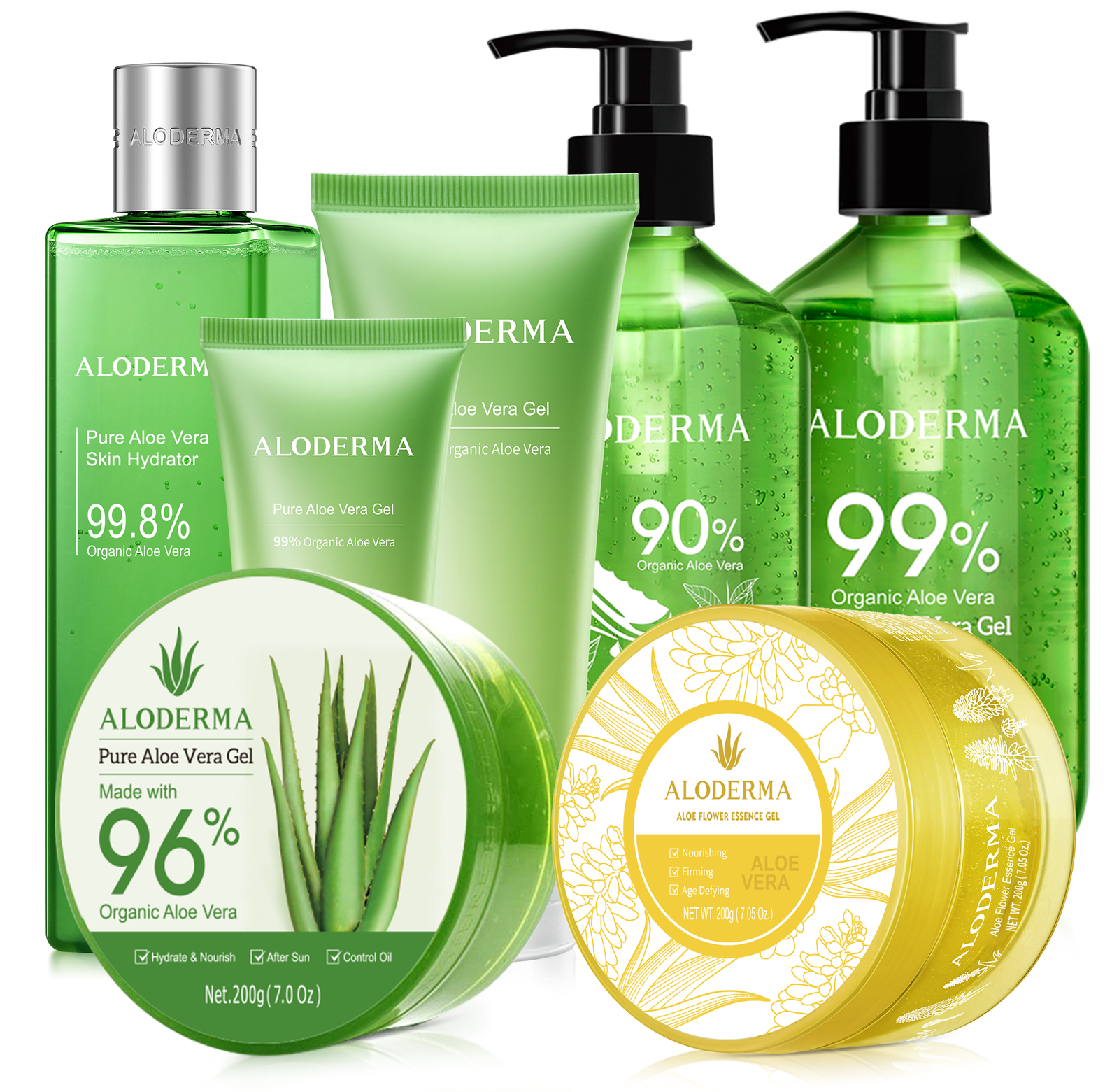
Aloderma stands out in a very concrete way: ALODERMA utilizes a fully vertically integrated production model, growing 100% of its own organic aloe vera and processing it within 12 hours of harvest to guarantee the highest level of bioactivity in every product, as described in this listing covering Aloderma's organic aloe vera process.
That matters because freshness isn't a marketing extra. It shapes how alive and useful a botanical ingredient remains by the time it reaches your bathroom sink. Aloderma is a fully vertically integrated aloe vera company. We grow all of our own organic aloe vera, and we process our aloe vera and manufacture onsite within 12 hours of harvest so the primary ingredient in every product remains as bioactive and effective as possible.
What to look at on the product page
If you're comparing cleansers, don't stop at the front label. Check the full ingredient list and the texture description. On Aloderma's site, readers can review product details directly for options such as the Aloe Hydrating Cleanser and explore complementary hydration support like the Pure Aloe Vera Gel.
If you're broader in your ingredient research, it can also help to compare plant-based categories side by side. For example, this guide to CBD skincare gives helpful context on how shoppers evaluate botanical ingredients by source, handling, and skin feel.
The bigger lesson is simple. A hydrating cleanser isn't only about what ingredient is included. It's also about how that ingredient was grown, handled, and preserved before it ever touched your skin.
Your Hydrating Cleanser Questions Answered
How often should you use a hydrating cleanser
Cleansing morning and night is often sufficient. Dermatologist-approved guidance also advises cleansing no more than twice daily so you don't wash away more than necessary, as noted earlier in the article.
If your skin feels dry in the morning, some people prefer a lighter rinse and save full cleansing for nighttime.
Will a hydrating cleanser remove makeup
It depends on the makeup. A hydrating cleanser can remove light daily products, sunscreen, and normal buildup well. If you wear long-wear foundation or heavy eye makeup, you may need a first cleanse with a balm, oil, or micellar product before your regular face wash.
It's like washing a pan after cooking cheese. Warm water helps, but sometimes you need a first pass before the final clean.
Do you still need moisturizer after cleansing
Yes. Cleansing and moisturizing do different jobs. The cleanser removes buildup. The moisturizer helps hold comfort and softness in.
One habit that changes everything: Apply moisturizer right after cleansing while your skin still feels slightly damp.
Can oily skin use a hydrating cleanser
Absolutely. Oily skin still needs balance. If your cleanser is too harsh, your face can feel clean for a moment and uncomfortable soon after. A better approach is a formula that rinses clean but doesn't leave the skin feeling bare.
How do you know a cleanser is wrong for you
Your skin usually gives quick feedback. Watch for these signs:
- Too harsh: Your face feels tight, dry, or shiny in a stretched way.
- Too heavy: It leaves a residue you can feel hours later.
- Poor match for routine: It doesn't play well with your moisturizer, sunscreen, or makeup.
The best hydrating cleanser should feel boring in the best way. It does its job, your skin feels comfortable, and the rest of your routine goes on more smoothly.
If you want to explore fresh aloe-based cleansing and hydration in one place, browse ALODERMA for ingredient lists, cleanser options, and simple routines built around organic aloe vera that's grown, processed, and manufactured onsite within 12 hours of harvest.