





By 11 a.m., you've already reached for blotting paper. Your forehead looks glossy, your nose is preparing to send foundation sliding by mid-afternoon, yet your cheeks feel tight after cleansing. That combination is confusing because your skin looks oily while behaving as if it needs water.
The best hydrating toner for oily skin isn't the bottle that leaves your face squeaky, frozen, or aggressively matte. It's a lightweight formula that adds water without a heavy film, supports a comfortable surface, and fits the way your skin behaves in your actual climate. This guide will show you how to read any ingredient list like a formulator, choose the right level of cushion, and avoid habits that push oily skin toward more shine.
The Oily Skin Balancing Act
Oily skin can carry a surface layer of sebum while still lacking comfortable water content beneath it. That's why Maya may blot her forehead at lunch but still feel her cheeks pull when she smiles. A harsh response, such as an alcohol-heavy toner, a strong foaming cleanser, or skipping moisturizer altogether, can make the surface feel stripped without solving the underlying dryness sensation.
Toners have changed for a reason. They first emerged in the early 20th century as a response to harsh, alkaline soap cleansers that could strip skin and disrupt its natural pH. By the late 1960s, “cleanse, tone, moisturize” had become the first skincare regimen to undergo clinical testing, while later toner formulas moved away from relying so heavily on alcohol and toward ingredients such as herbal extracts, floral waters, and aloe vera. Sephora's overview of aloe vera toners provides useful historical context for that shift.

The surface can look wet and feel thirsty
Think of sebum as a surface coating, not proof that every part of your skin has enough water. If cleansing repeatedly removes too much comfort, your face may feel tight soon after washing and look shiny again later. Lightweight hydration gives the surface a more flexible starting point, so you're not constantly trying to correct shine with stronger products.
A toner won't rewrite your natural skin type. It can, however, make the post-cleanse transition gentler and help your next products spread with less dragging. For a broader framework on sequencing and product choice, use this guide to find the best oily skin routine from Skinsation Aesthetics Inc..
The most useful label-reading starting point is a formula built around familiar, water-binding ingredients rather than a sharp astringent effect. This ingredient guide for oily skin can help you compare those building blocks before you buy.
What a Hydrating Toner Actually Does
A hydrating toner is usually a water-based step applied after cleansing and before a serum or moisturizer. Its job is simple: place a thin layer of water-loving ingredients on the skin, then give the rest of your routine a smoother, more comfortable surface to work over.
A clean face can behave like a dry sponge. Water poured onto a dry sponge may sit unevenly or run across the surface, while a slightly damp sponge accepts moisture more evenly. Glycerin, hyaluronic acid, panthenol, and aloe vera act as humectant-style ingredients in a toner, helping hold water at the outer surface without requiring a thick layer of oil.

Use your hands instead of wiping
After cleansing, leave your face slightly damp rather than completely dry. Pour a few drops into clean palms, press them over your cheeks, forehead, and nose, then pause before applying the next product.
Rubbing with a cotton pad can turn a soothing step into a repetitive wiping step. Pressing keeps the liquid where you placed it and reduces unnecessary friction, which is especially helpful when your skin already feels easily overwhelmed.
A hydrating toner is different from an astringent or exfoliating toner. An astringent is designed around a tightening or oil-reducing feel, while an exfoliating toner uses acids or other ingredients to loosen surface buildup. Neither category is automatically wrong, but neither should be mistaken for a straightforward hydration step.
Practical rule: If a toner makes you feel tight immediately, don't assume that sensation means it's working.
The formula's texture also matters. A purely humectant system can feel almost weightless, while a milky toner may add more cushion and reduce the need for several separate layers. If you want to understand how a single humectant works on its own, explore pure hyaluronic acid as a formulation reference.
Reading a Toner Label Like a Formulator
You don't need to memorize every ingredient name. Read the list in three passes: identify the heroes, understand the supporting cast, and flag the quiet offenders.
Pass one, find the hydration heroes
Look for glycerin, sodium hyaluronate, panthenol, aloe vera juice, beta-glucan, and seaweed polysaccharides. These ingredients are commonly used to bind or support water at the surface. A toner with glycerin near the beginning of the list usually signals a more hydration-focused design than one led by alcohol or fragrance.
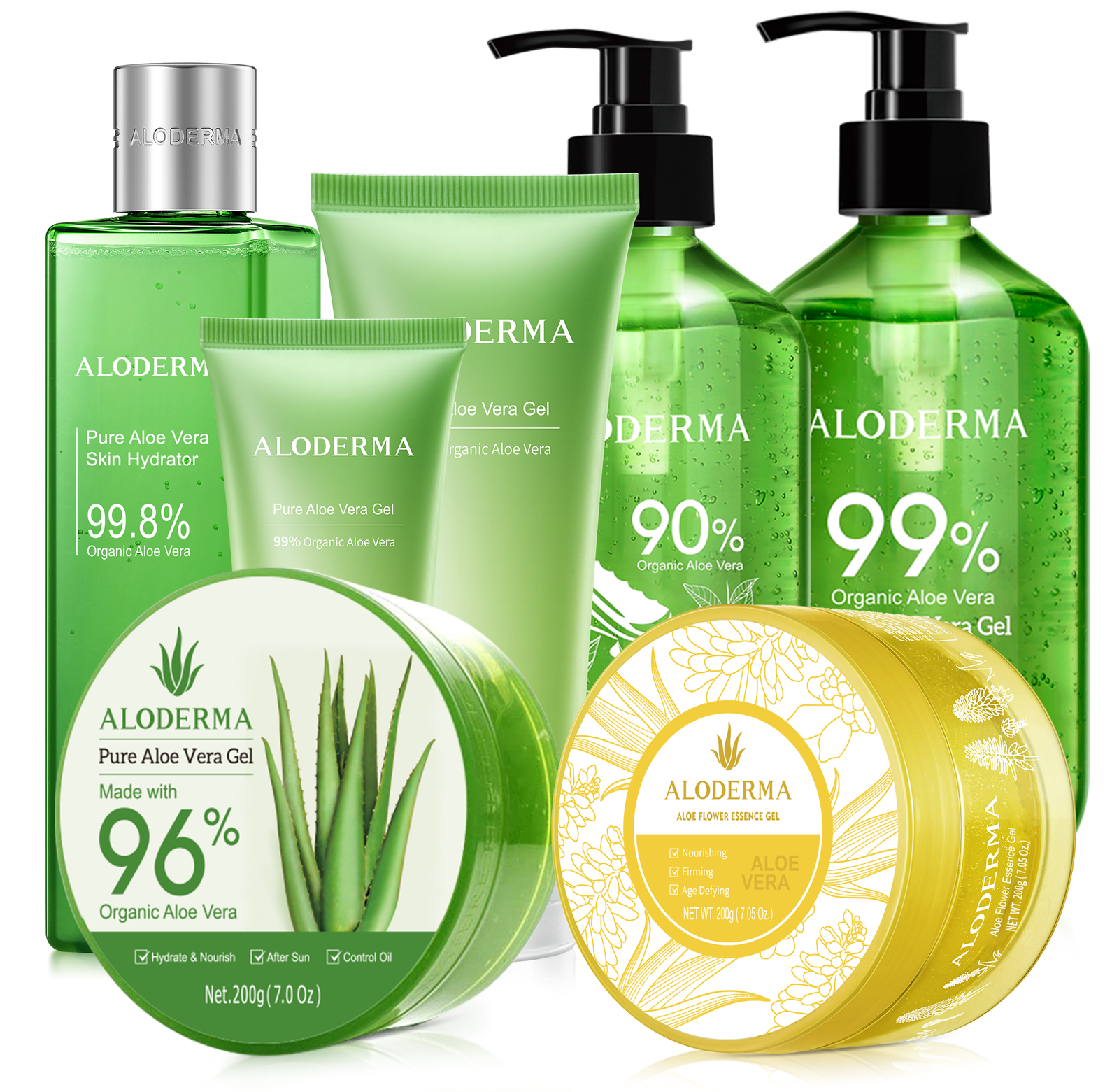
A useful real-world example is Aloderma's Aloe Hydrating Toner. Its list begins with Organic Aloe Barbadensis Leaf Juice, followed by butylene glycol, betaine, glycerin, and sodium hyaluronate. That order shows a recognizable water-binding foundation rather than a formula built around heavy oils.
Pass two, assess the supporting cast
A formula also needs ingredients that improve feel, stability, and tolerance. Light esters or squalane can add slip, while allantoin or madecassoside may make a toner feel more cushioned. Preservatives and pH adjusters aren't exciting, but they help a water-based product remain usable and feel compatible with the skin's natural acidity.
You're looking for balance, not an ingredient list with the longest possible roster. A short panel can be easier to understand and easier to troubleshoot when your skin changes.
Pass three, flag the quiet offenders
Check whether denatured alcohol appears high on the list. Strong fragrance, essential oils, aggressive acids marketed as hydration, and a heavy silicone feel can also be poor matches for skin that dislikes weight or sting. An essential oil blend isn't automatically unacceptable, but it deserves more attention than a simple aloe and glycerin base.
| Ingredient Group | Look For | Watch Out For |
|---|---|---|
| Hydration heroes | Glycerin, aloe vera juice, sodium hyaluronate | A formula with no clear water-binding ingredients |
| Supporting cast | Betaine, panthenol, light esters, sensible preservatives | A long list with many potential irritants |
| Texture and finish | Water-based, low-occlusion systems | A coated, greasy finish that persists |
| Potential trouble spots | Fragrance placed modestly and clearly | Denatured alcohol high on the list, strong scent, harsh acids |
For a more detailed screening process, keep this skincare ingredients guide nearby while shopping. The point isn't to fear every unfamiliar word. It's to understand what the formula is designed to do.
Building Your Hydration-First Routine
A toner works best as a prep step, not as the entire routine. Place it after cleansing, before a serum, and before moisturizer or sunscreen. That order lets the lightest water-based layer go down first, followed by products designed to provide more targeted support or surface protection.
A simple four-step sequence
- Cleanse gently. Remove sunscreen, makeup, and daily residue without leaving your face tight. If your cheeks feel pulled immediately afterward, the cleanser may be asking too much from your skin.
- Apply a few drops of toner. Use clean palms rather than soaking a cotton pad. Press the formula into slightly damp skin, focusing on the nose, forehead, and cheeks without scrubbing.
- Give it a short pause. Wait about 60 seconds before the next layer. The pause gives the toner time to settle and helps prevent your serum or SPF from rolling into little pills.
- Finish the routine. Apply your serum, lightweight moisturizer, and daytime SPF. The toner prepares the surface, while the later steps handle more of the lasting support and protection.

Let the climate choose the thickness
In humid weather, one featherlight layer may be enough before a gel-cream and fluid SPF. In dry indoor heat, try two thin layers instead of one large pour, then add a mist if the surface feels uncomfortable. The correct amount is the smallest amount that leaves your skin flexible without a wet or tacky film.
At lunch, a light toner mist can restore slip when your face feels tight, but don't use it as permission to keep washing your skin. Blotting paper can remove surface shine without restarting the entire cleansing cycle.
Product price and professional positioning don't always tell you whether a formula suits your routine. This comparison of professional versus drugstore skincare is useful context, but your label scan and skin response still matter more than prestige.
Why the Lightest Toner Is Not Always the Right One
Many oily-skin shoppers automatically choose the most watery product on the shelf. That instinct makes sense until the formula disappears before your skin feels comfortable. If a toner evaporates quickly and leaves no supportive finish, you may end up chasing that missing comfort with repeated applications, more serum, or a heavier cream later.
A slightly cushioned toner can be a better choice in a dry office, during winter wind, or when your routine already contains products that leave the surface feeling less comfortable. A water-based formula with polyglutamic acid, a small amount of squalane, or a well-preserved aloe blend may feel richer without behaving like a dense facial oil.
Weight and greasiness aren't the same thing.
Environment should guide the decision more than the word “oily” on your skin profile. On a humid day, a thin aloe and glycerin toner may be all you want. In heated indoor air, a milky texture may help you use less product overall because it provides enough cushion to skip an extra daytime lotion.
The formulation analysis of a niacinamide toner illustrates this distinction. One independent analysis classified the product as purely humectant with zero occlusivity, estimating humectants near glycerin at approximately 6%, niacinamide at approximately 4%, and propanediol at approximately 2%. Those figures come from CreamScan's niacinamide toner analysis, and they show how a formula can be hydration-focused without relying on a heavy occlusive layer.
Choose the finish that leaves your skin steady several hours later, not merely the one that feels lightest for the first minute.
Two Real Routines for Oily Skin
Maya's skin behaves differently in a humid July week. After a gel cleanser, she presses one layer of an aloe-led hydrating toner into her face, waits until the surface no longer feels slippery, and follows with a niacinamide serum, gel-cream moisturizer, and fluid SPF. By midday, she uses blotting paper instead of washing again, because the shine is surface oil rather than a reason to remove the whole routine.
Her toner stays light because the air already supplies plenty of humidity. If her cheeks feel tight, she adds a second thin layer at night, not a larger amount in the morning. That small adjustment keeps the finish comfortable without turning the entire routine into a stack of layers.
Daniel's winter office routine needs more protection from dry heated air. He starts with a cream-foam cleanser, presses in two thin layers of a humectant-rich toner with a polyglutamic acid boost, and gives each layer time to settle before applying a ceramide serum, a slightly richer moisturizer, and hydrating SPF.
He also keeps a mist at his desk and uses it when the surface feels dry, rather than adding more cleanser at lunch. His routine isn't “heavier because oily skin changed.” It's more cushioned because the environment changed.
| Step | Humid-Week Routine | Dry-Climate Routine |
|---|---|---|
| Cleanser | Gel cleanser | Cream-foam cleanser |
| Toner | One aloe-led layer | Two humectant-rich layers |
| Serum | Niacinamide serum | Ceramide serum |
| Moisturizer | Gel-cream texture | Slightly richer moisturizer |
| Daytime adjustment | Blotting paper at midday | Light mist when the surface feels dry |
| Main decision | Keep the finish featherlight | Add cushion without adding greasy weight |
These examples are decision patterns, not prescriptions. Your face may need different choices on different days, even when your skin type label stays the same.
Troubleshooting Stinging, Pilling, and Midday Shine
A good toner should fit into your routine. When it stings, pills, or leaves you shinier than before, change one variable at a time instead of throwing away every product on the shelf.
If the toner stings
A sharp sensation can point to an acid-heavy or highly astringent formula, a surface that isn't tolerating the current routine, or application that happens after the face has dried completely. Test a small amount on the clean inner forearm and wait 10 minutes before using it more broadly. If your face is uncomfortable, run a simple reset week without exfoliating acids and return to a basic cleanser, hydrating layer, moisturizer, and SPF.
If products pill under sunscreen
Start with less toner. Press it in rather than rubbing, then wait 60 seconds before applying sunscreen. Pilling often comes from too much product, too much friction, or layers that haven't settled, not from oily skin alone.
If shine returns at midday
Separate oil from dehydration. Blotting paper removes surface shine, while a light mist can improve comfort when the skin feels tight. A second cleanse may remove more than you intended and leave you restarting the same tight-then-shiny cycle.

Know when to retire the bottle
Stop using a toner if persistent tightness, red patches, or clogged pores continue after four weeks of consistent use. Don't keep forcing a product because the packaging promised balance. Your skin's response is part of the formula evaluation.
A Simple Checklist and Your Top Questions Answered
Save this checklist before choosing a toner:
- Start with humectants: Look for glycerin, aloe, betaine, panthenol, or sodium hyaluronate before focusing on emollients.
- Check the formula's acidity: A toner around pH 4.5 to 5.5 may be more compatible with the skin surface than a sharply acidic product, depending on its purpose.
- Scan alcohol placement: Alcohol near the bottom of the list is less concerning than denatured alcohol near the beginning.
- Separate fragrance from function: A pleasant scent doesn't make a toner more hydrating.
- Prefer a readable panel: A shorter, understandable list makes it easier to identify what your skin accepts.
How long does a toner last after opening?
Follow the container's period-after-opening symbol and storage instructions. A change in smell, color, texture, or separation can signal that the product no longer behaves as intended. Don't keep using a water-based toner just because there's still liquid in the bottle.
Can toner replace a serum?
Usually, no. A toner mainly adds light hydration and improves how later products spread, while a serum is generally designed around a more focused ingredient profile. A toner can be enough for someone who wants a simple layer under moisturizer, but it doesn't automatically perform the same role as a serum.
Is aloe vera useful or only marketing?
Aloe can be a practical hydration ingredient when it appears meaningfully in the formula rather than as a decorative claim. Check the ingredient order and look for aloe near the beginning. Aloderma's ingredient hub lists Aloe Vera-Barbadensis among its named ingredients, supporting aloe's role across the brand's formulas rather than treating it as a one-off addition. The brand's ingredient information is useful when comparing aloe-led products.
What changes between summer and winter?
In humid summer weather, reduce layers and choose a faster-drying finish. In dry winter air, add a second thin toner layer or choose a more cushioning formula, then seal it with moisturizer. The same toner can feel perfect in one room and insufficient in another.
Hydration is a habit, not a hero product.
ALODERMA offers an Aloe Hydrating Toner built around Organic Aloe Barbadensis Leaf Juice with humectants including betaine, glycerin, and sodium hyaluronate, making it a practical option for a lightweight oily-skin routine. ALODERMA is a fully vertically integrated aloe vera company that grows its own organic aloe vera, processes it, and manufactures onsite within 12 hours of harvest to help keep the primary aloe ingredient fresh and bioactive. Visit ALODERMA to explore the toner and build a simple routine around fresh aloe hydration.