



You're probably here because you've picked up a shampoo bottle that says natural, put it down, picked up one labeled sulfate-free, then noticed another promising clean, botanical, and eco-friendly all at once. At that point, shopping for hair care starts to feel less like self-care and more like decoding a puzzle.
That confusion makes sense. In hair care, “clean” can mean a lot of different things depending on the brand, the ingredient list, and what your own hair needs. A formula can sound simple on the front of the bottle and still leave you wondering whether it will cleanse well, weigh hair down, or leave your scalp feeling off by day two.
Clean beauty hair products make more sense when you stop treating them like a trend and start treating them like a set of practical questions. What's inside? What's left out? Why was it formulated that way? And, above all, will it work for your hair in real life?
The Clean Beauty Hair Care Aisle Can Be Confusing
You walk into the store planning to buy one shampoo. Ten minutes later, you're staring at a shelf full of green labels, leaf icons, and ingredient claims that all sound reassuring but don't tell you much. One bottle says “naturally inspired.” Another says “free from harsh ingredients.” A third says “salon clean.” None of them explain what that means for frizz, buildup, or a dry-feeling scalp.

A lot of people come to clean beauty hair products for a simple reason. They want fewer mystery ingredients and a routine that feels gentler, clearer, and easier to trust. That's a reasonable goal. The problem is that hair care marketing often answers the emotional need first and the practical need second.
Why people get stuck
The hardest part usually isn't deciding that you want a cleaner routine. It's figuring out which claims matter.
Some shoppers want to avoid sulfates because their hair feels stripped after washing. Others want less synthetic fragrance. Some are looking for plant-based formulas. Many just want products that feel straightforward and don't require a chemistry degree to understand.
Here's where the confusion starts:
- “Natural” can sound more precise than it is. It often tells you less than the full ingredient list.
- “Free-from” claims can be helpful, but incomplete. A brand can remove one ingredient group and still use a formula that doesn't suit your hair type.
- Performance gets lost in the conversation. Plenty of people care less about a buzzword and more about whether their hair feels clean, soft, defined, and manageable.
Clean hair care should make your routine simpler, not force you to guess what a label is trying to say.
The good news is that you don't need to memorize every ingredient on every bottle. Once you know how to think about clean hair care, the aisle gets much less intimidating.
What Does Clean Mean For Your Hair
“Clean” isn't one universal legal definition in beauty. That's the first thing to know. It's better to think of it as a consumer-driven approach to ingredient transparency and gentler formulation choices.
That matters because two brands can both call a shampoo “clean” and mean slightly different things by it. Hairstory notes that labels like natural and organic don't have one universal industry definition, and a product might claim to be natural with as little as 1% plant-based ingredients. That's why reading the ingredient list matters more than trusting the front label alone, as explained in this discussion of what clean beauty means.

A red light green light way to think about it
Instead of asking whether a product is “clean enough,” ask what it avoids and what it uses instead.
Red light ingredients to check first
Many brands that market clean hair care commonly define it as being made without parabens, sulfates such as SLS, SLES, and ALS, phthalates, and mineral oil, according to Paul Mitchell's Clean Beauty Collection.
A simple way to think about those exclusions:
- Sulfates: These are cleansing agents known for strong foam. Some people love that squeaky-clean feel. Others find that it leaves hair or scalp feeling too stripped.
- Parabens: These often come up in clean beauty conversations because shoppers prefer formulas that avoid them.
- Phthalates and mineral oil: These are also common on brand exclusion lists when companies want a cleaner-positioned formula.
That doesn't mean every ingredient on a “no” list is automatically bad in every context. It means many people prefer formulas that leave them out and choose alternatives instead.
Green light ingredients worth noticing
A better clean product doesn't just remove things. It replaces them thoughtfully.
Look for:
- Plant-derived cleansing agents that wash without the harsh, over-cleansed feeling some people dislike
- Botanical extracts that support a softer, more comfortable wash experience
- Aloe vera near the top of the ingredient list when hydration and comfort matter
- Conditioning ingredients that help with slip, detangling, and rinse feel
Practical rule: If a sulfate-free shampoo sounds good to you, check whether the formula also includes ingredients that help with softness and manageability. Gentle cleansing only works when the hair still feels good afterward.
Clean also includes your water and wash habits
Sometimes the product isn't the whole story. Hard water can leave hair rough, dull, or filmy no matter how “clean” the shampoo looks on paper. If your hair never feels fully rinsed or your scalp gets weirdly dry after showering, it's worth reviewing Water Filter Advisor's recommendations to see whether your water quality could be part of the problem.
That's why the best clean beauty hair products usually balance three things at once. Ingredient transparency. Gentle cleansing. Real performance.
The Power of the First Ingredient Why Fresh Aloe Vera Matters
You pick up two shampoos that both look “clean.” The front labels make similar promises. Then you turn the bottles around, and one small detail changes how you read the whole formula. What appears first on the ingredient list tells you the base the product is built on.
That matters because the first ingredient is not a decorative detail. It usually makes up a large share of the formula, so it shapes the product's texture, rinse feel, and how your scalp experiences wash day.
Why the top of the ingredient list matters
A “free-from” list can tell you what was left out. It cannot tell you whether the formula was built well. Hair care works the same way a recipe works. Removing a few ingredients does not automatically make the final result better. The base still decides a lot about how everything else performs.
That is why the first few ingredients deserve so much attention.
| What to check | Why it matters |
|---|---|
| First ingredient | It shows the base the formula is built around |
| Cleansing system | It influences foam, rinse feel, and whether hair feels overly stripped |
| Conditioning support | It affects slip, detangling, and softness after rinsing |
| Botanical base | It helps explain whether the formula was designed for comfort, hydration, or a lighter feel |
For scalp comfort, this is especially useful. A formula built around fresh aloe vera signals a different goal than one built around generic filler and plant-themed marketing. It points to a product that is trying to cleanse or condition while also supporting a fresher, more comfortable feel on the scalp and hair.
Why fresh aloe vera stands out
Aloe vera is familiar, but the form and handling matter. Fresh aloe is not the same as adding a small amount of aloe powder to support a label claim. If aloe appears high on the list, it is playing a real role in the formula.
That role is practical. Aloe is often chosen because it helps give products a light, hydrated feel that many people prefer, especially if their scalp gets dry easily or their hair feels flat under richer formulas. If you want more background, this guide to aloe vera for healthy hair explains the hair-specific basics clearly.
Farm-grown ingredients create a different kind of trust
Freshness sounds abstract until you follow the ingredient back to its source.
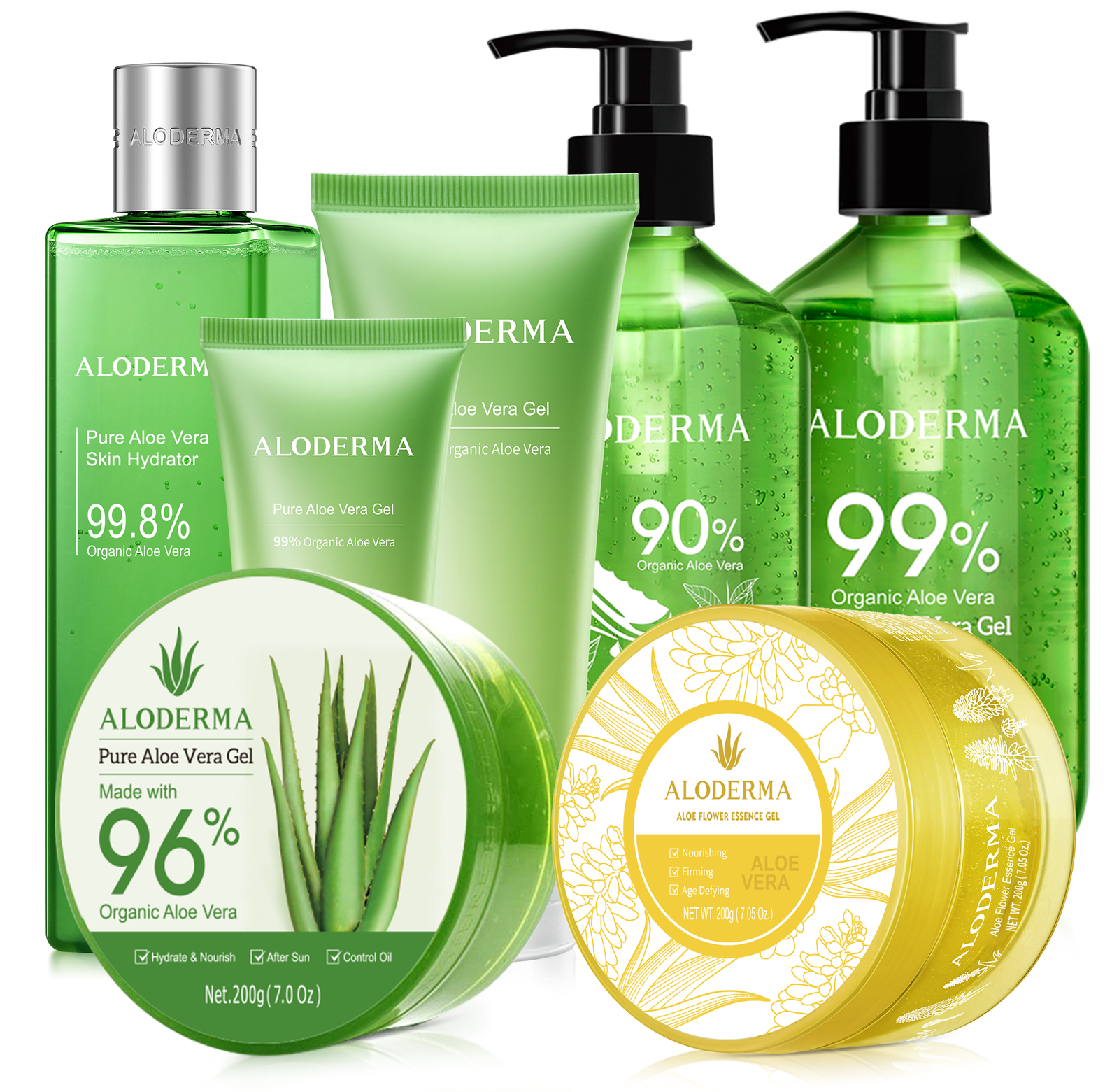
Aloderma is a vertically integrated aloe vera company that grows its own organic aloe, processes it onsite, and manufactures onsite within 12 hours of harvest so the aloe stays as bioactive as possible. That process gives the word “clean” something concrete behind it. You can trace the ingredient, understand how it was handled, and see why the formula starts where it does.
A farm-to-formula process also helps answer a question many shoppers have but rarely say out loud. Is this ingredient here because it does something useful, or because it looks good on the front label?
A trustworthy clean formula gives you a clear reason for its ingredient choices, starting with the very first one.
What that looks like in real life
Plenty of people have tried a shampoo that checked the right boxes on paper and still left their hair rough, tangled, or oddly coated. That usually points to formulation quality, not just ingredient exclusions.
Aloe-first formulas tend to make more sense for people who want hydration and a lighter wash experience. The point is not that aloe solves every hair concern or that every hair type needs the same formula. The point is simpler. When the first ingredient supports the product's job, the formula tells a believable story.
That is one of the clearest ways to separate clean branding from clean formulation.
How to Read Labels and Spot True Clean Beauty
Reading a hair care label gets easier once you stop trying to read everything at once. You're not looking for perfection. You're looking for signals.

Start with the first five ingredients
The first five ingredients usually tell you the most about what kind of product you're buying. If a shampoo says aloe on the front but aloe shows up far down the list, that tells you something. If it appears high on the list as Aloe Barbadensis Leaf Juice, that's a more meaningful sign than a vague plant claim.
Use this quick scan:
- First ingredient check: Is it water, aloe, or something else?
- Cleansing check: Do you recognize sulfate-based cleansers if you're trying to avoid them?
- Support ingredients: Are there conditioning or botanical ingredients that suggest the formula was designed for feel as well as cleansing?
- Buzzword test: Does the front label promise more than the ingredient list supports?
Learn the difference between a claim and a standard
Some words sound stronger than they are. “Natural.” “Pure.” “Botanical.” “Green.” These may describe a brand aesthetic more than a real formulation standard.
That's why certifications can help. Third-party certifications don't replace label reading, but they can give you another layer of confidence when a brand is transparent about sourcing and manufacturing.
You can also compare what a company says publicly about ingredient philosophy and sourcing. This clean beauty brands overview from Aloderma is helpful as a reference point for what transparency looks like when a brand explains standards instead of only repeating marketing language.
If a bottle makes big promises in three words, the ingredient list is where the truth usually shows up.
A short visual guide can make this even easier:
A quick label-reading checklist
When you're standing in a store or scrolling online, ask these questions:
-
What's the formula mostly made of?
The top of the list matters more than the front of the bottle. -
Does the exclusion list match your priorities?
If you're shopping for clean beauty hair products, many people start by checking for sulfates, parabens, phthalates, and mineral oil. -
Is the plant story specific?
“Contains botanicals” is vague. A clear ingredient name is more useful. -
Does the brand explain how it sources and makes products?
Transparency is part of what makes clean beauty feel credible.
Once you start reading labels this way, greenwashing gets a lot easier to spot. So do the brands that are trying to earn your trust.
Your Clean Hair Care Routine for Every Hair Type
You wash your hair, it feels good for a day, and then something is off again. Roots look slick by morning. Ends feel rough. Curls lose shape. Your scalp gets irritated by the third product you tried. A clean routine works better when you match the formula to your hair's actual behavior instead of chasing a label.
That shift matters because people are paying closer attention to how products perform, not just what they leave out. Grand View Research estimated the global natural hair care products market at USD 10.17 billion in 2024 and projected it to reach USD 16.99 billion by 2030, a 9.4% CAGR from 2025 to 2030, as summarized alongside clean beauty consumer interest by Statista.
A useful way to build your routine is to treat your scalp like the soil and your hair lengths like the plant. The scalp needs balance. The lengths usually need protection, softness, and enough conditioning to stay flexible. Once you separate those needs, clean beauty hair products get much easier to choose.
If your scalp gets oily fast
Fast oiliness usually calls for better cleansing, not harsher cleansing. If a shampoo removes too much, your scalp can feel tight and your hair may become harder to manage between washes.
Keep the routine simple:
- Wash as needed with a gentle cleanser
- Apply conditioner mainly through mid-lengths and ends
- Rinse thoroughly, especially around the scalp line
Fine hair often shows residue faster than other hair types, so texture matters as much as the ingredient list. If that coated feeling is your main issue, this guide to a fine hair conditioner without buildup is a useful companion read.
If your hair feels dry or rough
Dry hair usually needs a formula that cleans without leaving the cuticle feeling scraped raw, followed by a conditioner that adds slip and softness. The goal is not to make hair feel waxy or heavy. The goal is to help it bend without snagging.
Ingredient choice matters more than a long free-from list. A clean formula built around fresh, bioactive ingredients can support softness in a way that feels light and practical for everyday use. ALODERMA's aloe-centered hair care is a good example of that idea in action. Farm-grown aloe vera brings water-binding, soothing support to the formula, which makes sense for hair that feels thirsty but still needs bounce.
If your hair is curly, coily, wavy, or easily tangled
Slip is performance. If a conditioner does not help fingers or a wide-tooth comb move through the hair more easily, the clean label will not make up for that.
Use a routine that focuses on results you can feel after wash day:
- Prioritize slip in the conditioner
- Do not assume silicone-free automatically means better
- Judge the product by detangling, softness, and shape retention after drying
Some curl patterns also do better with less protein, especially when hair starts to feel stiff instead of springy. If that sounds familiar, this guide to a protein-free deep conditioner for softer, more flexible hair can help.
If your scalp is easily bothered by strong formulas
Shorter routines often work better here. Fewer layers mean fewer chances for fragrance, harsh surfactants, or styling residue to pile up and cause problems.
Start with three basics: a gentle cleanser, a straightforward conditioner, and one styling product only if you need it. Then give the routine a couple of weeks before changing everything at once. That makes it easier to tell what your scalp likes.
The best clean routine is usually the one that feels calm, repeatable, and easy to live with. Clean hair care does not need to be complicated. It needs to make sense for your scalp, your strands, and the ingredients doing the work.
Beyond the Bottle Sustainability in Clean Hair Care
Ingredient lists matter, but they're not the whole story. A product can look clean in the formula and still raise questions about packaging, sourcing, or manufacturing. Many shoppers now think about hair care more broadly than that.
ESW reports that clean beauty sales jumped 33% in the first half of 2021, reaching $1.6 billion, and the same source says a 2021 NielsenIQ survey found 40.2% of consumers ranked natural ingredients as the most important factor in beauty purchases, with environmental responsibility and reusable packaging also standing out in decision-making. ESW also cites Statista Research projections that the overall clean beauty market would reach $22 billion by 2024, which helps show why sustainability has become part of the clean conversation rather than a side note. You can see those figures in ESW's clean beauty market overview.

What sustainability looks like in practice
A cleaner hair care choice often includes more than one of these:
- Responsible packaging that can be recycled or uses bio-based materials
- Clear sourcing practices so ingredients aren't just decorative talking points
- Cruelty-free standards for shoppers who want ethical alignment
- Thoughtful manufacturing that supports the overall values behind the formula
Paul Mitchell's clean collection, for example, says its packaging is made from 90% sugarcane and recyclable bio-based materials, which shows how packaging choices can become part of a clean positioning when a brand states them clearly in its product materials. That kind of detail is more helpful than vague words like “earth-friendly.”
Why the bigger picture matters
A clean beauty routine feels more coherent when the values match from start to finish. If you care about gentler formulas, it makes sense to care about the container, the sourcing story, and whether a brand is transparent about how products are made.
This is also where farm-grown ingredients become more meaningful. When a company controls cultivation and processing closely, the supply chain tends to feel less abstract. You're not buying a random blend with a nature-themed label. You're buying into a process that's easier to understand.
Clean beauty makes the most sense when the formula, the packaging, and the production choices all point in the same direction.
That doesn't mean every purchase has to be perfect. It means every bottle is a chance to choose a little more intentionally.
Embracing Your Clean Beauty Hair Journey
You pick up a shampoo that says "clean," flip it over, and still feel unsure. The ingredient list is long, the promises sound similar, and the essential question remains simple. Will this help your hair and support your scalp?
That question becomes even more important for curly, coily, textured, or frizz-prone hair, where results are easy to feel and hard to fake. As highlighted in UCSB's coverage of textured-hair clean beauty concerns, performance remains the central issue. A product can sound gentle and still fall short if it leaves curls dry, reduces slip, or makes detangling harder.
Clean beauty is easier to stick with when you treat it like learning your hair's language. One product gives moisture. Another gives hold. A better formula does both without loading the scalp with ingredients that feel heavy, irritating, or unnecessary. That is why the strongest clean products are usually specific about what they include, not just what they leave out.
A simple starting point helps:
- Read the first five ingredients
- Look for a clear reason behind the formula, especially for moisture, cleansing, or scalp comfort
- Pay attention to how your scalp feels a day or two later, not just right after washing
- Keep the products that make your hair easier to live with
Fresh aloe vera is a good example of what "clean" can look like in practice. It is not there to decorate the label. It can help bring water-rich hydration and a soothing feel to the scalp, especially when it is used as a meaningful part of the formula instead of a trace ingredient added near the bottom. Farm-to-skin production makes that idea more tangible. ALODERMA grows its own organic aloe vera and processes it within 12 hours of harvest, which gives shoppers a clearer picture of where the ingredient comes from and how fresh, bioactive plant material becomes part of daily hair care.
Small changes usually work better than a total routine overhaul.
If you're also trying to make your routine more planet-minded beyond hair care, these eco-friendly tips for daily life are a practical place to start.
Ultimately, clean beauty does not need to feel strict or performative. It can be practical, personal, and grounded in products that do their job well. A clearer label, a better first ingredient, and honest results are often enough to move your routine in the right direction.
If you want a clean beauty approach built around ingredient transparency and farm-fresh aloe vera, explore ALODERMA. The brand grows its own organic aloe vera, processes it onsite within 12 hours of harvest, and uses that fresh aloe as the foundation of its formulas, which makes it a useful reference point if you care about where your ingredients come from and how they're handled before they reach your routine.