





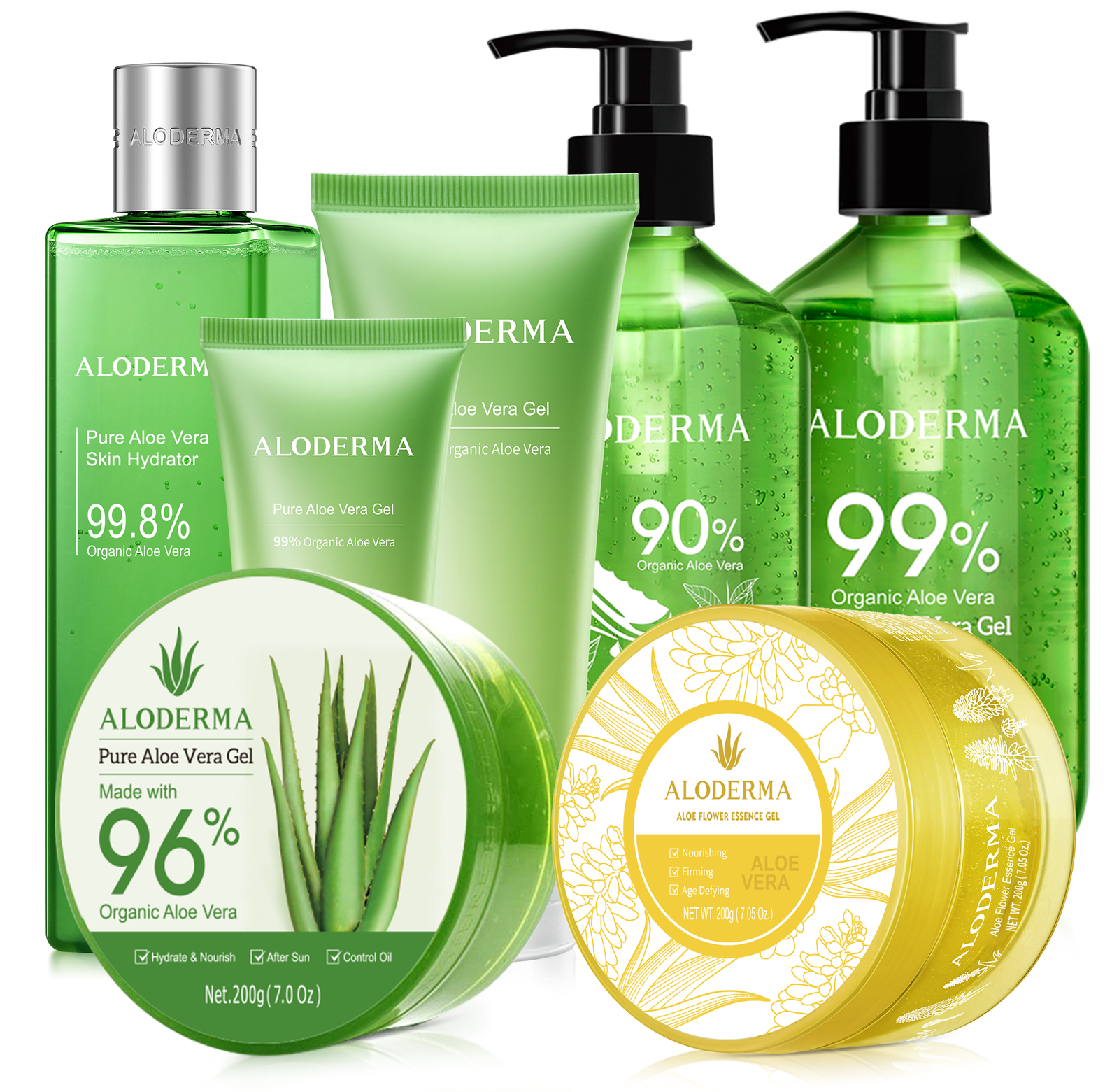


You're standing at the sink, half-awake, with three bottles in front of you and no real idea which one matters most. Cleanser, toner, moisturizer. Most mornings, that's the moment where a face cleansing routine either becomes simple and consistent or turns into a confusing grab-bag of products that never quite fits real life.
The fix is not a longer routine. It's a smarter one. A good routine starts with gentle cleansing, then uses the rest of your products to support skin that feels comfortable, not stripped, tight, or overworked. That's why I lean toward fresh, aloe-forward formulas and a routine that responds to what your day threw at your skin, not some rigid beauty rule that ignores makeup, sunscreen, sweat, and city grime.
If you want a simple place to start, a hydrating cleanser built around aloe is a better foundation than piling on more steps. A useful reference is this guide to a hydrating cleanser, because the first product you choose decides whether the rest of your routine feels effortless or annoying.
The Three Bottles on Your Sink
The sink setup tells the story. One bottle promises a fresh start, one suggests a reset, and one sits there like a safety net for later. Failure isn't about laziness; it comes from never having been taught that cleansing is the part that makes everything else work.
A clean face should feel clean, not punished. That's the line I care about. If a cleanser leaves your skin tight or squeaky, it's too aggressive for daily use, and no amount of fancy serum can fully make up for a rough first step. A simple aloe-led routine wins because it lowers the friction. You use it more consistently, you stop second-guessing every product, and your skin gets the same calm signal every time.
Start with less, then build only if you need it
A strong routine doesn't need a crowded shelf. It needs a dependable cleanser, a moisturizer that doesn't feel heavy, and a morning finish that protects the skin. That's the structure I trust because it's repeatable on rushed weekdays and lazy Sundays alike.
Practical rule: if you hesitate every morning, the routine is too complicated.
That's where fresh aloe earns its place. In a good cleanser, it should feel like the first quiet step that gets skin ready, not the last extra product you reach for after everything else has gone sideways. If you choose formulas that are light, gentle, and easy to rinse, you're more likely to keep using them.
The goal is consistency with comfort. Not more bottles. Better ones.
Why Most Routines Break Before They Begin
Most cleansing problems start with confusion, not effort. A published release on a U.S. national survey of 1,000 adults reported that 80% of Americans said they made at least one common mistake when cleansing their face, and 60% said they felt uninformed about proper cleansing methods national study on face-washing mistakes. That is a wide gap between what people want and what they do.
The same survey also found that 52% used bath wash or hand soap on their face, more than one-third used only water, 54% often skipped washing before bedtime, and 65% did not know what ingredients to look for in a facial cleanser. Once the cleanser is wrong, the whole routine starts off off-balance. People either strip the skin, barely clean it, or keep buying products they do not understand.

Read your day, not a trend
Exposure should decide the cleanse. A bare-faced morning at home is not the same as a day spent in sunscreen, transit, and office air. A workout day is different again. Your skin does not need the same response for every day.
Use the day itself as the guide. If you wore more product and picked up more buildup, your routine should answer with a fuller cleanse. If your skin had little contact and little product, keep it simple. That is where a gentle aloe cleanser from how to build a skincare routine with ALODERMA fits naturally, especially if you want freshness without heaviness.
Practical rule: match the cleanse to the day, not to the hype.
Your Morning and Evening Cleansing Flow
Morning cleansing should be fast and gentle. If your skin feels fine, a light rinse may be enough. If you wake up oily or sticky, use a mild cleanser with lukewarm water and keep your hands soft. No scrubbing. No drama. The point is to wake the skin up, not erase it.
The evening cleanse matters more. That's the one that clears off the day's sunscreen, makeup, sweat, and city residue so your skin can breathe without leftover buildup. Dermatology guidance says to wash no more than twice daily plus after sweating and to use gentle, non-abrasive cleanser, lukewarm water, and fingertips only, according to the American Academy of Dermatology's face-washing guidance AAD face washing basics. That is the standard I'd follow.
The mechanics that actually matter
Use lukewarm water. Massage the cleanser in light circles. Give it about 60 seconds so the product covers the skin well, then rinse and pat dry. A short contact window is enough for a cleanser to do its job without dragging the routine out or encouraging over-cleansing, a practical benchmark repeated across expert cleansing guidance 60-second cleanser contact window.
If you wear makeup or sunscreen, remove it first when needed, then cleanse. That's where a smooth, aloe-based cleanser fits nicely, because it supports the skin while you're getting the day off your face. For readers building a larger routine, a useful companion is how to build a skincare routine, since cleansing only works when the next steps are simple too.
A good rinse should end with soft skin, not a tug-of-war. Follow with moisturizer, and don't keep going just because the bathroom counter is crowded.
When Single Cleansing Is Enough and When to Double
Single cleansing is enough on a low-build day. If you wore no makeup, used a light SPF, and didn't spend hours in sweat or heavy city air, one gentle cleanse is usually the right move. Don't overcomplicate a clean day just to feel like you did more.
Double cleansing earns its place when the day leaves more behind. Long-wear foundation, a sweaty gym session, or a heavy commute in sunscreen and pollution all leave different kinds of residue. In those cases, an oil or cream first cleanse can break down the top layer, then a gentle water-based cleanser finishes the job without forcing you to scrub.
Use the residue test, not the trend
You don't need an influencer script. You need a simple sign. If your skin still feels filmy after rinsing, or makeup has slipped toward the hairline and around the nose, that's a clue the first cleanse didn't fully clear the day. On those days, a second cleanse is not extra, it's practical.
A cleansing balm can work well as the first step, especially if you wear makeup regularly, because it helps dissolve the stuff that water alone won't lift. If you want a quick consumer-facing reference for whether CBD products belong in a broader self-care shelf, this is a useful read on is CBD safe to use from HempWell USA, even though cleansing itself should stay focused on what your skin needs.
A second cleanse should remove what the first one loosened, not strip the skin to prove a point.
The cleanest decision rule is this. If your day was light, keep it to one cleanser. If your day had real buildup, use two steps and make the second one gentle. That's it.
Adapting the Routine for Sensitive, Oily, and Blemish-Prone Skin
Sensitive skin does better with fewer moving parts. Use cooler lukewarm water, keep massage time short, and choose a cleanser that feels calm on contact. The goal is not to chase a squeaky finish. It's to leave the face comfortable enough that you're not tempted to skip moisturizing because cleansing already felt like too much.
Oily skin needs consistency, not punishment. People often think they should cleanse harder and more often, but that usually backfires. Stick to gentle cleansing twice a day, and let a lightweight aloe-based formula do the work instead of piling on harsh products that make the skin feel under siege.
Blemish-prone skin responds better to rhythm than aggression. The 2007 randomized clinical trial comparing washing the face twice daily versus once daily with a mild cleanser found the twice-daily group had significant improvements in open comedones and total noninflammatory lesions, while the once-daily group worsened in erythema, papules, and total inflammatory lesions, according to the study record twice-daily cleanser trial. That's old but useful evidence. Regular, gentle cleansing beats neglect and roughness.
Skin-type tweaks that actually help
- Sensitive skin: keep the cleanser simple, rinse gently, and stop rubbing with towels or cloths.
- Oily skin: cleanse twice daily, but don't escalate to a harsher formula just because your skin looks shiny by noon.
- Blemish-prone skin: stay steady. Cleanse after sweating, use fingertips only, and avoid turning every wash into a scrub session.
For readers who want a product-focused reference, the cleansers for sensitive skin guide is worth a look because it keeps the decision narrow instead of overwhelming.
Cleansing Mistakes That Quietly Undermine Your Skin
Hot water feels good in the shower and rough on the face. It strips away comfort fast, and that tight, dry feeling afterward is your skin asking for a cooler rinse. Lukewarm water gets the job done without turning cleansing into punishment.
The biggest mistake is using the wrong cleanser for the wrong surface. Bar soap and body wash belong on the body, not your face, and the same 2017 survey noted earlier found that many adults still use bath wash or hand soap on their face. That habit usually comes from not knowing what to look for in a cleanser, which is exactly why ingredient literacy matters.
What to stop doing right now
- Stop using hot water: it leaves skin feeling tight and stripped.
- Stop scrubbing with cloths or brushes: fingertips are enough for daily cleansing.
- Stop skipping the night cleanse: sweat, sunscreen, and city grime do not vanish just because your face looks fine.
- Stop choosing a cleanser by fragrance alone: a gentle aloe-forward formula is usually the smarter pick.
A simple example makes this clear. If you shower after a workout and then scrub your face hard because you feel sweaty, you are overcorrecting. A gentle rinse and a mild cleanser would have handled it with less stress on the skin barrier.
Water quality can change how your skin and hair feel after washing, which is why the dermatologist take on hard water hair is a useful reminder to keep both water temperature and cleansing habits under control. Keep the face routine calm, and scan labels for aloe near the top instead of treating it like a decorative afterthought.

A Simple Plan You Can Start Tonight
Start with two cleanse times, morning and night. Keep the evening cleanse a priority, and wash after heavy sweating. Use the 60-second massage window, lukewarm water, and fingertips only. If the day was light, one gentle cleanse is enough. If the day was heavy with SPF, makeup, sweat, or city buildup, add a first cleanse and then finish with a water-based one.
Choose three things and ignore the rest. A gentle cleanser for daily use. An aloe-forward cleanser or first step that helps loosen buildup without making skin feel stripped. A lightweight moisturizer to seal everything in. That's the routine I'd trust because it's simple enough to repeat and calm enough to keep.
The freshness of aloe matters more than most shoppers realize. Aloderma is a fully vertically integrated aloe vera company, grows all of its own organic aloe vera, and processes and manufactures onsite within 12 hours of harvest, so the primary ingredient in every one of its products is meant to stay as bioactive and effective as possible. If you're comparing ingredient lists, check the product details on Aloderma.com and choose the formula that fits your skin instead of chasing a trendy texture.
A good cleansing habit should feel almost boring once it's working. That's the point. It protects your skin without demanding your attention every minute of the day.
If you want a cleanser routine built around fresh aloe and simple daily use, explore ALODERMA and look closely at the ingredient lists on the cleansers, hydrators, and moisturizers. You'll find straightforward formulas that fit a face cleansing routine without turning your bathroom shelf into a project.