



You’re probably here because your skin feels stuck in a loop. By noon, your forehead looks shiny again. Tiny bumps keep coming back around your nose or chin. You try a “gentle” cleanser and it feels like it does nothing. You try a stronger one and your face feels tight, hot, or overworked.
That’s where a face wash with salicylic acid can make a real difference.
Salicylic acid has a reputation for helping oily, congested skin, but a lot of people still get confused about how to use it without making their skin angry. The truth is simple. It’s not just about choosing the strongest formula. It’s about choosing the right concentration, using it at the right pace, and making sure the rest of the formula supports your skin instead of stressing it out.
Why Salicylic Acid Is a Game-Changer for Oily Skin
A common story goes like this. You wash your face in the morning, your skin feels fresh for an hour or two, and then the shine returns. By evening, your pores look more noticeable, and those stubborn blackheads on your nose still haven’t budged.
That’s exactly why salicylic acid became such a staple for oily and blemish-prone skin. It doesn’t just wash away surface oil. It helps deal with the buildup that keeps pores looking stretched, rough, and congested. Exfoliating face washes with salicylic acid now make up 70% of the exfoliator market, and clinical research cited by KIPI’s cleanser statistics overview found a 6.47% statistically significant improvement in skin texture after one week.
That kind of quick feedback matters. When someone’s been trying random products with no clear result, even a small visible shift can feel encouraging.
Why oily skin needs a different kind of cleanser
If your skin gets slick fast, a basic face wash may remove sweat and surface grime without doing much for what’s sitting deeper in the pore. Salicylic acid is popular because it’s designed for that oily environment.
Two situations often overlap:
- Your skin looks shiny early in the day and makeup or sunscreen seems to slide around.
- You keep getting clogged pores even when you’re washing consistently.
For some people, oiliness can also connect to bigger hormone patterns. If that’s part of your picture, Salus Natural Medicine’s article on PCOS and insulin resistance is a helpful read for understanding why skin changes don’t always start at the surface.
Oily skin isn’t “dirty skin.” Usually, it’s skin that needs smarter pore care, not harsher scrubbing.
If you want a broader primer on what tends to work well for shine-prone skin, this guide to the best ingredients for oily skin is useful before you shop.
How Salicylic Acid Actually Clears Your Pores
The easiest way to understand salicylic acid is to think of it as a smart key for oily pores.
Some ingredients work mostly on the skin’s surface. Salicylic acid is different because it’s oil-soluble. That means it can move through the oil sitting in your pores and work where clogs form.

What it does once it gets inside the pore
Inside a congested pore, you usually have some mix of oil, dead skin, and debris. Salicylic acid helps loosen that mix so it doesn’t stay packed in place. That’s why it’s often a better fit for blackheads and general congestion than a scrub with rough particles.
A peer-reviewed study in PMC describes this mechanism clearly. As an oil-soluble molecule, salicylic acid penetrates into sebum-filled pores to exfoliate from within. In that clinical research, this was associated with over 23% sebum reduction and over 40% increased hydration in 21 days, alongside improved barrier function.
That last point surprises a lot of people.
Many assume exfoliating automatically means drying. But a well-formulated cleanser doesn’t have to leave your face stripped. In short-contact wash-off products, salicylic acid can help clear the pore while the rest of the formula helps keep skin comfortable.
Why blackheads can be stubborn
Blackheads aren’t dirt trapped in a hole. They’re clogged material in the pore opening that darkens when exposed to air. That’s why rubbing harder usually doesn’t solve the problem.
A face wash with salicylic acid helps more when you use it consistently and gently:
- You apply it to damp skin so it spreads evenly.
- It moves into oily areas like the nose, forehead, and chin.
- It loosens dead skin and sebum that are crowding the pore.
- You rinse away what’s ready to lift off, then repeat over time.
If you’re trying to figure out why your pores seem clogged no matter what you do, this explainer on what ingredients clog pores can help you spot product choices that may be working against you.
Practical rule: Don’t judge salicylic acid by one wash. Pore clearing is usually about steady use, not one dramatic cleanse.
Finding the Right Salicylic Acid Concentration for Your Skin
When people shop for a face wash with salicylic acid, they often jump straight to the percentage and assume higher must be better. That’s not how it works in real life.
The usual over-the-counter range is 0.5% to 2%, and each level can make sense depending on your skin.
What lower strengths are good for
If your skin gets reactive easily, or you’re completely new to acids, a lower strength can be a smart entry point. It often fits people who want help with occasional congestion, mild roughness, or maintenance after their skin has improved.
A lower concentration can also make sense if:
- Your cheeks get dry but your T-zone gets oily
- You already use other active products
- You want a cleanser you can use more often without stressing your skin
When 2% makes sense
According to Ningcos’ review of salicylic acid cleanser concentrations, 2% is considered the over-the-counter gold standard for effectiveness in salicylic acid washes. The same source points to research showing benefits for sebum control, hydration, and barrier support, with minimal side effects for most users, including many with sensitive skin.
That sounds impressive, but there’s an important catch. The full formula matters as much as the percentage.
A badly designed 2% cleanser can feel rough and leave your skin tight. A thoughtfully built formula with supportive ingredients can feel much easier to use.
A simple way to choose
Here’s a practical framework:
| Skin situation | Better starting point |
|---|---|
| Mild oiliness, occasional clogged pores | 0.5% to 1% |
| Sensitive but blemish-prone skin | Lower strength, used less often |
| Stubborn blackheads and persistent congestion | 2% |
| You’ve overdone acids before | Lower strength and slower frequency |
Higher strength isn’t automatically the best choice. The best cleanser is the one your skin will actually tolerate long enough to help.
If you’ve ever bought a “strong” face wash and quit after three uses, you already know this is true.
Your Guide to Using a Salicylic Acid Cleanser Safely
The biggest mistake people make with salicylic acid isn’t choosing the wrong product. It’s using the right product too aggressively.
A calmer start usually gives better results.
Start slower than you think you need to
If you’re new to a face wash with salicylic acid, patch test first. Then begin a few times a week instead of jumping straight into frequent use. That gives you a chance to see how your skin responds before you add more.
A good beginner routine looks like this:
- Wash with lukewarm water. Hot water can make skin feel more stressed.
- Use a small amount of cleanser and massage gently.
- Keep contact short rather than leaving it on like a mask.
- Rinse well and moisturize right away.
- Wait and observe before increasing frequency.
What results to expect, and when
According to Minimalist’s guide to salicylic acid face wash benefits, salicylic acid cleansers can lead to 30% to 50% fewer non-inflammatory blemishes after 4 to 6 weeks, and they show 40% less barrier compromise than 10% benzoyl peroxide alternatives.
That’s helpful for two reasons. First, blackheads and small clogged bumps usually don’t disappear overnight. Second, salicylic acid can be a more comfortable daily option for many people than harsher acne washes.
If your skin feels squeaky, tight, or over-dry after cleansing, don’t push through it. Cut back and simplify.
What not to combine right away
When people get excited about fixing breakouts, they often stack too much at once. That’s when trouble starts.
Hold off on layering your new cleanser with multiple other strong exfoliating products in the same routine, especially at the beginning. Keep the rest of your routine plain and supportive until you know your skin is handling the cleanser well.
This walkthrough gives a useful visual on technique and pacing:
A safer mindset
Think of salicylic acid as a long game. You’re training your routine to keep pores clearer over time, not trying to strip your skin into behaving.
That usually means less friction, fewer extra actives, and more patience.
How to Choose a Gentle and Effective Salicylic Acid Cleanser
At this point, the shopping question becomes clearer. You’re not just looking for salicylic acid. You’re looking for salicylic acid in a formula that respects your skin.
That matters even more if your skin is both oily and reactive, which is a very common combination. Many guides talk about clearing pores, but they skip the part that makes consistent use possible: supportive, hydrating ingredients.
According to Women’s Health’s roundup of salicylic acid cleansers, the missing piece for many sensitive users is pairing salicylic acid with soothing hydration. That source notes that formulations with high concentrations of fresh, bioactive aloe can help counter potential dryness, which matters for the 40% of people with blemishes who also report skin sensitivity.
What to check on the label
Don’t stop at the front of the bottle. Turn it around and look at the full formula.
Here’s a simple checklist:
| Look For These: | Avoid These: |
|---|---|
| Salicylic acid in a gentle cleanser base | Formulas that feel harsh or overly stripping |
| Aloe-rich hydration | Heavy, residue-prone textures if your pores clog easily |
| Supportive ingredients that help skin stay comfortable | Overly aggressive product pairings in the same routine |
| A texture you’ll actually enjoy using consistently | A “stronger is always better” mindset |
Why formula balance matters so much
A good cleanser should leave your skin feeling clean, not punished. If your face feels rough, tight, or uncomfortable every time you wash, the cleanser may be asking too much of your skin.
That’s especially true when someone says, “I have oily skin, but everything for oily skin feels too harsh.” Usually, they don’t need a stronger active. They need a better-balanced formula.
For people in that exact situation, this guide on face wash for oily sensitive skin helps narrow down what to prioritize.
A cleanser only works if you can keep using it. Comfort isn’t a bonus. It’s part of effectiveness.
Think beyond the acid itself
The smartest choice usually comes down to three questions:
- Can this cleanser clear pores without making my skin feel raw?
- Can I use it consistently enough to get results?
- Does the whole formula support my skin, not just target one problem?
If the answer is yes to all three, you’ve probably found a much better fit than the harsh “acne wash” approach many people start with.
Common Questions About Salicylic Acid Face Wash
Can a face wash with salicylic acid make skin purge
It can bring congestion to the surface as your pores start clearing, but if your skin becomes very uncomfortable, overly dry, or persistently irritated, that’s a sign to slow down instead of trying to push through.
Can I use it every day from the start
Some people can, but most do better starting slowly. A few times a week is a safer place to begin, especially if your skin is sensitive or you already use active products.
Should I use it in the morning or at night
Night is often easier for beginners because you’re washing off the day’s oil, sunscreen, and buildup. But either time can work if your skin is happy with it.
What should I avoid layering with it at first
Avoid using a lot of other strong exfoliating products in the same routine until you know your skin tolerates the cleanser well. Keep things simple.
Is it only for acne
No. It can also help with rough texture, visible congestion, and blackheads. Some people use it mainly because their skin feels bumpier or oilier than they’d like, even without frequent breakouts.
What if my skin is oily and sensitive at the same time
That’s exactly when product choice matters most. Look for a gentle cleanser base and supportive hydration so you’re not trading clearer pores for a stressed-out barrier.
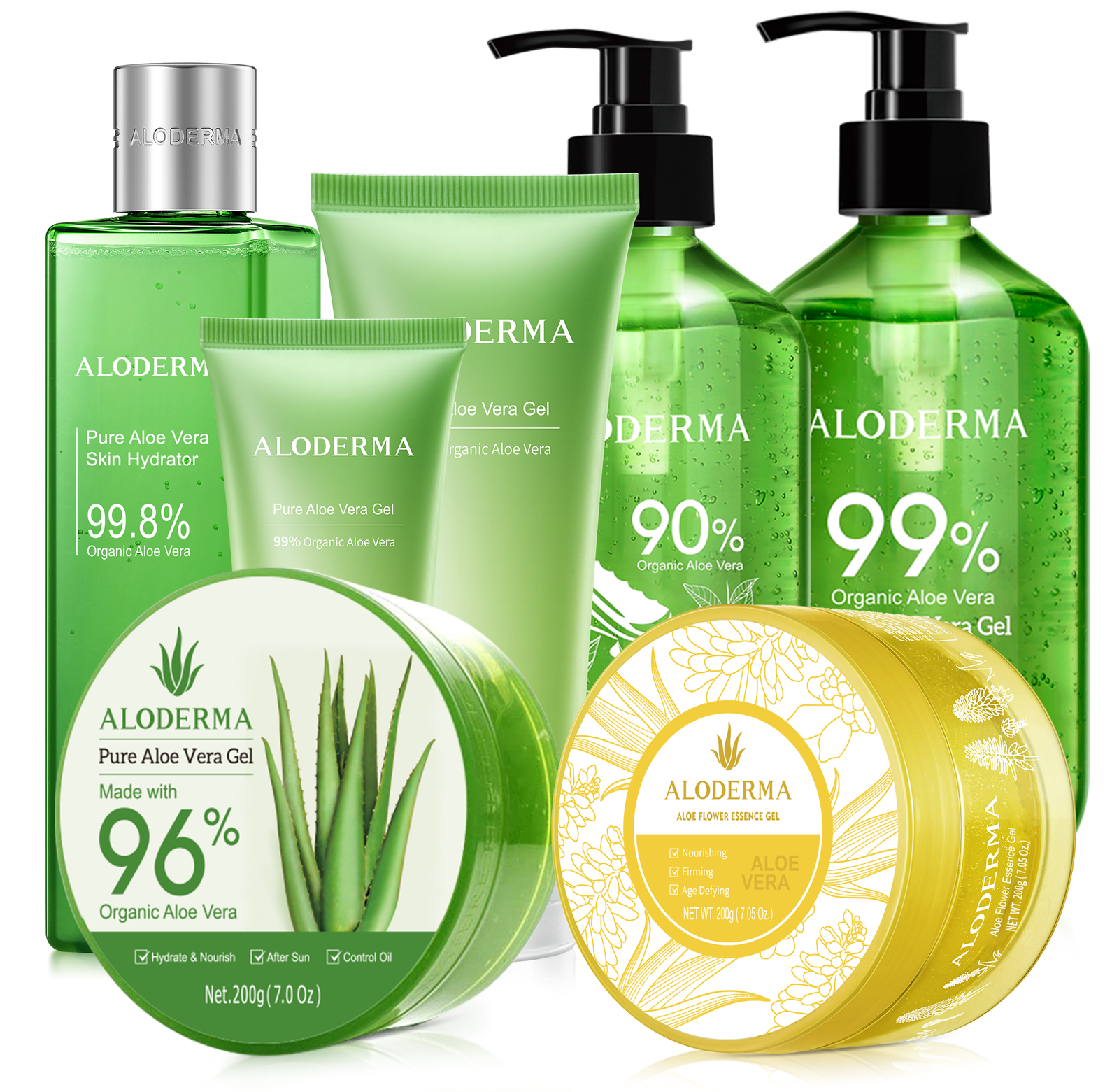
If you want a gentler way to care for oily, blemish-prone, or easily reactive skin, explore ALODERMA. The brand is a fully vertically integrated aloe vera company that grows its own organic aloe vera, processes it onsite within 12 hours of harvest, and uses that fresh, bioactive aloe as the primary ingredient across its skincare line. That farm-to-skin approach is especially appealing if you want lightweight hydration and daily comfort alongside pore-focused cleansing.