







You're running late, the mirror is already telling on you, and the face you left the house with has started to break apart before you've even had a proper lunch. The nose goes shiny first, the under-eye area starts creasing, and whatever looked fresh in the bathroom feels like it's sinking into your skin by noon. That's the problem behind how to make makeup last all day. It's not usually a foundation problem, it's a preparation problem, and that's why the fix starts before the first swipe of color.
Why Makeup Fades Before Lunch
The clients who sit in my chair saying “my makeup never lasts” usually blame the wrong step. They reach for a heavier foundation, dust on more powder, or keep adding concealer, then wonder why the face looks even more textured and still gives out by midday. The pattern is familiar because daily life wears makeup down in the same places every time, through humidity, natural oils, movement, and friction.
MAC's global senior artist Dominic Skinner described a long-lasting base in Cosmopolitan UK's coverage as “70% preparation and 30% application”. That matches what shows up backstage. If the skin underneath is not clean, hydrated, and settled, the best foundation has to fight the surface instead of sitting with it.
Practical rule: if makeup starts fading fast, the problem is usually not too little product. It is that the skin underneath was not ready for the product.

The same thing happens to the commuter with a shiny T-zone, the wedding guest under hot lights, the office worker touching their face all afternoon, and the traveler moving between dry indoor air and heat outside. The products can change. The failure point usually does not. Makeup breaks when the surface changes after application.
Freshness matters before foundation ever touches the skin. A prep layer built with aloe can help keep that surface comfortable without feeling heavy, which is why a vertically integrated approach matters, especially from brands that get bioactive aloe into the formula within 12 hours of harvest. If you want a closer look at the prep step itself, how to prepare aloe vera explains the sequence well, and how to layer sunscreen properly is useful if sunscreen sits in your morning routine.
The useful shift is simple. Treat longevity as a surface condition you build first, then protect.
Building a Fresh Aloe Prep Layer
Start with a clean surface, not a stripped one
A good prep starts with a gentle cleanse. The goal is to remove overnight oil, skincare residue, and anything that would stop primer from attaching evenly, without leaving the skin tight or squeaky. If the face feels over-cleaned, the rest of the routine has to compensate, and that often shows up later as patchiness or extra shine.
Hydration comes next, and timing matters more than people think. In a basic routine, moisturizer needs a little time to absorb before makeup goes on, and that pause is part of the wear test. Ulta advises waiting about 1 minute after moisturizer before foundation, then finishing with setting spray held 6 to 8 inches away so it dries naturally, not disturbed by hand movement or fanning (Ulta).
Moist skin should feel cushioned, not slippery. If your base still moves under your fingers, it's too soon to add foundation.
Aloe-based prep makes practical sense here. A fresh, lightweight aloe formula supports that comfortable hydrated surface without feeling heavy, which matters when the goal is all-day wear rather than a greasy film. For readers who want a deeper breakdown of prep sequencing, how to prepare aloe vera is a useful reference point.
Prime for grip, not just blur
Primer is the third step because it creates a bridge between skincare and makeup. It should help the next layer stay where you put it, not just blur texture for a few minutes and disappear. WebMD notes that artists recommend letting moisturizer and primer soak in before foundation, then using translucent powder to lock the look in place, which is the logic I follow backstage when skin needs to survive heat and movement (WebMD).
If you're layering sunscreen under makeup, the order matters there too. A helpful resource on how to layer sunscreen properly can keep that step from turning into a slick, unstable base.
The best routine is boring in the right way. Cleanse. Hydrate. Wait. Prime. Then work in thin layers. When you rush those steps, the rest of the face spends all day correcting the mistake.
Choosing Formulas That Actually Stay Put
Clients ask for a product list, but the formula choice comes first. A long-wear or transfer-resistant foundation behaves differently from a dewy one because the film it leaves on skin is built for wear, not just finish. Primer and powder work the same way. Pick textures that cooperate, or they fight each other on the face.
Read labels with intent. Long-wear, waterproof, and transfer-resistant tell you more than a polished campaign photo ever will. Macy's beauty guidance recommends building all-day makeup around those product categories, then finishing with setting spray misted from about 6 to 8 inches away so the seal lands evenly (Macy's).
Formula archetypes for all-day wear
| Formula type | Best for | Watch out for |
|---|---|---|
| Long-wear foundation | Long workdays, events, commuting | Can look flat if skin prep is too dry |
| Transfer-resistant lipstick | Meals, glasses, light touch | Needs clean exfoliation under it, or it can catch on texture |
| Waterproof mascara | Heat, humidity, tears, outdoor wear | Removal has to be gentle, or lashes take a beating |
| Grip-style primer | Makeup that needs hold, not slip | Too much can pill if layered over wet skincare |
| Translucent powder | Shine control and setting | Overuse can dull dry skin fast |
The old cream-before-powder rule still matters. Lipstick Queen lays it out clearly, skincare first, then primer, foundation and concealer, setting powder, color products, and setting spray last, with cream products always before powder (Lipstick Queen). That order keeps color clean and stops layers from sliding into each other. Reverse it, and you end up forcing cream through powder, which usually means lifting, patchiness, or both.
If your face runs oily in one place and dry in another, a primer for combination skin helps you match the base to the area instead of using one finish everywhere.
Fresh prep matters as much as finish. A vertically integrated aloe source can help here because the brand controls the path from harvest to formula, and that keeps the prep layer lighter and more stable before makeup goes on. For readers who like to compare technique notes before buying, find beauty advice is worth a look.
A soft, breathable base in humid weather often outlasts a heavy matte face that starts breaking apart by midafternoon. The best formula match is the one your climate can live with.
The Layering Order That Locks Everything In

Thin layers win every time. When makeup falls apart early, the problem is usually a heavy first pass that never settled properly, not a lack of setting spray at the end. Thick product grabs at dry patches, slips on oily zones, and keeps shifting after application, so pressing product in and building it step by step holds up better than dragging on more coverage.
The order matters because each layer changes the one after it. Skin prep needs time to sink in. Foundation goes on in a thin coat. Concealer targets the spots that need help. Powder stabilizes the center of the face. Cream color products go down before powder finishes the look. Setting spray seals the surface.
The order that works backstage
- Prep skin. Foundation needs a smooth, settled surface, not damp skincare sitting on top.
- Hydrate lightly. A little cushion helps makeup wear more naturally than a dry, thirsty base.
- Build coverage thinly. Use a damp sponge or fingertip and press, don't drag.
- Spot correct. Place concealer where the face creases first, usually around the eyes and nose.
- Set the center. Use translucent powder across the face, then add a little more to the T-zone if needed.
- Add color. Cream blush or bronzer goes before the final powder seal.
- Seal with spray. Hold it 6 to 8 inches away and let it dry on its own, as Ulta advises (Ulta).
A common error is touching the face before each layer settles. That creates slip between layers, and slip is what makes makeup break apart later.
Good backstage habit: if the base still feels tacky, wait. Rushing the next step is one of the fastest ways to shorten wear.
A quick video reference can help if you want to see the timing and placement in motion.
For a closer look at skin prep order, this guide on the order skincare products should be applied is useful because makeup longevity starts with the skin side of the routine.
Adjusting the Routine for Your Skin Type
The mistake that wrecks long wear is treating every face the same. Oily skin, dry skin, sensitive skin, and blemish-prone skin break down in different ways, so the routine has to adapt without losing its shape.
Oily skin needs control in the right zones
On oily skin, shine usually shows up first in the T-zone, so the fix belongs there, not across the whole face. Keep the center of the face controlled, then leave the cheeks alone unless they need help. Heavy mattifying layers can look flat by midday, while lighter grip primers and blotting papers remove surface oil without building a crust that later separates.
A fresh prep layer matters here, too. If the skin underneath is balanced, the base does not have to fight through excess oil before lunch.
Dry or sensitized skin needs fewer harsh layers
Dry skin usually loses long wear for the opposite reason, the surface gets rough, and powder settles into every dry patch. I see this backstage all the time, the makeup can look polished at first, then start catching on texture once the skin drinks up too much of the prep.
Use hydration that settles, then let it sit before foundation. A thin, comfortable prep layer gives the base something to sit on, and that matters more than stacking extra powder later. With aloe-focused prep, the goal is freshness first, not forcing the skin into a dry hold.
Sensitive and blemish-prone skin need discipline, not drama
Sensitive skin responds best to restraint. Patch test new products along the jawline before they go anywhere near the full face, and keep fragrance out of the routine whenever possible. Clean tools matter just as much, because old product and oil transfer can irritate skin and shorten the life of the next application.
Blemish-prone skin also does better with lighter layers than with a heavy attempt to bury everything. Non-comedogenic formulas are useful, but so is application discipline, press product on where coverage is needed and leave the rest alone. That keeps the finish cleaner and reduces the chance of makeup breaking up around congestion.
The trade-off is straightforward. More mattifying product can hold shine down, but it can also create cracking and texture. More hydration can keep the skin comfortable, but too much slip can push makeup around. The right routine is the one that keeps the skin fresh, stable, and comfortable without making it look flat or overloaded.

Match the prep to the skin you actually have that morning, not the skin you wish you had.
Mistakes That Quietly Ruin Long Wear
The biggest myth in makeup is that more powder means more staying power. In practice, thick powder layers can make makeup look heavier and break down faster, especially once the face starts moving and warming up during the day. That is what I see backstage too. Once a base gets overloaded, every touch-up adds more texture instead of fixing the finish.
Skipping moisturizer because skin is oily is another mistake that backfires. Oily skin still needs hydration, or it can start feeling dry underneath the surface and push more shine later in the day. Use a lighter moisturizer, let it settle, then move on to primer. That keeps the skin fresher before foundation ever goes on, which matters more than trying to force everything into place later.
The mechanical mistakes are just as costly. Foundation applied over a primer that has not settled can slide around instead of gripping. Rubbing with a tissue lifts pigment and disturbs the base you already built. Dirty brushes and sponges drag old product and oil back onto the face, which shortens wear and makes the finish look uneven.
Small swaps that fix the problem
- Replace heavy powder layers: Set the face lightly, then go back to the T-zone only if shine returns.
- Replace rubbing with pressing: Blot with tissue or blotting paper instead of wiping makeup off.
- Replace fast stacking with settling time: Give moisturizer and primer time to absorb before foundation.
- Replace old tools with clean ones: Wash brushes and sponges regularly so yesterday's residue does not interfere with today's base.
- Replace face oil as a refresh: Reach for blotting papers first, then add product only where needed.
One more habit does more damage than people expect. Adding foundation over setting spray, or trying to repair a base that is already shifting, usually makes the breakdown worse. Once the film loses its structure, less product is the better move. Add too much on top of a moving surface, and the whole face starts looking patchy instead of refreshed.
Midday Touch-Ups That Take Under Five Minutes
By afternoon, most makeup doesn't need a full rebuild. It needs a quiet reset. The fastest rescue is always press first, then add product only where the face changed.
Start with a clean tissue or blotting paper and press the shiny area, usually the nose, forehead, or chin. Don't rub. Rubbing shifts pigment and breaks the base you already built. After that, use a small amount of translucent powder only on the spots that need it, not the whole face.

The quickest rescue kit
- Blot shine from the T-zone. Start with removal, not more product.
- Dab concealer on any redness. Keep the layer thin so it doesn't collect.
- Lightly press blush onto cheeks. Pressing keeps color visible without dragging the base.
- Reapply a single coat to lashes. Mascara touch-ups work best when you rebuild only what faded.
- Mist face from arm's length. A light spray helps the surface re-set without soaking it.
Lip refreshes should stay just as light. A thin layer of balm under the existing color is usually enough to revive comfort without erasing the lip shape. Brows need even less, a quick spoolie pass and a single stroke of tinted gel can put them back in place without turning them stiff.
If you carry a small kit, keep it practical: blotting papers, a pressed powder, a travel spray, a tinted lip balm, and a spoolie. That covers most long days, from meetings to dinners to summer events, without weighing down your bag.
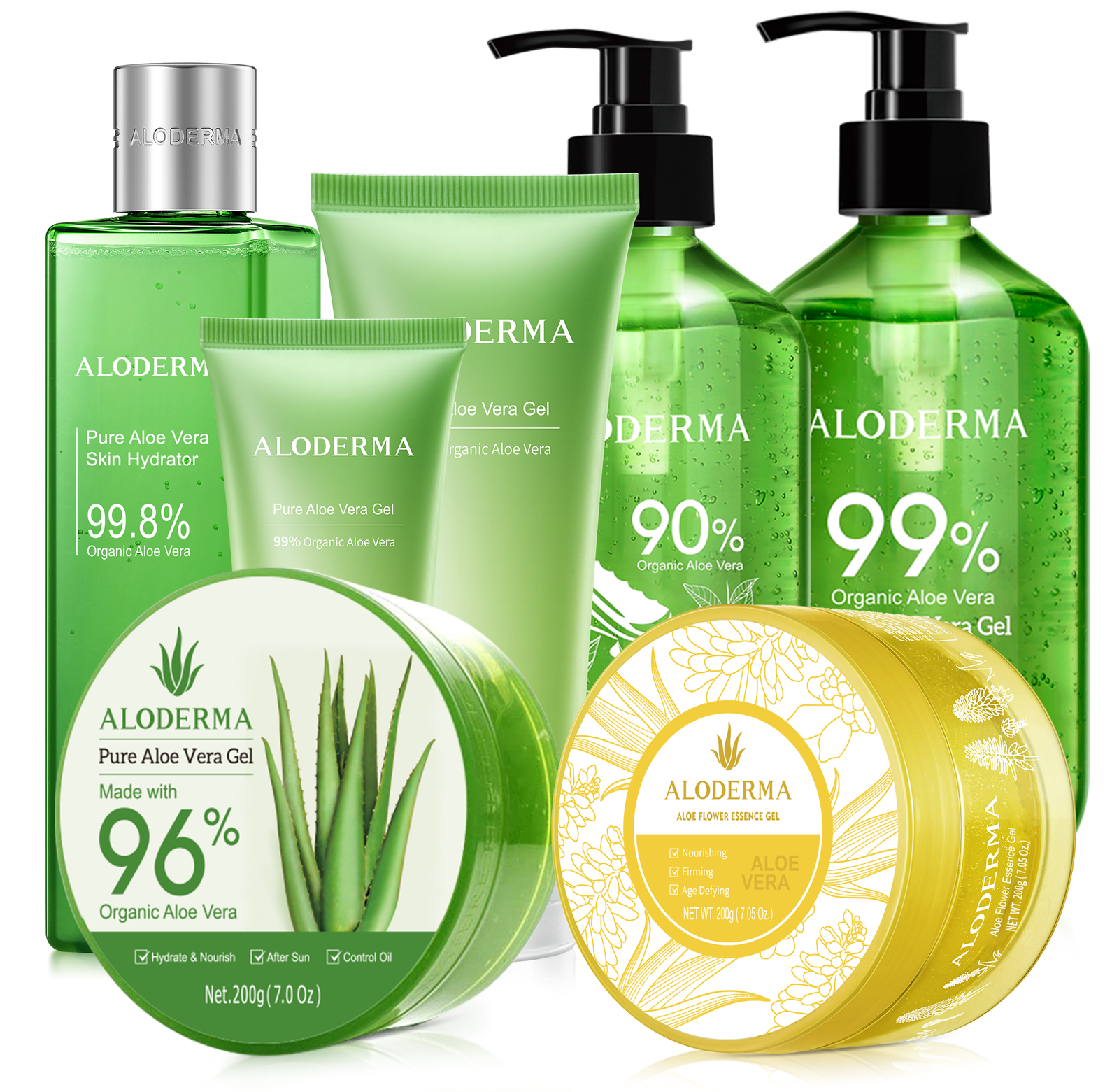
The best how to make makeup last all day routine is the one that keeps the face fresh before the product ever has to fight for space. If you want skincare that puts real prep first, visit ALODERMA and look through the fresh aloe formulas, especially if you want a lightweight base that supports makeup wear instead of competing with it.