







You run your fingers through your hair, glance at the ends, and there they are again. Tiny forks, rough tips, that dry look that makes even freshly washed hair feel tired. It’s frustrating because you may already be doing a lot right. Maybe you use a mask, avoid rough brushing, or smooth on serum, yet the fraying keeps coming back.
That’s usually the moment people start thinking split ends are just something they have to live with. They’re not.
The missing piece is that most advice starts too late. It focuses on the last inch of hair after damage has already shown up. A more helpful way to think about how to prevent split ends is to start higher up, at the scalp, where your hair’s moisture story begins. Healthy ends usually come from a routine that supports the whole strand, not just the tips.
If you like natural care, you might also enjoy this guide on how to prevent split ends naturally, especially if you’re trying to simplify your routine instead of piling on heavy products.
The Frustrating Cycle of Split Ends and How to Finally Break It
A lot of split end routines follow the same pattern. The ends look rough, so you add oil. They still feel brittle, so you add a mask. Then your hair looks smoother for a day or two, but the frayed texture comes back after washing, brushing, or styling.
That doesn’t mean you failed. It means you were probably treating the symptom instead of the cause.
Why quick fixes feel good but don’t last
A split end is a structural problem. Once the strand has frayed, no product can make that section whole again in a lasting way. Products can soften, coat, and reduce the rough feel, which absolutely has value, but they can’t replace prevention.
That’s why the key shift happens when you stop asking, “How do I hide this?” and start asking, “Why did my hair become dry and fragile enough to split here in the first place?”
For many people, the answer includes everyday habits they barely notice:
- Hot water: It can leave hair feeling stripped and stiff.
- Rough drying: Rubbing with a towel creates extra friction.
- Frequent heat styling: Repeated styling dries the strand over time.
- Neglecting the scalp: When the scalp is uncomfortable or dry, hair often reflects it later at the ends.
Healthy ends usually begin with a hydrated scalp, gentle handling, and consistent moisture all the way down the strand.
A better way to think about prevention
Hair isn’t one separate problem at the scalp and another at the ends. It’s one fiber. If the strand starts out undernourished, loses moisture during washing, and gets stressed during styling, the oldest part of the hair, the ends, will show it first.
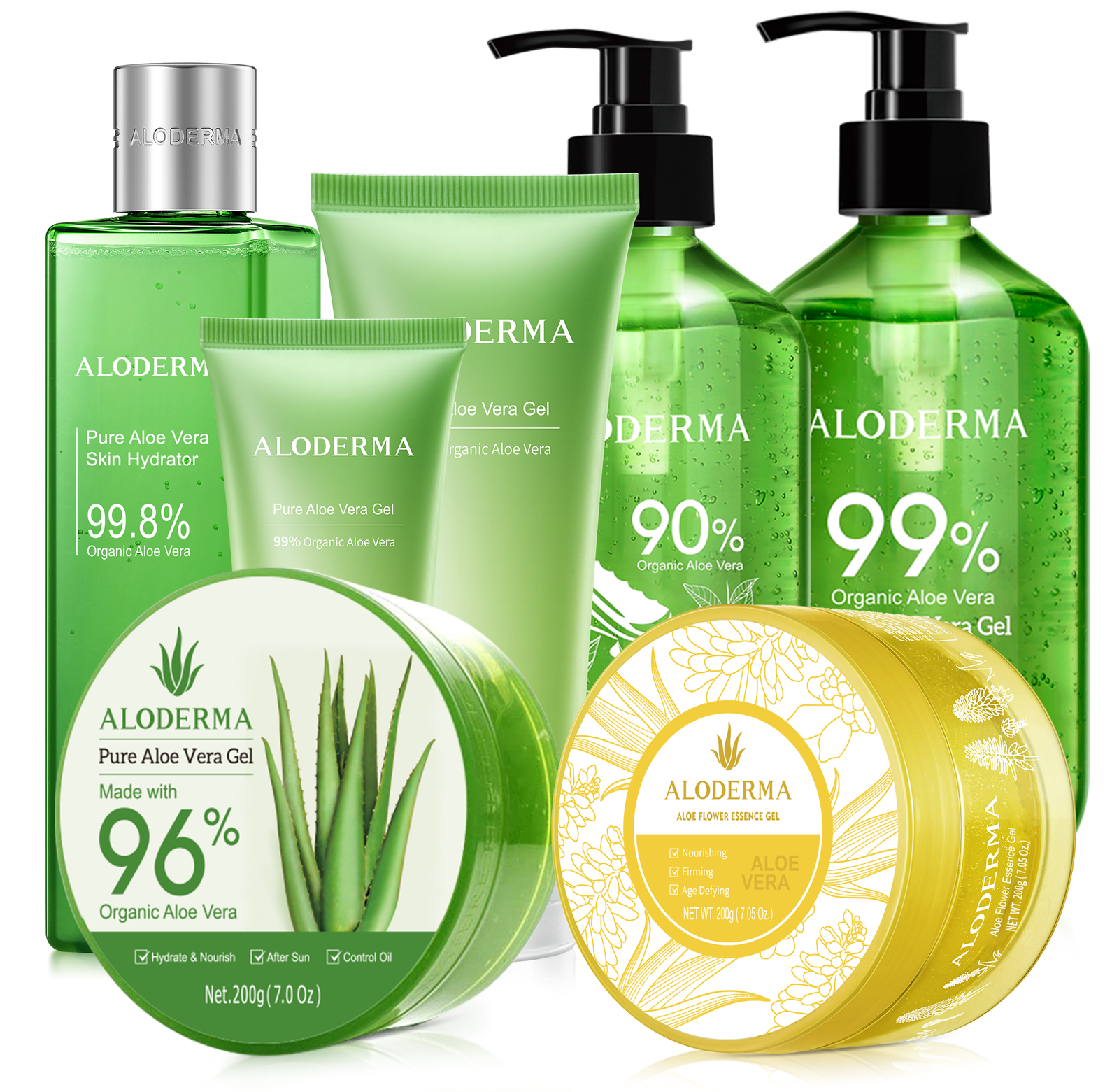
That’s where fresh, plant-based hydration becomes useful. Aloe is especially interesting because it’s lightweight, comfortable, and easy to layer into a routine without making hair feel coated. The freshness matters too. Aloderma is a fully vertically integrated aloe vera company that grows its own organic aloe vera and processes and manufactures onsite within 12 hours of harvest, which helps preserve the bioactive character of the aloe used as the primary ingredient across its formulas.
That farm-to-formula approach aligns with the goal here. You’re not trying to glue damaged tips together. You’re trying to help hair stay soft, flexible, and resilient from root to tip so splits have a harder time starting in the first place.
Why Your Hair Splits - A Deeper Look
Think of a hair strand like a rope with an outer covering. That outer layer protects what’s inside. When the surface gets worn down by friction, heat, chemical processing, or dryness, the strand becomes weaker at the oldest point, which is usually the end.
That’s where splitting starts.

What a split end really is
A split end isn’t just “dry hair.” It’s hair that has lost enough surface protection that the fiber begins to fray. Sometimes that looks like a clear Y-shape. Sometimes the end looks feathery, rough, or white at the tip.
Readers often get confused here because hair can feel dry without being split, and it can also be split before the damage looks dramatic. A good rule is this. If the ends catch on each other, tangle easily, or look thinner than the rest of the strand, damage is usually already forming.
The overlooked scalp to ends connection
Most split end advice talks about masks, oils, or serums on the ends. That can help, but it skips an important question. Is your hair getting enough support from the scalp downward?
Research notes that most split end prevention content focuses on external treatments, but rarely addresses how scalp health and sebum distribution affect split ends. It also notes that dry scalps often correlate with faster split end formation, while major guides rarely address scalp hydration as a root cause, as discussed in this explainer on understanding and managing split ends.
Your scalp naturally produces oils that help coat the hair shaft. When that system is disrupted, the mids and ends can stay under-moisturized. This can happen if you overwash, scrub harshly, use very drying products, or have a scalp that already struggles to stay balanced.
Hair ends are the oldest part of your hair. They feel every rough wash, every hot tool, and every skipped conditioning day.
Why lightweight hydration matters
People with fine hair often avoid hydration because they’re afraid of limp roots. People with curls sometimes use rich products on the ends but ignore scalp comfort because they don’t want buildup. Both reactions make sense. Neither solves the root problem.
A better approach is to support scalp comfort with lightweight hydration, then protect the rest of the strand so moisture can stay where it’s needed. A scalp toner or hydrating mist can make sense here because it helps care for the starting point of the strand instead of waiting until the ends are already rough.
Your Gentle Hydration Routine for Resilient Hair
Most split ends don’t come from one dramatic event. They come from repeated small stress. That’s why a calm, repeatable wash routine matters so much more than an occasional rescue mask.

Hydration is one of the clearest protective factors we have. Consistent conditioning can prevent up to 93% of new split ends caused by styling, and aloe vera-based hydrators processed within 12 hours of harvest can deliver 95% natural hydration without irritants, according to this overview of split ends from Hers.
Start with the wash, not the product shelf
A gentle routine begins with technique. If your method is rough, even a good formula has less chance to help.
Try this sequence:
- Use lukewarm water: Hot water can leave hair feeling more stripped.
- Apply shampoo mainly to the scalp: That’s where oil and buildup collect.
- Let the lather rinse through the lengths: You usually don’t need to scrub the ends.
- Press water out gently: Squeeze with your hands instead of twisting or rubbing.
- Apply conditioner from mid-length to ends: Those older sections need the most support.
- Detangle carefully: A wide-tooth comb is kinder than forcing a brush through wet knots.
The reason this works is simple. Conditioner helps smooth the outer layer of the strand so hair stays more flexible. Flexible hair handles brushing, sleeping, and styling better than brittle hair does.
Make hydration consistent, not occasional
Many people deep condition only after hair feels bad. Prevention works better when moisture is built into the routine before the warning signs show up.
A practical weekly rhythm might look like this:
- Wash day: Cleanse gently and condition thoroughly.
- Midweek: Refresh dry areas with a light hydrating product.
- After sun or heat exposure: Add extra moisture to the ends.
- Before detangling: Never pull through dry, snagging hair without slip.
If you want more background on the role aloe can play in that kind of routine, this article on aloe vera for healthy hair is a useful starting point.
Here’s a quick visual if you like seeing technique in action before changing your routine.
Choosing products that support the routine
Products don’t need to be complicated. They need to help you repeat gentle habits.
One option is using ALODERMA Aloe Nourishing Shampoo and Aloe Nourishing Conditioner, which fit this kind of moisture-focused routine and use aloe vera as the primary ingredient. Because Aloderma grows its own organic aloe vera and processes and manufactures onsite within 12 hours of harvest, the formulas are built around fresh, bioactive aloe rather than treating it like a minor add-in.
When you’re comparing formulas, look for products that help hair feel soft, easy to detangle, and less rough after rinsing. If your shampoo leaves your lengths squeaky or your conditioner disappears without adding slip, your hair may be telling you it needs a gentler balance.
Practical rule: If your ends feel worse right after wash day, the routine is too harsh somewhere.
Small habits that protect your progress
The best conditioning routine can still get undone by rough handling.
Keep these habits in mind:
- Swap rubbing for blotting: A soft towel or T-shirt creates less friction.
- Detangle in sections: This prevents one knot from turning into breakage.
- Sleep with less friction: Smooth fabrics are gentler on fragile ends.
- Don’t wait for hair to feel ruined: Early dryness is easier to correct than visible splitting.
Mastering the Art of the Trim for Maximum Length
A lot of people avoid trims because they want longer hair. That instinct is understandable, but damaged ends don’t protect length. They chip away at it.
A split end is a lot like a run in fabric. If you leave it alone, it keeps moving upward. That’s why trimming isn’t the opposite of hair growth. It’s often what helps retained length look real instead of thin and broken.
Why trimming helps you keep more hair
Regular trims every 6 to 8 weeks are a cornerstone of split end prevention. Consumer survey data reported in this NIH-linked reference found that 78% of women in the US reported fewer split ends after adopting bi-monthly trims, and this correlated with a 40% reduction in breakage incidence over 6 months.
That matters because breakage can make hair seem like it has stopped growing, even when growth at the scalp is happening normally.
Ask for dusting, not a major haircut
If “trim” makes you nervous, use the word dusting with your stylist. Dusting means removing only the visibly worn tips instead of taking off a noticeable amount of length.
You can also make trims feel less scary by being specific:
- Say what you want to preserve: “I’m growing my hair and only want the damaged ends removed.”
- Ask them to show you the amount first: Seeing the section before cutting builds trust.
- Mention where tangling happens most: It helps your stylist target fragile areas.
If your ends knot easily, look thinner than the rest of your hair, or feel rough no matter what you apply, you’re probably past the point where products alone can help.
A simple calendar beats guesswork
The easiest way to stay ahead of split ends is to stop waiting until they’re obvious. Put trims on your calendar the same way you’d schedule any other maintenance appointment. That one habit often makes the rest of your routine work better, because your conditioner and leave-ins are supporting healthy ends instead of chasing damaged ones.
Outsmarting Styling Damage from Heat and Chemicals
“Use less heat” is common advice, but it’s not very useful if you still need to style your hair for work, events, or simple preference. A better goal is to reduce unnecessary damage and stop repeating the habits that leave hair progressively drier.
The silent damage cycle
Hair rarely complains all at once. You might use a blow dryer on moderate heat, touch up pieces with a flat iron later, then wash and repeat a few days after that. Each session may seem reasonable by itself, but the repeated exposure dries and stresses the same lengths over and over.
That’s where many people get stuck. They aren’t abusing their hair in one dramatic way. They’re slowly wearing it down.
Research also points out a useful gap in common advice. Existing prevention guides often don’t address the difference between people with naturally oily scalps, who may be able to extend time between washes and style less often, and people with dry scalps, who may wash more frequently and increase cumulative heat exposure, as noted in this discussion of split ends and prevention gaps.
Build a realistic heat budget
Instead of promising yourself you’ll never use heat again, set limits you can realistically follow.
Try something like this:
- Reserve high-heat styling for specific days: Work presentation, dinner out, photos, travel.
- Choose one main tool per wash cycle: Blowout or flat iron, not every tool in one stretch.
- Leave recovery days between hot tools: Let hair rest in simple styles.
- Protect before styling: If you’re comparing options, this guide to heat protectant for hair can help you think through what a protectant is meant to do.
This kind of plan is especially useful if your scalp type influences how often you wash. Oily roots and dry ends need a different rhythm than an overall dry scalp does.
Mechanical damage counts too
Heat gets most of the blame, but everyday physical stress matters just as much. Tight ponytails, rough elastics, aggressive brushing, and yanking through tangles all weaken the strand.
A few swaps can make a noticeable difference:
- Use a wide-tooth comb on wet hair: It’s gentler when hair is vulnerable.
- Start detangling at the ends: Then move upward in small sections.
- Choose looser hairstyles: Especially for sleep or long days.
- Skip metal-heavy ties: Softer hair ties reduce snagging.
If your hair feels rough after washing and before styling, adding more slip can help reduce that friction. A conditioner such as Aloe Nourishing Hair Conditioner can fit into that step by helping hair feel easier to comb through before you reach for heat.
Be careful with chemical overlap
Coloring, relaxing, perming, or frequent toning can leave hair less forgiving. If you use chemical services, try not to stack them on top of a period when your hair already feels dry, overstyled, or rough at the ends.
The simplest rule is to treat newly processed hair as hair that needs less stress, not business as usual.
Tailoring Your Strategy for Your Unique Hair Type
Hair advice gets confusing when it treats every texture the same. Fine straight hair can get limp fast. Coily hair can lose moisture before the scalp’s natural oils ever make it down the strand. Wavy and curly hair often sits somewhere in between.
The basics stay steady. Gentle handling, regular moisture, less friction, and timely trims. The way you apply those basics should match your texture.
Split end prevention by hair type
| Hair Type | Key Challenge | Top Prevention Tip | ALODERMA Hero |
|---|---|---|---|
| Fine or straight | Ends can get dry while roots feel oily | Keep hydration lightweight and focus conditioner on the lower half of the hair | Aloe-based shampoo and conditioner routine |
| Wavy | Frizz and brushing can rough up the surface | Detangle with conditioner in and avoid dry brushing | Lightweight aloe hydration for wash day slip |
| Curly | Knots and dryness make ends fragile | Style when damp, use generous conditioning, and handle curls in sections | Fresh aloe-focused moisture support |
| Coily or kinky | Natural oils may not travel easily to the ends | Seal in moisture after washing and reduce friction during sleep and detangling | Richer moisture layering with aloe as a base |
What this looks like in real life
If your hair is fine, your main job is to avoid overloading it. Heavy butters may smooth the ends for a moment but can make you wash more often, which creates more handling and more chances for damage. Fine hair often does better with light hydration applied consistently.
If you have wavy or curly hair, the usual trouble spot is detangling. Dry brushing can pull apart the pattern and create roughness at the ends. Adding slip first changes everything. Many people in this group also benefit from protecting hair overnight so the ends aren’t rubbing against fabric for hours.
For coily hair, moisture retention is often the whole game. The strand shape makes it harder for natural scalp oils to coat the full length, so the oldest parts of the hair need extra care. Think low tension styles, patient detangling, and sealing in moisture after cleansing.
Your hair type doesn’t change the goal. It changes how much moisture, slip, and friction control you need to get there.
Don’t ignore scalp comfort
No matter your texture, scalp comfort affects consistency. If your scalp feels tight, flaky, over-cleansed, or uncomfortable, you’re more likely to wash harshly, scratch, or switch routines too often. Stable routines usually produce better hair over time than dramatic product hopping.
Some readers who are already focused on plant-based care also like to learn about supportive ingredients beyond aloe. If that interests you, this piece on pure neem oil offers a broader view of botanical care in personal routines.
Embrace a Holistic Approach to Hair Health
Split end prevention works best when you stop treating hair like a problem to fix at the tip and start treating it like a fiber that needs support from the scalp down. That shift changes everything. You wash more gently. You condition more consistently. You use heat with intention instead of habit. You trim before damage spreads.
The most useful lesson is that healthy ends are usually the result of ordinary habits done well. A calmer wash day. Less friction at night. Better detangling. More respect for what your hair texture needs. A trim before fraying gets worse.
Fresh ingredients fit naturally into that kind of routine because they support comfort without asking your hair to fight through heaviness or harshness. Pure, fresh aloe is especially helpful here because it brings lightweight hydration into the places where dryness often begins, whether that’s the scalp, the mid-lengths, or the tips that tangle first.
If you’ve been frustrated by split ends, don’t take that as proof that your hair is impossible. Take it as a sign that your hair needs a more connected strategy. Start at the scalp. Protect the length. Treat the ends kindly. Then repeat that rhythm long enough for your hair to show you what it can do.
If you want to build a simple scalp-to-ends routine around fresh aloe, explore ALODERMA. The brand grows its own organic aloe vera, then processes and manufactures onsite within 12 hours of harvest, which keeps aloe as the primary, bioactive ingredient across its formulas. That kind of ingredient transparency can make it easier to choose gentle, hydration-focused products for hair and scalp care without overcomplicating your routine.