







You run your fingers along your part line, check the mirror, and wonder whether your hair needs more moisture, more patience, or a completely different routine. A lot of people end up here. They've tried a heavy oil that sat on the scalp, a trendy serum that felt nice for a week, or a wash-day routine that looked great online but never felt right at home.
That's why jamaican hair growth oil keeps coming up in conversations about fuller-looking, stronger-feeling hair. It carries tradition, familiarity, and a sense that maybe the answer doesn't need to be harsh to be effective. But the conversation isn't just about growth. It's about scalp comfort, breakage, hydration, and whether your routine supports the kind of hair you want to keep over time.
The Search for Naturally Thriving Hair
For many people, the search starts with stress and ends with a bathroom shelf full of half-used bottles. One oil was too greasy. One tingled too much. One made the hair look shiny for a day but left the scalp feeling coated. If you have sensitive skin, that cycle gets frustrating fast.
Jamaican hair growth oil often enters the picture as a more grounded option. In most conversations, people are talking about Jamaican Black Castor Oil, a traditional oil known for its rich texture and deep, sealing feel. It isn't a magic shortcut. It's better understood as a support step in a steady routine.

Why people keep coming back to it
People usually aren't looking for “more product.” They're looking for hair that breaks less, feels softer, and looks healthier week after week. That's why a traditional oil can still feel relevant in a modern routine.
A helpful way to think about it is this:
- You're not chasing miracles. You're trying to keep the strands you already have in better shape.
- You want fewer surprises. Ingredient-conscious shoppers often prefer plant-based options they can recognize.
- You need a routine that feels gentle. Sensitive scalps often do better when care focuses on balance rather than intensity.
Some of the best hair routines don't feel dramatic. They feel calm, repeatable, and easy to stick with.
If you're also trying to understand the bigger picture of fuller-looking hair, the XO Medical hair thickness guide offers useful context on the everyday habits that shape how hair looks and feels.
What Makes Jamaican Hair Growth Oil Special
Jamaican Black Castor Oil stands out because of both its traditional preparation and the way it behaves on the scalp and hair. The castor beans are roasted before the oil is processed, which gives the oil its dark color, smoky aroma, and thicker feel. That thicker texture is a big part of why it has remained popular for generations.
For dry hair, that richness can feel comforting. For a sensitive scalp, it needs a little more thought.
A heavy oil works like a coat over the hair fiber. It helps hold in moisture and reduces the rough, dry feel that often leads to breakage on ends and around the hairline. If you want a closer look at the oil itself, this castor oil ingredient guide explains how castor oil functions in hair and skin formulas.

The ingredient behind the attention
A lot of the interest around JBCO comes from ricinoleic acid, the fatty acid most closely associated with castor oil. It also contains other fatty acids that give it that dense, cushiony feel on the hair. In practical terms, this means the oil is often better at sealing than at moisturizing on its own.
That point trips people up. Oil can help slow water loss, but it does not replace water-based hydration. Sensitive scalps usually do best when JBCO is paired with something soothing and light, such as fresh aloe vera. Aloe brings in hydration and a cooling, calming feel, while the oil helps keep that comfort from disappearing too quickly. The combination is often easier to live with than oil alone.
Why tradition still matters
Traditional use gave JBCO its reputation long before modern ingredient labels existed. People kept using it because hair felt softer, looked less dull, and handled daily manipulation better over time. That kind of staying power matters, especially now that ingredient-conscious shoppers are reading labels more carefully and asking whether a product supports scalp balance, not just shine.
For a reactive scalp, that question matters even more. A rich oil can be helpful, but only if the scalp is clean, calm, and not already overwhelmed by fragrance, harsh essential oils, or heavy buildup.
What it can realistically support
JBCO is best understood as a support ingredient in a scalp-first routine. It can help reduce the dry, brittle feel that makes hair more prone to snapping. It can also improve slip and softness, which makes detangling less stressful on fragile strands.
Hair growth claims need context, though. JBCO does not work like a medical treatment. Its value is more practical and often more sustainable. It helps create conditions where hair is less likely to break off before you see your length.
That is why people with sensitive skin often get better results by using less oil, using it more intentionally, and balancing it with aloe. A calm scalp is easier to care for. Hair that stays hydrated and protected is also easier to keep.
Decoding the Ingredients in Your Hair Oil
A good jamaican hair growth oil formula usually works best when you stop looking at it as one star ingredient and start looking at it as a team. JBCO can be the anchor, but the surrounding ingredients often decide whether the oil feels nourishing or just heavy.
That's especially important if your scalp gets overwhelmed easily. A blend can be supportive without feeling thick and sticky, but only if the formula is balanced well.

Start with the base
JBCO is usually the ingredient people recognize first. It's rich, occlusive, and often chosen because it helps coat the hair shaft and support a softer feel over time. If you want a deeper look at how castor oil functions in formulations, this castor oil ingredient guide is a useful reference.
But the base oil doesn't need to do everything. In many formulas, other botanicals help shape how the product behaves on the scalp and hair.
Why supporting oils matter
According to INCIDecoder's overview of a Jamaican Black Castor Oil formula, the efficacy of JBCO products increases when combined with synergistic botanicals like rosemary oil and wheat germ oil, and formulations using 3 to 5% JBCO with 2 to 3% complementary botanical oils can deliver measurable benefits while keeping a lightweight profile suitable for sensitive users.
That's useful because it explains why some blends feel easier to live with than straight castor oil.
Table: Common Ingredients in Hair Growth Oils and Their Roles
| Ingredient | Primary Function |
|---|---|
| Jamaican Black Castor Oil | Supports softness, seals in moisture, helps reduce the look of dryness |
| Rosemary oil | Adds antioxidant support in blended formulas |
| Wheat germ oil | Helps balance richness and supports a lighter feel |
| Coconut oil | Often used to add slip and softness |
| Jojoba oil | Commonly included to help a formula feel less heavy |
| Vitamin E | Added for formula support and conditioning benefits |
Where aloe vera fits in
This is the part many routines miss. Oils seal. They don't replace water-based hydration. If your scalp feels tight, warm, coated, or just not comfortable, adding more oil on top may not solve the problem.
Aloe vera changes the equation because it offers lightweight hydration before oil ever touches the scalp. That matters for people who like the benefits of JBCO but don't like the heavy aftermath.
Think about two routines:
-
Oil on a dry scalp
The oil sits on top, and you may get shine without much comfort. -
Hydration first, then oil
A light aloe layer gives the scalp moisture, and the oil helps hold that comfort in place.
A balanced routine usually feels better than an oil-only routine, especially when your scalp prefers lighter layers.
That's why aloe and jamaican hair growth oil can work so well together. The oil nourishes and seals. Aloe brings freshness, slip, and a less weighed-down feel.
The Real Benefits for Your Hair and Scalp
Healthy-looking hair usually starts lower than the strand. It starts at the scalp. If your scalp feels calm, hydrated, and not smothered under heavy product, your hair routine tends to work better. That matters even more for sensitive skin, where the goal is not just growth talk. The goal is creating conditions that let hair stay on the head with less breakage and less irritation along the way.
Jamaican hair growth oil can help by reducing the rough, dry feel that makes hair catch, snap, and look dull. Over time, that often shows up as softer strands, easier detangling, and better length retention. In plain terms, you may not be growing hair faster. You may be keeping more of the hair you already have.
That distinction matters.
Hair often looks fuller and healthier when fewer strands break during wash day, styling, and daily friction. A good oil blend helps coat the hair shaft, much like a light shield on fabric that tends to fray at the edges. For curls, coils, and textured hair that lose moisture easily, that extra slip and softness can make routine handling much gentler.
For a sensitive scalp, the benefit is not about using more oil. It is about using the right amount in a routine that keeps balance. A rich oil can soften dryness, but if the scalp is already tight or reactive, oil alone may feel like putting a lid on discomfort. Aloe changes that experience because it brings water-based hydration first, then oil helps hold that comfort closer to the skin.
That is why many people do better with a layered routine instead of treating oil like a cure-all.
Here is what the benefits often look like in daily life:
- Less friction during detangling, so strands bend more easily instead of catching on each other
- Softer ends between wash days, especially if your hair gets rough or straw-like quickly
- A calmer-feeling routine for sensitive scalps when aloe is used before oil to reduce that heavy, coated feeling
- Better-looking fullness over time because reduced breakage helps preserve visible length
- More shine and polish from smoother strand surfaces reflecting light better
There is also a texture benefit people notice quickly. Hair that feels dry often resists styling. It can puff, snag, or lose shape faster. When the strand surface is better conditioned, twists, braids, buns, and wash-and-go styles usually feel easier to manage and look less stressed.
If your hair also reacts poorly to heavy protein treatments, pairing oil with a moisture-focused routine can help keep things balanced. A protein-free deep conditioner for dry, sensitive hair can support softness without adding another possible trigger for stiffness.
Scalp care still sets the tone. If the scalp is inflamed, flaky from dryness, or constantly overloaded, even a good oil may fall short. That is one reason some readers also explore broader healthy hair and skin options while improving their home routine.
A useful way to judge results is by comfort first, then retention. Does your scalp feel better after wash day? Do your ends stay softer longer? Are you seeing fewer short broken hairs on your shirt, sink, or comb? Those are often the early signs that a product is helping.
For sensitive scalps, fresh aloe keeps showing up as the balancing piece. Oils help protect and soften. Aloe helps hydrate, soothe, and make the whole routine feel lighter on the skin. That combination supports the foundation healthy hair depends on.
How to Use Jamaican Hair Growth Oil for Best Results
You wash your hair, your scalp feels calm for a few hours, then the tightness starts. By the next day, your roots feel coated or itchy, but your ends still seem dry. That usually means the routine needs better balance, not more oil.

Jamaican hair growth oil tends to work best when you treat it as a support step, not the whole plan. Sensitive scalps often do better with less product, more intention, and a layer of hydration underneath. Fresh aloe matters here because it adds water, slip, and comfort, which helps heavier oils sit on the scalp more gently.
Method one for weekly scalp care
Start with a clean or freshly refreshed scalp. If you apply oil over sweat, buildup, or dry flakes, you can trap the very things that make the scalp feel unsettled.
A simple method:
- Part the hair in sections.
- Smooth on a thin layer of aloe-based hydration or another light water-based scalp mist.
- Add a small amount of oil along the parts or onto your fingertips.
- Massage with the pads of your fingers using light, steady pressure.
- Leave it on if your scalp stays comfortable, or shampoo later if you prefer a lighter finish.
The aloe-first step works like a cushion between the scalp and the oil. It helps reduce that heavy, sticky feeling some people get from castor-oil-rich blends.
For readers comparing broader routines for fuller-looking hair, this guide to healthy hair and skin options offers useful background.
Method two for dry ends
Sometimes your scalp needs very little, but your ends need help holding onto moisture. In that case, use the oil as a sealant.
After your leave-in or cream, rub a drop or two between your palms and press it into the last few inches of your hair. Focus on the oldest, roughest sections first. Stop while the hair still feels soft, not slick.
This is often the easiest entry point for people with reactive skin because it lets you get the conditioning benefit without putting much oil on the scalp.
Method three for a richer wash day treatment
If your hair feels brittle, dull, or rough after cleansing, use the oil as a short pre-wash or warm treatment. Coat the mid-lengths and ends lightly, cover the hair, let it sit for a bit, then shampoo well.
Pairing oil with moisture usually gives better results than relying on oil alone. If your hair gets stiff easily, a protein-free deep conditioner for sensitive, dry hair can help soften the routine and keep wash day from feeling too heavy.
Here's a visual guide if you like watching the process before trying it yourself:
The best tip for sensitive scalps
Use less than you think you need.
A sensitive scalp is often asking for relief from dryness, friction, or irritation. Oil can help reduce moisture loss, but it does not replace hydration. Aloe brings in the water-based comfort piece, while the oil helps keep that comfort from disappearing too quickly.
A good rule is simple. Your scalp should feel calmer after application, not hotter, itchier, or coated. If it feels smothered, reduce the amount, increase the spacing between uses, or keep the oil mostly on the lengths and ends.
That is how jamaican hair growth oil becomes part of a scalp-first routine instead of a product that sounds promising but feels like too much.
Choosing a Quality Oil and Spotting Red Flags
A good bottle of jamaican hair growth oil should feel easy to understand. You shouldn't have to decode a label that hides the important stuff in tiny print or vague wording. Clear ingredient lists usually signal a more trustworthy product.
Start by checking what the product wants to be. Is it a pure oil, or is it a blend? Neither is automatically better. What matters is whether the label tells you exactly what's inside and whether the formula matches your needs.
What to look for first
A strong label often includes language that points to straightforward processing and fewer unnecessary fillers. If you want help understanding one of the most talked-about quality markers, this guide to hexane-free castor oil is worth reading.
A useful shopping checklist:
- Clear naming: Look for Jamaican Black Castor Oil spelled out clearly.
- Transparent ingredient list: You should be able to identify the base and any supporting oils.
- Purposeful blending: If rosemary or wheat germ oil appears, the blend should still feel focused rather than overcrowded.
- Packaging that supports careful use: Applicator tops and dark bottles can make routine use easier and tidier.
Red flags that deserve a pause
The formula may not be ideal if you notice:
- Vague fragrance wording when you prefer gentler, simpler formulas
- Too many filler oils ahead of the ingredient you wanted
- Silicones or mineral oil if your goal is a more botanical, ingredient-conscious routine
- A promise that sounds instant because good hair care rarely works like that
For readers shopping for different household routines, including simpler grooming options, this article on using hair growth oils for men offers a practical perspective on choosing and applying oils without overcomplicating things.
A quality oil should make your routine easier to trust. If the label makes you work hard to understand it, keep looking.
Your Hair Growth Oil Questions Answered
Is jamaican hair growth oil too heavy for fine hair
It can feel heavy on fine hair if you use too much at once. Fine strands get coated quickly, so a few drops usually work better than a full scalp-and-length treatment.
Try applying oil with the same restraint you would use with a rich face balm. A little can support the skin and hair. Too much can sit on the surface and leave everything flat. If your scalp is sensitive, pairing a small amount of oil with a light aloe-based step often feels more balanced than using a thick layer of oil on its own.
Should I use oil by itself or pair it with aloe
Pairing it with aloe usually gives a gentler result.
Oil helps reduce moisture loss and soften the hair shaft, but it does not give the scalp water. Aloe does. That matters because a dry, easily irritated scalp often needs hydration first, then a light seal over it. Fresh aloe and oil work like a glass of water followed by a lid on the cup. One adds hydration. The other helps keep that hydration from disappearing too quickly.
For sensitive skin, that order can make the routine feel calmer and less greasy.
What if my scalp is sensitive
Sensitive scalps need a slower approach. Many online guides on Jamaican Black Castor Oil focus on thickness, shine, or growth claims, but give less attention to irritation, buildup, or how the scalp barrier responds.
Start small. Choose a formula with a short ingredient list, use less than you think you need, and watch how your scalp feels over the next day or two. Aloe is especially helpful here because it brings water-based hydration and a cooling feel that can offset the dense, occlusive nature of heavier oils. The goal is not to force your scalp to tolerate a trend. The goal is to build a routine your skin can live with consistently.
How do I patch-test it
Keep the test simple and close to real use:
- Choose a small area: Behind the ear or near the hairline works well.
- Apply a tiny amount: Use the same amount you would use in a real routine, not a heavy layer.
- Wait and observe: Check for itching, redness, heat, or lingering discomfort.
- Test the full pairing: If you plan to use aloe first and oil second, test them that way.
Start with less than you think you need. A calm scalp usually responds better to gradual care than to overload.
When should I stop using it
Stop if your scalp starts feeling itchy, unusually tender, overly coated, or harder to cleanse. Those signs often mean the formula, the amount, or the frequency is not right for you.
Sometimes the fix is simple. Use fewer drops. Apply only to dry ends. Switch to less frequent use. If your scalp stays uncomfortable, set the oil aside and return to a simpler routine built around hydration and barrier-friendly care.
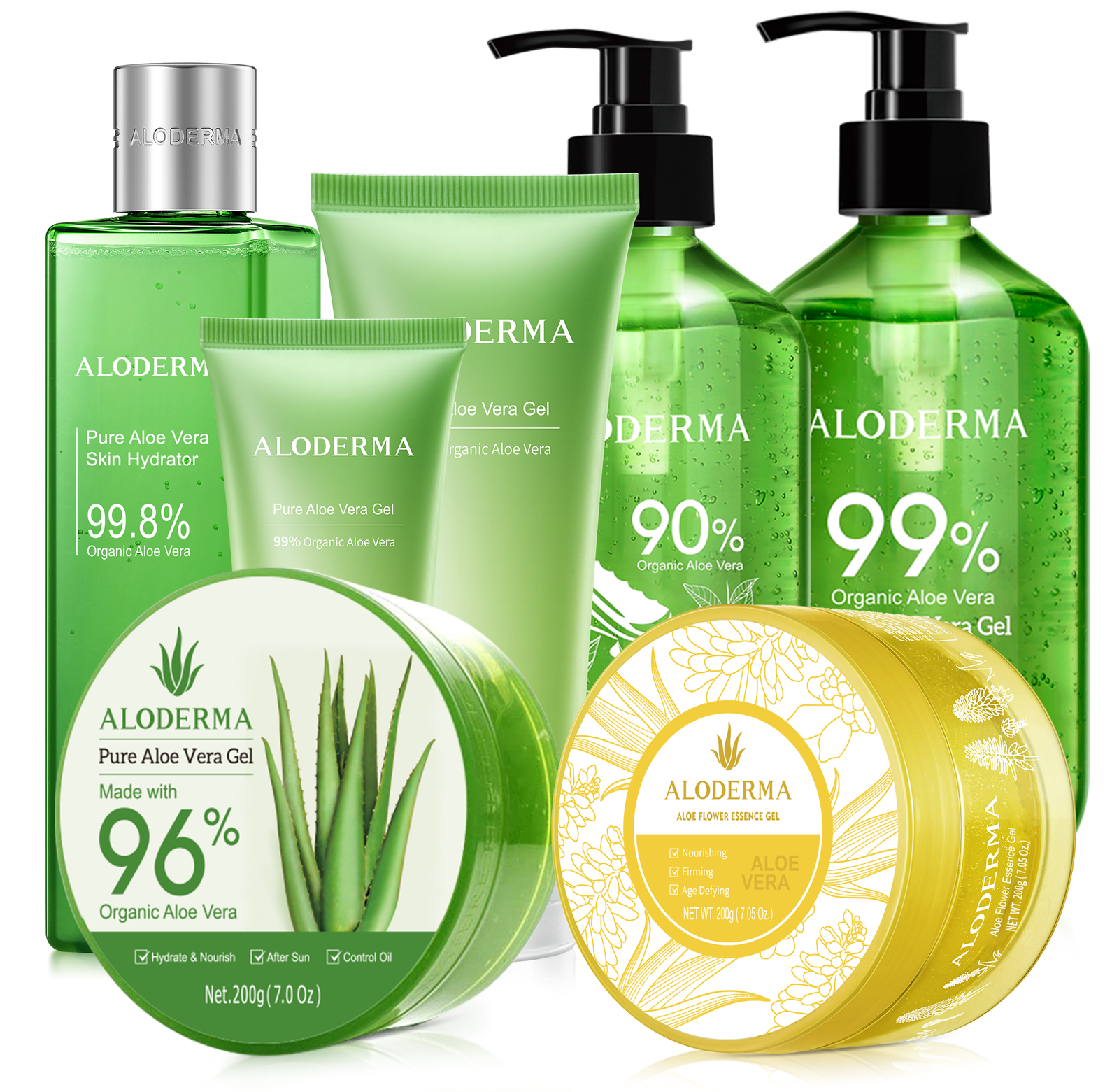
If you love the idea of pairing rich botanical oils with fresh, lightweight hydration, explore ALODERMA. Aloderma is a fully vertically integrated aloe vera company that grows its own organic aloe vera, then processes and manufactures onsite within 12 hours of harvest so the aloe in every product stays as bioactive and effective as possible. That fresh-from-the-field approach makes aloe an ideal partner in a scalp-first, gentle hair routine.