







You wake up, glance in the mirror, and the counter looks like a small pharmacy. One cleanser, two serums, three creams, and a sunscreen that never seems to sit right under makeup. The Japanese skin care routine makes a different promise, fewer steps, handled with care, so your skin doesn't have to carry a heavy load before breakfast.
That's why this ritual feels calming instead of complicated. It leans on gentle cleansing, layered hydration, and daily UV protection, not on piling product after product onto skin that just wants to breathe. For readers with sensitive, oily, or blemish-prone skin, that difference matters, because the goal is usually not more treatment, it's a routine that stays comfortable enough to repeat every day.
What the Japanese Skin Care Routine Actually Teaches
A lot of people meet Japanese skincare through the wrong lens. They see a shelf full of bottles online and assume the routine must be elaborate, but the everyday reality is often much simpler. A 2025 PwC Japan consumer survey reported in a Japanese skincare analysis found that working women aged 25 to 45 spend an average of 7 minutes on morning skincare, including sunscreen application, and about 65% of Japanese women skip morning cleanser entirely, which fits the broader “less is more” rhythm of the routine (Japanese skincare analysis).
That's the first lesson worth borrowing. The routine is built around consistency, gentle cleansing, hydration, and daily sun protection, not a long list of aggressive steps. For someone whose skin gets cranky easily, that can be a relief, because it gives you permission to stop chasing novelty and start protecting the skin barrier instead.

The rhythm behind the routine
The classic sequence is built around double cleansing and layered hydration, then sunscreen in the morning. One beginner guide describes a 4-step minimal routine, with the full morning sequence taking about 5 minutes and the evening double-cleanse routine about 7 minutes (Japanese skincare routine beginners guide). That matters because it shows how the routine is designed to be realistic, not aspirational.
Practical rule: If your current routine leaves skin tight, shiny, or overloaded, Japanese skincare usually asks for fewer steps, softer textures, and a better finish, not more actives.
The other thing people often miss is the feel of the routine. It's not meant to scrub skin into submission. It's meant to leave skin calm enough to accept the next layer, then the next, then a protective finish in the morning.
If you want a simple framework for building a routine around those ideas, start with how to build a skincare routine and keep the same order in mind, cleanse, hydrate, protect.
Your Morning Routine Step by Step
Morning in the Japanese routine starts with a question, not a rule. Does your skin need a cleanser, or does it just need water and a fresh hydrating layer? If you wake up feeling heavy, sweaty, or product buildup from the night before, use a gentle water-based cleanser or low-pH cleanser. If your skin feels balanced, many people keep the morning cleanse very light.
Build from the thinnest layer upward
After cleansing, reach for a hydrating toner or lotion, not an astringent toner that leaves the face squeaky. In Japanese skincare, lotion is the hydration step that settles the skin after cleansing, and it works best when you press it in while the skin is still slightly damp. A fresh aloe-based toner fits well here because aloe brings moisture without the weight that bothers oily or easily clogged skin.
Next comes serum, if you use one. Keep it simple. A humectant-rich serum helps hold water in place and gives the next layer something to seal in, especially if your skin feels dehydrated from indoor heat, travel, or a dry office.
Then use a light moisturizer or emulsion, which acts as the soft seal over the water-based layers. For oily skin, this may be enough on its own. For drier skin, the seal can be a little richer, but it still should not feel like a mask sitting on top of the face.
The last step is broad-spectrum SPF. The Japanese routine treats sunscreen as daily maintenance, not an optional add-on for sunny weekends. If you want a product that combines face lotion and SPF in one layer, this face lotion with SPF is a useful category to look at.
The flow is simple enough to repeat without thinking, which is the point. You don't need a dramatic morning ritual. You need skin that feels comfortable before the day begins.
If your skin stings easily, keep the cleanser light, choose fragrance-free hydration where possible, and stop the routine at the first layer that feels comfortable.
For a visual version of the flow, the video below shows the same layered logic in motion.
Your Evening Routine With Double Cleansing
Night is where the Japanese skin care routine becomes most precise. The first cleanse is oil-based, and it goes on dry skin so it can dissolve sunscreen, makeup, sebum, and other oil-based residue before you add water. Several expert guides recommend massaging the oil cleanser for about 60 seconds, then rinsing with lukewarm water so the skin doesn't feel stripped or overworked (Vogue Japanese skin care routine). That temperature choice matters, because hot water can make skin feel uncomfortable fast.
Why the second cleanse matters
The second cleanse is a water-based foam cleanser. Its job is to remove what the oil cleanser loosened, without asking you to rub harder than necessary. Foam cleansers are popular here because they reduce friction and rinse clean, which helps the routine stay comfortable for sensitive or blemish-prone skin.
After cleansing, the rest of the evening mirrors the morning in spirit. Add a hydrating lotion, then serum if you use one, then a moisturizer that feels comforting rather than heavy. The evening goal is different from the morning goal. In the morning, you want a smooth base under SPF. At night, you want skin to feel settled and replenished after the day.
Aloe fits especially well after cleansing because it gives the skin a fresh, water-rich layer before thicker products go on. That can be useful if you're the kind of person who hates the tight, over-cleaned feeling that often follows a too-strong face wash.
Simple rule: Use the oil cleanse when you've worn sunscreen or makeup. If you stayed indoors and wore very little, a gentle single cleanse may be enough for some skin types.
If you like to think in product order, the application sequence guide at in what order skincare products should be applied is a helpful companion to the routine logic here.
The night routine should end with your face feeling clean, not squeaky. That's the Japanese difference. Clean isn't the same as stripped.
Adapting the Routine for Sensitive, Oily, and Blemish-Prone Skin
The biggest mistake people make with Japanese skincare is copying the structure without adjusting the textures. The layers can stay the same, but the products inside those layers should change with your skin. That's especially true if your skin is sensitive, oily, or blemish-prone, because each type reacts differently to thickness, friction, and leftover residue.
| Routine Layer | Sensitive Skin | Oily Skin | Blemish-Prone Skin |
|---|---|---|---|
| Cleanse | Choose a very gentle, fragrance-free cleanser and keep water lukewarm | Use an oil cleanser that emulsifies fully, then a light foam cleanser | Use a non-heavy cleanser that rinses clean and doesn't leave a film |
| Hydrate | Use a simple aloe lotion with a short ingredient list | Pick a watery aloe toner or gel layer | Choose a light hydrating layer that won't feel rich or sticky |
| Serum | Skip extra actives if skin is reactive | Use a thin serum, not a dense ampoule | Keep it minimal and avoid piling on multiple treatment steps |
| Moisturizer | Use a soft gel or light cream | A gel-cream often feels better than a heavy cream | Stay with a breathable gel or lotion-style seal |
| SPF | Favor a comfortable mineral-leaning formula | Pick a sunscreen that sits lightly and doesn't feel greasy | Choose a non-heavy sunscreen that layers cleanly |
What to swap, not what to add
For sensitive skin, the safest move is often subtraction. Cut back on active-heavy formulas, keep cleansing gentle, and choose a lotion that feels soothing without a lot of extras. For oily skin, gel textures usually fit better than rich creams, because they let you keep the layered hydration idea without feeling coated.
For blemish-prone skin, the win is avoiding thick balms and formulas that linger too long on the surface. The Japanese method still works here, but only if each layer disappears neatly into the next.
If you want another ingredient-focused comparison point, Pep Tea's guide to green tea skincare is useful because it shows how a cleanser can stay light while still feeling purposeful.
The structure stays calm. The texture changes. That's the part most guides skip, and it's the part your skin usually notices first.
Reading Ingredient Labels Like a Japanese Routine
A Japanese skincare aisle rewards careful reading. Shoppers often check the ingredient order first, then look at how the formula feels on skin, then decide whether it supports hydration without crowding the face. That habit works well for anyone building a gentler routine around aloe, especially if the goal is to keep each layer light, calm, and easy to tolerate.
What to check first
Ingredients are listed by concentration, so the names near the top usually matter most. If aloe is meant to anchor the formula, it should appear where it can do real work, not sit so far down the list that it barely changes the product. Fresh aloe matters here because ALODERMA grows and processes its own organic aloe vera onsite within 12 hours of harvest to keep the primary ingredient in every product as bioactive and effective as possible.
You may also see words like humectants, emollients, mild surfactants, and mineral filters. Humectants draw water into the skin, emollients soften how the formula feels, mild surfactants help cleansers rinse without stripping, and mineral filters are the sunscreen filters many people find more comfortable in a simple routine.
A short ingredient list is not automatically better. A well-built one is better, especially if it gives you hydration, comfort, and a clean finish.
How to spot a cleaner formula
A product that claims to be naturally derived can still vary a lot in quality, so the ingredient order tells you more than marketing copy does. Certifications such as ECOCERT, USDA Organic, and EU Organic can also help you judge whether the aloe story is supported by how the product is sourced and made.
If you want a broader sense of what to avoid, the guide to avoiding toxic beauty ingredients is useful because it helps you spot formulas that feel more aggressive than they need to be.

The label test should feel boring in the best way. Read the list, compare the textures, and choose the product that fits your skin instead of the one with the loudest promise.
Sample Weekly Rhythm With Sheet Masks and Extras
A routine gets easier to keep when it follows a steady rhythm. Most mornings can stay short, especially for skin that does well with a light cleanse, hydrating toner, serum, moisturizer, and SPF. Most nights can stay just as steady, with double cleansing reserved for days when sunscreen, makeup, or surface buildup makes it worthwhile.
A simple week you can copy
On a regular weekday, the morning can be cleanser only if needed, then toner, serum, moisturizer, and sunscreen. At night, use the oil cleanse plus foam cleanse when the day calls for it, then repeat the hydrating layers in a softer version. On lower-maintenance days, the evening can be gentler and shorter.
Sheet masks work best as a scheduled pause, not an everyday obligation. One guide suggests 1 to 3 times per week for 10 to 20 minutes, while another says once or twice a week as a special-care step (Japanese sheet mask guide). The exact pace can vary, but the message is the same, masks are an occasional comfort step, not a base layer of the routine.
Here is a practical rhythm many readers can live with:
- Monday night: Double cleanse if needed, then lotion, serum, moisturizer.
- Wednesday night: Keep the routine light and add a sheet mask if skin feels dull or dry.
- Friday night: Use the full hydrating sequence and let the sheet mask act like a quiet reset.
- Weekend morning: Keep it short, cleanse only if skin feels heavy, then hydrate and protect.
A sheet mask fits naturally into the Japanese layered-hydration idea because it gives the skin one focused soak of moisture before the rest of the routine seals it in. For sensitive, oily, and blemish-prone skin, that usually means choosing lighter formulas and using the mask only when skin looks stressed, not as a daily habit that crowds out the calmer steps. Clean, organically grown aloe can sit at the center of that approach, because it gives the routine a gentle hydrating anchor without asking the skin to handle too much at once.
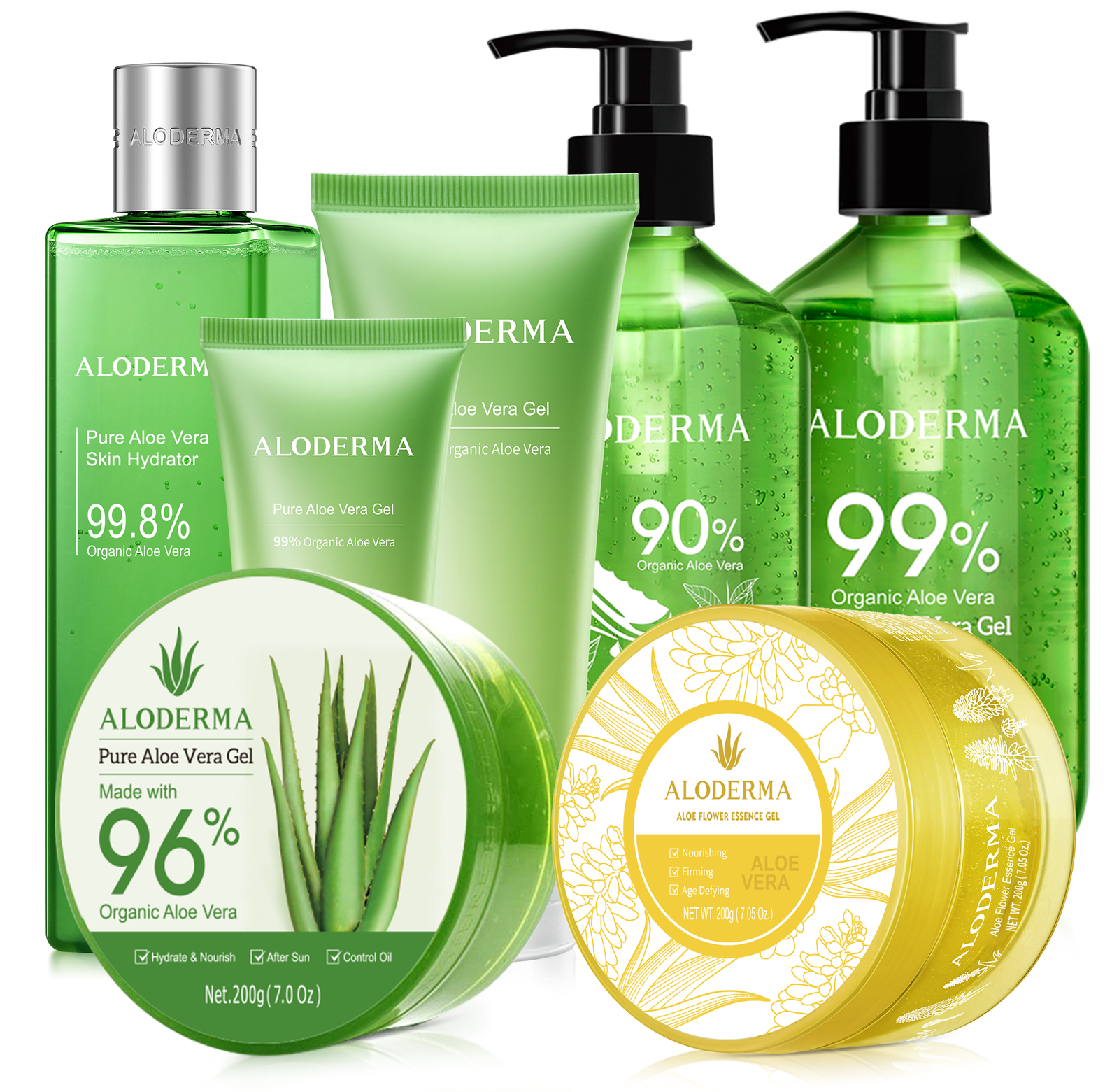
ALODERMA's range fits neatly into those layers, with options across cleansers, toners, serums, creams, sheet masks, and aloe gels on its product pages, including travel spa restaurant towels for quick resets away from home. That makes it easier to browse by step instead of trying to rebuild your bathroom shelf all at once.
The emotional part matters too. A sheet mask can turn an ordinary evening into a pause that feels deliberate, especially after a long week. That is one reason the Japanese routine stays appealing, it makes care feel scheduled and calm instead of rushed and corrective.
Outside Japan, the rhythm often needs a small adjustment. Dry indoor heat, humid summers, hard water, and busy commutes can all change how much hydration skin wants. The routine still works, but the layers should match the day your skin is having, not a fixed script.
Troubleshooting When the Routine Stumbles
The routine usually goes off track when people copy the look of Japanese skincare but miss the feel of it. They cleanse too hard in the morning, stack on too many thick products, or skip sunscreen because the rest of the routine already feels “enough.” None of that matches the logic of the ritual.
What to fix first
If your skin feels tight after cleansing, shorten the cleanse and lower the water temperature. Lukewarm water is usually the safer choice, and a gentler foam can make a bigger difference than adding another serum.
If your face feels greasy or congested, swap the cream seal for a gel or lighter emulsion. The Japanese routine is built on layering, but layering doesn't mean thickening every step. It means letting each layer do one job and then move on.
If you keep skipping SPF, the morning routine is incomplete. Sunscreen is the protective finish, not an optional extra. If you wear makeup or sunscreen all day, then the evening double cleanse finally earns its place.
If you're still not sure why the routine feels off, check whether you're using too many actives at once. Japanese skincare usually stays calmer than that. It favors repetition and comfort over dramatic overnight change.
For travel days or quick resets, Avistar's individually wrapped moist towels can be a practical backup when you need a fresh wipe-down before you get back to your real routine.

The best version of this routine is the one you can repeat without dread. A simple aloe-forward system used every day usually does more for skin comfort than an ambitious plan that only survives a few nights a month.
If you want a routine that stays gentle, fresh, and easy to keep, explore ALODERMA for aloe-based cleansers, toners, serums, creams, and masks that fit the layered hydration style of Japanese skincare. Visit ALODERMA and choose the steps that match your skin today, then build the rest slowly, one calm layer at a time.