







By 10 a.m., your face can feel like it has already lived a full day. You cleanse carefully, maybe use a mattifying product, maybe skip moisturizer because it seems risky, and still the shine starts creeping across your forehead and nose before lunch. Makeup separates. Sunscreen feels heavier as the day goes on. You blot, powder, and wash again, then wonder why your skin still looks greasy and feels tight at the same time.
Individuals often get stuck in that cycle. They treat oil like the enemy, so they keep removing more of it. In practice, that often makes an oily face harder to manage, not easier.
The oily face remedy that works most reliably is usually less aggressive than people expect. Skin does better when you help it settle into balance: enough cleansing to remove buildup, enough hydration to keep it comfortable, and enough restraint to stop triggering the strip-and-rebound pattern. As a formulator, that's the difference I keep coming back to. Good oily-skin care should make skin feel lighter, calmer, and less reactive. It shouldn't leave it squeaky, raw, or desperate for more oil.
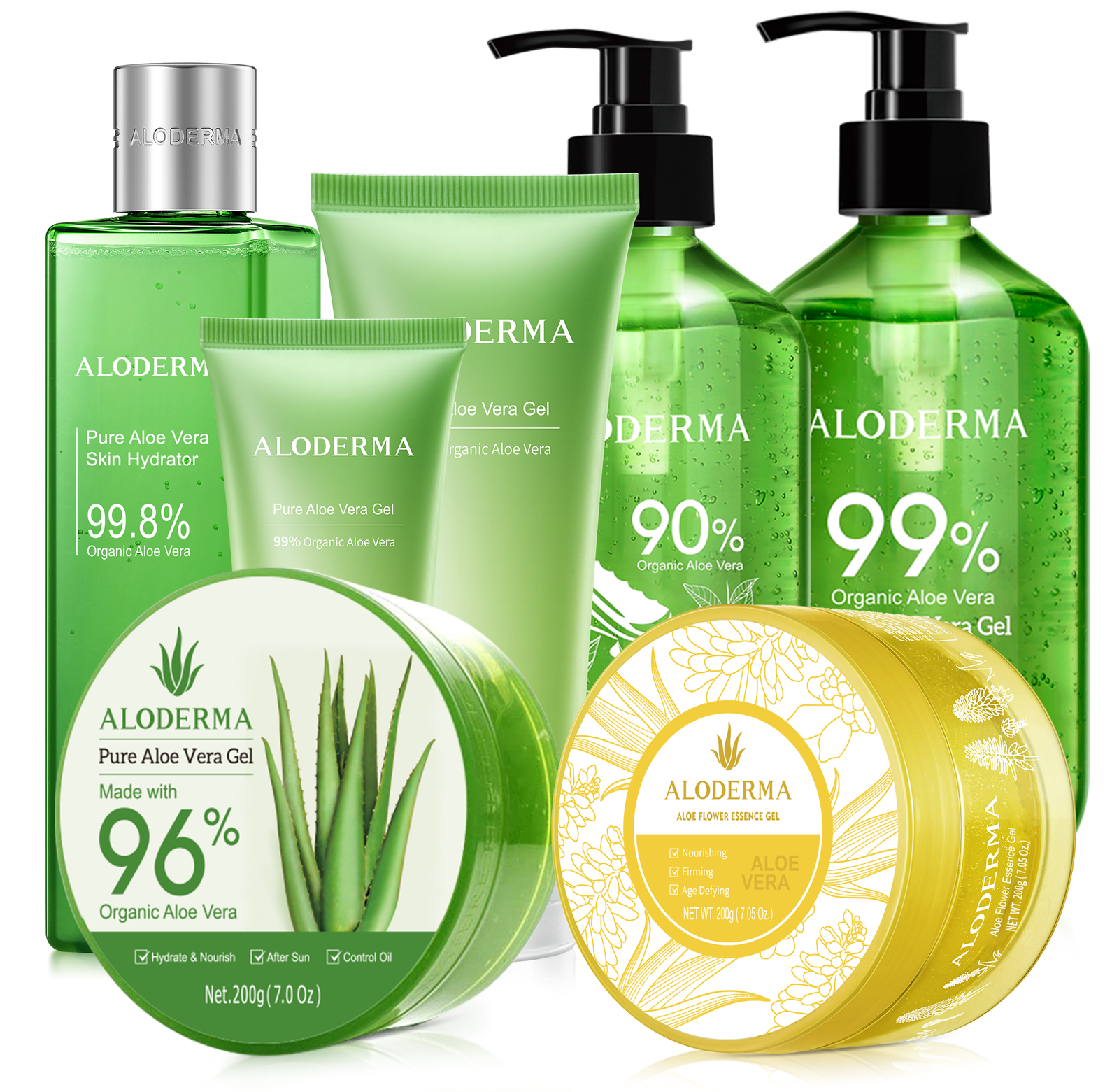
Fresh aloe fits that balancing approach well because it hydrates without adding a greasy layer. For readers who care about ingredient handling, that freshness matters. Aloderma is a fully vertically integrated aloe vera company. It grows its own organic aloe vera and processes and manufactures onsite within 12 hours of harvest so the primary ingredient in every product remains as bioactive as possible. That farm-to-formula model makes sense for oily skin, where texture and comfort are just as important as the ingredient list.
The Relentless Struggle with Skin Shine
Oily skin can be emotionally exhausting because it doesn't just show up once. It keeps interrupting your day. You leave the house feeling polished, then catch your reflection in a window a few hours later and see a shiny forehead, blurred makeup, and pores that suddenly look more obvious than they did in the morning.
For a lot of people, the response becomes automatic. Wash more. Use harsher cleansers. Skip cream. Reach for anything labeled oil control. It feels logical, and sometimes it even works for a few hours. Then the skin pushes back.
The daily pattern most people know
A familiar version looks like this:
- Morning starts clean: Your skin feels fresh right after cleansing, especially if you've used a foaming face wash.
- Midday shine returns: The T-zone gets glossy first, then the rest of the face starts to feel heavier.
- Touch-ups pile up: You blot, powder, or rinse again, which can disturb sunscreen and makeup.
- By evening, skin feels mixed up: Oily on the surface, yet oddly tight underneath.
That last part matters. When skin feels oily and thirsty at the same time, people often assume they need even stronger oil control. In reality, they may need the opposite.
Oily skin usually improves when you stop trying to win a fight against it and start giving it conditions it can regulate under.
Why harsh routines keep failing
The skin produces oil for a reason. Sebum helps protect the surface and support the barrier. If every step in your routine tells the skin it's under attack, you can end up with more shine, not less. This is why some of the most frustrated oily-skin readers are also the most disciplined. They've been very consistent, just with the wrong approach.
A better oily face remedy is built around balance. That means using ingredients that cleanse thoroughly but don't leave the face stripped, and moisturizers that hydrate without creating a slick finish. Once you stop chasing instant dryness, the whole routine starts to make more sense.
Understanding the Cause of Oily Skin
Oiliness often gets reduced to one explanation: genetics. Genetics do matter, but they aren't the whole story. Sebaceous glands, hormones, weather, product choice, and daily habits all affect how oily your face feels.

The five drivers behind excess shine
- Overactive sebaceous glands produce more sebum than your skin comfortably needs.
- Genetic predisposition can make oily skin your default baseline.
- Hormonal fluctuations often increase visible shine.
- Environmental factors like heat and humidity can make oil more noticeable.
- Hydration imbalance can push skin into a rebound pattern.
The first four are generally grasped. The fifth is where routines usually go wrong.
The hydration paradox
Many people with oily skin avoid moisturizers because they expect them to make shine worse. Cleveland Clinic addresses that misconception directly: when skin is stripped of moisture, sebaceous glands can overcompensate by producing more oil, while proper hydration can help support a more balanced complexion, as noted in this Cleveland Clinic guide to oily skin care.
This is the hydration paradox. Skin can look oily because it is trying to protect itself, even while it lacks water. That's why some people feel greasy by noon but still experience tightness after cleansing.
Practical rule: If your face feels squeaky clean after washing, your cleanser may be doing too much.
What balance looks like in real life
Think about two different moisturizers. One is heavy, waxy, and leaves a film. The other is light, water-based, and disappears quickly. People with oily skin often reject both because they belong to the same category. But they don't behave the same way on skin.
A lipid-free hydrator can supply water without adding an oily finish. That's the key distinction. It gives skin what it has been missing without increasing the greasy feeling that people are trying to avoid in the first place.
A good oily face remedy doesn't try to erase sebum overnight. It reduces the triggers that keep pushing skin to overproduce it. Once you understand that, gentler routines stop feeling weak and start feeling strategic.
Your Morning Routine for All-Day Balance
Morning care for oily skin should do three things well. Remove overnight buildup, add light hydration, and protect the skin without making it feel coated. If one step is too harsh or too heavy, the rest of the day gets harder.

Step one with a gentle cleanse
Start with a cleanser that removes sweat and surface oil but doesn't leave your face tight. Foaming can be fine, but the feel after rinsing tells you more than the lather does. Skin should feel clean, not stripped.
Look for a low-residue, non-heavy cleanser designed for frequent use. If your current face wash makes you want to immediately apply something soothing, that's a sign to reassess.
Step two with hydration, not heaviness
After cleansing, use a watery toner or hydrating step to put water back into the skin. Many oily-skin routines break down at this stage. People cleanse and then jump straight to sunscreen, leaving skin under-hydrated.
A light toner can help the face feel more settled and less likely to swing from dry-tight to greasy. If you want a practical product example, Aloderma’s oily skin care routine guide shows how a simple cleanse-and-hydrate sequence can keep the morning routine from getting overloaded.
Step three with an oil-free moisturizer
This is the step people skip most often, and it's usually the missing piece. A lightweight gel moisturizer is often easier for oily skin to tolerate than a traditional cream. A product like Pure Aloe Vera Gel fits here because it offers 99% organic aloe in a texture that hydrates without a greasy finish.
If your skin tends to get shiny fast, apply a thin layer, let it settle, then move to sunscreen. You don't need a thick coat. You need enough hydration to keep skin from chasing comfort through extra oil.
Here's a helpful visual walkthrough of a simple routine in action.
A simple morning checklist
- Cleanse lightly: Remove overnight oil without creating that squeaky after-feel.
- Hydrate on damp skin: A toner or gel step helps reduce the stripped sensation.
- Seal with a weightless layer: Use a non-greasy moisturizer instead of skipping hydration.
- Finish with sunscreen: Choose a broad-spectrum SPF that sits well over your moisturizer.
Morning routines fail when people expect one aggressive product to do all the work. They work better when each step does a small, specific job.
Your Evening Routine to Reset and Purify
Evening care has a different purpose. In the morning, you're trying to set the tone for the day. At night, you're clearing away everything that has collected on your skin: oil, sunscreen, makeup, dust, and the residue of touching your face without realizing it.
Start with a thorough but calm cleanse
If you wear sunscreen or makeup, cleanse in two passes. The first pass loosens the day. The second cleans the skin. This doesn't need to be complicated. It just needs to be complete enough that you don't go to bed with residue sitting in the oily areas of the face.
After cleansing, use a lightweight hydrating serum or gel instead of piling on a rich night cream automatically. Oily skin often does better with texture control than with richness.
At night, clean skin is the goal. Over-cleansed skin is not.
Use treatment steps selectively
Some oily skin does well with retinoids, especially when enlarged pores and congestion are part of the picture. In one double-blind study summarized in this retinoid-focused oily skin routine article, 42% of subjects using tazarotene once daily for 24 weeks achieved significant pore size reduction, compared with 20% on placebo. The same source notes that retinoids can irritate at first, so using them gradually and pairing them with a lightweight hydrator is the more practical path.
If you're reactive, don't stack too many actives at once. One good treatment used consistently is more useful than three treatments that make your skin angry.
Add a weekly clay reset
A clay mask is one of the few classic oily-skin remedies that still earns its place when used properly. The key is restraint. Use it as a weekly reset, not a daily punishment.
Clinical studies cited by Medical News Today note that some clay masks containing Amazonian White Clay and aloe can reduce surface oil by up to 46% after one application, and that a weekly clay routine can cut the recurrence of shine by half compared with routines that don't include it, according to this overview of oily skin remedies.
A practical way to make clay friendlier for oily skin is to blend it with a light aloe gel so it doesn't dry down too aggressively.
- Mix for slip: Combine your clay with enough aloe gel to create a smooth, spreadable texture.
- Don't wait for cracking: Rinse when the mask is semi-dry, not fully rigid.
- Follow with hydration: A thin gel or serum after the mask keeps the skin from feeling stripped.
That pattern absorbs excess oil while avoiding the common mistake of over-drying the face and triggering a rebound.
Key Ingredients for Managing Oily Skin
A good oily face remedy often comes down to ingredient selection. The label can tell you whether a product is likely to help, confuse your skin, or feel good for ten minutes and create problems later.
What deserves a place in your routine
Green tea is one of the more useful natural ingredients for oily skin. A clinical study on 3% green tea emulsion found significant sebum reduction after eight weeks in 10 patients, and a review discussed green tea polyphenols as regulators of oil production, as summarized in this green tea and sebum research article. That makes green tea worth considering in toners, moisturizers, or wash-off products aimed at shine control.
Aloe is useful for a different reason. It hydrates in a lightweight way, which makes it easier to fit into oily-skin routines without the drag or residue of richer textures. Niacinamide can also pair well with this kind of routine because it usually layers easily in lightweight formulas.
Where shoppers get tripped up
Natural trends can create mixed messages. Jojoba oil is often recommended because it resembles human sebum, but oily-skin advice also tells people to avoid oils. That contradiction is part of why ingredient shopping feels so frustrating.
For someone who wants guaranteed non-greasy hydration, a lipid-free hydrator is easier to understand and easier to test. It removes the question of whether adding more oil, even a fashionable one, will feel comfortable on your skin.
| Ingredient Guide for Oily Skin | |
|---|---|
| Embrace (Look For) | Avoid (Be Cautious) |
| Aloe vera gel for lightweight hydration without a greasy finish | Harsh alcohol-heavy formulas that leave skin tight and over-dried |
| Green tea extract for oil-regulating support | Heavy oil-based textures if your skin already feels slick and congested easily |
| Niacinamide in light serums or gels | Overly rich occlusive creams that sit heavily on the T-zone |
| Gentle clay treatments used weekly | Aggressive scrubs that can rough up already stressed skin |
| Retinoids when appropriate and tolerated | Too many actives at once which often backfire on oily, reactive skin |
If you want a broader breakdown of smart ingredient choices, this guide to the best ingredients for oily skin is a useful shopping companion.
The right ingredient list should make oily skin feel more stable after a few weeks, not just drier for one afternoon.
Quick Fixes and Tips for Lasting Success
Midday shine happens. The goal isn't perfection. The goal is staying comfortable without disrupting your routine every few hours.
Better ways to handle shine during the day
Use blotting papers or a soft tissue before adding more powder. If you keep layering powder onto fresh oil, texture gets uneven fast. Press, lift, then decide whether you need anything else.
Keep your hands off your face when possible. It sounds basic, but it's one of the simplest ways to avoid spreading extra oil and residue across the areas that already get shiny first.
If your skin is oily and sensitive, simplify before you intensify. A shorter routine with fewer variables usually works better than rotating through too many masks, acids, and “deep clean” products.
What tends to work long term
The patterns that hold up are usually the least dramatic:
- Cleanse twice daily: Enough to remove buildup, not enough to leave skin squeaking.
- Moisturize even if you're oily: Hydration supports balance better than deprivation.
- Use clay in moderation: Weekly is often enough.
- Question trendy oils: If your skin wants water, give it water first.
Healthline highlights the confusion around jojoba oil and oily skin, and that contradiction is exactly why many people do better with a fresh, lipid-free hydrator instead, as explained in this discussion of home remedies for oily skin.
For readers who want to support skin quality more broadly, these powerful tips for glowing skin add useful lifestyle context around daily habits.
If you want more practical ways to build a routine that stays balanced, this guide on how to control oily skin is a solid next read.
An effective oily face remedy isn't stripping, scrubbing, or chasing a matte look at all costs. It's teaching your skin that it doesn't need to defend itself all day. When hydration is light, cleansing is measured, and treatments are used with restraint, oily skin usually becomes much easier to live with.
If you're looking for a simple place to start, explore ALODERMA for lightweight aloe-based skincare built around fresh organic aloe vera that is grown on the company’s own farms and processed onsite within 12 hours of harvest. That kind of ingredient handling suits oily skin especially well because texture, comfort, and non-greasy hydration matter just as much as the formula itself.