







By lunchtime, your forehead looks glossy, your nose feels slick, and the rest of your face somehow feels tight at the same time. That mix is what makes oily skin so frustrating. You try stronger cleansers, skip moisturizer, maybe scrub more often, and the shine still comes back.
A better oily skin solution usually starts with one shift in thinking. The goal isn't to strip your skin. It's to balance it. When skin feels clean but comfortable, oil control gets easier, makeup sits better, and you stop chasing shine all day.
Fresh aloe fits that approach well because it hydrates without the heavy feel many oily-skin shoppers want to avoid. When formulas are light, gentle, and barrier-aware, you can manage visible oil without making your skin feel punished.
Why Your Oily Skin Needs Balance Not Stripping
By the time oily skin starts acting up, many people have already tried the obvious fixes. Stronger cleanser. More scrubbing. Less moisturizer. Skin may look less shiny for a short window, then feel tight, hot, or oddly greasy again.
That pattern usually points to imbalance, not a lack of effort.
Dermatology-focused guidance on the oily-but-tight skin paradox explains that skin can lose water while still producing plenty of oil, especially when the barrier is irritated. The result is the familiar mix of shine on the surface and discomfort underneath, as explained in this discussion of the oily-and-tight dehydration paradox.
Why stripped skin often looks oilier later
Harsh cleansers, rough scrubs, and high-alcohol formulas remove oil fast. They also tend to leave skin feeling squeaky and over-cleansed. In practice, that often leads to a face that feels clean for an hour, then looks shiny again by midday.
I see this mistake often with oily skin. People assume any post-cleanse tightness means the product is working. Usually, it means the routine is pushing too hard.
Quick check: If your skin feels tight or stings after cleansing, treat that as a sign to use a gentler formula.
What balanced oily skin actually needs
Balanced oily skin still needs hydration. It just needs the right kind. Light layers, non-greasy textures, and barrier-friendly ingredients do more for long-term oil control than constant stripping.
A practical routine usually includes:
- Gentle cleansing: Remove excess oil, sweat, sunscreen, and daily buildup without that dry after-feel.
- Water-based hydration: Humectants help keep skin comfortable, which matters because dehydrated skin often feels oilier and more reactive.
- Smart oil-control ingredients: Use ingredients that help reduce visible shine and congestion instead of relying on friction and over-washing.
- Barrier support: Calm, resilient skin is easier to manage than skin that is irritated every day.
- Consistency: A simple routine used regularly works better than rotating harsh products every few days.
Fresh, bioactive aloe fits this approach well. Good aloe formulas give oily skin water-based hydration with very little heaviness, so skin feels calmer rather than coated. That matters because oily skin often responds best when it is hydrated enough to stay comfortable, but not smothered.
If you want to put this balance-first approach into practice, this guide to a skincare routine for oily skin shows how to build those steps into a routine you can stick with.
Your Daily AM and PM Skincare Blueprint
Routine matters more than product hopping. Most oily skin improves when you keep the steps simple, repeatable, and gentle enough to use every day.
Dermatology guidance recommends a straightforward approach: cleanse up to twice daily with a gentle foaming, oil-free cleanser, use an oil-free noncomedogenic moisturizer after cleansing, and apply daily sunscreen, as outlined by the American Academy of Dermatology's oily skin care guidance.

For a fuller routine walk-through, this guide to a skincare routine for oily skin is a useful companion.
Morning routine that keeps shine in check
In the morning, think fresh start, not deep reset. You don't need to attack your face before breakfast.
-
Cleanse lightly
Use a gentle foaming or gel cleanser that removes overnight oil without leaving a tight after-feel. If your skin isn't very greasy in the morning, keep this step brief and gentle. -
Apply a hydrating toner or essence if you like one
An alcohol-free toner can make skin feel more comfortable and prep it for the next layer. This step is optional, but many oily skin types do well with light hydration here. -
Use a lightweight serum
Choose a thin, fast-absorbing formula focused on oil balance or hydration. Ingredients like niacinamide or humectants can be very beneficial. -
Moisturize, even if you're oily
Skipping moisturizer is one of the most common mistakes. Gel creams and lightweight lotions are usually easier to live with than rich creams. -
Finish with sunscreen
Daily sunscreen isn't optional. Pick one that feels light and comfortable enough that you'll use the right amount.
A smart morning routine should leave skin feeling calm and flexible, not squeaky or coated.
Evening routine that resets without overdoing it
Night is where you remove the day properly and use treatment steps more strategically.
If you wear makeup, heavy sunscreen, or spend a lot of time outdoors, a double cleanse can make sense. Start with a gentle first cleanse to lift surface residue, then follow with your regular cleanser.
After cleansing:
- Tone if it helps your skin tolerate the routine better
- Apply treatment products carefully such as salicylic acid on the nights you need pore support
- Seal in comfort with a light moisturizer
A practical example is a cleanser like ALODERMA Aloe Oil Controlling Cleanser, used as a gentle wash that removes excess oil while keeping the routine light rather than harsh.
What to stop doing
A good oily skin solution is partly about subtraction. Many routines improve when you remove the habits that keep triggering imbalance.
- Don't wash repeatedly: More cleansing doesn't always mean less oil.
- Don't scrub hard: Rough exfoliation can leave skin feeling raw and unsettled.
- Don't skip moisturizer: Dehydrated oily skin often looks shinier, not calmer.
- Don't use every active at once: A crowded routine is harder to tolerate and harder to troubleshoot.
If your routine feels boring, that's usually a good sign. Oily skin often responds best to boring, steady, and gentle.
Elevate Your Routine with Weekly Treatments
Daily care handles the basics. Weekly care lets you fine-tune.
Many people go wrong by reaching for gritty scrubs, strong peels, or masks that leave the face feeling stiff. Weekly treatments should do one of two things for oily skin: help clear buildup or help restore comfort. The best ones do both without tipping your skin into that tight, overworked feeling.
Exfoliate with restraint
For oily skin, exfoliation can help pores look clearer and skin feel smoother. The mistake is treating that as a daily requirement.
A smarter rhythm is to exfoliate once or twice a week, especially if you're using a leave-on active elsewhere in your routine. Gentle chemical exfoliation is usually easier to control than abrasive particles that can feel satisfying in the moment but leave skin unhappy afterward.
Keep these points in mind:
- Choose a gentle format: A mild exfoliating toner or treatment is usually easier to manage than a rough scrub.
- Watch your timing: Don't stack exfoliation on the same night as every other active.
- Pay attention to feel: If your skin feels hot, overly dry, or extra shiny the next day, pull back.
Use masks to rebalance, not punish
A good mask for oily skin shouldn't make your face feel frozen and brittle. It should leave skin looking fresher and feeling more even.
Two types tend to be the most helpful:
- Purifying masks: These are useful when skin feels congested or heavy.
- Hydrating masks: These are ideal when your face looks oily but feels oddly dry or tired.
Weekly treatments should leave your skin clearer or more comfortable. If they leave it stripped, they aren't helping.
Sheet masks can be surprisingly helpful for oily skin when they're lightweight and water-based. That's especially true after a long day in sun, heat, or air conditioning, when your face may look shiny but still feel depleted.
A practical weekly routine might look like this:
- One night: Gentle exfoliation
- Another night: A hydrating mask
- Optional extra: A purifying mask only when your skin seems congested
That rhythm gives you support without turning your routine into a constant correction cycle. For many oily skin types, less is what finally works.
The Ultimate Ingredient Guide for Oily Skin
Ingredient lists can feel confusing because oily skin often needs two things at once. It needs oil management and gentle hydration. If a formula only does one, the results are often disappointing.
One ingredient with direct evidence behind it is niacinamide. In a double-blind, placebo-controlled study of 100 subjects, a topical 2% niacinamide product significantly lowered sebum excretion rates after two and four weeks of use, according to this reviewed niacinamide evidence.
For a shopper-friendly overview, this article on the best ingredients for oily skin is worth bookmarking.
Ingredient Dos and Don'ts for Oily Skin
| Ingredient Type | Look For (The 'Dos') | Avoid (The 'Don'ts') |
|---|---|---|
| Oil-regulating support | Niacinamide for visible oil control and a more refined look | Overly harsh mattifying blends that leave skin feeling stripped |
| Pore-care ingredients | Salicylic acid when you need help clearing buildup and keeping pores feeling cleaner | Daily aggressive exfoliant layering that pushes skin too far |
| Hydration helpers | Humectants and lightweight gel textures that add water without heaviness | Heavy occlusive textures that feel suffocating on already-oily skin |
| Botanical support | Fresh aloe vera in light formulas that comfort skin without a greasy finish | Fragrance-heavy formulas if your skin is easily bothered |
| Cleansing agents | Gentle foaming, oil-free cleansers | Alcohol-based cleansers and products that leave a squeaky after-feel |
Why these choices work
Niacinamide stands out because it addresses visible oiliness directly rather than covering it up with powdery finishes.
Salicylic acid is useful because oily skin often also deals with clogged-feeling pores. It fits best as a measured step, not as an excuse to exfoliate constantly.
Humectants and aloe matter because oily skin still needs water. When hydration is light and comfortable, people are less tempted to over-cleanse.
Ingredients that often create problems
The products most likely to disappoint oily skin usually fall into three groups:
- Drying cleansers: They feel powerful, but they often leave skin tight and reactive.
- Heavy creams: These may be fine for dry skin, but many oily skin types dislike the residue and shine.
- Too many actives at once: A routine with acid, retinoid, scrub, mask, and spot treatment all in rotation can become hard to tolerate fast.
If a product promises control but leaves your skin uncomfortable, it isn't the right long-term oily skin solution.
The sweet spot is usually a formula that feels light, rinses or absorbs cleanly, and supports a routine you can repeat every day without dread.
Lifestyle Habits That Support Balanced Skin
Topical care does a lot, but your skin also responds to the way you live with it every day. The habits around your routine can either support balance or make oil control harder than it needs to be.
Clean habits help more than people think
If your phone screen is always against your cheek, your pillowcase hasn't been changed in a while, and you touch your face all day, your skincare products have to work harder.
A few habits worth tightening up:
- Change pillowcases regularly: Fabric collects oil, sweat, and product residue.
- Wipe down your phone: It spends all day in your hand, pocket, bag, and then on your face.
- Keep hair products off your skin: Styling products around the hairline can make the area feel greasier.
- Avoid constant face touching: It becomes automatic, especially during work or commuting.
Support your skin from the inside too
A balanced complexion usually responds well to steady hydration, decent sleep, and lower day-to-day friction. That doesn't mean chasing perfection. It means noticing patterns.
Some people also like to take a broader wellness view, since overall digestive comfort and daily routines can affect how they feel in their skin. If that approach interests you, these natural strategies for better digestion offer practical, non-restrictive ideas.
Stress management also matters because many people notice their skin feels oilier during high-pressure weeks. You don't need an elaborate reset plan. A walk, better sleep timing, fewer late nights, and regular meals can make your routine easier to judge because your skin is less erratic.
Here's a helpful visual if you're trying to keep your routine and daily habits simple:
What sustainable looks like
The most effective oily skin solution is one you can keep doing when life gets busy.
That usually means:
- A short routine you won't skip
- Products you don't dread using
- Basic hygiene habits that reduce avoidable buildup
- Enough patience to judge progress over time instead of day by day
Skin rarely behaves perfectly. But when your routine is gentle and your habits are supportive, you stop feeling like you're starting over every morning.
The Farm-to-Skin Promise for Oily and Sensitive Skin
By the time many people with oily, reactive skin reach this point, they have usually tried the harsh route already. Strong cleansers, drying spot treatments, and oil-control products can make skin look matte for a few hours, then leave it tight, shiny, and harder to settle down. That cycle is exactly why ingredient quality and formula handling matter.

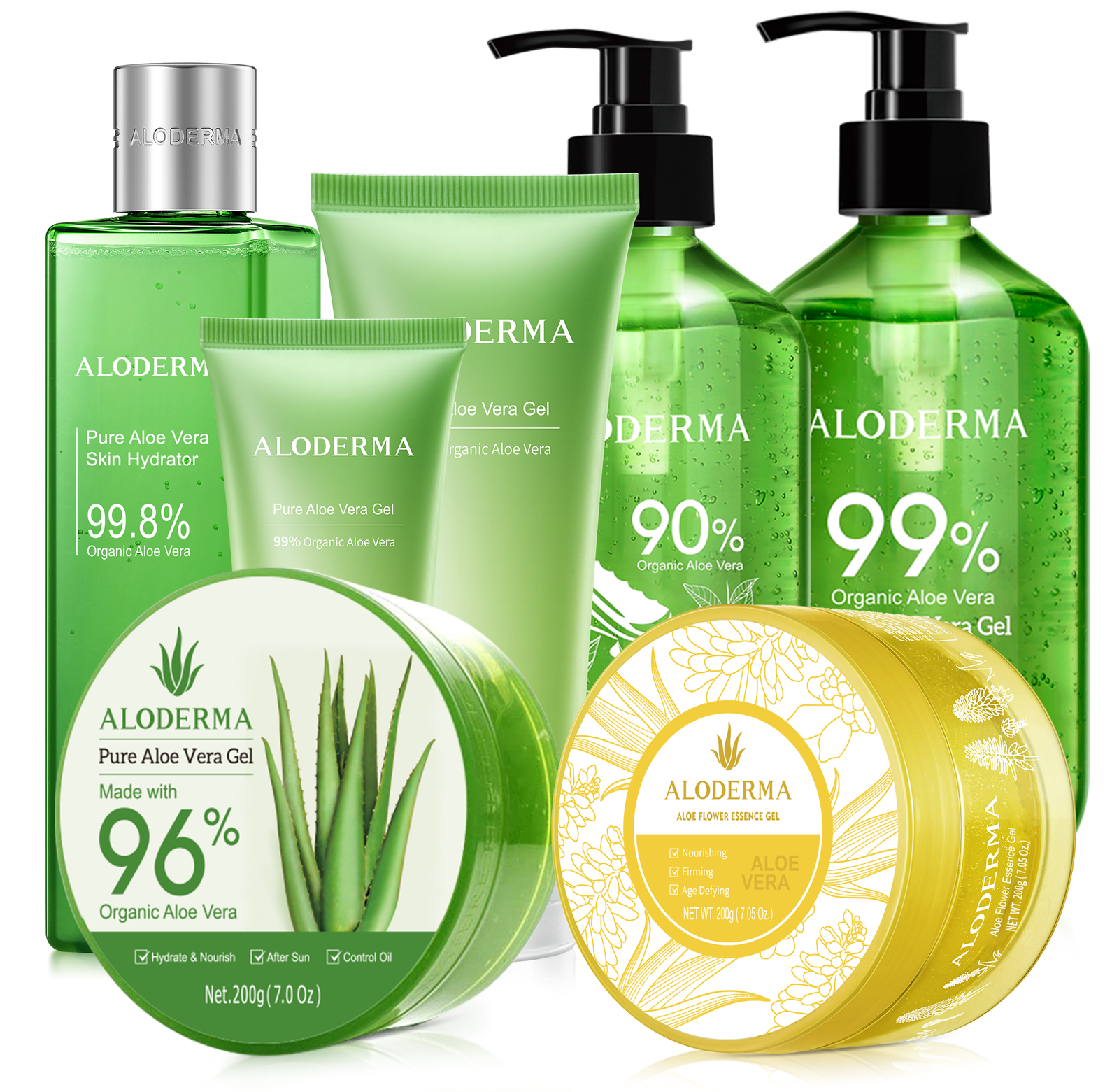
ALODERMA is a fully vertically integrated aloe vera company. The brand grows its own organic aloe vera, processes it on-site, and manufactures within 12 hours of harvest. That shorter path from farm to formula helps preserve the fresh, bioactive character of aloe, which suits oily skin well because it gives light hydration without the greasy finish that can make shine feel worse.
That difference matters even more for sensitive skin.
Aloe is often discussed as a soothing ingredient, but freshness also affects texture and usability. Oily skin usually responds better to products that feel light, absorb quickly, and do not leave behind a heavy film. Fresh aloe supports that kind of formula. Instead of trying to dry the skin out, it helps maintain water content so the surface feels calmer and more balanced.
If you want practical ways to build that kind of routine, this guide on how to use aloe vera for skin gives clear starting points.
Back in 2024, analysts estimated the oily skin control category at billions of dollars, with cleansers taking a large share of the market, as noted earlier in this article. That fits what I see in practice. People with oily skin care a lot about daily feel. If a product leaves skin squeaky, tight, or coated, they stop using it, even if the label sounds impressive.
The farm-to-skin approach stands out because it supports consistency. Freshly processed aloe, lightweight textures, and simple formulas give oily and sensitive skin a better chance of staying comfortable from morning to night. The goal is not to fight your skin into submission. The goal is to keep it hydrated enough, calm enough, and balanced enough that excess shine becomes easier to manage.