



Most advice about organic aloe vera products gets one thing wrong. It assumes the organic label does the hard work for you, when the key difference often comes from what happens after harvest, during processing, decolorization, and bottling. If the gel spends too long sitting around, the product may still be certified organic, but it won't necessarily feel fresh, stable, or worth buying.
That matters because aloe gel is a fragile material, not a shelf-stable mystery ingredient. Aloe vera gel is about 99 to 99.5% water, with only 0.5 to 1% solids made up of polysaccharides, amino acids, minerals, enzymes, and phenolics, so speed and handling matter more than most shoppers realize (technical sheet). For a quick starting point on what purity means in practice, this aloe purity guide is worth reading before you trust a front-label promise.
If you like shopping smart across categories, affordable Lander finds is a useful browsing shortcut for comparing value across product types, but aloe is a category where value only shows up when the ingredient story is transparent. A bottle can look clean and still underdeliver if the formula hides aloe low on the list, uses weak processing, or leans on marketing more than material quality.
Why Most Organic Aloe Vera Products Fall Short
Organic farming is only the first filter
A lot of shoppers treat organic aloe vera like a finished quality seal. It isn't. Organic certification can tell you the plant was grown under a defined standard, but it doesn't automatically tell you whether the leaf was processed quickly, whether the gel was preserved properly, or whether the final formula still contains meaningful aloe.
That gap is easy to miss because aloe looks simple. In reality, the inner gel is a delicate, high-water matrix, and the low solids fraction is exactly why freshness matters so much. Once the leaf is cut, the clock starts, and every extra delay gives enzymes, microbes, heat, and storage conditions more time to work against the native structure of the gel.
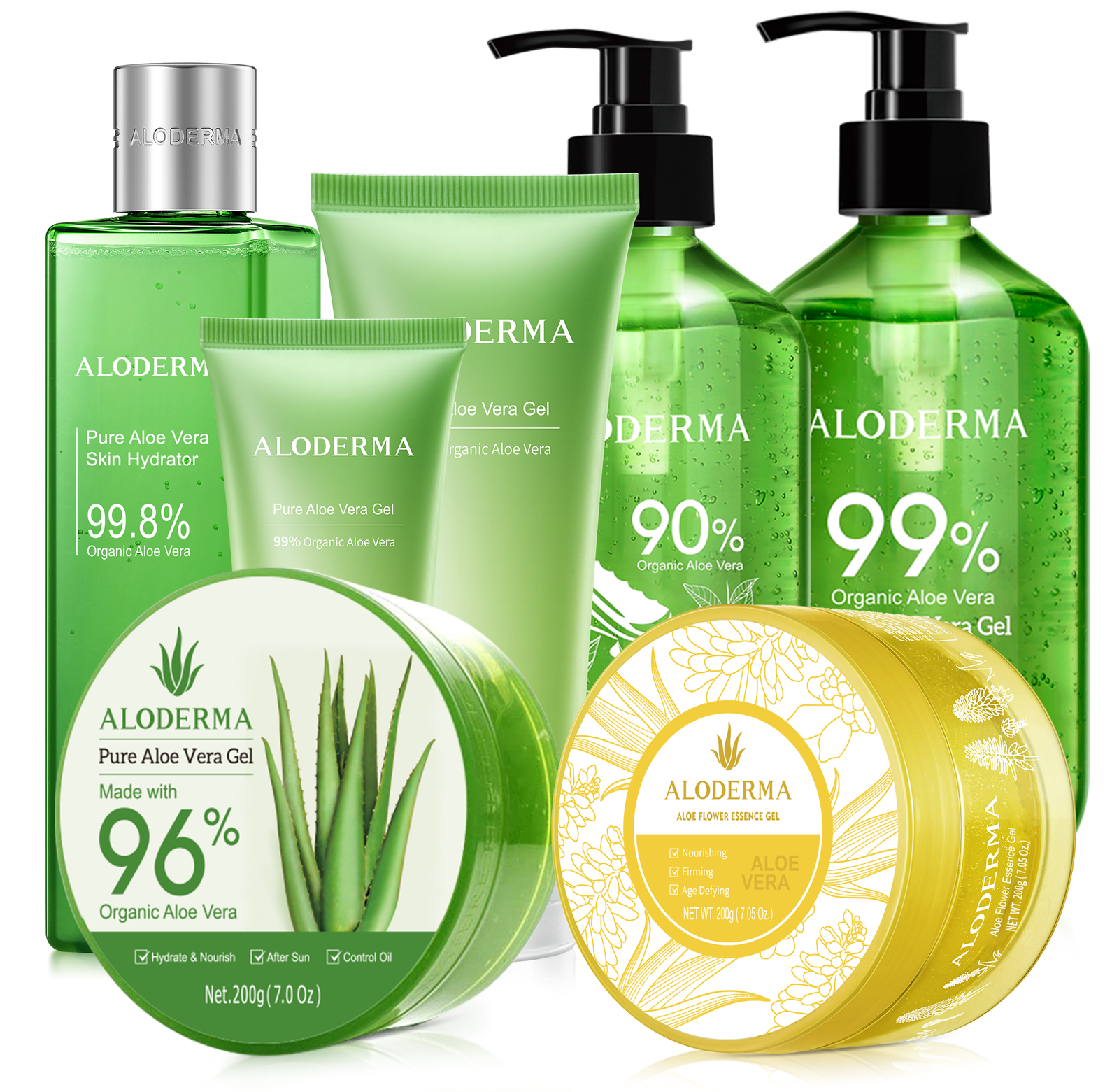
Vertically integrated sourcing makes a real difference. When a company grows its own aloe, harvests it, and processes it on site, it can keep the leaf moving before that fragile structure starts to degrade. Aloderma's farm-to-skin model fits that logic, because it grows its own organic aloe vera and processes and manufactures on site within 12 hours of harvest, which is the kind of operational detail that protects the primary ingredient before it reaches a bottle.
Practical rule: if a brand talks only about certification and never about harvest timing, processing method, or ingredient concentration, you're probably looking at a marketing story, not a freshness story.
What buyers usually miss
It's common to look for a leaf logo or an organic stamp and stop there. That's understandable, but incomplete. The better question is whether the product still behaves like fresh aloe by the time it reaches your skin, or whether it has become a diluted base with a botanical headline.
That's also why low-friction shopping habits can help. A site like Aloderma's purity breakdown can show how a brand explains purity, while a simple ingredient-first mindset tells you more than the label art ever will. When buyers focus on freshness window, aloe position in the list, and processing clues, they stop confusing “organic on paper” with “bioactive in use.”
The Science Behind Fresh Aloe Vera Gel

Why the inner leaf matters most
Fresh aloe isn't just water with a green reputation. The useful part of the gel sits in the inner leaf, where polysaccharides are concentrated, especially acetylated mannan, a marker often used when quality is being evaluated. Industry standards say inner-leaf aloe juice should contain at least 0.5% total aloe solids, with acetylated mannan ≥5% by dry weight and aloin ≤10 ppm as markers of a high-quality, decolorized ingredient (IASC quality standard).
That matters because the outer leaf latex fraction is a different story entirely. The skin care value shoppers want comes from the inner gel, not from the harsher material around it. A product that preserves the inner leaf well is more likely to deliver the light, water-rich feel people expect from aloe, while a poorly handled extract can feel flatter, weaker, or less elegant on skin.
A useful mental model is fresh-squeezed juice versus something rebuilt from storage. If the raw material is handled well, the final texture feels alive and clean. If it's processed slowly or aggressively, the product can still say aloe on the front, but the experience becomes less convincing.
Processing speed changes what survives
Heat and delay are not cosmetic details. They can alter the native gel before the formula even reaches the shelf. That's why fast processing, cold handling, and decolorization are so important for brands that want to preserve the polysaccharide-rich fraction rather than just claim it exists.
Aloe works best when the product protects the part of the plant that actually does the work.
For a deeper brand-level explanation of how aloe is treated from harvest to formula, Aloderma's “Miracle of Aloe” article is a helpful companion read. It's the difference between buying a botanical ingredient and buying a carefully preserved botanical system.
Decoding Organic Certifications and Ingredient Labels

What certifications can tell you
Organic logos matter, but they answer a narrow question. They tell you something about how the plant was produced and how the brand handled organic compliance. They don't automatically tell you whether the aloe is decolorized, whether the gel was processed fast, or whether the formula is built around aloe rather than built around fillers with aloe as decoration.
That distinction is important because the evidence base suggests the bigger safety issue for sensitive skin is not organic status itself, but processing and formulation, with adverse effects linked mostly to non-decolorized aloe vera products (review). So a shopper who stops at the logo can miss the very thing that affects comfort most.
A smart label scan starts with three questions. First, does the brand clearly name the certification? Second, does the ingredient panel place aloe near the top, not buried low in the list? Third, does the brand explain whether the aloe is decolorized and how it's stabilized? Those questions do more than a decorative seal ever will.
How to read the ingredient panel like a formulator
The ingredient list is where the truth usually lives. If aloe appears first, that suggests the formula is built around it. If it appears deep in the list, the product may be more about texture, fragrance, or marketing language than about aloe delivery.
For a practical guide to reading batch and specification documents, Herbilabs' certificate analysis guide is a useful reference, especially if you want to understand what a document proves and what it doesn't. That habit helps you move past front-of-pack claims and toward verifiable formulation details.
Simple test: if a brand can't explain what decolorization means, it probably isn't thinking hard enough about aloe quality.
Aloderma's certification explanation page, ECOCERT organic certification, is also a good example of how a brand can make certification legible instead of vague. The best labels don't hide behind logos, they explain them.
Choosing the Right Aloe Vera Product for Your Skin Type
Match the format to the job
Aloe isn't one product, it's a family of product types. A light gel, a serum, a toner, a mask, or a moisturizer all use aloe differently, and your skin type should decide which format earns a place in your routine. A formula that feels perfect on oily skin can feel underbuilt on dry skin, and a richer cream can overwhelm someone who wants a weightless finish.
Cosmetic testing backs up the idea that inclusion level matters. Formulations with 0.25% w/w and 0.5% w/w lyophilised aloe gel increased stratum-corneum water content after a single application, which shows that aloe can measurably support hydration at defined inclusion levels (study). That doesn't mean more is always better, but it does mean aloe concentration and delivery format matter.
| Aloe Vera Product Formats by Skin Type | |||
|---|---|---|---|
| Product Format | Best For | Key Benefit | When to Use |
| Pure aloe gel | Oily, combination, and blemish-prone skin | Light hydration without heaviness | After cleansing, before moisturizer |
| Aloe serum | Dry or easily stressed skin | More targeted moisture support | Morning or night under cream |
| Toner | Skin that likes a quick, fresh layer | Preps skin and adds light hydration | Right after cleansing |
| Sheet mask | Tired skin that needs a reset | Short, concentrated comfort step | Once or twice a week |
| Moisturizer | Dry skin or layered routines | Seals in water and softness | Last step in the routine |
Build a routine that feels realistic
If your skin runs oily, a pure gel can be enough on some days. If your skin leans dry, pair aloe with a cream so the water-rich layer doesn't just evaporate from the surface. That's why readers often do better when they choose by format, not by trend.
For a practical product browse, Aloderma's lineup includes pure aloe gels, toners, serums, moisturizers, cleansers, and sheet masks, all built around the same ingredient philosophy. If you want a broader shopping framework for matching formulas to your preferences, find skin care products by skin type is a useful companion read before you commit to a routine.
Freshness and Sustainability in Aloe Vera Sourcing

Why one supply chain can outperform another
Freshness and sustainability are usually discussed as if they belong in separate conversations. They don't. A brand that controls the farm, harvest, processing, and manufacturing can reduce delays, limit unnecessary transport, and keep the aloe closer to its best state when it enters the formula. That's not just efficient, it's chemically sensible.
Aloderma's vertically integrated approach is a clear example of this model in action. Because it grows its own organic aloe vera and processes it on site within 12 hours of harvest, the company can preserve the sensitive gel before the low-solids structure has more time to drift away from its native state. In practical terms, that means the product starts with a better ingredient story before any bottle design enters the picture.
What sustainability claims should actually cover
Good sourcing claims go beyond a green leaf graphic. They talk about cultivation, harvest timing, processing control, and the materials that go into the finished formula. They also show whether the brand treats aloe as a central raw material or as a cheap base that gets dressed up later with fragrance and filler.
The market is already telling you that organic matters. The organic aloe vera segment held 67.1% of the global market share, and certified-organic aloe vera products are projected to grow at 11.2% CAGR, faster than conventional alternatives (market report). That doesn't make every organic product good, but it does show that buyers increasingly expect cleaner positioning and better ingredient discipline.
Sustainability is strongest when it improves the product, not just the packaging copy.
Aloe products that are cruelty-free, use plant-based essential oils carefully, and keep ingredient transparency high tend to fit that standard better than formulas that lean on claims while hiding the practical details.
Common Myths About Organic Aloe Vera Products
Myths that sound smart but mislead buyers
One of the most stubborn myths is that all aloe gels are basically the same. They aren't. Two products can both say organic aloe, yet one may be processed fast, decolorized, and formulated with care, while the other may be heavily diluted or handled in a way that strips away much of what buyers hoped to get.
Another myth is that a higher aloe percentage always guarantees a better result. Sometimes concentration matters, but so does stability, ingredient quality, and how the formula sits on skin. A smaller amount of well-preserved aloe can outperform a larger amount that was processed poorly or buried in a messy blend.
Organic doesn't automatically mean gentle
A lot of sensitive-skin shoppers assume organic equals non-reactive. That's a risky shortcut. The evidence points to processing and formulation as the bigger comfort factors, and the problem is most often seen in non-decolorized products rather than in the organic status itself (review).
There's also a safety distinction that buyers often blur. Topical aloe gel is generally well tolerated, while oral aloe latex can cause abdominal pain, cramps, and diarrhea, and oral aloe leaf extracts have been linked to acute hepatitis in reports ranging from 3 weeks to 5 years of use (NCCIH). That's why the label should make clear you're buying a topical gel product, not some vague whole-leaf promise.
The best myth to replace
The smartest replacement belief is simple. Don't ask whether a product is “organic enough,” ask whether the brand can prove freshness, low-irritant processing, and meaningful aloe placement in the formula. That question cuts through hype faster than any logo ever will.
Your Practical Buying Guide and Skincare Routine

A quick checklist before you buy
Start with the certification. Then look at the ingredient list. Then check whether the brand explains how the aloe was processed and whether the formula is decolorized. Those four checks tell you far more than front-label language alone.
- Verify third-party certification: Look for clear organic credentials, not vague eco language.
- Check the harvest and processing story: Freshness matters because aloe gel is mostly water and degrades quickly.
- Confirm aloe sits high in the ingredient list: If aloe is buried, the formula may not deliver much aloe.
- Patch-test before daily use: Even a clean formula can feel wrong on a particular patch of skin.
Keep the routine simple
Use aloe as the light hydrator step, then decide whether your skin needs a cream on top. If you're oily, a gel may be enough in the morning. If you're dry, a serum or moisturizer can help seal the water-rich layer in place so the skin feels comfortable longer.
For readers comparing products by concern, routine, or texture, a guide like find skin care products by skin type can be a useful way to stay organized while shopping. The goal is a routine you'll consistently use, not a shelf full of products you only trust because the packaging looks clean.
Buying rule: if you can't explain why a specific aloe product belongs in your routine, it probably doesn't.
ALODERMA offers organic aloe vera skincare built around fresh aloe, from gels and hydrators to toners, serums, moisturizers, sheet masks, and cleansers. If you want to compare that kind of freshness-first approach for yourself, visit ALODERMA and look closely at how the products describe aloe concentration, sourcing, and everyday use.