





You're standing in front of the mirror, trying to solve a familiar problem. You want the comfort of a facial oil, but you don't want that shiny, slippery finish that sits on top of your skin all morning. You want skin that feels soft, looks fresh, and stays calm and balanced through the day.
That's where pomegranate seed oil gets interesting.
It doesn't behave like the heavy oils many people avoid. It tends to feel more refined, more elegant, and more purposeful. Imagine a well-fitted jacket instead of a bulky blanket. You still get coverage and support, but without the weighed-down feeling.
A lot of shoppers are catching on. The global commercial market for Punica Granatum pomegranate seed oil was valued at USD 656.7 million in 2025, with forecasts expecting it to grow by another USD 957.8 million by 2035, reflecting rising interest in skincare uses according to Future Market Insights on the pomegranate seed oil market.
The Search for a Different Kind of Skincare Oil
Many people start with the same wish: “I need more nourishment, but I don't want to feel greasy.”
If that sounds like you, you've probably tried at least one oil that looked beautiful in the bottle and felt less beautiful on your face. Some oils sit on the surface. Some seem fine at night but feel too rich under sunscreen or makeup. Some make your skin feel coated instead of comfortable.
Why this oil feels different
Pomegranate seed oil has earned attention because it offers a different experience. Instead of acting like a thick seal on the skin, it often feels more like a supportive finishing layer. That matters if your skin is dry in spots, shiny in others, or just easily bothered by heavy products.
A practical example helps. If your cheeks feel tight after cleansing but your T-zone gets glossy by lunch, a very rich oil can make that imbalance feel worse. Pomegranate seed oil is often appealing in that situation because it can add cushion without creating that “I need to blot my face again” feeling.
Healthy-looking skin doesn't only come from adding more moisture. It also comes from choosing ingredients that feel right enough to use consistently.
Why freshness matters more than most people realize
There's another layer to the story, and most skincare articles skip it. With plant ingredients, freshness and timing can affect quality. That doesn't just apply to produce in your kitchen. It applies to skincare ingredients, too.
Think about herbs. Fresh basil smells vivid and bright. Dried basil still has value, but it's not the same experience. Plant oils work in a similar way. The seed, the harvest point, and the way the ingredient is handled all influence what ends up in the final formula.
That's one reason pomegranate seed oil stands out. It's not just another trendy botanical. It's a specialized oil with a very unusual internal makeup, and that unusual chemistry is what gives it its skin feel and its reputation.
The Science Inside Each Pomegranate Seed
Cut open a pomegranate at the right moment and the seeds are at their peak. Wait too long, store them poorly, or process them slowly, and you still have oil, but not the same story. That freshness window matters because pomegranate seed oil is prized for punicic acid, the unusual fatty acid that gives the oil its distinct identity. It is a good parallel to ALODERMA's farm-to-skin in 12 hours approach with aloe. Plant ingredients are often most impressive when they are handled while their bioactive profile is still close to fresh.
The shortest useful explanation is this. Pomegranate seed oil stands out because of punicic acid.
Researchers and ingredient suppliers consistently point to punicic acid, also called Omega-5, as the reason this oil is discussed differently from more familiar plant oils. According to the Gat Foods pomegranate seed oil fact sheet, punicic acid makes up a large share of the oil and is associated with markedly higher anti-radical activity than extra virgin olive oil. If you are curious about the skin benefits of olive oil, that comparison helps frame how unusual pomegranate seed oil really is.

Punicic acid works like a specialty tool
Many skincare oils share a familiar set of fatty acids. Pomegranate seed oil does too, but punicic acid changes the character of the blend.
A simple way to understand it is to compare oils to fabrics. Some oils feel like a basic cotton tee. Reliable, familiar, easy to recognize. Pomegranate seed oil is closer to a performance fabric with a different weave. The material is still fabric, but it behaves differently on the skin, which helps explain why formulators use it for a more refined finish.
That does not make it a drug or a miracle ingredient. It means its chemistry is less ordinary, and unusual chemistry often leads to a different skin feel and a different role inside a formula.
The rest of the oil still matters
Punicic acid gets the attention, but a good formula is never one-note. Pomegranate seed oil also contains other fatty acids that contribute to how it spreads, cushions, and settles on the skin.
Here is the plain-language version:
| Component | Why it matters for feel |
|---|---|
| Punicic acid | Gives the oil its unusual identity and much of its reputation |
| Linoleic acid | Helps the oil feel lighter and more balanced |
| Oleic acid | Adds softness and glide |
| Palmitic acid | Brings a bit of body and cushion |
This is also where harvest timing becomes practical, not just poetic. If the goal is to preserve a plant's most interesting compounds, speed and handling matter. That is why the freshness window deserves more attention in skincare conversations. The same logic behind quick aloe processing applies here. Better raw material handling gives formulators a better starting point.
Why formulators care
When a product makes skin feel smooth, comfortable, and well-coated without turning greasy, that result often starts with the fatty acid profile. Pomegranate seed oil is valued because it can add richness with more restraint than many people expect from an oil.
Practical rule: Judge an oil by its fatty acid makeup and ingredient quality, not just its name. That is what shapes texture, spread, and the way it sits on skin.
What Pomegranate Seed Oil Does for Your Skin
You cleanse at night, apply your moisturizer, and your skin still feels a little papery by bedtime. That is the moment a well-chosen oil can change the feel of your routine. Pomegranate seed oil is less about making skin look glossy and more about helping it feel calm, flexible, and comfortably padded.
That difference matters.

It supports a softer, more resilient skin feel
Skin does not ask for much. It wants enough water, enough lipids, and a surface that is not constantly losing comfort to dry air, cleansing, and long days indoors.
Pomegranate seed oil helps on the lipid side of that equation. It forms a light, cushiony layer that helps skin feel less tight and look less worn out by the end of the day. If your makeup starts clinging around the nose or your cheeks feel fine in the morning but rough by afternoon, this is the kind of support people are usually looking for.
A simple way to picture it is this. Watery products act like a drink for the skin. Oils act more like a soft blanket that helps that comfort last longer. Pomegranate seed oil tends to do that without the heavy, coated feel some richer oils can leave behind.
Freshness affects how much of the good stuff you keep
Here is the part many ingredient lists never explain. Pomegranate seed oil is only as interesting as the seeds it came from and how quickly they were handled after harvest.
Punicic acid is the star compound people associate with pomegranate seed oil. But plant oils are not frozen in time the moment fruit is picked. Heat, storage time, and rough processing can all chip away at what made the raw material special in the first place. Fresh seeds give formulators a better chance of capturing the oil at its most bioactive, much like fresh-cut herbs keep more aroma than herbs left sitting on the counter for days.
That freshness window is a useful way to judge quality. It mirrors the logic behind aloe products made with a fast farm-to-skin approach, such as ALODERMA's 12-hour processing philosophy. Quicker handling helps preserve what made the plant valuable before it ever reached the bottle.
Why that shows up on your face
When pomegranate seed oil is well sourced and well formulated, the payoff is mostly sensory. Skin feels smoother. Dry patches look less obvious. The surface feels more flexible and less reactive to the usual daily annoyances, especially in dry weather or over-air-conditioned spaces.
This does not mean pomegranate seed oil replaces the rest of your routine. It means it can make the routine work better by adding comfort and reducing that strained, over-cleansed feeling. If you need help fitting oils into the right order, this guide on how to build a skincare routine gives a practical framework.
Where it fits compared with olive oil
Olive oil is familiar, and for some skin types it feels rich and protective. If you want broader context, this guide on skin benefits of olive oil is a useful comparison point.
Pomegranate seed oil often feels a bit more refined on skin. Olive oil can feel fuller and denser. Pomegranate seed oil usually reads as lighter, more cushioned, and easier to wear when you want nourishment without a shiny finish.
That is why people often like it for:
- morning routines under sunscreen or makeup
- areas that feel dry but do not want a heavy balm
- skin that looks dull because it feels dehydrated and uncomfortable
Healthy-looking skin usually starts with comfort. Once skin feels calm and well-supported, glow tends to follow.
Adding Pomegranate Seed Oil to Your Daily Routine
The easiest mistake with any facial oil is using it like a finishing gloss and expecting it to do everything on its own. Oils can be useful solo, but many people get a better result when they layer them into a complete routine.

A simple way to use it
If you're new to pomegranate seed oil, keep it easy:
- Cleanse.
- Apply a hydrating layer, such as a toner, essence, or gel.
- Follow with serum or moisturizer.
- Add a small amount of oil, or use a moisturizer that already includes it.
That order matters because oils are usually better at helping seal in comfort than replacing water-based hydration altogether. If your skin feels dry and tight, an oil-only routine can leave you wondering why your face still feels thirsty.
Pair it with watery hydration
Here, people often have an “aha” moment. An oil gives softness. A water-based hydrator gives that fresh, flexible, bouncy feeling. Together, they usually feel better than either one alone.
For example, if your skin gets dry around the mouth but shiny on the forehead, try applying your hydrating product all over, then press a small amount of pomegranate seed oil only where you want extra cushion. That's a more precise approach than coating your whole face in a thick layer.
If you want a step-by-step framework for building that kind of balanced routine, Aloderma has a helpful guide on how to build a skincare routine.
Morning and evening examples
Morning can be very simple:
- After cleansing: use a lightweight hydrating layer first.
- Before sunscreen: apply a very small amount of pomegranate seed oil if your skin feels dry.
- Under makeup: let it settle fully so your base doesn't slide.
Evening gives you more room to be generous.
You can see a full skincare walkthrough here:
At night, many people like to press a few drops over moisturizer. That can make skin feel more replenished by morning, especially in dry weather or in rooms with constant air conditioning.
Use enough to add comfort, not enough to create slip. If your skin feels coated, you've probably gone past the sweet spot.
Is Pomegranate Oil Good for All Skin Types
You cleanse, apply a light moisturizer, then pause at the bottle of facial oil. If your skin gets shiny by noon, breaks out easily, or feels dry and oily at the same time, that pause makes sense.
Pomegranate seed oil can work for many skin types, but the better question is this: what kind of pomegranate seed oil, and how is it used?
That matters because this oil is valued for compounds like punicic acid, and those compounds depend on timing. Pomegranate seeds have a freshness window. Handle them well and process them at the right stage, and you keep more of what makes the oil interesting in the first place. The idea is similar to ALODERMA's farm-to-skin in 12 hours approach for aloe. Fresh handling helps preserve bioactivity, which can change how an ingredient performs and feels on skin.
Why skin type is only part of the story
Skin does not read labels like "dry," "oily," or "combination" and respond on cue. It responds to texture, amount, formula design, and the condition of your barrier.
Pomegranate seed oil often appeals to people who want an oil that feels supportive rather than smothering. A well-made version can feel more like a flexible topcoat than a heavy blanket. That distinction helps explain why some people with oilier or combination skin still enjoy it, especially in small amounts.
Freshness plays a role here too. An oil made from carefully harvested, promptly processed seeds is more likely to reflect the ingredient's natural profile. An older or poorly handled oil may still be called pomegranate seed oil on the label, but it may not give the same skin feel.
Who may respond well to it
Several groups often do well with pomegranate seed oil:
- Combination skin: It can add comfort to drier zones without forcing a rich layer onto the entire face.
- Oily but dehydrated skin: It may help skin feel less tight and overworked when used sparingly.
- Sensitive-feeling skin: Many people prefer the soft, cushioned finish of a simple oil step over harsher-feeling products.
If clogged pores are your main concern, it helps to look at the full formula instead of reacting to the word "oil" alone. A cleanser, sunscreen, or rich cream can be part of that pattern too. Aloderma's guide to ingredients that can clog pores can help you sort out what is causing problems.
A careful test works better than a dramatic one
Trying too much, too fast can confuse the results. If you flood your skin with any oil for three nights straight, you are testing over-application, not compatibility.
A better test is simple:
- Press one or two drops onto the driest area of the face first.
- Try it over moisturizer instead of using it alone.
- If you are breakout-prone, start every other night and watch how your skin feels, not just how it looks.
- Pay attention to comfort the next morning. Skin should feel calm and supple, not greasy or congested.
Used this way, pomegranate seed oil suits a wider range of skin types than many people expect. The key is choosing a fresh, well-handled oil and using it with the same precision you would use for any active ingredient.
How to Choose a High-Quality Product
Not all pomegranate seed oil products are equal. Two bottles can both say “pomegranate seed oil” and still give very different experiences on the skin.
The biggest reason is timing and handling.
The freshness window matters
Research shows that the highest quality pomegranate seed oil, with the most unsaturated acids and punicic acid, is obtained when seeds are processed between 80 and 90 days of development, highlighting the importance of harvest timing according to the study on pomegranate seed development and oil quality.
That's a big insight because it changes the way you think about the ingredient. Pomegranate seed oil isn't a static raw material. It has a freshness window. Harvest too early or too late, and the final oil may not deliver the same level of bioactive value.

What to look for on a label
A few practical checks can help you shop smarter:
- Look for extraction care: gentle processing usually supports ingredient integrity better than rough handling.
- Check the packaging: dark, protective bottles are often a better sign than clear packaging that exposes oils to light.
- Read the formula context: an oil can be excellent, but the full product still needs to make sense for your skin type.
- Choose brands that talk about sourcing: vague ingredient lists tell you less than brands that explain where and how their botanicals are handled.
Fresh plant ingredients have a peak period. Good skincare brands respect that instead of treating botanicals like interchangeable commodities.
Why that idea matters beyond pomegranate
This freshness principle applies to more than seed oils. It also applies to aloe vera, which is one reason Aloderma's philosophy stands out. Aloderma is a fully vertically integrated aloe vera company. The brand grows all of its own organic aloe vera and processes the aloe and manufactures onsite within 12 hours of harvest so the primary ingredient in every product stays as bioactive and effective as possible.
If you want a broader framework for shopping with that level of discernment, Aloderma also offers a guide on how to choose skincare products.
Freshness isn't a marketing extra. For botanical skincare, it's part of quality.
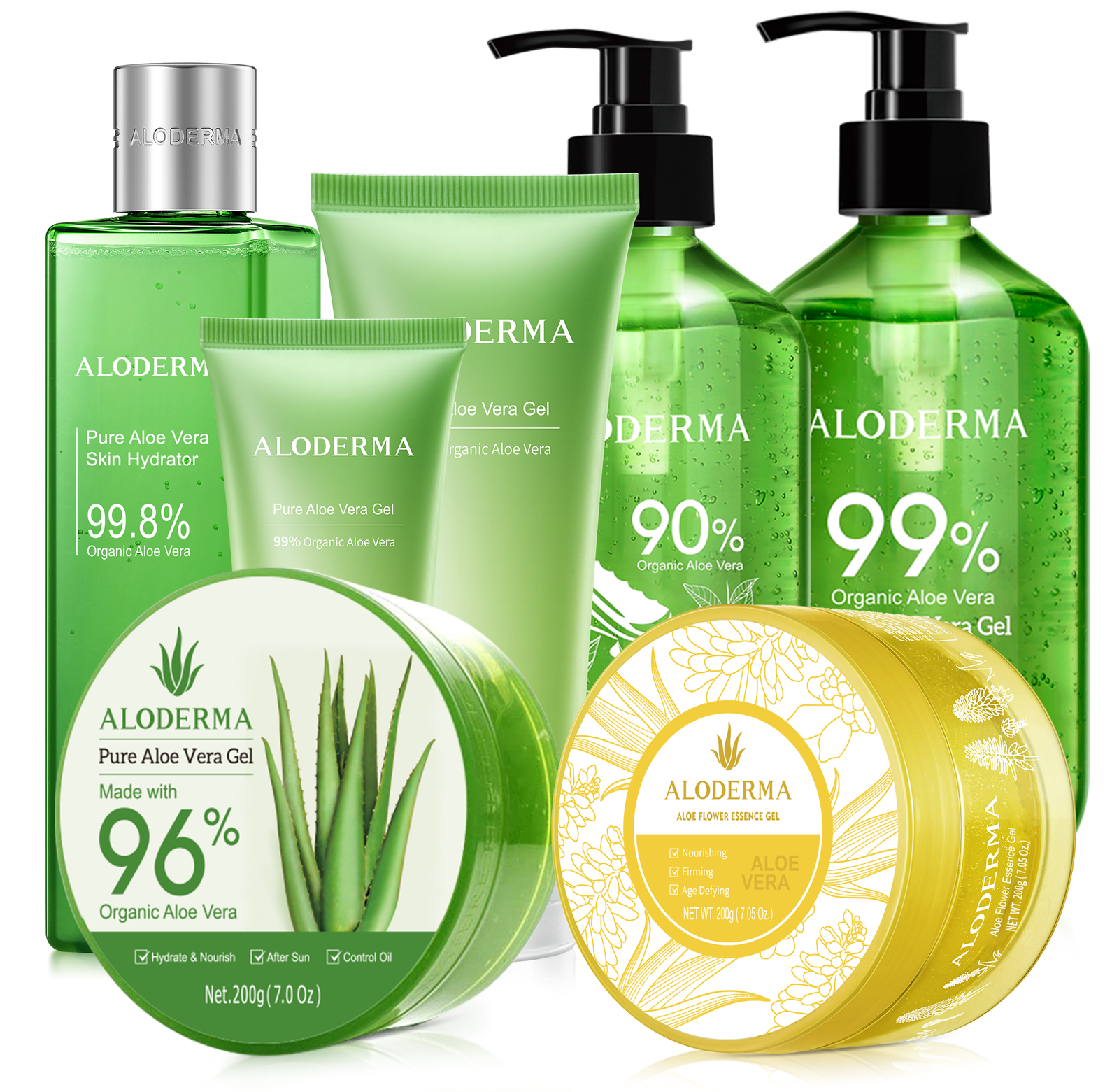
If you want skincare built around that farm-to-skin mindset, explore ALODERMA. As a fully vertically integrated aloe vera company, Aloderma grows its own organic aloe vera and processes and manufactures onsite within 12 hours of harvest, helping keep the aloe in every formula as fresh and bioactive as possible. You can browse everyday hydrators, gels, serums, creams, cleansers, and masks on Aloderma.com, including the Aloe Vera Gel, Aloe Hydrating Toner, Aloe Firming Serum, and Aloe Firming Cream if you're building a lightweight routine focused on comfortable, healthy-looking skin.