







Some mornings, your routine feels heavier than your hair. You try one serum for shine, another for your scalp, a cream for dry ends, and a face oil that sounded promising online. Then you look in the mirror and still think, “Why doesn't this feel simpler?”
That's where Pure Amla Oil gets interesting. It doesn't come from a trend cycle. It comes from a much older tradition of caring for hair and skin with ingredients people could recognize, touch, and trust. When an ingredient stays relevant for generations, people usually keep reaching for it for a reason.
Used well, pure amla oil can become one of those grounding products in a routine. It can support hair that looks smoother and glossier, help the scalp feel more comfortable, and offer a nourishing option for skin when you want something straightforward instead of complicated.
The Search for Naturally Radiant Hair and Skin
You wash your hair, style it, and by evening the roots look flat while the ends feel rough. Your skin might be having a similar week. Too many products, too many ingredient lists, and not enough clarity about what's helping.
That's why many people start moving toward simpler plant-based care. Not because they want to give up results, but because they want products that make sense. A single well-chosen oil can feel more reassuring than a shelf full of bottles with names you can't pronounce.
Amla oil fits that mood well. It carries a long history, a rich botanical feel, and a reputation for making hair and skin care feel more intentional. If you've ever wanted a routine that feels calm instead of crowded, this ingredient often catches your attention quickly.
Why simple routines feel better
A simple routine is easier to repeat. And repeatable care is what usually makes the difference. If an oil helps your hair feel softer after wash day and your skin feel comfortably nourished at night, you're much more likely to keep using it.
Amla also appeals to people who want beauty rituals to feel a little more rooted. There's comfort in using an ingredient that has been part of traditional care for a very long time, especially when modern interest helps explain why it still matters.
Pure amla oil works best when you treat it like a purposeful ritual, not just another random product on the shelf.
What readers usually want to know first
Most confusion starts with a few very practical questions:
- Is it only for hair: No. Many people focus on hair first, but pure amla oil can also be used carefully on skin.
- Will it feel too heavy: That depends on your hair type, how much you use, and whether you rinse it out or leave a little on the ends.
- Does quality matter: Absolutely. With botanical oils, freshness, processing, and purity shape the experience.
If you're craving stronger-looking hair, a more settled scalp, and skin that looks comfortably vibrant, pure amla oil is worth understanding properly.
What Exactly Is Pure Amla Oil
Pure amla oil starts with Emblica officinalis, better known as Indian gooseberry. In its pure form, it is an oil derived from amla seed and valued for the naturally occurring plant compounds that give it its earthy color, richer feel, and antioxidant character. One supplier description notes that the oil is cold-pressed, unrefined, and naturally contains flavonoids and polyphenols, which helps explain why ingredient-focused users seek it out in the first place.

Why cold-pressed matters
Cold-pressed oil works like fresh juice. Gentler processing usually keeps more of the plant's original character intact, including its scent, color, and texture. With amla, that often means an oil that feels more botanical than polished.
That can catch first-time users off guard.
A pure amla oil may look yellow-brown, smell earthy, and feel a little heavier in the palm than a lightweight serum. Those are often signs that the ingredient has not been overly refined or covered up with fragrance. If your goal is a clean routine built around recognizable plant ingredients, that matters.
What makes it stand out
Amla's appeal comes from composition, not marketing language. The oil is known for antioxidant plant compounds such as flavonoids and polyphenols, and that helps explain why it has stayed relevant in both traditional beauty rituals and modern scalp care.
You will also see a wide range of formulas built around amla, from simple single-oil treatments to more targeted blends such as Jamaican hair growth oil routines for stronger-looking strands. That variety is useful, but it can also blur the line between pure amla oil and an amla-inspired product.
Some people also explore amla while trying to treat hair loss naturally. In that setting, purity matters because it is easier to judge how your scalp and hair respond when the ingredient list is short and easy to read.
Why people mix up pure and blended versions
The label is where confusion usually starts. A bottle can say “amla oil” even if amla is only one part of a larger blend with mineral oil, lighter carrier oils, added fragrance, or silicone-like conditioners.
That does not make the product useless. It just makes it different.
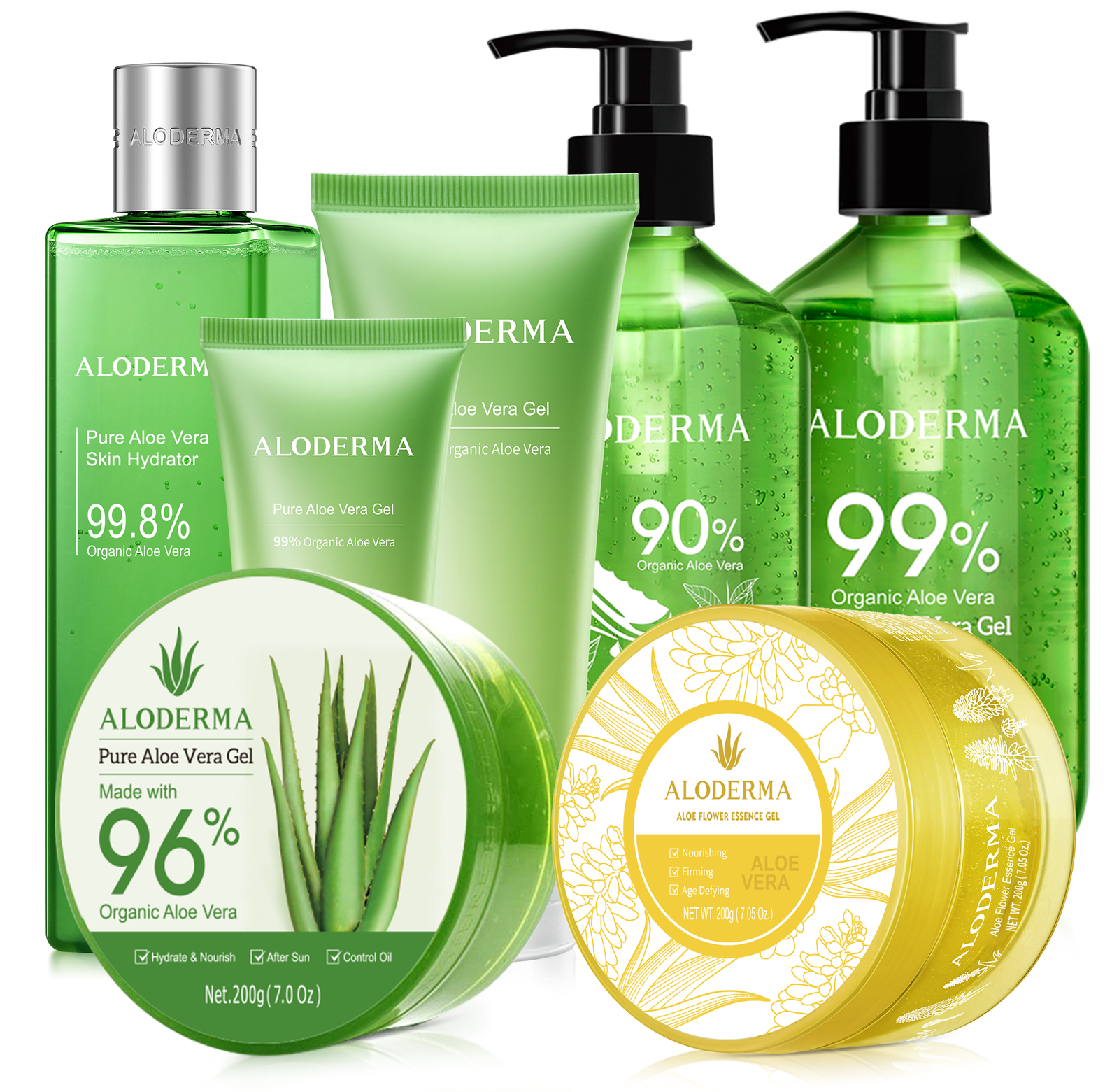
Pure amla oil gives you the ingredient in a more direct form, while a blend changes the feel, spreadability, scent, and overall experience. If you like to build a routine with fresh, active botanicals, that distinction becomes even more important. Pure amla can play the richer, nourishing role, while fresh aloe vera supports the water-based side of care by helping skin and scalp feel soothed, hydrated, and clean. That pairing is part of what makes a thoughtful routine feel complete, especially with farm-to-skin aloe such as ALODERMA's, where freshness is part of the value rather than an afterthought.
A simple test helps. If the bottle smells strongly perfumed, feels unusually slick, or lists amla far down the ingredient list, you are probably looking at a blend rather than the full character of pure amla oil.
Real Benefits for Hair Scalp and Skin
The most persuasive thing about amla isn't just tradition. It's that tradition and newer evidence point in the same direction. The use of amla for hair health dates back to 600 BCE, and a modern double-blind trial reported a 40% improvement in hair density after 12 weeks of topical amla oil use compared with a placebo group, according to Ask Ayurveda.

For hair
Hair usually shows the most obvious cosmetic payoff first. Pure amla oil can coat the surface of the hair shaft, which helps rough strands feel smoother and look shinier. If your ends look tired under bright bathroom lighting, this is often the first change you notice.
That smoothing effect matters in everyday life. Hair tangles less easily when the surface feels softer. It can also look more polished on no-styling days, which is exactly what many people want from a natural oil.
Some readers also use amla as part of a broader plan to treat hair loss naturally. That kind of resource can be useful when you want your routine to include scalp care, daily habits, and realistic expectations together.
For the scalp
The scalp is easy to overlook until it feels uncomfortable. Amla's antioxidant profile and cleansing support make it appealing for people who want a scalp ritual that feels balanced rather than harsh.
Verified background also notes documented antifungal and antimicrobial properties that help suppress scalp microbes and reduce dandruff and itching, based on the Ella and Eden article. In practical terms, that means pure amla oil can be useful when your scalp feels unsettled and your wash routine needs a gentler, more plant-based reset.
If scalp-focused oils interest you, this related read on Jamaican hair growth oil gives another helpful angle on oil-based hair rituals.
For skin
Amla oil can also earn a place in skin care, especially if you prefer richer botanical textures in small amounts. Because it contains flavonoids and polyphenols, people often use it to support skin that looks dull or tired.
The key benefit here is nourishment, not drama. A tiny amount pressed into drier areas can help skin look more supple and comfortable. Many people prefer to use it at night because richer oils often feel best when you're not layering makeup or sunscreen on top.
What to expect first
The timeline matters. One's biggest change is not typically noticed on day one. What often happens first is quieter:
- Hair looks glossier: especially through the mid-lengths and ends
- The scalp feels more settled: less tight or flaky-looking
- Skin feels cushioned: particularly when used sparingly on dry spots
The first win with pure amla oil is often feel, then appearance, then longer-term consistency.
Your Simple Guide to Using Amla Oil
Using Pure Amla Oil doesn't need to be elaborate. It works best when you match the method to the concern. If you use too much, it can feel heavy. If you use the right amount, it can feel wonderfully grounding.
Pre-shampoo hair treatment
This is the easiest place to begin. Pour a small amount into your palm, rub your hands together, and work it through the scalp and lengths before washing. Leave it on while you answer emails, tidy up, or make tea.
Then shampoo thoroughly. This method suits people whose hair feels dry, rough, or generally overworked.
Scalp massage ritual
If your main concern is the scalp, keep the oil focused there. Part the hair in sections and apply a little at a time with your fingertips. Massage gently rather than rubbing hard.
This turns the oil into a targeted treatment instead of a heavy all-over coating. It's especially helpful if your lengths don't need much but your scalp does.
Use less than you think you need on the first try. You can always add more next time.
Smoothing dry ends
Some hair types don't want a full oiling session. They just want the ends to stop looking frazzled. In that case, smooth a tiny amount onto the last few inches of damp hair before washing, or use the lightest touch on dry ends if your hair tolerates oils well.
This works nicely for hair that gets fluffy or rough-looking around the edges but doesn't need a richer scalp treatment every time.
A careful way to use it on skin
Amla oil can also be used as a facial or body oil, but restraint matters. Warm a drop or two between your fingers and press it onto areas that need extra nourishment. Many people prefer to use it at night because richer plant oils can feel more comfortable then.
If you're already using active skin products, keep your amla step simple and minimal. Skin usually responds better when you introduce one new rich product at a time.
Amla Oil Application Guide
| Concern | Application Method | Amount | Frequency |
|---|---|---|---|
| Dull lengths | Pre-shampoo treatment through mid-lengths and ends | Small amount | As needed |
| Dry-feeling scalp | Section hair and massage directly onto scalp | Small amount | As needed |
| Rough ends | Smooth lightly onto ends | Tiny amount | As needed |
| Skin that feels dry | Press onto dry areas after cleansing | 1 to 2 drops | As needed |
A sample routine that feels realistic
Here's a simple example. On wash day, massage pure amla oil onto the scalp and through the ends. Leave it on while you do something relaxing, then wash it out well. On a non-wash night, use a drop on rough cuticles or dry patches instead of applying it everywhere.
That's often enough. You don't need a spa-style ritual to get value from a botanical oil.
How to Choose a Truly Pure Amla Oil
Buying amla oil gets easier once you stop reading the front label first. Start with the ingredient list. That's where the truth usually lives.
A quality reference from DOAJ gives unusually specific markers for pure amla oil. It reports a standardized acid value of 3.03 mg KOH/g, viscosity of 102.8 cp, and density of 0.966 g/mL. It also notes key bioactives such as total phenolics around 0.2% and tannins around 0.05%, with no microbial contamination detected.
What purity looks like on a label
Most shoppers won't test density or viscosity at home, but those figures help you understand that real quality control exists. A serious oil should be more than a vague promise in a bottle.
When you shop, look for:
- Cold-pressed wording: This signals a gentler extraction style.
- A short ingredient list: Fewer extras mean fewer surprises.
- No obvious fillers: Skip formulas padded with mineral oil or synthetic fragrance if your goal is purity.
- Clear sourcing language: Brands that explain how the oil is processed tend to be easier to trust.
What your senses can tell you
Pure amla oil usually won't smell like salon perfume. It often has a distinct herbal, earthy scent and a richer feel. That can be a good sign. Many highly processed oils lose the character that makes plant ingredients interesting in the first place.
The texture should feel like a treatment oil, not a watery liquid pretending to be one. The color is typically yellowish-brown rather than crystal clear.
Why this matters beyond marketing
When a brand dilutes a botanical oil heavily, you may still get a pleasant product. But you won't get the same direct ingredient experience. For people who care about plant-first routines, purity often matters more than a fancy bottle or a lower price.
If you want another helpful perspective on sourcing and processing in botanical oils, this article on hexane-free castor oil is a useful companion read.
A good amla oil should feel like a plant ingredient with integrity, not a fragrance blend wearing a botanical name.
Pairing Amla Oil with Fresh Aloe Vera
Amla oil and fresh aloe vera complement each other beautifully because they do different jobs. Amla feels rich and sealing. Aloe feels light, water-loving, and refreshing on hair and skin. Together, they can create a routine that feels balanced rather than greasy.
Why the pairing works
Think about damp hair after washing. It often needs two things at once: hydration and a little protection. Aloe vera can provide that fresh, lightweight layer, while amla oil can help hold softness into the hair, especially on the ends.
The same logic can apply to skin. A light aloe layer can help the skin feel comfortable first. A small amount of oil on top can make that comfort last longer, particularly in dry environments or after cleansing.
A simple routine idea
Try this approach:
- Apply aloe vera to clean, slightly damp skin or freshly washed hair.
- Let it settle for a moment.
- Use a very small amount of pure amla oil where extra nourishment makes sense, such as dry ends or drier areas of the body.
That order matters. Water-based hydration generally feels best first. Oil usually makes the most sense as the follow-up step.
Why freshness matters with aloe
Fresh aloe has a different feel from formulas that rely on a long chain of processing and storage. That's one reason ingredient-conscious shoppers often pay close attention to how aloe is grown and handled.
If you want more context on practical aloe routines, this guide on how to use aloe vera for skin is worth reading.
For people building a clean beauty routine, this pairing can be refreshingly simple. Aloe brings the fresh, lightweight side. Amla brings the richer, botanical finish.
Safety Tips for Happy Hair and Skin
Even potent plant oils like pure amla require thoughtful use to keep hair and skin comfortable.
Amla is concentrated. A little can go a long way, especially on fine hair, reactive scalps, or skin that is already dealing with irritation. The goal is the same one you use with any active botanical. Give your hair or skin enough support to benefit, without piling on more than it can handle.
Smytten notes a few practical concerns: some people may notice mild scalp sensitivity, the oil can stain light fabrics, and frequent heavy use can leave fine hair coated and limp. That last point confuses many people, because rich oils can feel nourishing at first and still become too much over time. Hair needs balance, not a constant layer of residue.
Smart habits that prevent problems
A few simple habits make amla much easier to use well:
- Patch test first: Try a small amount on a discreet area before full use.
- Start small: Begin with a few drops, not a heavy coating.
- Protect fabrics: Use a darker towel or pillowcase if the oil will stay on for a while.
- Match the amount to your hair type: Fine hair usually does better with less oil and less frequent use.
- Use it on calm skin: Skip application over broken, freshly irritated, or highly sensitized areas.
If your hair gets weighed down easily, use amla like a weekly treatment rather than a daily finish. Applying it mainly to the mid-lengths and ends often works better than coating the roots. That small adjustment can change the whole result.
The aloe pairing can help here too. Fresh, bioactive aloe vera gives a light water-based layer first, so you may need less amla oil afterward. That is one reason a clean routine built around both ingredients often feels more balanced. ALODERMA's farm-to-skin aloe fits this approach well because fresh aloe supports comfort and hydration, while a modest amount of amla adds softness and a protective finish.
Watch how your hair and skin respond over a few uses. Good routines usually become clearer with less product, not more.