



You've likely experienced this moment. You're standing in front of your mirror, looking at a serum bottle that promises “pure hyaluronic acid,” and wondering whether it's worth the space on your shelf. The name sounds scientific. The claims sound impressive. The situation can feel blurry.
That confusion makes sense. Hyaluronic acid is one of those ingredients everyone seems to mention, but very few people explain in normal language. If your skin sometimes feels tight, looks a little flat, or seems thirsty no matter how much cream you apply, this ingredient often enters the conversation fast.
What matters is understanding what pure hyaluronic acid really is, what it can do, and where people often get misled. It's not magic. It is useful. And it works best when you use it in a smart, practical way, especially alongside fresh, water-rich ingredients like aloe vera.
Welcome to the World of Hyaluronic Acid
The first thing to know is reassuring. Hyaluronic acid isn't some strange lab-only ingredient. It's a substance your body naturally contains, and it plays a major role in helping skin feel comfortable and hydrated.
That's one reason it has stayed relevant for so long. Hyaluronic acid was first isolated in 1934 by Karl Meyer and John Palmer from the vitreous humor of a cow's eye, and a major breakthrough came in 1979 with the production of the first pharmaceutical-grade pure HA, which helped open the door to its use in ophthalmic procedures and later skincare, as described in this history of hyaluronic acid.

Why people fall in love with it
The initial concern with hyaluronic acid is rarely its chemistry. Instead, it arises from the sensation of one's skin.
Maybe your face feels dry by midafternoon even though you moisturized in the morning. Maybe makeup starts looking uneven around your cheeks. Maybe your skin feels reactive when you try richer products, yet still doesn't seem satisfied. Hyaluronic acid appeals to people in that exact spot because it offers hydration without the heavy feel of a rich balm or oil.
Simple truth: when skin has enough water, it tends to look smoother, softer, and more comfortable.
That's the heart of the ingredient's popularity.
What “pure” usually means to a reader
When readers encounter the phrase “pure hyaluronic acid,” they typically assume one of two things:
- It must be stronger
- It must be better for sensitive skin
Sometimes that's partly true. Sometimes it isn't. A good formula isn't just about spotlighting one ingredient. It's about whether the whole product helps that ingredient do its job well.
If you want a broader look at how daily hydration supports skin comfort and appearance, this guide on how to hydrate skin gives helpful context.
The Science of a Super Hydrator
Hyaluronic acid is best understood as a humectant, which means it attracts water. That sounds technical, but the daily-life version is simple. It behaves a bit like a sponge that wants to hold onto moisture near the skin.
One of the most talked-about reasons people use it is its water-binding ability. Hyaluronic acid can bind up to 1,000 times its volume in water, which helps explain why it's so common in hydrating products, as noted by the Cleveland Clinic's overview of hyaluronic acid.

Why one hyaluronic acid serum feels different from another
Many shoppers get confused by this point. Not all hyaluronic acid acts the same way on skin because molecular weight matters.
According to the hyaluronic acid reference summary on Wikipedia's hyaluronic acid page, high-molecular-weight HA (>1 MDa) sits on the skin's surface and forms a hydrating film, while low-molecular-weight HA (6–200 kDa) penetrates deeper into the epidermis and can help improve elasticity and the look of fine lines.
That sounds abstract, so here's a practical way to think about it.
| Type | What it tends to do | How it often feels |
|---|---|---|
| High molecular weight | Helps hold moisture at the surface | Cushiony, smooth, sometimes slightly film-forming |
| Low molecular weight | Reaches deeper into the upper skin layers | Lighter, less noticeable, often fast-absorbing |
A simple way to picture it
Think of molecular weights as different sizes of water-loving mesh.
- Larger mesh pieces stay closer to the surface and help create a hydrated veil.
- Smaller mesh pieces move farther into the upper layers of skin.
- Multi-weight formulas try to do both, giving you quick comfort and a more lasting hydrated feel.
That's why one serum can leave you feeling instantly softer, while another seems to disappear quickly but still makes your skin look better over time.
A good hyaluronic acid formula doesn't have to choose between surface comfort and a lighter finish. Often the best feel comes from combining different forms well.
Why sodium hyaluronate shows up on labels
Many products don't list “hyaluronic acid” exactly that way. You'll often see sodium hyaluronate instead. That's a common form used in skincare, and if you want a clean explanation of how it fits into formulas, this ingredient guide to sodium hyaluronate is useful.
For everyday skincare, what you'll notice isn't the chemistry term. You'll notice whether your skin feels bouncy, less tight, and easier to live in.
Decoding "Pure" on a Skincare Label
Here's the myth to let go of first. “Pure hyaluronic acid” does not mean a bottle is filled with nothing but hyaluronic acid. If it were, it wouldn't be a user-friendly serum.
In real skincare, “pure” usually points to a product that centers hyaluronic acid as a key active and avoids turning the formula into a cluttered mix of trendy extras. That can be good. But the front label still doesn't tell you everything you need to know.
What the word doesn't tell you
A “pure” claim usually doesn't answer these practical questions:
- Is the formula using one molecular weight or several?
- Is the texture light or sticky?
- Does the product give hyaluronic acid enough water to work with?
- Are the supporting ingredients gentle and hydration-focused?
That's where many people get disappointed. They buy a product because the front sounds clean and simple, then discover the experience on skin isn't what they expected.
The label-reading gap most shoppers run into
There's a real education gap here. As noted in this discussion of hyaluronic acid consumer guidance, brands often talk about “multi-molecular weight” hyaluronic acid, but most shoppers aren't taught how to verify those claims or how complementary ingredients such as aloe vera polysaccharides can support hydration at different skin depths.
That matters because hydration rarely comes from one ingredient acting alone.
If a serum says “pure hyaluronic acid,” ask a better question. Does the whole formula help hydration happen in a gentle, useful way?
A better way to judge purity
When I read a label, I think of purity less as “stripped down” and more as purposeful.
A purposeful hydration formula usually does a few things well:
- It includes a form of HA that's there for a reason.
- It gives that HA a water-rich environment to work in.
- It avoids making skin feel smothered or coated.
- It supports hydration with ingredients that complement it rather than compete with it.
That last point matters more than many people realize. Aloe vera is a good example of a partner ingredient that makes sense beside hyaluronic acid. It brings its own water-rich, soothing, skin-comforting character, which can make a hydration formula feel more complete and less one-note.
Unveiling the Benefits for Your Skin
If your skin looks tired when it's dry, hyaluronic acid can make a visible difference in how fresh your face looks by the end of the day. Not because it changes who you are, but because hydrated skin reflects light better and feels more supple.
That's why people often describe the results with words like plump, dewy, smooth, and bouncy. These aren't empty beauty words when the product is used well. They're sensory words for skin that finally feels like it has enough water.

What you may notice first
The earliest benefit is often comfort.
Skin that felt tight after cleansing can feel softer. Areas that looked a little crinkled from dryness can look smoother. Makeup often sits better when the surface of the skin isn't thirsty.
A lot of people expect dramatic overnight change, but the first win is usually smaller and more personal. Your skin feels easier to manage. You stop thinking about it as much.
Why lightweight hydration matters
Some people avoid hydrating products because they assume hydration means heaviness. That's not how hyaluronic acid works in a well-made formula.
It's often a good fit for people who want moisture without an oily finish. If rich creams make your face feel too coated, a hyaluronic acid serum can give a fresher kind of hydration. This is especially helpful when your skin feels unsettled easily and you want products that feel calm, light, and low-fuss.
Why aloe vera makes the experience better
Hyaluronic acid works best as a team player. That's especially true when the supporting ingredient is something naturally water-rich, like fresh aloe vera.
Think of it this way. Hyaluronic acid helps bind moisture. Aloe vera helps create a soothing, refreshing environment around that moisture. Together, they can make skin feel hydrated in a more rounded way, not just slick on the surface.
Some of the best hydration routines aren't built around one “hero” ingredient. They work because several gentle ingredients support the same goal from different angles.
The emotional side people don't always say out loud
When your skin is dry, everything can feel harder. Your face can look dull when you want to look awake. Your routine can feel like guesswork. You can end up layering product after product and still feel unsatisfied.
A good hyaluronic acid routine often helps because it simplifies things. Your skin feels more comfortable. Your face looks more rested. You don't need to chase that “finally hydrated” feeling all day.
Your How-To Guide for Flawless Application
The biggest mistake people make with pure hyaluronic acid is also the easiest to fix. They apply it to dry skin.
That can backfire. The Cleveland Clinic notes that pure hyaluronic acid can bind up to 1,000 times its volume in water, but when it's applied to dry skin in a low-humidity environment, it can pull moisture from deeper layers of the skin instead, which may leave skin feeling drier. Applying it to damp skin gives it external water to bind to so it can hydrate the surface effectively.

The rule that changes everything
Apply hyaluronic acid to damp skin, not a dry face.
That dampness doesn't need to be dramatic. Your skin doesn't need to be dripping. It just needs a little surface moisture so the ingredient has water available right away.
If you've ever used a hyaluronic acid serum and thought, “Why does this feel tacky?” or “Why does my face somehow feel tighter later?” this is often the missing piece.
A simple routine that works in real life
You don't need a complicated ritual. Try this:
-
Cleanse gently
Wash your face without over-stripping it. -
Leave skin slightly damp or add moisture back
You can use a light mist, a hydrating toner, or a thin layer of aloe gel. -
Apply your hyaluronic acid serum right away
Press it in while that moisture is still on your skin. -
Seal it in with moisturizer
This helps keep the hydration where you want it.
If your skin still feels dry
Check these common issues:
- You waited too long and your skin dried before the serum went on.
- You skipped moisturizer afterward.
- Your room air is dry, so the serum had very little ambient moisture to work with.
- You used too much product, which can leave an uncomfortable film instead of a clean hydrated finish.
Practical rule: damp skin first, hyaluronic acid second, moisturizer third.
Here's a visual walkthrough if you like seeing routine steps in action.
Where aloe vera fits beautifully
Aloe vera can be an excellent prep step before hyaluronic acid because it lightly dampens the skin while adding a fresh, comfortable feel. If your skin dislikes heavy layers, that pairing often feels more elegant than piling on thick products.
This is one of the easiest upgrades you can make to your routine. Instead of asking hyaluronic acid to do all the work alone, you give it the water-rich conditions it needs to perform well.
How to Choose the Right Hyaluronic Acid Product
Shopping gets easier when you stop chasing the loudest front-label claim and start looking for a few practical clues.
First, check the ingredient list for hyaluronic acid or sodium hyaluronate. Then think about the full formula. A good product usually feels like it was built for hydration from top to bottom, not like HA was tossed in for marketing.
A quick shopping checklist
-
Look for the HA form
Sodium hyaluronate is common in skincare and worth recognizing on an ingredient list. -
Pay attention to texture goals
If you hate sticky serums, choose formulas described as lightweight or fast-absorbing. -
Consider the support system
A water-rich base and complementary hydrators often matter as much as the star ingredient. - Think about layering The best product is one you'll use consistently under your moisturizer.
If you want help understanding how hyaluronic acid fits into a lotion format rather than a serum, this article on hyaluronic acid lotion is a helpful read.
What smart shopping really looks like
The right hyaluronic acid product isn't always the one that sounds the most “advanced.” It's the one that fits your skin habits. If you like quick morning routines, choose a formula that disappears fast. If your skin gets tight easily, choose one that layers well with cream or aloe gel.
A good hydration product should make your routine easier, not more confusing.
Frequently Asked Questions About Hyaluronic Acid
A few questions tend to come up again and again, especially once people start using pure hyaluronic acid and want to know if they're doing it right.
Quick answers you can actually use
| Question | Answer |
|---|---|
| Can I use pure hyaluronic acid every day? | Yes. Most people use it regularly because it's a hydration-focused ingredient and easy to fit into daily routines. |
| Should I use it in the morning or at night? | Either works. Many people like it both times because hydration is useful under daytime skincare and in an evening routine. |
| Can I layer it with other skincare ingredients? | Usually yes. Hyaluronic acid is known for being a flexible team player in a routine. |
| Why did my serum feel sticky? | That often happens when you use too much, apply it to dry skin, or don't follow with moisturizer. |
| Do I need a moisturizer after it? | Usually yes. Hyaluronic acid helps attract water, and moisturizer helps keep that hydration in place. |
The question behind most questions
Individuals often aren't really asking, “What is hyaluronic acid?” They're asking, “Will this make my skin feel better without making my routine harder?”
That's a fair question. And the answer is often yes, if you choose a well-balanced formula, apply it to damp skin, and treat it as part of a hydration system instead of a standalone miracle.
Use hyaluronic acid like a supportive step, not a one-bottle fantasy. That's when it tends to shine.
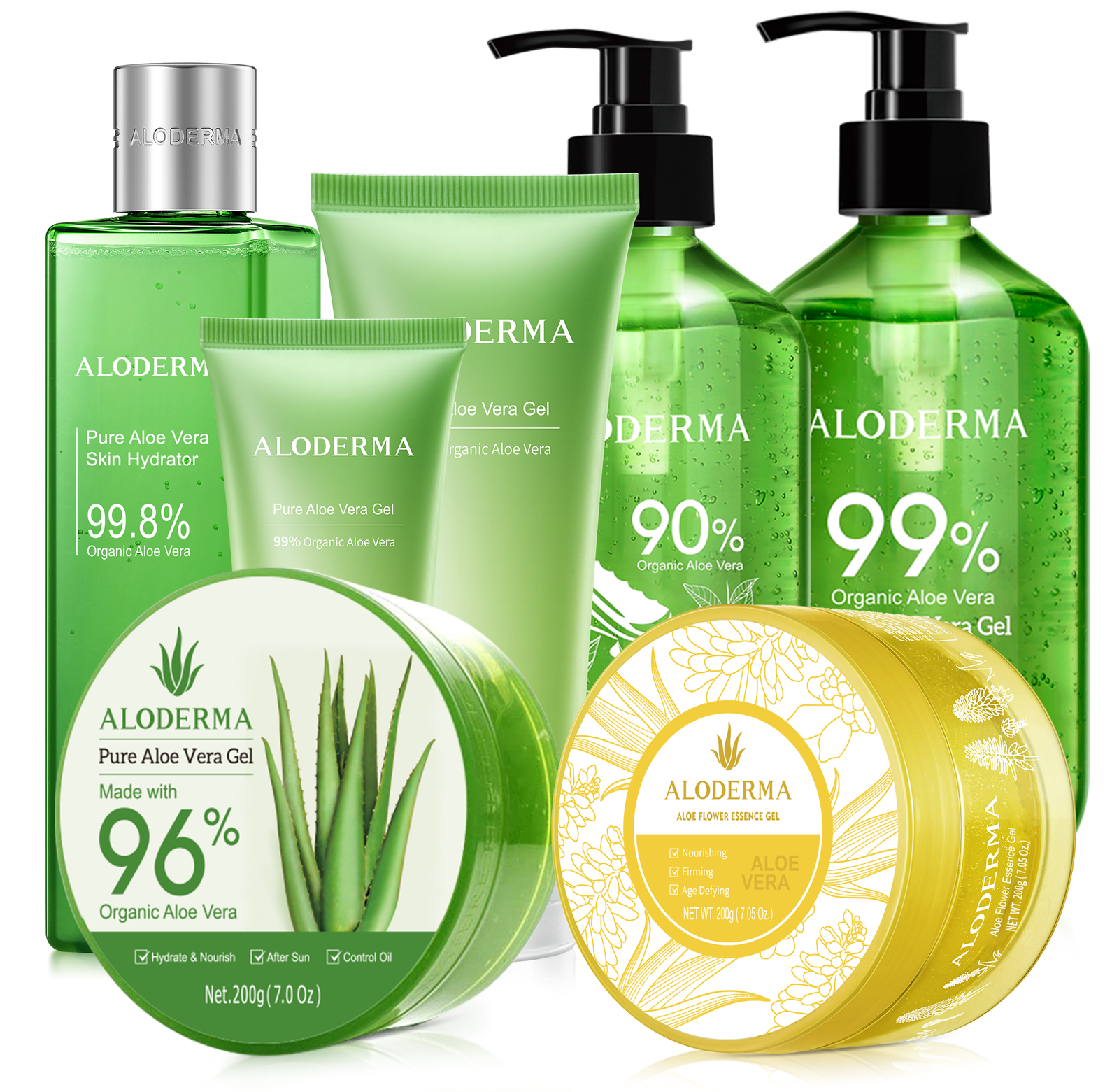
If you want to put this into practice with aloe-centered skincare, explore ALODERMA. ALODERMA is a fully vertically integrated aloe vera company that grows its own organic aloe vera and processes and manufactures onsite within 12 hours of harvest, helping keep the primary ingredient in every product as bioactive and effective as possible. If you love the idea of pure hyaluronic acid working as part of a gentler hydration team, their farm-to-skin approach is worth a look.