







You buy a cream because the label says “gentle.” You try it that night. By morning, your skin feels hot, tight, or just plain unhappy. So the jar gets pushed to the back of the cabinet with the rest of the almost-full products that didn't work out.
If that sounds familiar, you're not overreacting, and you're not alone. Finding the sensitive skin cream best match for your face often has less to do with chasing trendy ingredients and more to do with understanding what your skin can comfortably handle.
A good cream for reactive skin should feel like support, not a gamble. That usually means fewer common triggers, more barrier-friendly ingredients, and a texture that suits how your skin behaves day to day. It can also mean paying attention to something most shoppers overlook. The quality and freshness of the main ingredient.
The Search for a Gentle, Effective Sensitive Skin Cream
A lot of people start the search the same way. They stand in the skincare aisle or scroll through product pages, looking for words like “calming,” “clean,” “hypoallergenic,” or “for all skin types.” Then they bring something home and hope for the best.
That trial-and-error cycle is exhausting. It's also common. A 2020 review in the International Journal of Women's Dermatology reported that about 60–70% of women and 50–60% of men globally say they have some degree of sensitive skin, according to this review on sensitive skin prevalence.
When so many people describe their skin as sensitive, it stops being a rare issue and starts looking like an everyday reality. The problem is that “sensitive” can mean different things to different people. One person gets stinging from fragranced creams. Another feels tight and dry after cleansing. Someone else breaks out from rich textures and assumes all moisturizers are too much.
Sensitive skin often gets treated like a mystery, but most of the confusion comes from using products that don't match your skin's actual needs.
If you also book facials or skin treatments, it helps to choose providers who understand reactivity and gentle aftercare. A local resource like this Sonora beauty services guide can help you screen options before you commit to a service.
One of the easiest starting points is to look for fragrance-free formulas, especially if your skin tends to complain quickly. This short guide to a fragrance-free moisturizer is a useful place to begin if you're trying to simplify your routine instead of adding more variables.
Why Your Skin Feels So Reactive
Think of your skin barrier like a protective shield. When that shield is in good shape, it helps keep moisture in and keeps everyday irritants from bothering you as much. When that shield has weak spots, skin tends to feel more reactive.
That's when small things can start feeling big. A face wash feels too stripping. A scented cream tingles. Weather changes show up immediately on your face. Even products that other people call “basic” can feel uncomfortable.
The barrier support idea
Sensitive skin often benefits from ingredients that act like repair helpers. According to LearnSkin, ceramides, glycerin, niacinamide, and panthenol are highly valued for sensitive skin because they support barrier repair, and ceramides help restore the skin's lipid matrix while glycerin improves hydration, as explained in this guide to safe ingredients for sensitive skin.
Here's a simple way to think about those ingredients:
- Ceramides help fill in the “gaps” in the skin's outer layer.
- Glycerin pulls in water so skin feels less tight.
- Niacinamide can support barrier function, though some people prefer to introduce it slowly.
- Panthenol is often included when a formula is meant to feel comforting and supportive.
Why your skin reacts to the wrong formula
Sometimes people assume their skin hates all moisturizers. More often, it hates a mismatch.
A cream can feel wrong when:
- It's too active and includes ingredients your skin isn't ready for.
- It's too fragranced and your skin interprets that as stress.
- It's too rich for skin that wants hydration without a heavy finish.
- It doesn't give enough support for skin that feels dry and fragile.
Many readers encounter a common challenge here. They hear “repair the barrier,” then buy the thickest cream they can find. But if your skin is reactive and oily, a heavy cream can feel suffocating. If your skin is dry and reactive, a feather-light gel may not be enough.
For a broader explanation of how oily, dry, and sensitive skin can overlap in surprising ways, this Skin Revision skin health guide gives a helpful plain-language overview.
Practical rule: Don't ask only “Is this product for sensitive skin?” Ask “Will this texture and ingredient mix support the way my skin behaves?”
A Sensitive Skin Ingredient Cheat Sheet
Reading an ingredient list can feel like decoding another language. The easiest way to shop is to split ingredients into two groups. The ones that usually support sensitive skin, and the ones that deserve extra caution.

Ingredients worth looking for
The American Academy of Dermatology recommends fragrance-free moisturizers and highlights ceramides and hyaluronic acid as useful ingredients, while advising people with sensitive skin to avoid fragrance and alcohol, as noted in this AAD moisturizer guidance.
A simple shopping list looks like this:
- Aloe vera for light, comforting hydration, especially when you want moisture without a greasy finish.
- Ceramides if your skin feels tight, dry, or easily unsettled.
- Hyaluronic acid when skin needs water-binding hydration.
- Glycerin for steady everyday moisture support.
- Panthenol when you want a formula that feels soft and cushioning.
- Allantoin for a formula that leans gentle. If you want to understand why it shows up so often in comforting skincare, this allantoin ingredient guide explains its role clearly.
Ingredients to approach carefully
These don't bother everyone, but they're common places to start if you're troubleshooting.
| Ingredient type | Why people with sensitive skin often avoid it |
|---|---|
| Fragrance | A common source of discomfort in otherwise nice formulas |
| Alcohol | Can feel drying or sharp on reactive skin |
| AHAs | Useful in some routines, but can feel like too much when skin is already stressed |
| Sensitizing essential oils | “Natural” doesn't always mean easy for reactive skin |
A quick note on lifestyle. If your skin reacts to fabrics, detergent, or heat while you sleep, your moisturizer may not be the only issue. These SouthShore Fine Linens sensitive skin recommendations are useful because bedding can subtly affect how comfortable skin feels overnight.
What the label should make you feel
A good sensitive-skin product label should feel calming before you even open the jar. You want a short list of recognizable support ingredients, fewer obvious triggers, and no need to “push through” discomfort because the product is supposed to work eventually.
If a cream stings every time, feels heavily perfumed, or leaves your skin greasy and irritated, that's not your skin being difficult. That's useful feedback.
The best sensitive skin cream usually looks boring on paper. That's often a good sign.
The Aloderma Difference From Farm to Face in 12 Hours
Freshness matters more than many skincare shoppers realize. If aloe is the star ingredient in a cream, the question isn't only whether aloe is present. It's how that aloe was handled before it ever reached the jar.
There's a big difference between something made from fresh plant material and something built around a more processed version of that ingredient. A useful comparison is fresh juice versus concentrate. Both come from the same source, but they don't feel the same.
For reactive skin, that distinction can matter. When you're trying to keep a routine simple and comfortable, the quality of the first ingredient matters just as much as the list of things left out.
Why fresh aloe stands out
Aloe is often appealing to people with sensitive skin because it offers hydration in a lighter, more comfortable way than some heavy occlusive creams. That makes it especially relevant for anyone who wants skin to feel supported without feeling coated.
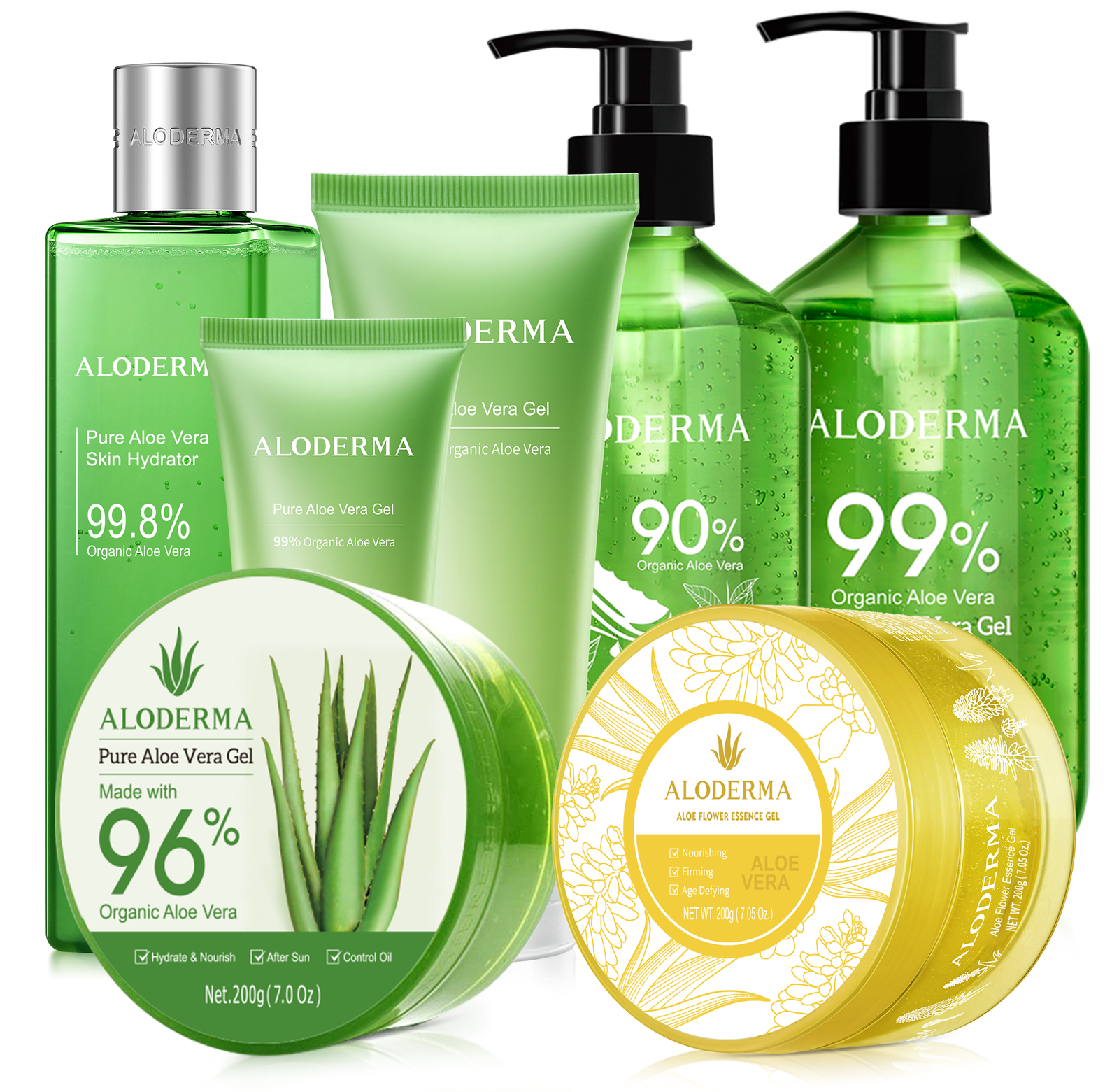
ALODERMA's model is unusually direct. It is a fully vertically integrated aloe vera company that grows its own organic aloe vera, processes it on-site, and manufactures within 12 hours of harvest so the primary ingredient in its formulas stays as fresh and bioactive as possible. That farm-to-skin approach is central to why some aloe-based products feel different from formulas where aloe appears on the label but not necessarily as a meaningful, fresh core ingredient.
One option in that category is ALODERMA Aloe Soothing & Moisturizing Cream, a cream built around aloe for daily hydration.
Freshness is part of the formula
A sensitive-skin cream isn't only a list of ingredients. It's also a formula philosophy.
When a brand controls cultivation, processing, and manufacturing in one chain, there's less distance between harvest and finished product. For people with reactive skin, that can feel reassuring because the brand isn't treating aloe like a decorative add-on. It's treating aloe as the main event.
This short video gives a closer look at that process and why it matters in practice.
What this means for real routines
If you've tried “free-from” creams and still felt underwhelmed, freshness may be the missing piece. A product can be fragrance-free and still feel flat, heavy, or not very comforting. A fresh aloe-centered cream takes a different route. It starts with hydration that feels lighter and more breathable.
That doesn't mean every sensitive person should use the same texture. Some people still need a richer cream around dry areas. But for many readers, especially those who dislike thick formulas, farm-harvested aloe processed within 12 hours is a useful way to think beyond the usual marketing language.
How to Choose the Best Cream for Your Unique Skin
The phrase sensitive skin cream best sounds like there should be one clear winner. In real life, the right choice depends on how your skin acts by the end of the day.
Some people need more cushion. Others need less weight. The trick is to match texture, ingredient profile, and formula style to your version of sensitivity.

If your skin feels dry and reactive
You'll usually do better with a cream that feels a bit richer and more sealing.
Look for:
- Ceramides and glycerin when your face feels tight after washing
- Panthenol or allantoin if your skin gets uncomfortable easily
- Fragrance-free formulas that don't add extra stress
A richer cream can make sense at night or during cold, windy weather when skin feels like it's losing moisture quickly.
If your skin is sensitive but also oily or blemish-prone
Many guides overlook a key consideration. You may still need daily hydration, but you probably don't want a dense cream that sits on the skin all afternoon.
A lighter formula often works better when it has:
- Humectants first, such as aloe or hyaluronic acid
- A clean finish instead of a waxy film
- Non-heavy hydration that doesn't make you feel shiny too soon
If your preference is moisture without a weighty finish, a lighter option such as Aloderma Aloe Hydrating Cream is the kind of texture worth considering.
A quick label checklist
Expert formulators recommend that creams for sensitive skin keep the pH around 4.5–5.5 and avoid common irritants like fragrance to reduce stinging potential, according to this formulator guidance on moisturizer design.
Use this quick screen before buying:
- Check the irritant profile. Fragrance and heavily perfumed formulas move to the no pile.
- Check the support ingredients. You want barrier helpers or light hydrators that fit your skin type.
- Check the texture story. Gel-cream, lotion, or rich cream should match how your skin feels, not what's trending.
If a cream sounds good but you can already tell the texture would annoy you, keep looking. Comfort is part of performance.
The Right Way to Introduce and Use a New Cream
Even a well-formulated cream can go wrong if you apply it everywhere on day one. Sensitive skin usually does better with a slower start.
A simple patch test routine
A practical patch test doesn't need to be complicated:
- Choose a small area. The inner forearm is a common choice. Behind the ear also works for many people.
- Apply a small amount. Use the product on clean skin.
- Wait and observe. Give your skin time to show you how it feels.
- Repeat before full-face use. If the area stays comfortable, move to a small facial area before using it all over.
This isn't about being nervous. It's about giving your skin a quiet, controlled introduction.
How to start using the cream
Once your patch test goes well, use the cream in a stripped-down routine for a few days.
- Keep the rest of your routine simple so you know what your skin is responding to.
- Apply on slightly damp skin if the formula is light and hydrating.
- Use once daily first if your skin tends to react quickly.
- Don't combine with lots of new actives at the same time.
If you're rebuilding a gentle routine from scratch, this guide on how to build a skincare routine can help you keep the process manageable.
Start low-drama. One new cream, one simple routine, and enough time to notice whether your skin feels more comfortable.
Your Sensitive Skin Questions Answered
Can sensitive skin still need a lightweight cream
Yes. Some people hear “barrier support” and assume they need the richest cream possible. But a key challenge is balancing barrier support with a lighter texture, especially when skin is also oily or blemish-prone. In that case, humectants like aloe vera can offer gentle hydration without the heaviness of some traditional occlusive creams, as discussed in this moisturizer guide for sensitive skin.
Is fragrance-free enough on its own
Not always. Fragrance-free is a smart first filter, but it doesn't automatically make a product your best match. Texture, the overall formula, and the kind of hydration it provides still matter.
Should I choose aloe or ceramides
It depends on what your skin needs most right now. If your skin dislikes heavy products and mainly wants comfortable hydration, aloe can make more sense. If your skin feels very dry, tight, and depleted, ceramide support may be more useful. Some people do well with both in different products or at different times of year.
Why do some “gentle” creams still feel wrong
Because “gentle” isn't a regulated feeling. One formula may be gentle for dry reactive skin but too heavy for oily reactive skin. Another may be lightweight but not cushioning enough for skin that feels fragile.
What's the smartest way to find the best one
Look for a small number of supportive ingredients, avoid obvious triggers, match the texture to your skin type, and introduce the product slowly. That usually works better than chasing hype.
If you want a simpler place to start, ALODERMA focuses on fresh, organic aloe vera skincare with a farm-to-skin process that begins on its own aloe farms and moves to on-site processing and manufacturing within 12 hours of harvest. If your skin tends to prefer light, comfortable hydration over heavy formulas, that freshness-first approach is worth a look.