







You're probably here because your bathroom shelf has become a mix of hopeful purchases. A cleanser that felt too drying. A cream that seemed fine for a week, then suddenly felt heavy. A serum you bought because the reviews were glowing, even though you weren't fully sure it matched your skin.
That's exactly why a skin care quiz can feel so helpful. It gives you a starting point when your skin feels harder to read than it should. And if you have combination skin, easily reactive skin, or skin that changes with weather, stress, or your cycle, the key skill isn't just taking the quiz. It's learning how to interpret the results without treating them like a rigid label.
Why a Skin Care Quiz Is Your New Best Friend
Walking through a beauty aisle or scrolling online can feel like speed dating for products. Everything promises glow, balance, clarity, comfort, or smoother texture. But your skin doesn't need every promise. It needs the right fit.

A good skin care quiz narrows that noise. It asks focused questions about how your skin feels, what you notice during the day, and what usually throws it off. That makes it easier to sort through endless product categories and get to a routine that suits you.
Why quizzes became so common
Skin quizzes are no longer a novelty. They've become a standard feature across global skincare retailers and prestige brands, from Dermalogica to Estée Lauder, which shows how widely brands now use quizzes to personalize recommendations at scale, as noted by Image Skincare's skin quiz page.
That shift makes sense. Consumers don't want a ten-step lecture before buying a cleanser. They want quick guidance that feels personal and useful.
Practical rule: A quiz works best when you treat it like a smart first consultation, not a final verdict.
That's also why interactive tools have spread far beyond skin care. If you're curious why quizzes work so well online, this guide on how brands boost ecommerce conversions with interactive content gives useful context without getting overly technical.
What makes a quiz useful
A useful quiz does three simple things:
- Cuts choice overload by reducing dozens of product options to a smaller set that fits your answers.
- Translates skin language so “tight after washing” or “shiny by lunch” becomes a meaningful clue.
- Builds confidence because you're choosing from a routine logic, not random trends.
If you want a practical place to begin, the ALODERMA skin care quiz is designed to help shoppers connect skin concerns with a simpler routine. The important part isn't getting a perfect label on the first try. It's getting direction.
How a Digital Quiz Understands Your Skin
A digital quiz is really a structured conversation. It serves as a personal shopper for your face. You answer simple questions. The quiz looks for patterns. Then it matches those patterns to a routine style.

Your answers are clues
When a quiz asks whether your skin feels tight, shiny, comfortable, rough, or easily bothered by new products, it isn't being nosy. It's collecting treatment-relevant variables. That means details that help shape a routine.
Many routine tools organize this information around questions like:
- Skin type such as oily, dry, balanced, or combination
- Current concerns such as visible dehydration, uneven texture, or blemish tendency
- Daily context such as climate, product habits, or how your skin reacts after cleansing
Some quiz frameworks then translate that into a stepwise morning and evening plan. One example builds an AM sequence of cleanser, toner, serum, moisturizer, and sunscreen, then a PM sequence of makeup removal, cleanser, toner, serum, and moisturizer, as shown in the Hers skin care routine quiz.
Why some quizzes feel smarter now
Not all quizzes are simple self-selection tools anymore. Some use image analysis and larger research foundations to improve how they classify skin patterns. La Roche-Posay says its MyRoutine AI is built on 20 years of skin research and uses 50,000 graded photos, with the company reporting more than 95% accuracy in its tool, according to its MyRoutine AI page.
That doesn't mean a quiz replaces professional care. It means modern quizzes can be a more credible decision aid than the old version of “pick one skin type and hope for the best.”
A skin care quiz should guide product choice. It shouldn't make you feel boxed in.
The same logic shows up in other industries too. If you've ever wondered how businesses turn a few smart questions into a more personalized recommendation path, tools like AI forms for lead qualification offer a useful comparison.
What a quiz can and can't do
A quiz can do a lot well when you answer truthfully.
- It can identify patterns in oiliness, dryness, sensitivity, and routine goals.
- It can suggest structure so you know what product category comes first.
- It can reduce guesswork when you're choosing between several similar products.
What it can't do is capture every shift your skin goes through. Skin changes. Weather changes. Product tolerance changes. If your skin often feels reactive, reading more about what sensitive skin can look and feel like can help you answer quizzes more accurately.
Decoding Common Skin Care Quiz Questions
Some quiz questions seem almost too simple. But those simple questions often reveal the most useful information. The trick is knowing what each one is trying to learn.
The question behind the question
If a quiz asks, “How does your skin feel after cleansing?” it's usually trying to measure your baseline comfort level without help from moisturizer or makeup. If it asks, “How often do you notice shine?” it's trying to understand oil production patterns, not whether you dislike a dewy look.
Here's a practical way to read common prompts.
| Common Quiz Questions and What They Reveal | |
|---|---|
| If the Quiz Asks... | It's Trying to Understand... |
| How does your skin feel after cleansing without moisturizer? | Whether your skin leans dry, balanced, oily, or combination based on tightness, comfort, or surface oil |
| Where do you notice shine first? | Whether oil is concentrated in the T-zone or more evenly distributed |
| How often do new products make your skin feel uncomfortable? | How easily your skin reacts, and whether a gentler routine may be a better fit |
| Do you notice rough patches and oily areas at the same time? | Whether you may have combination skin with competing needs |
| What are your top goals right now? | Which concern should take priority when building your routine |
| How many products are you using already? | Whether your skin may benefit from simplifying before adding more steps |
Four examples that matter
After-cleansing feel is one of my favorite questions because it cuts through confusion quickly. Tight, dry-feeling skin often points toward a need for gentler cleansing and more supportive hydration. Skin that feels slick again soon after washing may need lighter layers and ingredients that don't feel occlusive.
Location of shine helps separate truly oily skin from combination skin. If your forehead and nose get shiny but your cheeks stay normal or feel dry, you probably don't need one heavy-handed routine for your entire face.
Reaction to new products matters because many people chase stronger formulas when their skin is already asking for less. If products often sting, itch, or leave your skin feeling unsettled, your quiz result should push you toward a calmer routine, not a more aggressive one.
Primary goal keeps the routine practical. If you choose every concern, the recommendation may become messy. If you pick the issue that bothers you most right now, the quiz can usually build a more realistic routine.
When your answers feel split, don't force them into one neat category. Mixed answers usually mean your skin is mixed too.
How to answer more accurately
A few habits make quiz results better:
- Answer based on your usual skin, not your best skin day after a great mask.
- Think about patterns, not isolated moments after travel or a late night.
- Consider your whole face, but notice zones separately if they behave differently.
That last point helps more than people expect. Many quiz frustrations happen because one part of the face behaves one way and another part behaves differently.
What to Do When Your Results Are Complicated
A lot of people assume quiz results should land cleanly. Oily. Dry. Sensitive. Balanced. Real skin rarely cooperates that neatly.
Many people find quiz results confusing because skin often has multiple concerns at once, and guidance is especially needed for combination skin or skin that changes with seasons, as discussed in Healthline's skincare quiz overview.
Don't ask whether the result is perfect
Ask whether it's useful.
If your result says “combination,” but what you really notice is an oily T-zone with cheeks that feel easily bothered, that's not a failed quiz. That's a sign you need to prioritize comfort first, then fine-tune oil control in the areas that need it.
A simple way to sort mixed results
Use this decision filter when your answers seem to clash:
- Start with comfort first if your skin often feels tight, reactive, or unsettled. A routine that feels harsh won't be easy to maintain.
- Address your most constant pattern before your occasional one. If you're only shiny in summer but feel dehydrated most of the year, build around the more consistent need.
- Treat zones differently when needed. Your nose and forehead may want lighter layers, while your cheeks may prefer more cushion.
- Adjust with seasons. Winter skin and humid-weather skin often need different textures.
What combination skin usually needs
Combination skin often does best with moderation. Not the richest cream everywhere. Not the strongest oil-control routine everywhere either.
You might cleanse the whole face with one gentle formula, then use a lightweight hydrating product all over and add a richer cream only where you need it. That's often more successful than trying to find one product that behaves four different ways at once.
Your quiz result is a snapshot. Your routine should stay flexible.
If your result says “sensitive and oily,” don't read that as a contradiction. Read it as a routine design instruction. Keep textures light, keep cleansing gentle, and avoid making your skin work harder than it needs to.
Build Your ALODERMA Routine from Your Quiz Results
The true value of a skin care quiz shows up after the result screen. You still need to turn that recommendation into a routine that feels manageable morning and night.
For sensitive or blemish-prone skin, dermatology guidance points toward non-comedogenic formulas that won't clog pores, cleansers that don't cause discomfort, barrier-supporting moisturizers, and daily sunscreen of at least SPF 30, according to this routine guidance.
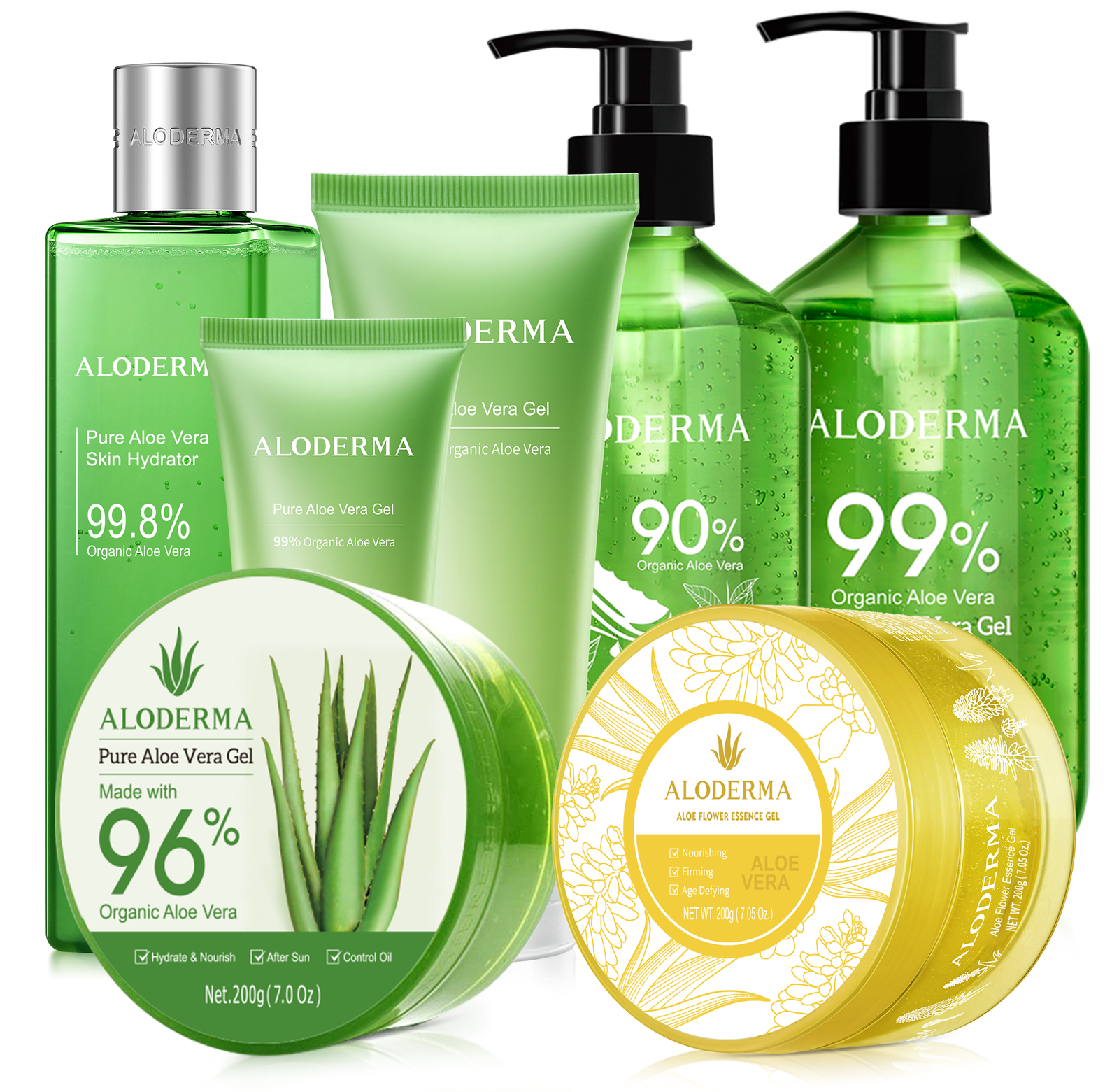
That's where fresh aloe can make sense in a routine. ALODERMA is a fully vertically integrated aloe vera company. It grows its own organic aloe vera, then processes and manufactures onsite within 12 hours of harvest, so the aloe used across the line stays as bioactive and effective as possible. That matters when you want hydration that feels light, comfortable, and easy to layer.
If your quiz says oily or blemish-prone
Look for a routine that removes excess oil without making your skin feel stripped.
A practical lineup could start with the Aloe Oil Controlling Cleanser, followed by the Aloe Hydrating Toner. If your skin still needs hydration, a light gel texture usually makes more sense than a dense cream.
Many people take the wrong approach. They try to “dry out” shine with overly harsh products, then their skin feels rough and unbalanced. A better approach is gentle cleansing, lightweight hydration, and consistency.
If your quiz says dry and sensitive
Dry, sensitive-leaning skin usually needs fewer variables. Keep the routine simple and texture-conscious.
A gentle option is to pair a mild cleanser with the Aloe Nourishing Cream. If your skin often feels warm, tight, or uncomfortable after cleansing, a cream with aloe can help support a more comfortable finish without feeling greasy.
This walkthrough gives a helpful visual overview of aloe-based skin care in action:
If your quiz says combination
Combination results usually need the most interpretation. Instead of hunting for one perfect product, build a balanced routine:
- Cleanse gently with a face wash that doesn't leave cheeks feeling tight.
- Use a lightweight hydrating step all over so the entire face gets water-based comfort.
- Add richer moisture only where needed instead of coating the whole face in a heavier cream.
- Keep sunscreen daily and choose a texture you'll consistently wear.
If you want more guidance on sequencing products, this article on how to build a skincare routine is useful for turning quiz advice into a daily habit.
Keep your routine realistic
The best quiz-based routine is usually the one you'll repeat without stress.
That often looks like this:
- Morning: cleanse if needed, hydrate, moisturize if needed, then sunscreen.
- Evening: cleanse, apply your treatment or hydration step, then seal in comfort with the right moisturizer.
- Weekly check-in: notice whether your skin feels calmer, more balanced, or overloaded.
You don't need a crowded shelf. You need a routine that matches what your skin is doing now.
Beyond the Quiz Becoming Your Own Skin Expert
The most helpful thing a skin care quiz can do is teach you how to observe your own skin better. Once you start paying attention, you begin to notice patterns. Your cheeks feel different from your forehead. Your skin responds differently in humid weather than it does in dry indoor heat. A product that felt fine one month may feel too much the next.
What to watch after you start
Notice how your skin feels, not just how it looks.
- Comfort matters. Skin should feel calm, not tense after cleansing.
- Texture matters. If your face feels coated or congested, your routine may be too heavy.
- Consistency matters. A simple routine you can stick with beats a complicated one you abandon.
The goal isn't to chase a perfect label. It's to build a routine your skin actually likes.
Trust the pattern, then adjust
If your quiz led you to a gentle aloe-based routine and your skin feels more comfortable after a couple of weeks, that's useful feedback. If one area still needs a tweak, adjust that one part instead of replacing everything at once.
That's how skin confidence grows. You use the quiz as a starting point. You choose gentle, well-matched products. Then you let your own daily experience guide the fine tuning.
If you're ready to turn quiz results into a routine that feels simpler and more comfortable, explore ALODERMA and look for fresh aloe formulas that match how your skin behaves day to day.