







If your face feels tight the minute you finish cleansing, if makeup catches on dry patches by noon, or if your skin seems to drink up every cream and still ask for more, the problem usually isn't that you're doing too little. It's that your routine may be working against your barrier instead of supporting it.
A good skincare routine for dry skin should feel comforting, not corrective. Individuals often don't need a long shelf of strong acids, scrubs, or complicated layering. In one consumer survey, 93% of respondents used moisturizers and 85% used cleansers, which shows that the core of an effective routine is already widely familiar, especially when paired with daily sun protection as dermatologists recommend in this skincare usage overview. The difference is product choice, texture, and how you apply them.
That is where ingredient quality matters. With aloe-based skincare, freshness changes the experience. A farm-to-skin approach built around aloe that's grown, processed, and manufactured close to harvest gives dry skin a more comforting foundation than formulas that treat aloe as an afterthought. If you want a simple way to start rebuilding comfort, this guide on how to hydrate skin is a helpful companion to the routine below.
Moving Beyond Dryness to Deep Lasting Hydration
Dry skin rarely goes unnoticed. It pulls after washing. It looks dull even when you're well rested. It can make a lightweight foundation look uneven before you've even left the house. Most of the people I speak with aren't asking for a complicated glow routine. They want their skin to stop feeling fragile.
The biggest shift is mental as much as practical. Stop treating dryness like a problem that needs stronger products. Treat it like a signal that your skin wants less stripping, more support.
What actually helps
A comforting routine for dry skin usually comes down to a few decisions:
- Use a gentle cleanse instead of a squeaky-clean finish.
- Layer water-friendly hydration first so skin doesn't stay thirsty underneath a cream.
- Seal with a moisturizer that matches your level of dryness.
- Protect daily with sunscreen because unprotected skin dries out more easily.
Practical rule: If your skin feels tighter after skincare than it did before, the routine is too aggressive.
This is also where aloe can be more than a label ingredient. Fresh, bioactive aloe has a different role than powdered aloe tucked into the bottom of an ingredient list. When aloe is the base of the formula, it helps create that first soft layer of hydration dry skin craves.
What doesn't help
Many dry-skin routines fail for predictable reasons. They use foaming cleansers that leave the face feeling "clean" but depleted. They rely on frequent exfoliation to smooth flakes, even though flakes are often a sign that skin needs moisture, not friction. Or they pile active after active onto skin that is already uncomfortable.
What works better is consistency. Gentle products. Repetition. A routine you can keep even when your skin feels reactive, rough, or tired.
Your Morning Routine for Resilient Hydrated Skin
Mornings should set your skin up for comfort, not challenge it with too much product or too much cleansing.

A simple routine has real support behind it. A 2020 study found that using a mild cleanser once daily plus a glycerin-rich moisturizing lotion twice daily for two weeks improved dry skin and overall skin health, as described in this peer-reviewed dry skin study. That matters because it confirms what many dry-skin clients learn the hard way. More steps aren't automatically better.
Step 1 with a light hand
If your skin is very dry and not especially oily in the morning, you may not need a full cleanse. A lukewarm water rinse can be enough. If you woke up feeling coated, sweaty, or you used a richer night cream, use a non-stripping cleanser and rinse without rubbing.
The goal isn't to remove every trace of comfort your skin built overnight. The goal is to refresh the surface without disturbing it.
Step 2 with a hydrating layer
After cleansing, add a light hydrating step while skin is still slightly damp. An alcohol-free toner can work well here because it gives dry skin a bit more slip and moisture before serum and cream.
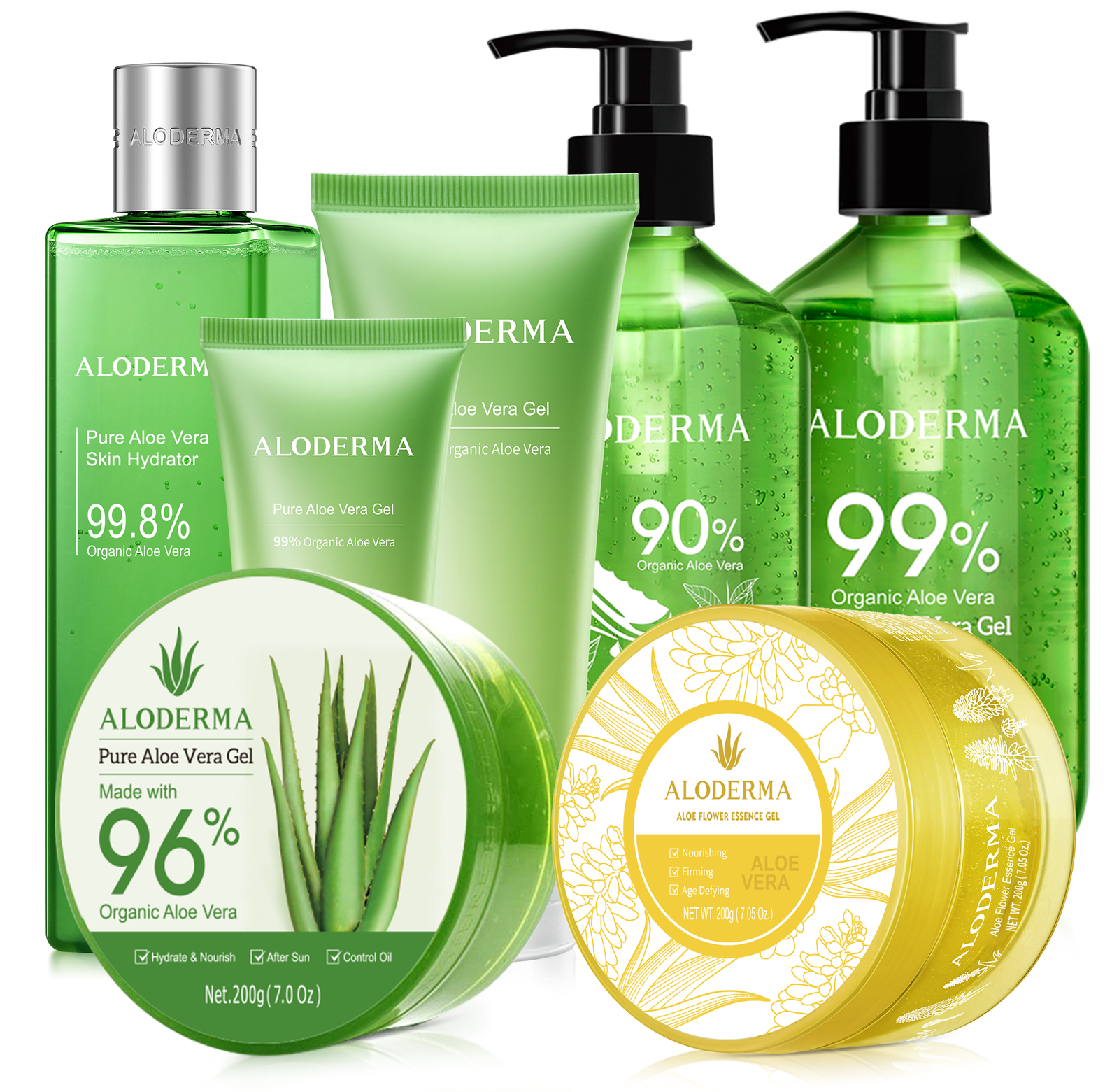
One option is ALODERMA Aloe Hydrating Toner, which fits this step because it's built around fresh aloe as a hydration-first base rather than a sharp, drying finish. For dry skin, that difference matters. You want the skin to feel softer after toning, not tighter.
The best toner for dry skin doesn't sting, flash off, or leave the face feeling bare.
Step 3 with a serum that pulls in water
A hydrating serum proves its worth. A serum with humectant support helps dry skin hold on to water better through the morning. If your skin often looks fine right after moisturizer but starts feeling taut by midday, you're usually missing this middle layer.
A fresh aloe-based serum paired with ingredients such as hyaluronic acid can make this step feel especially comfortable. If your moisturizer tends to disappear quickly, adding a serum underneath often fixes that.
For readers comparing textures and layering strategies, this guide to a hydrating face moisturizer is useful because it helps you judge whether your cream is doing enough sealing.
Step 4 with a cream that seals, not smothers
Choose your moisturizer by how your skin feels by late afternoon:
- Slightly dry by midday means a lotion or lighter cream may be enough.
- Tight all day usually means you need a richer cream.
- Flaky around cheeks or mouth often means you need to apply more generously, especially on damp skin.
Don't spread a tiny amount over dry skin and expect it to last. Press it in, especially over the spots that go rough first.
A short visual walkthrough can help if you're more of a step-by-step learner:
Step 5 with daily SPF
Finish with a broad-spectrum SPF 30+. This isn't optional in a skincare routine for dry skin. Choose a sunscreen with a comfortable finish so you won't skip it. If sunscreen pills over your morning layers, use less serum or give each layer a little more time to settle before the next one.
Your Evening Routine to Restore and Replenish
Evening care should feel slower. This is when you remove the day, reduce that stretched-out feeling, and give skin the richer textures it often can't carry comfortably under sunscreen or makeup.

Cleanse until skin feels clean, not bare
At night, cleanse properly. You want sunscreen, makeup, and the day's residue off your face, but you don't want that dry, almost squeaking finish. A nourishing facial cleanser is usually a better fit than a strong gel wash for this skin type.
If you wear long-wear makeup or heavier sunscreen, cleanse patiently instead of scrubbing harder. A little extra time with your fingertips is kinder than rough washcloth work.
Repeat your hydration layers
Dry skin responds well to routine. If your morning toner and serum feel good, keep them in the evening. This isn't redundancy. It's reinforcement.
A simple evening sequence often looks like this:
- Gentle cleanser to remove the day.
- Hydrating toner to reintroduce comfort.
- Hydrating serum for a water-binding layer.
- Eye cream if the eye area often looks crepey or feels dry.
- Richer cream to reduce overnight moisture loss.
The eye area deserves its own texture because it dries out easily and doesn't always love a heavy face cream brought too close. A soft, cushiony eye cream can make the whole face look more rested by morning.
Finish with a richer night texture
Night is the time to step up from lotion to cream if your skin needs it. Shea butter, squalane, and similar emollient ingredients help reduce overnight water loss and leave skin feeling less parched when you wake up.
A quick way to choose the right final layer is this:
| Skin feeling at night | Better texture choice |
|---|---|
| Slight tightness | Light cream |
| Rough cheeks or forehead | Rich cream |
| Dry patches that return daily | Cream, then a thin extra layer on those spots |
If your skin still feels dry after moisturizer, don't assume you need another active. Often you just need a better final layer.
What doesn't work well in the evening is stacking too many "treatment" products onto already dry skin. If you want to use an exfoliant or retinoid, keep the rest of the routine plain and comforting. Dry skin usually looks better from steadiness than from experimentation.
The Power of Farm-Fresh Ingredients for Dry Skin
Many products marketed for dry skin rely on the same promise. Hydrate, soften, smooth. What separates them is not just the ingredient list. It's how those ingredients are sourced and handled before they ever reach your bathroom shelf.

Why freshness matters
Aloe is often treated as a supporting ingredient. It appears in small amounts, or it's added in a more processed form that doesn't feel central to the formula. A farm-to-skin model changes that. When a company grows its own organic aloe, processes it on-site, and manufactures within 12 hours of harvest, the aloe isn't an afterthought. It becomes the working base of the product.
That is especially relevant for dry skin because the skin usually responds best to formulas that feel calm, hydrated, and low in irritation from the first layer onward. Fresh, bioactive aloe supports that kind of routine.
For a closer look at where aloe fits into a barrier-support approach, this article on whether aloe vera can help dry skin gives useful context.
What to pair with aloe
Aloe does its best work when the rest of the formula supports moisture retention.
- Hyaluronic acid helps bind water at the surface.
- Ceramides support a stronger-feeling barrier.
- Squalane and jojoba help seal in softness without making skin feel heavy.
- Glycerin is a classic humectant that works especially well in a simple dry-skin routine.
This is why fresh aloe is such a smart base for dry skin. It layers easily. It fits morning or night. And it works best in routines that prioritize comfort over intensity.
Better hydration often starts with a better base formula, not a more complicated routine.
Essential Dos and Donts for Happy Hydrated Skin
Dry skin often gets worse because of habits people were told were helpful. Scrubbing flakes away. Using very hot water to "deep clean." Reaching for harsh products when the skin already feels thin and uncomfortable.

Guidance for barrier support is more restrained. Dry-skin care should avoid drying ingredients like alcohol and fragrances, limit exfoliation to no more than 2 to 3 times per week, and keep a hydrating cleanser plus daily SPF 30+ at the center, as outlined in this dry-skin protocol guidance.
Do these consistently
- Apply moisturizer to damp skin so it can trap the water already sitting on the surface.
- Use lukewarm water for cleansing and showering. Hot water leaves many dry-skin types worse off.
- Stay loyal to simple products that your skin tolerates well.
- Use sunscreen every morning even when the rest of the routine stays minimal.
Stop doing these
- Don't chase flakes with scrubs. Rough texture often improves faster with moisture than with exfoliation.
- Don't use heavily fragranced formulas when your skin already feels stressed.
- Don't over-cleanse just because your face doesn't feel fresh enough.
- Don't assume stinging means it's working. For dry skin, stinging usually means the routine is too much.
A good rule is simple. If a product leaves your face feeling polished but uncomfortable, it's probably not helping your dryness.
Adapting Your Routine for Seasons and Sensitivities
The most overlooked part of a skincare routine for dry skin is adjustment. Skin doesn't behave the same way in winter, in indoor heat, during travel, or when it is both dry and easily unsettled.
Dermatology guidance often leaves a gap here. Advice tends to stay broad, even though people with dry skin also want to know what happens when they react easily or still get breakouts. The American Academy of Dermatology notes that these overlapping concerns often need a more personalized approach, including avoiding irritants like fragrance and hot water and sometimes choosing richer creams or ointments over lighter lotions in their guidance for relieving dry skin.
A few practical adjustments help:
- In warmer months, use lighter textures and keep layers breathable.
- In colder months, shift to a richer cream at night and apply a little extra to the driest areas.
- If your skin is dry and easily reactive, introduce one new product at a time.
- If morning cleansing makes you tight, switch to a water rinse and save your full cleanse for evening.
Listen to the hour after application. That window tells you more than marketing ever will. Skin that feels soft, flexible, and comfortable is usually getting what it needs.
If you're ready to simplify your routine and build it around fresh aloe-first hydration, explore ALODERMA for cleansers, toners, serums, creams, and everyday moisture essentials made with organic aloe vera grown on the brand's own farms and processed on-site within 12 hours of harvest. That kind of freshness makes sense for dry skin because it keeps the routine focused on comfort, barrier support, and ingredients that feel gentle day after day.