





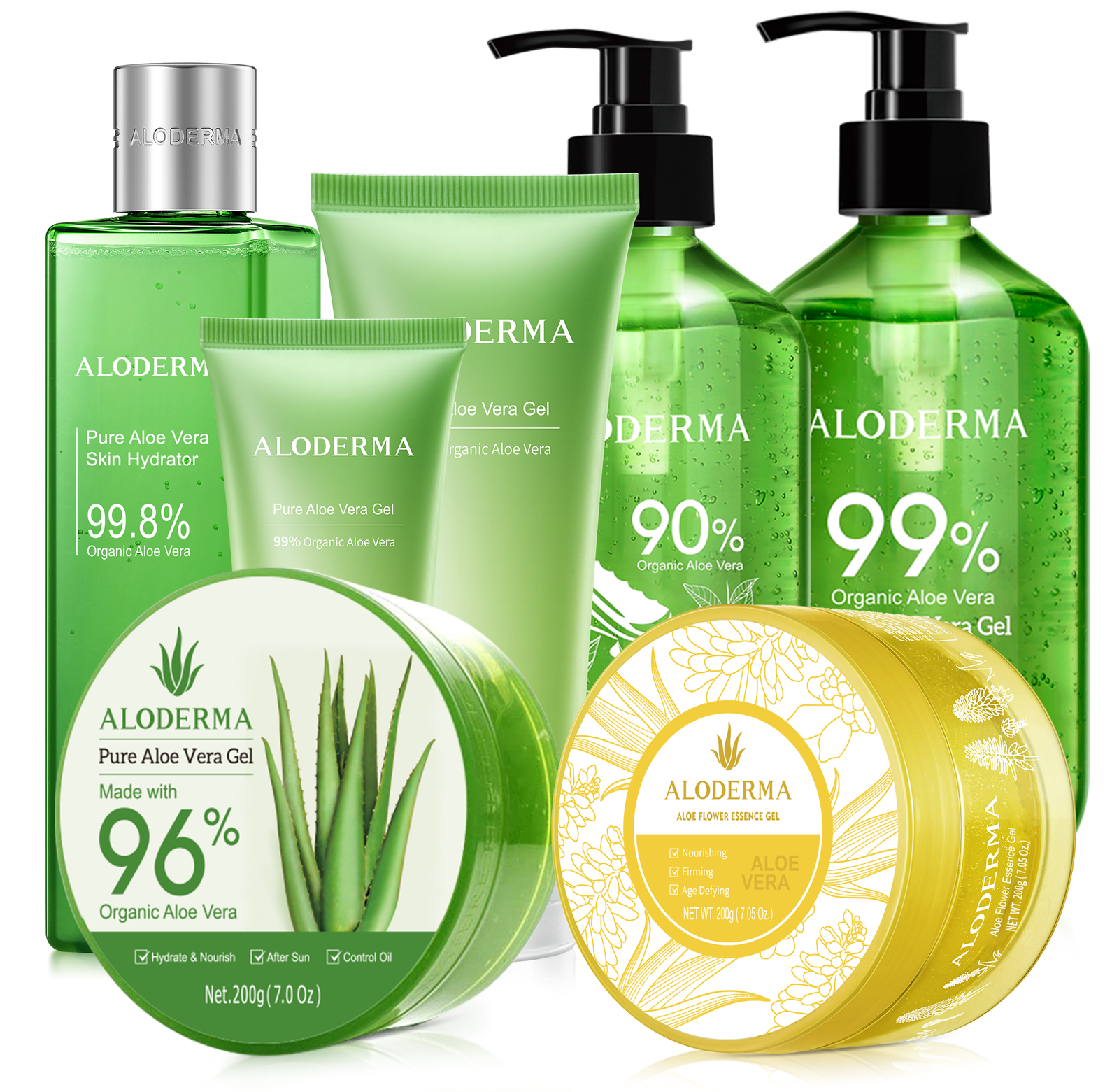


Have you ever chosen a sulfate free cleanser because the label promised gentleness, only to finish washing with tight, squeaky, uncomfortable skin? The missing sulfates may matter, but they don't tell the whole story. A cleanser's mildness depends on its complete surfactant system, pH, supporting ingredients, concentration, fragrance choices, and how you use it.
| What to evaluate | What it tells you | Why it matters |
|---|---|---|
| Sulfate status | Whether SLS or SLES are present | Useful, but only a starting point |
| Surfactant blend | How the cleanser lifts oil and debris | Determines cleansing strength and rinse feel |
| pH | How closely the formula matches skin's natural acidity | Helps limit unnecessary barrier disruption |
| Supporting ingredients | Whether the formula includes humectants, emollients, or aloe vera | Can improve comfort after rinsing |
| Your skin's response | Whether skin feels clean, calm, and comfortable | The bottle's front label can't replace observation |
Why Sulfate Free Does Not Always Mean Gentle
A sulfate free cleanser leaves out sulfate surfactants such as sodium lauryl sulfate, also called SLS, and sodium laureth sulfate, or SLES. That distinction is meaningful for shoppers who find traditional high-detergency cleansing uncomfortable. But “sulfate-free” describes an omission, not a complete performance profile.
Other surfactants can still cleanse aggressively when a formula uses the wrong blend, concentration, or pH for the intended user. A face wash may contain no SLS or SLES and still leave your cheeks feeling pulled, dry, or overly clean. That's why comparing the entire ingredient list is more useful than trusting a single claim on the front of the bottle. A practical guide to evaluating potentially problematic ingredients is available in ALODERMA's skincare ingredient resource.
The cleansing system matters more than the label
Surfactants have one end that interacts with water and another that interacts with oil. This lets them loosen sebum, sunscreen, makeup residue, sweat, and everyday debris so water can rinse those materials away. The same cleansing action can feel very different depending on how the surfactants work together and how long they remain on the skin.
A well-designed blend can balance cleansing power, foam, viscosity, and rinse feel. A published technical review found a strong synergistic interaction between AOS and sultaine at a 1:1 ratio, creating high surface activity, good foaming, and wormlike micelles that improve viscosity build. That finding demonstrates that sulfate-free formulas don't have to sacrifice foam or texture, as discussed in this technical review of AOS and sultaine systems.
Practical rule: A cleanser isn't gentle because it has less foam, more foam, or a sulfate-free badge. It's gentle when the complete formula cleans without leaving your skin persistently tight or uncomfortable.
pH changes the experience
Sulfate-free syndets are often formulated near the skin's native pH. Literature associates neutral-pH cleansing systems with lower transepidermal water loss, or TEWL, and less visible dryness than harsher pH conditions under controlled-use settings, according to this review of cleanser pH and skin-barrier effects.
Think of two bottles on a bathroom shelf. Both say sulfate-free. One uses a balanced surfactant blend, a skin-compatible pH, and hydrating support. The other relies on a stronger alternative and leaves your face squeaky after every wash. The second product may satisfy the label claim while failing your skin's comfort test.
This same habit of reading beyond a headline applies to many personal-care decisions. For readers comparing information about other over-the-counter products, a separate OTC hemorrhoid treatment guide can help illustrate why product selection should focus on the complete formulation and intended use, not one prominent claim.
How Sulfates Affect Different Skin Types
Your skin type changes how a cleanser feels, but it doesn't make the formula's chemistry irrelevant. A person with naturally oily skin may enjoy a stronger rinse at first, while someone with easily uncomfortable skin may notice tightness immediately. Both responses can signal that cleansing power and daily needs aren't well matched.

Sensitive skin and the tight-skin signal
If your face feels tight after rinsing, your cleanser may be removing more of the skin's surface oils than you want. Repeatedly removing those oils can make the skin feel less comfortable and can increase water escaping through the surface. That water loss is measured as TEWL, a useful performance variable when formulators assess barrier-friendly cleansing.
Neutral-pH cleansing systems have produced lower TEWL and less visual dryness than harsher pH conditions in controlled-use literature, making pH relevant for sensitive-skin positioning. A balanced sulfate-free formula may therefore be a sensible option, but the word “may” matters. The surfactant blend and the rest of the formula still determine the final experience.
Oily skin and the over-cleansing cycle
Oily skin often creates a frustrating decision. You want a cleanser that removes excess surface oil, but a very aggressive wash can leave your face feeling stripped and still shiny later. If you repeatedly respond to shine with stronger cleansing, you may create a cycle of discomfort followed by renewed oiliness.
A 2019 clinical comparison found that a botanical cleanser without SLES maintained continuous degreasing without reactive seborrhoea after a treatment break, suggesting that some sulfate-free systems can cleanse oily skin without the same rebound-oil pattern. The result doesn't mean every botanical cleanser will behave this way. It supports a more useful question: does this formula remove excess oil while keeping daily cleansing tolerable? For more ingredient-focused guidance, see ALODERMA's guide to ingredients for oily skin.
Blemish-prone skin needs balance
People with blemish-prone skin sometimes choose the strongest cleanser available because they believe a squeaky finish means a deeper clean. That approach can backfire when the formula leaves the surface uncomfortable or overly dry. A mildly acidified syndet or polymer-based cleanser may provide a better balance between removal and comfort than an aggressive detergent system.
Independent clinical evidence reinforces the nuance. A 2024 study in clinically diagnosed sensitive skin found that a polymeric surfactant cleanser caused no change in the skin microbiome or key barrier markers. A separate 2013 double-blind study involving 40 women found that a foaming cleanser with non-sulfate surfactants produced less irritation than a non-foaming comparator. The lesson isn't that foam is always helpful. It's that the surfactant system and formula architecture matter more than foam or sulfate status alone.
Reading Ingredient Lists Like a Skincare Expert
Ingredient lists become easier to understand when you stop searching for one villain and start evaluating the formula in layers. A sulfate free cleanser should earn your confidence through its complete composition, not only through a claim printed on the package.

Start with the cleansing ingredients
First, scan the full list for the primary surfactants. Look for whether the formula uses an amphoteric, nonionic, amino-acid, glucoside, polymeric, or blended system. These categories don't automatically guarantee gentleness, but they tell you what kind of formulation strategy the chemist has chosen.
SLS and SLES are the obvious sulfate names many shoppers know. A product without them may instead use ingredients such as decyl glucoside or other alternatives. The important point is to understand the complete group rather than assuming every unfamiliar name is harsh or every plant-derived name is mild.
Separate functional ingredients from fear-based lists
Some ingredients sound technical but aren't aggressively harsh. Stearic acid, for example, is a fatty acid used for texture and formulation structure. Its name shouldn't automatically place it in the same category as a strong cleansing surfactant.
Look at the role each ingredient plays:
- Cleansing agents: These lift oil and debris, so their blend and concentration deserve close attention.
- Humectants: Ingredients such as glycerin can help the formula feel less drying by supporting water retention.
- Texture and structure ingredients: Fatty acids, gums, and emulsifiers influence spread, cushion, and rinse feel.
- Botanical support: Aloe vera and other plant materials can contribute to a simpler, hydration-focused ingredient story.
- Potential irritants: Fragrance, essential oils, and drying alcohols may matter if your skin reacts easily, even when the cleanser is sulfate-free.
Compare two bottles side by side
Suppose Cleanser A is sulfate-free but leaves your skin tight. Its list contains a strong alternative surfactant near the top, fragrance, and little supporting hydration. Cleanser B also excludes sulfates, but uses a mixed surfactant system, a skin-compatible pH, and aloe vera or humectant support. The second formula is more likely to feel comfortable, though your own response remains the final test.
For unfamiliar ingredients, use a reference such as ALODERMA's product ingredient dictionary. It's more reliable than judging an ingredient by its name, its marketing category, or an alarming social-media list.
Reading habit: Ask what each ingredient is doing, then ask whether the whole formula suits your skin and your cleansing routine.
Comparing Sulfate Free Cleanser Formulations
“Sulfate-free” describes what a formula excludes. The texture tells you more about how the product is designed to feel and what kind of cleansing experience it aims to provide. Gel, cream, and foaming formats can all work, but they serve different preferences and routines.
| Cleanser Type | Best For | Key Characteristics | Texture Profile |
|---|---|---|---|
| Gel | Combination or oily-feeling skin that prefers a light rinse | Fresh, water-based feel with cleansing-focused surfactant systems | Slippery, lightweight, often clear or translucent |
| Cream | Dry-feeling or cleansing-sensitive skin | More cushion, often paired with emollients and hydrating ingredients | Dense, milky, or lotion-like |
| Foaming | Readers who enjoy lather and a quick rinse | Can be mild when built with a balanced surfactant blend and controlled pH | Airy foam or light lather |
Gel formulas
A gel cleanser often feels efficient and refreshing. That can suit someone who dislikes residue or wants a quick morning wash. The key question is whether the gel removes surface oil without producing the tight finish that encourages over-cleansing later.
A sulfate-free gel may use glucosides, amphoteric surfactants, or other blended systems. Don't judge it by clarity or thickness. Read the ingredient list and observe your skin after rinsing.
Cream formulas
Cream cleansers generally prioritize cushion and post-wash comfort. They can make sense for people who find water-based foaming or gel products too brisk, especially when the formula combines mild cleansing agents with humectants or emollient support.
A cream cleanser may not create the dramatic lather associated with traditional “deep clean” advertising. That doesn't mean it failed. If sunscreen or makeup remains, you can use a separate first cleansing step and follow with a mild face wash rather than rubbing harder.
Foaming formulas
Foam is a sensory property, not a measurement of damage. A technical review found that an optimized sulfate-free AOS and sultaine blend can produce strong foaming and useful viscosity, showing that lather and mildness aren't mutually exclusive.
If you want a deeper explanation of why some shoppers avoid SLS in personal-care products, this overview of why to avoid sodium lauryl sulfate offers relevant ingredient context. The practical takeaway is simple: choose the texture you enjoy, then verify that the cleansing system and your skin's response agree.
The Role of Fresh Aloe Vera in Gentle Cleansing
A cleanser stays on your skin for a short time, but its formula still affects how your face feels after rinsing. Fresh aloe vera can support a more comfortable cleansing experience by adding a hydration-focused botanical component to the surfactant system.

Freshness changes the ingredient story
“Contains aloe” doesn't tell you how the aloe was sourced, how much the formula uses, or how quickly it was processed. Fresh, organically grown aloe that moves rapidly from harvest to processing gives a brand a clearer basis for discussing ingredient freshness than a vague botanical callout.
ALODERMA is a fully vertically integrated aloe vera company. The company grows its own organic aloe vera, processes the aloe, and manufactures onsite within 12 hours of harvest. That farm-to-formula model is designed to keep the primary aloe ingredient as bioactive and effective as possible.
Aloe isn't a replacement for a mild surfactant system. It can't rescue a cleanser that uses an unsuitable cleansing base or an uncomfortable pH. Its value comes from fitting into a broader formulation approach that prioritizes cleansing, hydration, and a pleasant after-feel.
Look for a balanced combination
For a practical comparison, imagine a sulfate-free cleanser that uses a strong alternative surfactant and adds a small amount of aloe near the end of the list. Another uses a thoughtfully blended cleansing base and makes fresh aloe a central ingredient. Both may advertise aloe, but they don't offer the same formulation story.
When shopping, consider:
- Source clarity: Does the brand explain where its aloe comes from?
- Processing transparency: Does it describe how quickly the plant is handled after harvest?
- Formula balance: Is aloe supported by a mild surfactant blend and a suitable pH?
- Routine fit: Will the texture encourage you to cleanse gently instead of scrubbing?
Aloe can also make a cleanser feel more emotionally pleasant. If your morning wash leaves your face soft rather than tight, you're less likely to compensate with excessive moisturizer, repeated washing, or aggressive rubbing.
The following video offers additional visual context for aloe-focused skincare and ingredient freshness.
Why Organic Certification and Freshness Matter
The words “natural” and “organic” don't always provide the same level of verification. Certification gives shoppers a concrete way to distinguish documented sourcing and production standards from broad marketing language.
Organic aloe vera supply chains can be certified through USDA Organic and European-equivalent systems. Ecocert documentation lists aloe vera materials under organic operation certificates, providing an example of how certification can create a verification layer beyond a front-label claim. You can review the Ecocert organic operation certificate documentation.
Farm-to-skin control
A vertically integrated company controls more of the journey between field and finished product. When a brand grows its own aloe, harvests it, processes it, and manufactures onsite, it can track the ingredient more closely than a brand that buys finished aloe material through multiple outside suppliers.
That doesn't make every vertically integrated formula automatically suitable for every face. It does make the freshness and sourcing story more specific. For a product used frequently, those details can matter to shoppers who want a clear answer to basic questions: where was the aloe grown, who processed it, and how long did it sit before formulation?
Certification supports transparency
Certification isn't a substitute for reading the full ingredient list. A certified aloe input doesn't guarantee that every other ingredient suits your preferences, and organic status doesn't define surfactant mildness. Certification becomes most useful when it sits alongside clear product information, responsible claims, and a formula built for comfortable everyday use.
Certification tells you something concrete about sourcing and standards. It doesn't remove the need to assess pH, surfactants, fragrance, and your own skin's response.
For readers choosing between two similar cleansers, a documented organic supply chain and a short harvest-to-processing timeline can be meaningful differentiators. They turn “fresh aloe” from an attractive phrase into a sourcing question with a traceable answer.
Building Your Gentle Skincare Routine
Switching to a sulfate free cleanser works best when you treat it as a routine change, not a race to replace every product at once. Start with the cleanser, keep the rest of your routine familiar, and pay attention to how your skin feels during and after washing.

Use less force, not just a different bottle
Wet your face with lukewarm water, apply a modest amount of cleanser, and massage lightly with your fingertips. Rinse thoroughly and pat dry. Scrubbing longer or using hotter water can make even a well-balanced cleanser feel less comfortable.
If you're nervous about switching, begin with a few uses during the week, then increase gradually if your skin remains comfortable. A rinse-off product doesn't need a dramatic adjustment ritual, but introducing one change at a time makes it easier to identify what works.
Match the next steps to the finish
A gel cleanser may pair well with a light hydrator. A cream cleanser may leave enough comfort for a simple moisturizer. A foaming cleanser can work in a simple routine when the lather comes from a balanced system rather than a harsh cleansing base.
Try this simple sequence:
- Cleanse gently: Use lukewarm water and avoid rubbing with a towel.
- Observe the finish: Comfortable, clean skin is a better sign than a squeaky sensation.
- Add hydration: Apply a toner, serum, aloe gel, or moisturizer that fits your preferences.
- Adjust frequency: If skin feels persistently tight, reduce cleansing frequency or choose a more cushioning formula.
Patch testing is still sensible, especially when a cleanser contains botanical extracts or essential oils. Apply a small amount to a limited area, rinse as directed, and watch how your skin responds before making it part of your daily routine.
ALODERMA offers aloe-focused cleansers and complementary hydration products, including formulas positioned around sulfate-free cleansing and fresh organic aloe. Explore the range at ALODERMA and choose a cleanser that matches your preferred texture, ingredient priorities, and daily comfort.