



You're probably here because facial masks seem simple until you try to buy one. A sheet mask says “hydrating,” a clay mask says “purifying,” a cream mask says “nourishing,” and suddenly you're staring at a shelf or scrolling a page wondering what any of it means for your skin.
That confusion is normal. A facial mask can be a helpful part of skincare, but only if you understand what it is doing, what kind of formula fits your skin, and why ingredient quality matters more than flashy packaging. The biggest detail often missed is freshness. If a mask includes aloe vera, the distance between harvest and processing can change how alive and useful that ingredient feels on your skin.
Welcome to the World of Facial Masks
A lot of people first meet masks in a rushed moment. You've had a long week, your skin looks tired, and you want something that feels a little more special than your everyday cleanser and moisturizer. So you pick up a pouch and hope for the best.
But facial masks didn't start as a trend. They've been part of skincare rituals for centuries. In ancient China, people used ingredients like powdered pearl and crushed tea leaves, while Ayurvedic traditions in India relied on plant-based ingredients like turmeric, a history described in this overview of the origins of natural face masks.
That matters because it changes how you think about masks. They're not random extras. They're a focused treatment step, rooted in the idea that skin sometimes benefits from a short, intentional session with richer ingredients.
If you've ever wondered whether masks are worth the effort, the better question is usually this: what kind of mask are you using, and what's inside it? A thoughtfully chosen formula can feel like a reset button. A poorly matched one can feel heavy, drying, or disappointing.
For a simple starting point, Aloderma's guide to a natural face mask routine can help you connect mask types with everyday skincare habits.
A good mask should feel like targeted care, not guesswork.
The True Purpose of a Facial Mask
A facial mask is best understood as a short-contact treatment that gives your skin concentrated support in a set window of time. Think of it as a smoothie for your face. Instead of sipping nutrients over hours, your skin gets them in one focused session.
Why masks feel different from daily skincare
Your daily routine usually moves quickly. Cleanser comes off fast. Serum sinks in fast. Moisturizer spreads thinly. A mask changes that rhythm by staying in place and creating a temporary layer over the skin.
That temporary layer is why masks often feel more noticeable than a regular cream. They hold water and active ingredients against the skin for longer, which can help the formula feel more present and more purposeful during use. Many facial masks are used over about 10 to 20 minutes, which is one reason they feel like a treatment rather than a basic step.

What a mask is trying to do
Different masks have different jobs, but most of them aim to do one or more of these things:
- Add moisture: Helpful when skin feels tight, rough, or dull.
- Deliver targeted ingredients: Useful when you want a focused boost from aloe vera, niacinamide, antioxidants, or other actives.
- Refine the surface feel: Some masks help skin feel smoother and softer after use.
- Support a self-care pause: The ritual matters too. Taking 15 quiet minutes often changes how you care for your skin overall.
There's another meaning of “facial mask” that can confuse readers. In medical settings, a facial mask can also mean a surgical or protective mask. Those masks are engineered very differently. For example, surgical masks are built in layers and their filtration performance is measured by standards such as Bacterial Filtration Efficiency, with compliant examples meeting levels like ≥98% for EN 14683 Type II or ≥95% under ASTM standards for specific testing conditions, as summarized in this surgical mask overview. That has nothing to do with a hydrating skincare sheet mask, but it explains why the same phrase can point to two very different products.
The practical takeaway
When someone asks, what is facial mask care really for, the simplest answer is this: it's a concentrated skincare step designed to give your skin more time with a specific formula than your normal routine allows.
Practical rule: Don't choose a mask just because it's popular. Choose it because its texture, ingredients, and wear time match what your skin needs that day.
Exploring the Main Types of Facial Masks
Walk through any skincare aisle and you'll see the same promise delivered in very different forms. Texture matters more than many people realize. The way a mask feels often tells you what it's trying to do.

Six common mask styles
Sheet masks are fabric or bio-cellulose masks soaked in serum. They're easy to use and popular when skin feels dehydrated or looks flat before an event.
Clay masks are thicker and usually feel more absorbent. People often reach for them when skin feels oily or congested.
Gel masks feel cool and light. They're a common pick when you want hydration without heaviness.
Cream masks feel richer and more cushiony. These are often a comfortable match for skin that feels dry and wants softness.
Peel-off masks dry into a film that lifts away. Some people enjoy the immediate smooth feel, but they can be too intense for easily unsettled skin.
Overnight masks act like the final layer of a routine. You apply them before bed and let them sit longer than a rinse-off or sheet mask.
A quick visual guide can help, but seeing a product in action matters too. This short video gives a useful overview of facial mask formats and how they fit into skincare choices.
Facial Mask Types at a Glance
| Mask Type | Primary Benefit | Best For Skin Types | Texture |
|---|---|---|---|
| Sheet Mask | Hydration and quick ingredient delivery | Dry, dull, combination, easily dehydrated skin | Thin, serum-soaked sheet |
| Clay Mask | Oil control and pore-focused cleansing feel | Oily, combination, congested skin | Thick, earthy paste |
| Gel Mask | Cooling hydration and comfort | Sensitive-feeling, dehydrated, combination skin | Lightweight, jelly-like |
| Cream Mask | Rich nourishment and softness | Dry or mature-feeling skin | Smooth, creamy |
| Peel-Off Mask | Surface smoothing and debris removal feel | Oily or resilient skin | Liquid that dries into a film |
| Overnight Mask | Extended moisture support | Dry, normal, or tired-looking skin | Light cream or gel-cream |
How to decide faster
If you hate mess, start with a sheet mask. If your skin gets shiny by midday, try clay. If your skin feels warm, tight, or thirsty after cleansing, gel or cream usually makes more sense.
Some shoppers also like to compare specialist options before choosing a format. If you're curious about cold-feel spa-style masks, this example of BotoxBarb skincare products shows how one mask can focus as much on the sensory experience as on the formula itself.
Texture is not a small detail. It shapes comfort, wear time, and whether you'll want to use the mask again.
Ingredients That Make a Real Difference
Many mask guides stop at the ingredient list. That's useful, but it's incomplete. Two masks can both say “aloe vera” on the front and still give very different experiences because freshness changes the quality of the ingredient before it ever touches your skin.
Why the formula matters more than the trend
A mask only works through what it contains. Some ingredients are chosen for moisture, some for brightness, and some for helping skin feel calmer and more balanced. Aloe vera remains popular because it's rich in vitamins A, C, and E, and it's widely used to soothe skin and support collagen synthesis, as discussed in this article on what facial masks do and why ingredients matter.
That sounds straightforward, but there's a hidden question most shoppers never get answered: How fresh is the aloe?

The overlooked freshness window
Fresh aloe and long-stored aloe are not the same thing. The key difference in this category is the 12-hour harvest-to-processing window. That detail is easy to dismiss as branding language, but it points to something practical: the closer a formula stays to the plant's fresh state, the more likely it is to preserve the character people want aloe for in the first place.
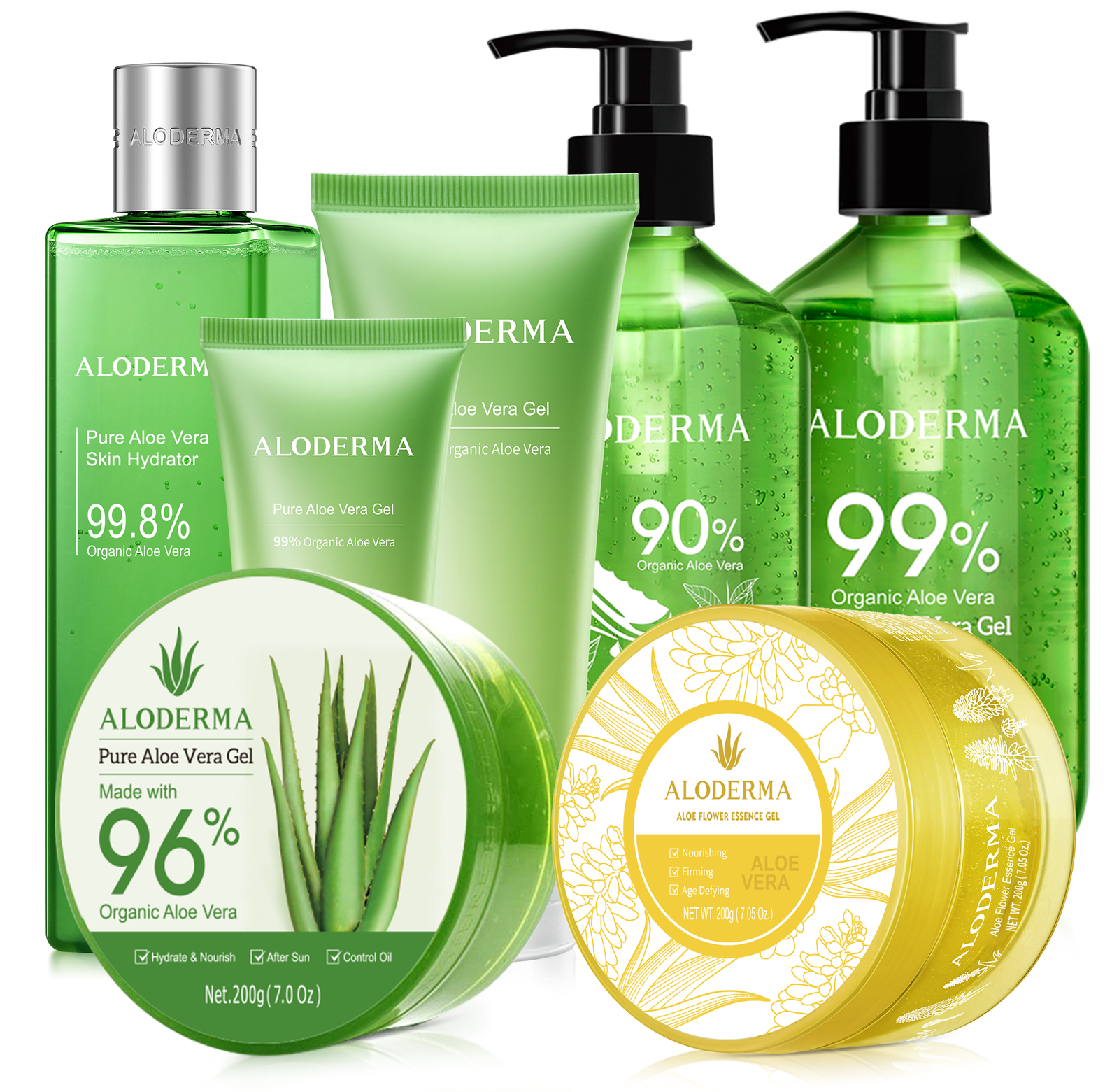
That's why I pay attention to farm-to-skin production. ALODERMA is a fully vertically integrated aloe vera company. We grow all of our own organic aloe vera, and we process our aloe vera and manufacture onsite within 12 hours of harvest so the primary ingredient found in every one of our products is the most bioactive and effective aloe vera possible. If you want to compare formulas product by product, you can search ingredients and related details in the Aloderma ingredient library and on each product page at aloderma.com, including options such as the Pure Aloe Vera Gel and Hydrating Sheet Mask.
What to look for on a label
When you shop for a facial mask, check more than the front claim.
- Ingredient position: If aloe vera is central to the formula, it should appear as a meaningful ingredient, not an afterthought.
- Product type: A sheet mask drenched in watery serum feels different from a rich cream mask built for softness and seal.
- Brand transparency: Look for brands that explain where ingredients come from and how they're handled.
- Routine fit: A mask can have good ingredients and still be wrong for your skin that day.
Fresh ingredients don't make every mask perfect. But freshness gives a strong clue about whether a brand treats the formula as skincare first, not just packaging.
How to Choose and Use Masks Safely
A good mask doesn't have to be complicated. It just needs to match your skin and be used with a little restraint.

Match the mask to what your skin is asking for
Dry skin often likes cream, gel, or sheet masks. Oily skin usually feels more comfortable with clay or lighter gel textures. Combination skin can do well with different masks on different days, or even multi-masking on separate facial areas.
Sensitive skin needs more care in the choosing stage. One of the biggest reasons people get frustrated is the concentration paradox. A formula may contain gentle ingredients, but because masks hold those ingredients against the skin in a concentrated way, they can still feel like too much. This point is captured in this overview of facial mask sensitivity and formulation balance, which notes that even natural ingredients can cause discomfort if the formula isn't properly buffered and pH-balanced.
A simple way to use a mask well
- Start with clean skin. Remove makeup, sunscreen, and daily buildup first.
- Read the product directions. Don't assume every mask works the same way.
- Apply evenly. Keep the layer comfortable rather than thick for the sake of thickness.
- Respect the timing. Longer isn't always better. A dried-out mask can feel less comfortable than one removed on time.
- Finish gently. Pat in leftover essence from a sheet or gel mask. Rinse off clay or cream masks without scrubbing.
Small habits that prevent big mistakes
- Patch test first: Especially if your skin reacts easily or if the formula includes multiple actives.
- Keep the rest of your routine calm: On mask nights, many people do better when they don't pile on too many strong extras.
- Watch how your skin responds: Tight, stingy, or overheated skin is giving you feedback.
- Think in routines, not one-offs: Your mask should fit with your cleanser, serum, and moisturizer.
If your skin tends to be reactive, it also helps to step back and find your ideal face cream so your everyday moisturizer supports the same gentle approach as your mask.
If a mask leaves your skin feeling stressed instead of cared for, that's not a sign to push through. It's a sign to switch formulas.
Masking Myths and Smart Skincare Routines
A few mask myths cause most of the trouble.
One myth says leaving a mask on longer always gives better results. It doesn't. A sheet mask that's gone dry or a clay mask left on too long can stop feeling supportive and start feeling uncomfortable.
Another myth says you need a mask every day. A simple rhythm of 1 to 3 times per week is often more effective, depending on the mask and how skin responds. The advantage comes from consistency, not overdoing it.
Keep masks in their proper place
Masks work best when they support a routine instead of replacing one. Cleanse gently. Use a serum or moisturizer that makes sense for your skin. Add a mask when you want extra hydration, a richer treatment moment, or a more focused ingredient experience.
If you want help building that bigger picture, Aloderma's guide on how to build a skincare routine is a practical next step.
A facial mask isn't magic. It's a tool. When you understand the format, choose ingredients carefully, and pay attention to freshness, it becomes a useful and enjoyable part of caring for your skin.
If you want a farm-to-skin approach that keeps ingredient freshness front and center, explore ALODERMA. You can browse product pages, check ingredient details, and compare aloe-based options for masks, gels, creams, and everyday hydration in one place.