







Your face feels fine one minute, then suddenly tight after cleansing. A new cream goes on, and your skin starts tingling. Cold air hits your cheeks, and they look unsettled for the rest of the day. If that sounds familiar, you're probably not overreacting. Your skin may be.
Sensitive skin can feel confusing because it doesn't always look dramatic. Sometimes it's visible. Sometimes it's just a prickly, warm, tight, uncomfortable feeling that makes you dread trying anything new. That uncertainty is often the hardest part.
That Uncomfortable Feeling Is More Common Than You Think
A lot of people internally assume they're the only one whose skin “acts up” for no obvious reason. They wash with the same cleanser a friend loves and end up feeling dry, stingy, or flushed. They step from a warm room into cold wind and their face feels raw. They try to simplify their routine, but even “gentle” products don't always feel gentle.
If that's where you are right now, you're in very good company. A 2020 meta-analysis covering 51,783 people across 26 studies in 18 countries found that 71% of adults self-reported sensitive skin to some degree. That number matters because it reframes the experience. Sensitive skin isn't some rare, fussy exception. It's a common way skin behaves.
For many people, the daily pattern looks like this:
- After washing your skin feels tight instead of clean
- After weather changes your cheeks feel warm, dry, or reactive
- After trying a new product you notice stinging before you notice any benefits
- After layering too much your skin seems less tolerant, not more “cared for”
Sensitive skin often feels personal, but it's actually very common. The discomfort is real even when the mirror doesn't show much.
That matters when you're choosing skincare. If your skin is already on edge, ingredient quality and freshness can make a practical difference in how comfortable your routine feels. Gentle support often works better than aggressive correction. For many people, that means looking for simple formulas built around comforting, water-binding ingredients like aloe vera, especially when they want hydration without heaviness.
Understanding What Sensitive Skin Really Means
When people ask what is sensitive skin, they are usually trying to make sense of a frustrating pattern. Their skin is not just dry, oily, or acne-prone. It is reacting more quickly, and often more intensely, than they expect during ordinary parts of the day.
Sensitive skin is skin with a lower tolerance threshold.
That idea helps clear up a common misunderstanding. Sensitive skin does not always mean something dramatic is happening on the surface. In many cases, the first signs are sensory. Your skin may sting, burn, itch, or feel tight before you see much redness at all.
Dermatology experts describe sensitive skin as a subjective syndrome of skin hyperreactivity, where skin shows exaggerated responses to stimuli that should not normally cause those reactions, and they note there is still no universal consensus on diagnostic criteria. In plain language, that means the feeling itself matters. If a basic cleanser, a windy day, or a simple moisturizer regularly makes your skin uncomfortable, that pattern is worth taking seriously.
What it usually feels like
Sensitive skin often shows up through everyday sensations:
- Stinging when you apply a product
- Burning or warmth after cleansing or weather exposure
- Itching that comes and goes
- Tightness even when your skin does not look obviously dry
- Redness that appears quickly or lingers longer than expected
This is why sensitive skin can be confusing. You may look in the mirror and see only a little pinkness, or nothing much at all, yet your face feels raw and unsettled. That disconnect is real. Skin can signal distress through nerve sensation as much as through visible changes.
It often reflects reduced tolerance, not a fixed identity
Sensitive skin is better understood as a pattern than a permanent label. Your skin can become more reactive after over-cleansing, using several active products at once, rubbing with a towel, or spending time in harsh weather. Once that stress is reduced, it may settle down again.
A helpful way to read your skin is to pay attention to ordinary moments. If washing your face, applying a plain product, or stepping outside repeatedly leads to discomfort, your skin is telling you its threshold is low right now.
That also explains why gentle formulas matter so much. When skin is reactive, freshness and simplicity can make a practical difference in comfort. Aloe vera is a good example because it gives water-based, soothing support without the heavy feel that can bother some people. And with farm-to-skin aloe, the details matter. Aloderma's vertically integrated process uses aloe vera harvested and processed within 12 hours, which helps preserve the plant's natural bioactive compounds for skin that wants calm support, not extra stress.
A Look Inside Your Skin's Protective Barrier
The most helpful science behind sensitive skin starts at the surface. Your outer skin layer is often called the skin barrier. It's the part that helps keep water in and outside stressors out.
A useful way to picture it is a brick wall. The skin cells are the bricks. The material holding them together is the mortar. When that wall is in good shape, your skin feels more comfortable and steady. When the mortar weakens, tiny gaps make it easier for water to escape and easier for irritating things to get through.
Why the barrier matters so much
The leading explanation for sensitive skin is a compromised stratum corneum, the outermost skin layer, which becomes more permeable, loses water more easily, and allows irritants to penetrate more readily. That same research also connects sensitive skin with heightened neural responsiveness, which helps explain why ordinary contact can feel sharp, warm, or uncomfortable.
So if your skin suddenly feels reactive, it doesn't necessarily mean you used one “bad” product. Sometimes your barrier has been pushed too far.
Common examples include:
- Cleansing too often
- Using very hot water
- Scrubbing with washcloths or exfoliants
- Layering too many strong products
- Facing dry air, heat, or wind without enough moisture support
What a weakened barrier feels like
Barrier stress often shows up as sensation before appearance. You might notice that your skin:
- feels tight right after washing
- stings when even simple products go on
- seems dry and oily at the same time
- reacts more in winter, after travel, or after trying a new routine
That last point surprises people. Skin can be shiny and still be sensitive. Oiliness doesn't always protect you from discomfort.
When your barrier is struggling, “doing more” often makes things worse. Skin usually responds better to fewer steps and kinder formulas.
Where aloe vera fits in
Barrier care is mostly about reducing stress and adding back hydration in a form your skin can tolerate. That's why lightweight, soothing ingredients often feel better than complicated routines.
Fresh aloe vera is especially useful here because it gives water-based hydration and a cooling, comforting feel without the heavy finish that some richer products leave behind. For sensitive skin, that can matter a lot. If your face already feels overworked, a simple hydrating layer can feel like relief instead of one more demand.
Common Triggers That Can Upset Your Skin
Once you know your skin may be reacting to cumulative stress, the next step is becoming a quiet observer of patterns. Think like a skin detective. Not every reaction comes from a dramatic ingredient. Sometimes it's your shower temperature, the weather, or the fifth product in a routine that was fine as a three-step routine.

Clinical guidance commonly points to fragrances, alcohols, harsh detergents, heat, hot water, and abrupt climate changes as common triggers that stress the skin's outer barrier. That sounds broad, but in real life it becomes easier to spot when you group triggers into a few buckets.
Environmental triggers
Your skin doesn't live in a lab. It lives in weather.
Cold wind, dry indoor heat, sun exposure, and fast shifts between temperatures can all leave sensitive skin feeling unsettled. One day your routine seems fine. The next day, after a long hot shower and a walk outside, everything stings.
Try these swaps:
- Choose warm water instead of hot
- Apply hydrating products on slightly damp skin after washing
- Use simpler routines on travel days or during harsh weather
- Pick mineral-based sun protection if your skin tends to react easily
Product triggers
A product doesn't have to be “bad” to be wrong for your skin right now. Sensitive skin often gets upset by total load, not just one ingredient.
Watch for:
- Fragrance-heavy formulas
- Harsh foaming cleansers
- Products with multiple strong actives layered together
- Leave-on formulas that tingle immediately
If you're sorting through ingredient lists and trying to understand how rich oils may behave on your skin, it can help to learn about comedogenic ratings for natural skincare, especially if your skin feels both reactive and congestion-prone.
For cleansing, a gentler starting point is usually better than a squeaky-clean one. This guide to cleansers for sensitive skin can help you compare what to look for in a low-stress face wash.
Physical triggers
This category gets overlooked all the time. Sensitive skin doesn't only react to ingredients. It reacts to friction.
That includes:
| Trigger | What it feels like | Gentler move |
|---|---|---|
| Rough towel drying | Warmth, tightness, prickling | Pat skin dry softly |
| Frequent exfoliation | Sting, dryness, uneven comfort | Exfoliate less often or pause |
| Repeated face touching | Flushed, unsettled skin | Keep hands off when possible |
| Over-cleansing | Tight but shiny skin | Cleanse less aggressively |
If your skin seems to react to “everything,” start by removing friction, heat, and fragrance before blaming every single ingredient.
Your Simple Routine for Calm and Comfortable Skin
When skin feels sensitive, complicated routines usually backfire. More steps mean more rubbing, more ingredients, and more chances for discomfort. A shorter routine often works better, especially when your goal is to help skin feel calm and comfortable again.
The simplest version is Cleanse, Hydrate, Moisturize.

Step one, cleanse without stripping
A good cleanse should remove sweat, sunscreen, and daily buildup without making your face feel tight after you rinse. That tight feeling is one of the clearest signs your cleanser may be too aggressive for your current skin state.
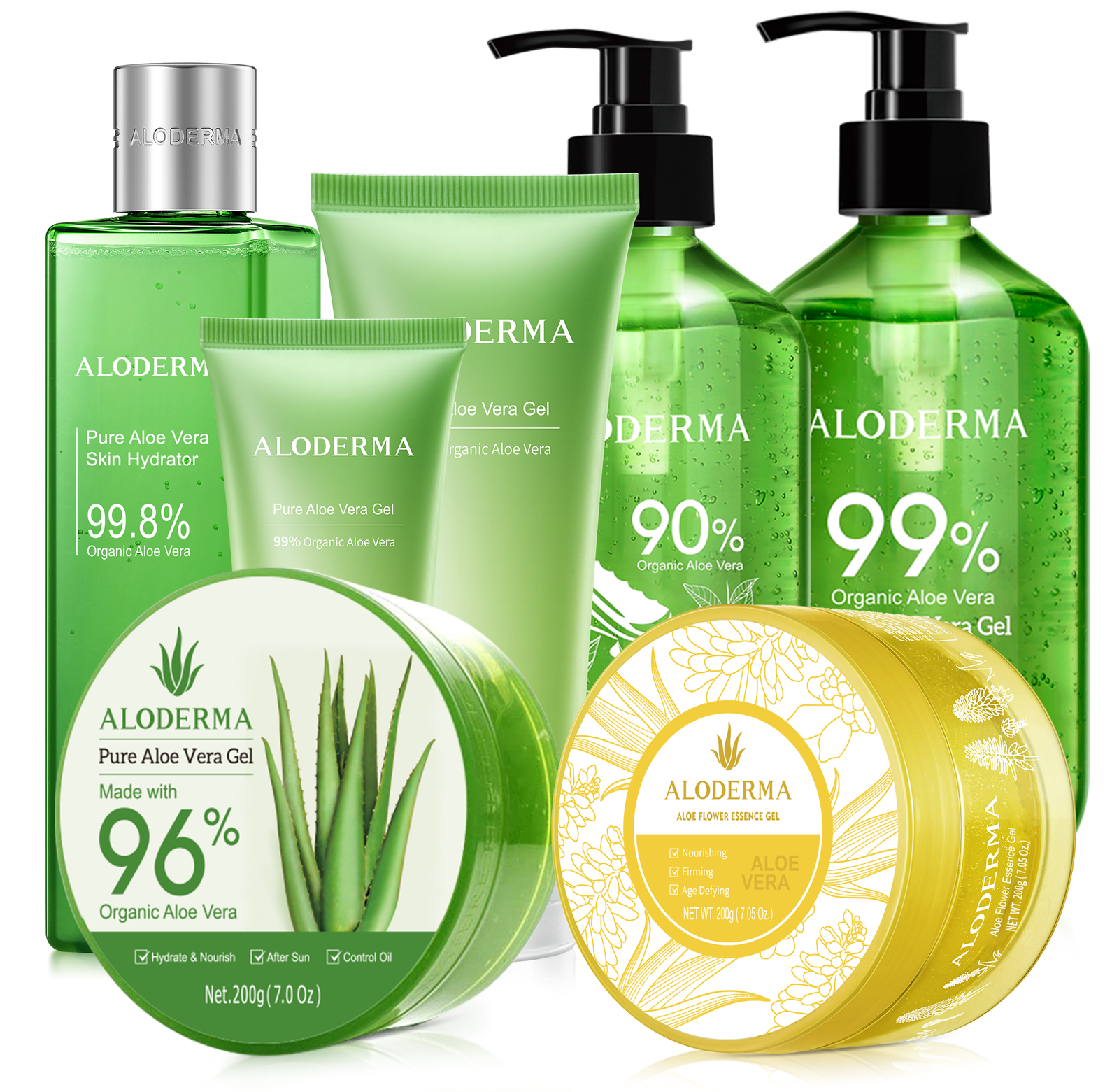
Look for a gentle wash with a soft feel and minimal irritation potential. One option is Aloderma Aloe Hydrating Cleanser, which fits a simple routine because it's designed for everyday cleansing without the harsh, squeaky-clean finish sensitive skin often dislikes.
Step two, hydrate with fewer extras
Many people become confused on this matter. They assume hydration means heavy cream or a long list of treatment layers. It doesn't. Sensitive skin often responds better to a direct, uncomplicated source of hydration.
A straightforward option is Aloderma 99% Pure Aloe Vera Gel. Used as a light hydrating step, it gives skin a fresh layer of moisture without the weight that can feel uncomfortable on oily or easily unsettled skin. This is also where Aloderma's farm-to-skin model is relevant in a factual way. The company is fully vertically integrated, grows its own organic aloe vera, and processes and manufactures onsite within 12 hours of harvest so the aloe used as the primary ingredient in its products remains as bioactive and fresh as possible.
That freshness matters most when your skin is reactive because simpler, well-handled ingredients often feel easier to tolerate than heavily processed formulas with a long ingredient story.
A simple filter: If your skin feels worse the more steps you add, stop chasing a perfect routine and start rebuilding a tolerable one.
If your sensitivity overlaps with visible flushing and you want broader context on gentle habits, these natural methods offer practical routine ideas centered on reducing common triggers.
Step three, seal in comfort
Hydration on its own may not last if your skin barrier is already stressed. A moisturizer helps hold that comfort in place.
For more ideas on using aloe in a gentle routine, this article on aloe vera for sensitive skin is a useful next read.
Ingredients to embrace and ingredients to approach with care
Here's a simple way to sort your routine when your skin feels unpredictable.
| Ingredients to embrace | Ingredients to approach with care |
|---|---|
| Aloe vera for light hydration and comfort | Fragrance-heavy blends if scent often precedes irritation |
| Simple moisturizers that reduce tightness | Harsh cleansing agents that leave skin squeaky |
| Low-irritancy cleansers | Repeated exfoliating acids when your barrier feels fragile |
| Barrier-supportive routines with fewer steps | Too many leave-on actives at once |
The goal isn't to fear skincare. It's to make your routine easy for your skin to live with every day.
How to Tell If Your Skin Is Truly Sensitive
A lot of people ask this after one bad reaction. That's understandable, but one product mishap doesn't automatically mean you have sensitive skin. The clearer sign is a repeating pattern.

Sensitive skin is best understood as a symptom pattern rather than a standalone diagnosis, with leading explanations focused on increased barrier permeability rather than a classic immune allergy response. That's why context matters so much.
Clues your skin may be sensitive
Pay attention to when discomfort shows up.
- Right after cleansing you feel tight, warm, or stingy
- After applying products you notice prickling that happens often, not once
- After hot showers or weather exposure your skin feels unsettled
- When you simplify your routine your skin feels better, not worse
That last clue is especially telling. Sensitive skin often rewards restraint.
How to patch test with less stress
Patch testing is one of the easiest ways to protect yourself from a full-face reaction. It's not complicated, and it can save you a lot of discomfort.
- Pick a discreet spot like behind the ear or on the inner arm.
- Apply a small amount of the new product.
- Leave it alone and don't layer other products over that spot.
- Watch the area over 24 to 48 hours for stinging, itching, tightness, or visible upset.
- Repeat once more if needed before using it more broadly.
If you want extra guidance on calming a stressed complexion while you reset your routine, this article on how to soothe irritated skin gives practical tips.
A short visual guide can also help if you're more of a visual learner.
Your skin doesn't need you to be brave with new products. It needs you to be observant and patient.
Common Myths and Questions About Sensitive Skin
Is sensitive skin my permanent skin type
Not always. Skin sensitivity often behaves more like a current state of low tolerance than a lifelong identity. If your barrier has been stressed by cleansing, weather, friction, or too many products, your skin can become more reactive. When you remove those stressors and keep your routine simple, it may feel much more comfortable.
Do I need to avoid all active ingredients
No. Individuals typically don't need to avoid everything forever. The better approach is to introduce products slowly, avoid stacking too many strong formulas, and listen carefully to your skin's response. Sensitive skin usually does better with pacing than with intensity.
Is natural always better
Not automatically. Natural ingredients can still be strong, fragrant, or uncomfortable for reactive skin. What matters more is how an ingredient is sourced, handled, and formulated, plus whether the final product keeps your routine simple.
That's one reason fresh aloe stands out. The value isn't just that aloe is plant-based. It's that freshness, purity, and a short farm-to-bottle timeline can support a gentler experience. When a company controls cultivation, processing, and manufacturing onsite, it has more visibility into ingredient handling than brands that rely on distant bulk sourcing. For sensitive skin, that kind of transparency can be more useful than a vague “natural” label.
If your skin has been feeling tight, prickly, or hard to please, a simpler routine built around fresh aloe may be a comfortable place to start. Explore ALODERMA for farm-to-skin aloe vera skincare made with the company's own organic aloe, processed and manufactured onsite within 12 hours of harvest.