



You’re told to drink 3 liters of water a day for better skin. But what if the question isn’t “Is 3 liters good?” It’s “Is 3 liters right for me?”
That gap matters. A lot of people chase glowing skin by forcing down bottle after bottle of water, then wonder why their complexion still feels tight, looks dull, or swings between oily and dehydrated. Water matters, but skincare advice gets confusing when one rigid rule is treated like a universal cure.
Healthy skin usually comes from a more personal approach. Your body size, routine, food, climate, and activity all shape how much fluid you need. And skin doesn’t only respond to what you drink. It also responds to what you put on it, how often you cleanse, and whether you support the skin barrier with fresh, gentle hydration.
The 3-Liter Question That Fills Your Feed
Have you ever wondered why one person swears by 3 liters of water a day, while another drinks less and still has calm, comfortable skin?
That confusion has a long history. The often-repeated water rule is partly linked to older U.S. nutrition guidance that discussed total water intake from both beverages and food, not just glasses of plain water. The National Research Council’s classic recommendation is frequently quoted without that context, which is why the number can sound stricter than it was in practice.
For skin, that missing context matters. Drinking more water can support your body’s hydration status, but it does not replace a damaged skin barrier, undo over-cleansing, or add moisture to the skin surface by itself. Skin works more like a brick wall with mortar than a sponge. If the wall has gaps, water is not the only answer. You also need good barrier support on the outside.
That is where a personalized plan helps. Internal hydration supports the body that feeds your skin from within. Topical care helps reduce moisture loss at the surface. Used together, they make more sense than chasing one number in a bottle. If dry skin is one of your main concerns, this guide on what vitamin helps with dry skin can help you connect hydration with the rest of your routine.
Why the advice often falls flat
A fixed target can be useful as a reminder, but it is not a law of nature.
Someone sitting in air conditioning, eating fruit, yogurt, and soup, may need a different amount than someone exercising hard in dry heat. Skin can reflect those differences, too. A face that feels tight by noon might point to low fluid intake, but it can also come from hot showers, strong exfoliants, indoor heating, or cleansers that strip away the barrier lipids that help hold water in.
That is why “drink 3 liters” often feels incomplete. It gives you a number, but not a method.
A better question to ask
Instead of asking whether 3 liters is good, ask whether your daily habits support hydration from both directions.
Try these checkpoints:
- How much water am I getting from food and drinks overall? Herbal tea, milk, soups, fruit, and vegetables all contribute.
- How much am I losing today? Sweat, heat, travel, and exercise can shift your needs.
- What is my skin showing me? Tightness, flaking, and a dull look can mean your barrier needs more support, not just more sips.
- Does my skincare help hold moisture in? Fresh aloe formulas can calm and hydrate the surface while your internal intake supports the bigger picture.
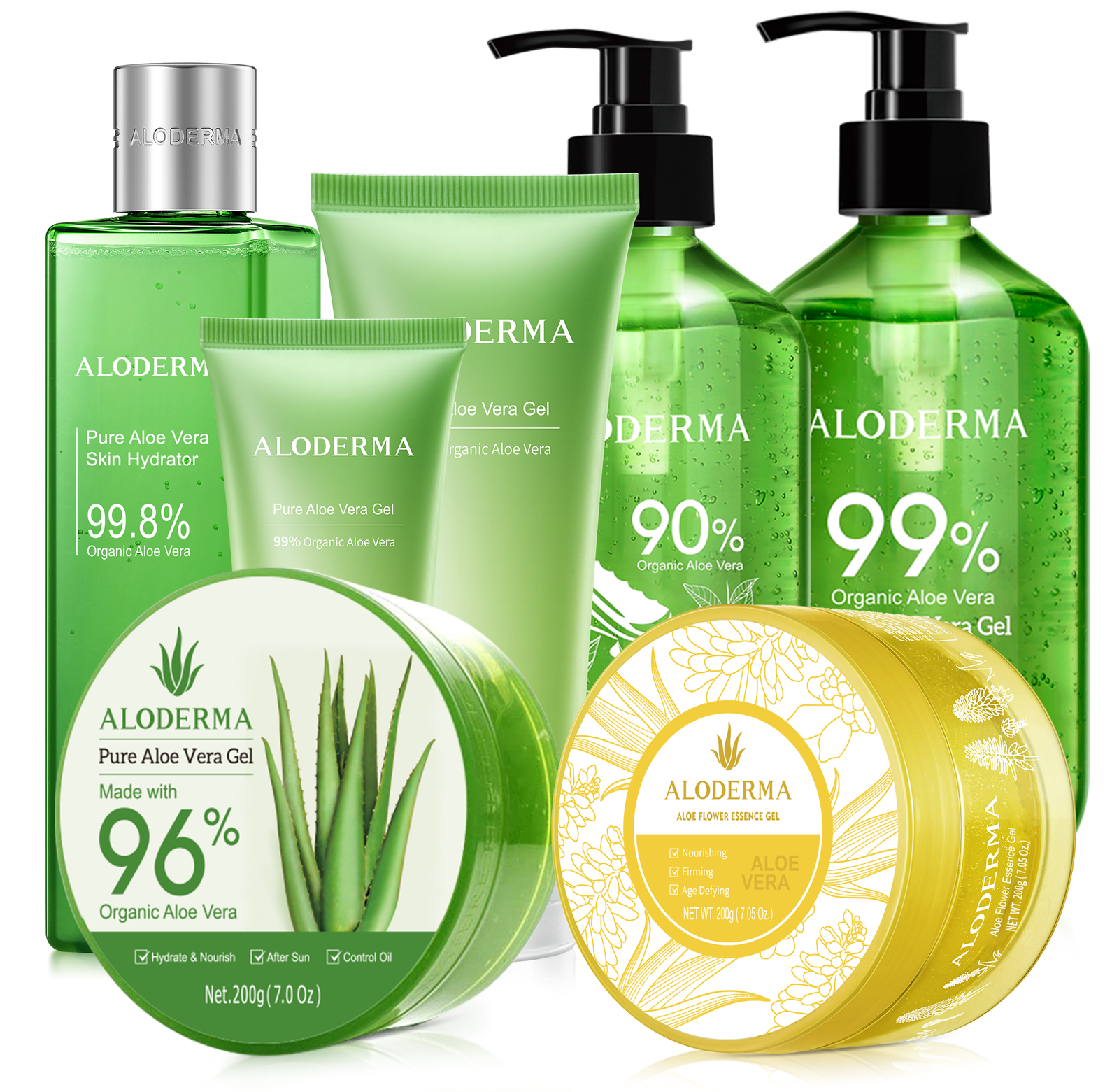
ALODERMA’s fresh aloe philosophy is a natural fit. High-potency, farm-fresh aloe vera works at the skin’s surface, where dehydration often shows up first. Your water intake helps supply the body. Your topical routine helps your skin keep more of what it has.
If you want to discover smarter hydration tips, it helps to treat hydration like a daily rhythm rather than a challenge to finish before bed.
The goal is not to force a universal number. It is to build a hydration plan your body and your skin can use.
Understanding Your Body’s Need for Water
Your body runs on water the way a busy city runs on roads, power lines, and delivery trucks. Water helps move nutrients, remove waste, regulate temperature, and keep countless daily processes going without you having to think about them.
That’s why hydration isn’t just a beauty topic. It’s a basic body function.

According to Hydratis’ summary of hydration guidance, the human body is 55 to 65% water, and adults typically lose 1.5 to 2.5 liters daily through normal bodily functions. The same source notes that the National Academy of Sciences, Engineering, and Medicine suggests total daily fluid intake of about 3.7 liters for men and 2.7 liters for women, including beverages and moisture from food.
Water is doing quiet work all day
Even when you’re sitting still, your body is using and losing water. You breathe it out. You sweat a little even when you don’t notice. You lose it through normal elimination. That ongoing loss is why hydration has to be replaced regularly rather than in one giant evening catch-up session.
Think of your cells like tiny grapes. When they have enough water, they function with better flexibility. When they’re short on water, things can feel sluggish. Your mouth may feel dry. Your concentration may dip. Your skin can start looking less lively.
For readers who want a deeper look at minerals and hydration quality, Peak Performance shares discover smarter hydration tips that explain why fluid balance isn’t only about volume.
Why this matters for skin too
Skin sits at the edge of your internal and external worlds. It reflects what’s happening inside, but it also faces dry air, cleansers, sun exposure, and friction from daily life. So hydration is always a two-part story.
That’s one reason skin can still feel dry even when you’re drinking more water than before. You may be improving internal hydration while still needing products and habits that support comfort on the surface. If dry, uncomfortable skin is a recurring issue, this guide on what vitamin helps with dry skin can help you think about other missing pieces too.
Practical rule: Don’t treat thirst, food, climate, and skincare as separate topics. Your skin experiences all of them at once.
Calculating Your Personal Hydration Target
How much water does your body need for healthy, comfortable skin. Probably not the exact same amount as the person sitting next to you.
A useful hydration target starts with your real day. Your body size, your meals, your environment, and how much you sweat all change the picture. The popular 3-liter idea can be a reference point, but it should not become a daily rule you force regardless of context.
Skin goals fit into this too. Internal hydration helps create better conditions throughout the body, while topical care supports the skin barrier at the surface. That pairing is why a personalized plan works better than generic advice, especially if you also want to get more from a fresh aloe routine. If you want practical skin-side support along with better fluid habits, this guide on how to hydrate skin effectively connects those pieces clearly.
Start with your routine, not a trend
Your hydration target works like a clothing layer. The base need may be similar from one day to the next, but heat, activity, and environment determine what you need to add.
| Daily factor | What it means for your intake |
|---|---|
| Mostly indoors and sedentary | You may need less than someone training or working outside |
| Exercise or physical work | Sweat losses increase fluid needs |
| Hot or dry climate | Fluids are often lost faster across the day |
| Water-rich meals | Fruit, vegetables, yogurt, and soups contribute to hydration |
| Heavy sweating | Replacing fluids gradually matters more |
A quiet office day and a long outdoor workday should not have the same hydration goal. Your body is responding to very different demands.
A simple way to estimate your own target
Use four questions.
-
What do I weigh?
Body size influences baseline fluid needs. In simple terms, a larger body usually needs more water than a smaller one. -
How much did I sweat today?
Sweat is one of the biggest reasons daily needs shift. Damp clothes, salt marks, flushed skin, and unusual thirst are useful clues. If you want a more athletic method, Revolution Science explains how to measure sweat output in a practical way. -
What did I eat?
Hydration does not come from beverages alone. A lunch with soup, cucumber, berries, or yogurt supports your total intake differently than a meal built around salty packaged foods. -
What kind of environment was I in?
Heated indoor air, airplanes, long commutes, and hot weather can all leave you feeling drier by the end of the day.
Two real-life examples
Office day:
You sit at a desk, commute in mild weather, and do light activity after work. You may do well with a bottle nearby, a glass of water at meals, and water-rich foods across the day. Steady intake usually works better than trying to catch up at night.
High-output day:
You spend hours outdoors, walk a lot, or exercise after work. Your needs are higher because losses are higher. In that case, planning matters. Start earlier, drink consistently, and include meals or snacks that help you hold onto fluids.
One more point often gets missed. A good hydration target should feel repeatable. If your plan feels like a punishment or a math test, it is probably too rigid.
The goal is not to chase a perfect number. The goal is to give your body, and your skin, the conditions they need to stay balanced so topical support like ALODERMA’s fresh aloe can do its job on a better-supported surface.
How Internal Hydration Powers Your Skincare
When skin is well supported, it tends to look smoother, feel more comfortable, and reflect light more evenly. That’s often the first benefit observed. Makeup sits better. Cleansing feels less stripping. The skin surface doesn’t seem as tight by afternoon.
But drinking water doesn’t “moisturize” your face in the same direct way a topical product does. Internal hydration helps create better conditions in the body. Topical skincare helps manage what’s happening at the surface.

What happens inside can affect what happens on your face
Clinical trials summarized by Healthline’s review of 3 liters of water show that drinking 500 mL of water can temporarily boost resting energy expenditure by 24 to 30%. The same source explains that increased water turnover can improve stratum corneum plasticity, which matters because the stratum corneum is the outermost layer of skin. When that outer layer is more flexible and comfortable, skin often looks less rough and feels less reactive to daily stress.
That review also notes that potent topical ingredients like fresh aloe vera can work more effectively when the skin environment is well supported, because aloe polysaccharides bind moisture.
Why water and skincare are partners
Think of internal hydration as preparing the ground, while topical hydration tends the surface.
If you’re under-hydrated, your skin may still feel unsettled even if you’re using good products. If you drink enough fluid but use a routine that strips the skin, you can still end up with tightness and uneven texture. The most visible difference often comes when both sides are handled together.
Here’s a simple pairing mindset:
- Morning water plus gentle cleansing helps you start the day without piling stress onto the skin.
- Hydration through meals supports your body while a light serum or gel supports your skin surface.
- Steady intake through the day pairs well with products designed to layer moisture comfortably, especially if your skin dislikes heavy textures.
For more on that external side, this article on how to hydrate skin breaks down practical topical strategies.
How readers often get confused
Some people expect more water to erase every sign of dryness within days. Others assume skincare doesn’t matter if they’re already drinking enough. Both ideas miss the middle ground.
A person can drink thoughtfully and still need a routine that replenishes moisture after cleansing. Another person can own a shelf full of hydrators and still feel dry because they’re barely drinking during the day.
Better skin often comes from reducing the tug-of-war. Support the body from within, then support the skin barrier from the outside.
Recognizing the Signs of Hydration Imbalance
Your body usually sends early signals when your water intake is off. Skin often joins that conversation, but it is only one part of the picture.
A helpful way to read those signals is to look for patterns, not one isolated symptom. Dullness after a late night does not always mean dehydration. Very clear urine after a big bottle at the gym does not always mean you drank too much. What matters is the cluster of clues your body repeats over time.

Under-hydrated versus over-hydrated
| Under-hydrated signs | Over-hydrated signs |
|---|---|
| Thirst or dry mouth | Frequent urination |
| Low energy | Very clear urine |
| Headache or light dizziness | Swelling |
| Dull, tight-feeling skin | Nausea or confusion |
Under-hydration often feels like your system is running low. Over-hydration can feel like you keep drinking but do not feel better. That distinction helps because the answer is not always “more water.” Sometimes the better fix is slower intake, better timing, or replacing fluids after heavy sweating.
Why too much water can also be a problem
Water needs balance to work well in the body. Sodium helps control how fluid moves in and out of cells, much like the right amount of salt helps a soup hold its flavor instead of tasting flat. If someone drinks far beyond what their body can handle in a short period, sodium in the blood can become too diluted. The National Kidney Foundation explains that this can lead to hyponatremia, which may cause symptoms such as nausea, headache, confusion, and in severe cases, medical emergency signs, in its overview of hyponatremia and low blood sodium.
This is more relevant for endurance exercise, long periods of sweating, or aggressive “hydration challenges” than for a normal day at home. Still, it is a useful reminder that a personalized target works better than forcing a fixed 3 liters no matter your size, meals, weather, or activity.
Skin clues people overlook
Skin can act like the surface of a plant. If the roots are not getting enough water, the leaves lose some spring. In the same way, your complexion may look less lively when internal hydration is inconsistent, even if you are applying good products.
Watch for signs like:
- Morning tightness after cleansing that fades briefly, then returns
- Foundation catching on small dry patches even when other areas look shiny
- A papery or less elastic feel around the cheeks or forehead
- Skin that looks flat instead of fresh and bouncy
These signs do not diagnose dehydration by themselves. Cleansers, weather, indoor heat, medications, and skin barrier damage can all create a similar look. The useful question is whether your skin signs are showing up alongside body signs such as thirst, fatigue, darker urine, or headaches.
That is where ALODERMA’s fresh aloe approach fits naturally into a smarter plan. Internal hydration supports your whole system. High-potency topical aloe helps support the skin surface you see in the mirror. If your face feels warm, tight, or dull during the day, a light face hydrating spray with aloe vera can be a practical outer-layer partner while you also improve your fluid habits.
If your skin looks tired and your body feels tired, review both your water pattern and your skincare pattern. Radiant skin usually responds best when both are working together.
Simple and Enjoyable Ways to Increase Intake
Many don’t need more pressure. They need easier habits.
If drinking 3 liters of water sounds overwhelming, stop treating hydration like a test you might fail. Make it part of routines you already keep.

Build hydration into your day
Some habits work because they remove decision-making.
- Start before coffee: Keep a glass of water by your bed or in the kitchen where you make breakfast.
- Attach water to routines: Drink during moments that already repeat, such as after brushing your teeth, before meetings, or when you sit down to lunch.
- Use foods that help: Fruit, cucumbers, soups, smoothies, and yogurt-based meals can make hydration feel less like a chore.
- Choose a bottle you like carrying: The best bottle is the one you refill.
Make it more pleasant
Plain water doesn’t have to be the only option. A pitcher with citrus, cucumber, or berries can make the habit easier to repeat. Sparkling water can help some people drink more comfortably. Herbal tea can be a cozy option when cold drinks feel unappealing.
For skin-focused readers, another helpful trick is pairing hydration with visible self-care cues. A facial mist on your desk, for example, can remind you to check in with both your skin and your water intake. If you want ideas, this guide to using a hydrating spray for face care offers simple ways to make that habit feel natural.
A short visual can help make these habits stick:
Try a gentle routine stack
Hydration habits work better when they’re tied to moments you enjoy.
One easy example:
- Drink a glass of water after waking.
- Cleanse your face.
- Apply toner or lightweight hydration.
- Pack your water bottle before leaving the house.
If you like a simple skincare follow-up, Aloe Hydrating Toner fits neatly into that kind of routine.
Another helpful approach is to stop aiming for perfection. Some days will be easier than others. Travel days, busy workdays, and stressful weeks often throw routines off. The answer isn’t to give up. It’s to return to your next glass, your next meal, and your next small habit.
Conclusion Your Dual-Action Plan for Radiant Skin
The best takeaway from the 3 liters of water debate is simple. Hydration is personal.
For some people, 3 liters may fit well. For others, it may be too much, too little, or only appropriate on certain days. The more helpful goal is to understand your body’s signals, notice your environment, and build a rhythm that supports both health and skin comfort.
That’s where skin wisdom becomes more realistic. Internal hydration helps create better conditions for your body and for the outer layer of your skin. Topical care helps protect, replenish, and maintain that comfort where you can see and feel it most.
If your skin has been looking dull, feeling tight, or acting unpredictable, don’t reduce the answer to one trend. Check your fluid habits. Check your daily routine. Look at how your meals, climate, and cleansing habits work together.
Healthy, radiant skin usually comes from that dual-action plan. Drink enough for your body. Support your skin barrier with thoughtful care. Stay observant instead of rigid. Your skin will usually tell you when the plan is finally starting to fit.
If you want skincare that fits this inside-and-out hydration approach, explore ALODERMA. ALODERMA is a fully vertically integrated aloe vera company that grows its own organic aloe, processes it, and manufactures onsite within 12 hours of harvest so the aloe in every formula stays as bioactive and effective as possible. You can browse essentials like Pure Aloe Vera Gel, Aloe Hydrating Cleanser, and Aloe Herbaceous Gel Cream to build a fresh, gentle routine that supports healthy-looking, radiant skin.