

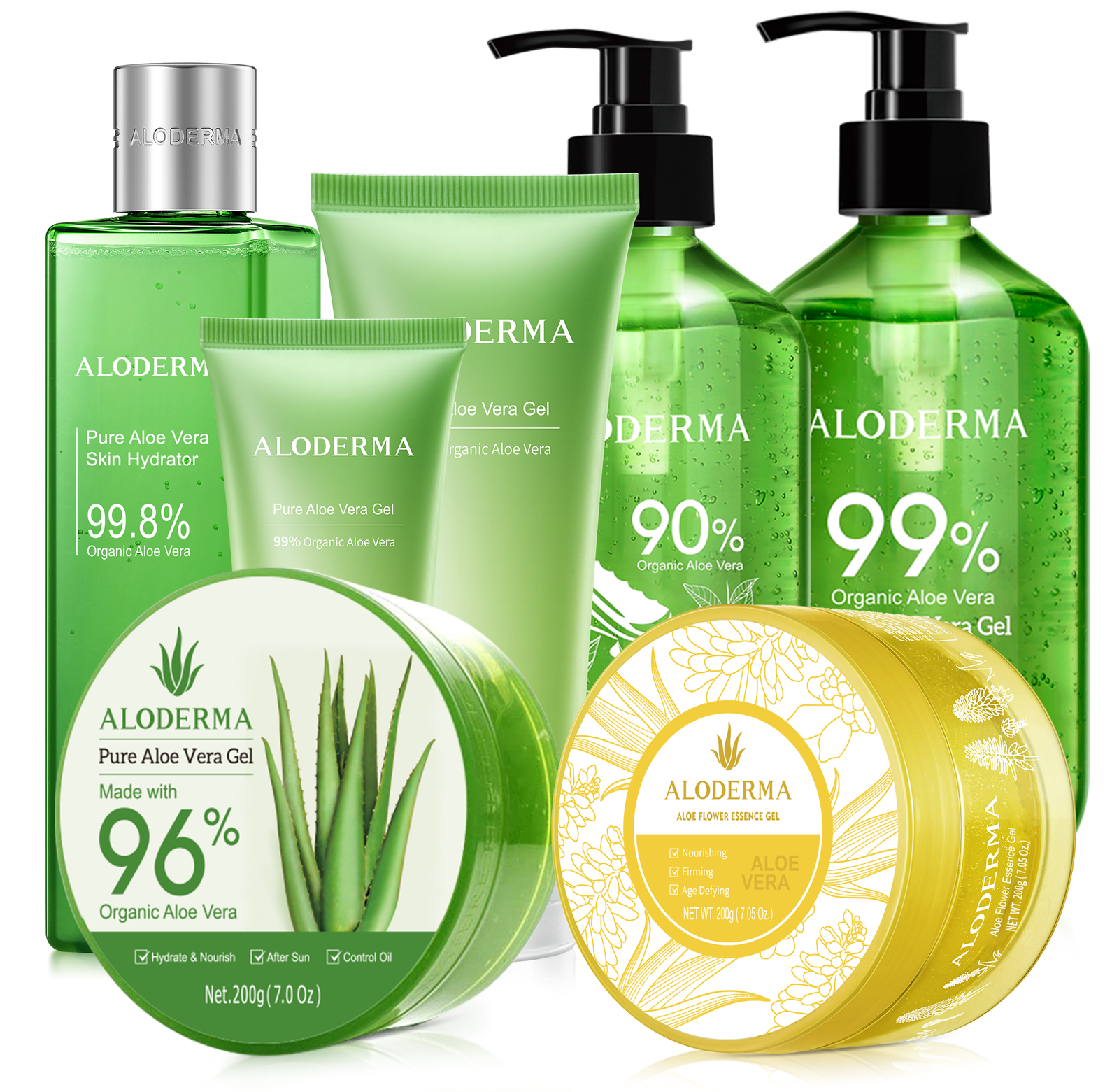


If you're asking yourself what vitamin helps with dry skin, you're on the right track. The truth is, there isn't just one magic bullet. Instead, several "hydration heroes" work together, with Vitamins D, A, C, and E leading the charge. Each one plays a unique role in helping your skin stay comfortable and moisturized, much like essential nutrients for a delicate plant.
Your Quick Guide to Vitamins for Hydrated Skin
Dealing with that tight, flaky, and just plain uncomfortable feeling of dry skin is beyond frustrating. It can feel like a constant battle, leaving you self-conscious and just wishing for a simple, lasting fix. You might have a cabinet full of moisturizers that promise relief, but the dryness always seems to find its way back.
What if the answer isn't only about what you put on your skin, but also what you're providing it from within?
Think of your skin’s surface like a well-built brick wall. Your skin cells are the bricks, and a fatty mixture called the lipid matrix is the mortar holding everything together. When certain vitamins are in short supply, that mortar starts to crumble, allowing precious moisture to escape and leaving your skin feeling parched. This is where a smart approach to both nutrition and skincare can make a world of difference.
The Key Players in Skin Hydration
Vitamins are the unsung heroes that help keep that natural barrier strong. They work behind the scenes to support cell function, shield your skin from daily environmental stressors, and maintain the structures that keep it looking plump and feeling soft.
To help you put all this information into practice, we’ve put together a complete dry skin care routine that shows you how to integrate these concepts for real, lasting comfort.
Quick Summary of Key Vitamins for Dry Skin
To make things even easier, here’s a quick-glance table of the most important vitamins for tackling dry skin.
| Vitamin | Primary Role in Skin Hydration | Common Food Sources |
|---|---|---|
| Vitamin D | Supports skin cell growth, repair, and metabolism. Helps strengthen the skin's barrier. | Fatty fish (salmon, mackerel), fortified milk, egg yolks, mushrooms |
| Vitamin A | Promotes cell turnover and helps prevent flaky skin by supporting the epidermis. | Sweet potatoes, carrots, spinach, kale, eggs, dairy products |
| Vitamin C | Essential for collagen production, which gives skin its structure and firmness. A powerful antioxidant. | Citrus fruits, bell peppers, strawberries, broccoli, kiwis |
| Vitamin E | An antioxidant that protects skin from damage and helps seal in moisture. | Nuts (almonds, hazelnuts), seeds (sunflower seeds), spinach, avocados |
This table gives you a great starting point for understanding how your diet can directly support healthier, more hydrated skin from the inside out.
Discover the Power of Vitamin D for Skin Comfort
When you hear “Vitamin D,” your mind probably goes straight to sunshine and strong bones. But if you're wrestling with skin that just won't stay hydrated, this vitamin is a game-changer you need to know about.
Vitamin D is absolutely essential for the healthy growth and life cycle of your skin cells. Think of these cells as the "bricks" of your skin barrier; Vitamin D helps create the strong "mortar" that holds them together, keeping moisture locked in and irritants out.
It's no wonder so many of us find our skin getting tighter and drier during the winter. Less sunshine means our bodies produce less Vitamin D, and that robust skin barrier can start to weaken.
Why Sunshine Isn't Always Enough
While our bodies can make Vitamin D from sunlight, relying on the sun alone is rarely enough, especially with our modern, often indoor, lifestyles. The link between low Vitamin D levels and dry skin issues is becoming impossible to ignore.
A major 2023 study blew the doors open on this connection. It found that a staggering 52.8% of patients with seborrheic dermatitis—a condition known for dry, flaky skin—had a severe vitamin D deficiency. That's more than double the rate found in healthy people. You can dive into the full 2023 seborrheic dermatitis and vitamin D study yourself to see the data.
This isn't just about specific conditions. An estimated 40% of adults in the US are deficient in Vitamin D, which lines up with the widespread complaints of general skin dryness.
To really get the most out of this vitamin for your skin, it pays to understand the details. For example, learning the differences between Vitamin D2 and D3 can help you make smarter choices about supplements and diet.
This is where the right skincare routine becomes a powerful partner. As a fully vertically integrated aloe vera company, Aloderma controls every step from our organic farms to the finished product. We grow all our own organic aloe vera and, to guarantee freshness, we process it and manufacture our products onsite within 12 hours of harvest. This unique process ensures that the primary ingredient in every one of our products is the most bioactive and effective aloe vera possible, providing the perfect, gentle foundation to support a vitamin-rich routine and give your skin the comprehensive care it deserves.
Vitamin A: Your Partner in Skin Renewal
If your skin feels rough, uneven, and just plain dry, Vitamin A might be the reset it’s been waiting for. Think of your skin as a beautiful, raw gemstone—Vitamin A is like the master polisher, gently buffing away the dull, flaky outer layers to reveal the smooth, radiant surface underneath.

It works by getting your skin’s natural renewal cycle back on track. Forms like retinoids and beta-carotene essentially act as gentle guides, encouraging old, dry cells to make way for fresh, hydrated new ones. This process, known as cell turnover, is the key to smoothing out that bumpy, flaky texture that so often comes with chronic dryness.
Dietary vs. Topical Vitamin A
You can absolutely support your skin from the inside out by eating colorful foods like carrots and sweet potatoes, which are packed with Vitamin A. For more targeted results, though, applying it topically allows it to get right to work on surface texture and dryness.
Studies have confirmed a link between low Vitamin A levels and rough, flaky skin. In fact, some research has shown that people dealing with very dry skin conditions often consumed less of this vital nutrient. You can explore more on the links between Vitamin A and skin to see the data for yourself.
This is where the right skincare formulation becomes so important. When you’re using a powerful active like Vitamin A, pairing it with a deeply soothing and hydrating base is crucial for keeping your skin happy and comfortable.
At Aloderma, as a fully vertically integrated company, we grow all of our own organic aloe vera and process it onsite within 12 hours of harvest. This is our farm-to-skin promise. It ensures the aloe in our products is as bioactive and effective as possible, creating a perfect, gentle base to complement powerful vitamins. Our Aloe Firming Serum, which contains Vitamin A (Retinyl Palmitate), does more than just help improve skin texture; it also delivers immediate, soothing hydration from our farm-fresh aloe, leaving your complexion looking refreshed and feeling comfortable.
The Protective Shield of Vitamins C and E
When it comes to protecting your skin from the daily grind, think of vitamins C and E as an inseparable team. They’re like your skin’s own personal bodyguards, working together to fight off the environmental stressors that can leave your skin feeling dry, tight, and looking tired. Every day, things like pollution and UV exposure challenge your skin's ability to stay hydrated and calm, and this is where these two powerful vitamins come in.

Vitamin C is absolutely essential for keeping skin firm and bouncy. It’s a key part of the process that builds collagen, the protein that gives your skin its structural support. When your skin has that healthy, springy feel, you have a strong collagen network to thank—and Vitamin C is crucial for maintaining it.
A Powerful Antioxidant Partnership
Vitamin E is a fantastic skin conditioner. Its main job is to help lock in moisture, which is what gives your skin that soft, smooth, and supple feel. But the real magic happens when these two vitamins are used together in skincare. They actually enhance each other's effects, creating a much stronger defense than either could provide on its own.
At Aloderma, we’re obsessed with this kind of natural synergy. As a fully vertically integrated aloe vera company, we grow all of our own organic aloe. We then process and manufacture it onsite within 12 hours of harvest. This isn’t just a talking point; it's how we ensure the aloe vera in every product is as bioactive and effective as possible. This fresh, antioxidant-rich base provides a soothing foundation that beautifully complements the protective power of vitamins, like in our Aloe Firming Serum which combines Vitamin C (Ethyl Ascorbic Acid) and Vitamin E.
This combination, boosted by fresh aloe, helps reinforce your skin's own natural barrier. The result is a complexion that feels more resilient and better prepared to face the day, so you can feel confident and comfortable in your skin. To learn more about this moisture-locking nutrient, you can read our complete guide on the best Vitamin E oil for your face.
If you’re interested in adding pure Vitamin C to your routine, you can find a detailed guide on using ascorbic acid powder for skin. This is a great way to build a truly effective routine for long-lasting skin comfort.
Build Your Vitamin-Rich Routine with Fresh Aloe Vera
Knowing which vitamins can help with dry skin is a great start, but the real secret to lasting comfort isn't just about what you use—it's about how you use it. Think of it like trying to grow a garden by just tossing seeds on dry soil. It won't work. Your skin needs a consistent, gentle routine to truly thrive.
This means pairing a diet rich in these vitamins with the right topical products that work together. And the foundation of that routine is everything. You need a base ingredient that soothes and preps your skin to soak up all the good stuff, not one that works against it.
Freshness as the Foundation
This is where Aloderma’s farm-to-skin promise makes a difference you can actually feel. As a fully vertically integrated aloe vera company, we control every step. We grow our own organic aloe vera, and once it's harvested, we process it within 12 hours.
This isn't just a marketing slogan; it's the core of what we do. By processing our aloe that quickly, we capture it at its peak. This ensures the primary ingredient in every single one of our products is as bioactive and potent as possible. This fresh, powerful aloe acts as the perfect soothing base, calming the skin and helping all the other beneficial ingredients in a formula perform even better.
This method preserves the natural goodness of aloe, creating a superior, gentle base that’s perfect for helping dry, sensitive skin. We invite you to learn more about how aloe vera can help your dry skin in our detailed guide.
Creating Your Soothing and Hydrating Ritual
Putting together a vitamin-rich routine doesn't have to be some complicated, 10-step process. Imagine the feeling of giving your thirsty skin a cool drink of water. That's what a simple, effective ritual can do.
A fantastic starting point is our Aloe Hydrating Toner. After cleansing, it delivers an instant wave of hydration that feels refreshing and preps your skin to better absorb whatever you apply next. Its formula, loaded with our farm-fresh aloe, helps calm and comfort the skin right away.
Next, layer on a targeted serum like the Aloderma Aloe Firming Serum. This serum is designed to support your skin's texture and elasticity. When you apply it to skin that's already been prepped by the toner, its ingredients can get to work more effectively, helping restore a smooth, radiant look. By combining these simple steps, you're creating a complete system that works to combat dryness and bring back your natural glow.
Your Questions on Vitamins for Dry Skin Answered

It’s only natural to have a few questions as you start figuring out what vitamin helps with dry skin and the best ways to actually use them. Getting solid answers you can trust is the first real step toward a routine that leaves your skin feeling comfortable and looking its best.
Can I Get All the Vitamins I Need From Food Alone?
Even with a healthy, balanced diet, it's a real challenge to get the perfect amount of every vitamin your skin craves. Modern farming and food processing can mean the nutrients in our food aren't always what they used to be.
For skin that just won't stop feeling dry, the most effective strategy is a one-two punch. You want to combine a diet packed with vitamin-rich foods and high-quality topicals that deliver a concentrated dose right where your skin needs it most. It's about nourishing your skin from the inside out and the outside in.
Is It Better to Take Vitamins Orally or Apply Them Topically?
The best approach is actually both—they work in partnership! When you take vitamins orally through food and supplements, you’re providing the fundamental building blocks for healthy skin structure over the long haul.
Applying vitamins topically gives you a more direct, targeted effect on the surface. This is how you tackle specific issues like a rough texture or dullness head-on. Think of it like building a house: your diet is the strong foundation, and your skincare is the protective paint and sealant that keeps the exterior in great shape.
At Aloderma, we craft skincare designed to be the perfect partner to your internal wellness efforts. As a fully vertically integrated company, we grow all of our own organic aloe vera and process it onsite within 12 hours of harvest. This is how we ensure the primary ingredient in every bottle is bursting with bioactive goodness, creating a soothing, powerful base that helps other ingredientsnin our Aloe Firming Serum work even better.
How Long Until I See Results for My Dry Skin?
When it comes to skincare, consistency is the name of the game. While you might feel instant relief and a surge of hydration from gentle ingredients like our fresh aloe, the deep, structural changes from vitamins take a little more time to show.
In general, you can expect to see visible improvements from topical vitamins like A and C after about 4-6 weeks of consistent use. This lines up with your skin’s natural renewal cycle. For dietary changes, it can take a few months to fully build up your body's nutrient stores. Be patient with the process, stick to your routine, and trust that you’re building the foundation for long-term skin health.
The path to comfortable, glowing skin starts with gentle yet powerful ingredients. See the farm-to-skin difference for yourself with Aloderma’s Pure Aloe Vera Gel + Tea Tree Oil, the perfect way to soothe, hydrate, and care for your skin, naturally.