



If you're standing in front of your bathroom mirror wondering why your skin feels tight right after cleansing, you're not alone. A lot of people still carry an old idea about toner. If it stings, dries fast, and makes your face feel squeaky, it must be doing something useful.
That's the habit many of us learned first, and it's also why so many people gave up on toner entirely.
Today's alcohol free toners are different. The question isn't just what they leave out. It's what they put in. When a toner is built around fresh, comforting ingredients like bioactive aloe vera, it can help skin feel calm, balanced, lightly hydrated, and ready for the rest of your routine. That's where the fresh is best philosophy matters most. A gentle formula is only as good as the quality of its main ingredient.
Why Your Skin Deserves a Kinder Toner
A lot of us remember the toner years. You washed your face, swiped on a sharp-smelling liquid, and waited through the sting because someone told you that meant it was “working.” For some skin types, that routine left behind more tightness than comfort.

That old model treated toner like a reset button that had to strip everything away. A kinder toner works differently. It helps skin settle after cleansing. It can remove leftover residue, support a comfortable surface feel, and prepare your face for serum or moisturizer without that parched, over-cleansed sensation.
Why the shift happened
People started paying attention to how their skin felt after using a product. Comfortable skin usually behaves better than stressed skin. That change in mindset is one reason alcohol free toners have moved from niche shelf space to a major category.
The shift is large enough to show up in market data. The global Alcohol-Free Toner market is projected to grow at a 18.00% CAGR during the forecast period, reflecting a strong move away from harsh, drying ingredients, according to HTF Market Insights on the alcohol-free toner market.
Practical rule: If your toner leaves your face feeling tight, shiny in a brittle way, or uncomfortable a few minutes later, your skin is probably asking for a gentler formula.
What kinder care looks like in real life
A kinder toner isn't only for one type of person. It fits into everyday moments:
- After a hot shower when your skin feels a little flushed and thirsty.
- After cleansing at night when you want to remove that last bit of makeup residue without scrubbing again.
- Before moisturizer when your skin needs a light layer of hydration so the next step spreads more smoothly.
Skin comfort often starts with the full ritual, not a single bottle. If you enjoy turning daily care into a relaxing routine, these Jackpot Candles bath products are a helpful read for building a more soothing bath and body experience around your skincare habits.
A good toner shouldn't punish your face for having oil, texture, or sensitivity. It should help your skin feel more like itself.
What Exactly Is an Alcohol-Free Toner
Right after cleansing, skin is clean but also a little exposed. That is the moment toner is meant for. A good alcohol-free toner leaves a light, comfortable layer on the skin so the rest of your routine can sit better and feel better.
The key idea is not only what the formula leaves out. It is what a well-made formula puts back in. The strongest alcohol-free toners contain ingredients that help replenish water and calm the skin surface, especially fresh, bioactive aloe vera. Fresh aloe works a bit like a cool drink for skin that has just been washed. It does not need to sting to do its job.

The three jobs a toner can do
Most alcohol-free toners help in three practical ways.
-
They sweep away leftover residue.
Even after cleansing, traces of makeup, sunscreen, cleanser, or hard-water minerals can stay behind. -
They bring comfort back to freshly washed skin.
A well-formulated toner helps skin feel calm and less stripped after water and cleanser. -
They add a light layer of hydration.
Slightly damp skin often takes serum and moisturizer more comfortably, much like a sponge softens when it has a little water in it.
The ingredient list matters here. A toner built around aloe vera, humectants, and other soothing ingredients can do far more than wet the face. It can help skin feel softer, less reactive, and more ready for the next step.
A toner should leave your skin feeling refreshed and settled, not squeaky, hot, or tight.
The ingredient confusion that trips people up
Readers often get mixed up on one point. “Alcohol-free” usually means the formula skips drying simple alcohols such as denatured alcohol or SD alcohol, the types often linked with that sharp, evaporating feel.
Not every alcohol on an ingredient label is a problem, though. Fatty alcohols like cetyl alcohol or stearyl alcohol are different ingredients with a different job. They are commonly used to improve texture and add a conditioned feel, rather than creating that stripped sensation people dislike.
If you want a closer look at how plant-based ingredients support gentle toning, Aloderma's guide to organic toner for face care explains what to look for.
A simple way to remember it is this. Cleanser removes. Toner replenishes and prepares. Serum targets a concern. Moisturizer helps hold comfort in place.
Finding the Right Toner for Your Unique Skin
The right toner doesn't come from trends. It comes from how your skin feels by day's end and what it needs after cleansing.
Some people want relief from that tight, papery feeling. Others want help with shine through the T-zone. Some want both at the same time. That's why choosing by skin behavior works better than choosing by packaging claims.
If your skin feels easily bothered
When skin reacts quickly, a harsh toner can make everything else in your routine harder to tolerate. A gentler formula can feel like a pause button. Look for a toner that focuses on hydration and comfort, especially one with aloe vera, glycerin, or other softening ingredients.
If your face often feels warm, dry, or touchy after washing, toner should bring relief, not drama.
If your skin tends to feel dry
Dry skin usually doesn't need more “deep cleaning.” It needs support. A good alcohol-free toner can act like the first drink of water in your routine, helping your moisturizer go on more evenly afterward.
A practical example is morning cleansing. If you rinse your face and then immediately feel like you need cream, toner can bridge that gap. Pressing a hydrating formula into slightly damp skin can make the whole routine feel more comfortable.
Your toner doesn't need to make your skin feel bare to make it feel clean.
If your skin gets shiny by midday
Often, old advice sends people in the wrong direction. Many people with oily skin were taught to dry everything out. That can backfire.
A common misconception is that alcohol-free toners won't do enough for oily or acne-prone skin. Evidence discussed in Minimalist's guide to alcohol-free toners shows they can target acne without over-drying by using gentler alternatives like niacinamide and witch hazel that help regulate sebum without triggering compensatory oil production.
That matters because over-stripping can leave skin feeling confused. It may feel dry on the surface and still look oily later.
Here's what that can look like in real life:
- By noon your forehead is shiny, but your cheeks feel tight. A harsh toner may worsen both feelings at once.
- You reach for blotting papers every day. A balancing toner may feel more supportive than an astringent one.
- You avoid toner completely because you think it's only for dry or sensitive skin. A well-formulated alcohol-free option can still fit oily skin.
For more skin-type-specific guidance, Aloderma's piece on natural toners for oily skin is a useful next read.
If your skin changes from area to area
Combination skin often needs flexibility, not extremes. You might press toner into drier areas with your hands and use a cotton pad only through the oilier parts of your face. That small adjustment can make toner feel personalized instead of one-size-fits-all.
Your skin doesn't need punishment. It needs the right kind of support.
Decoding the Toner Ingredient Label
Ingredient lists can feel like reading a different language. The good news is you don't need to memorize everything. You just need to know which ingredients usually signal comfort and which ones deserve a closer look.
When you pick up a toner, start with the first several ingredients. They usually tell you the product's real personality.
Toner Ingredient Cheat Sheet
| Look for These (Hero Ingredients) | Be Cautious Of (Potential Irritants) |
|---|---|
| Aloe vera. Brings a fresh, cushioned feel that helps skin feel comfortable after cleansing. | Denatured alcohol. Often used for that fast-drying, sharp feel many people associate with old-school toners. |
| Glycerin. Helps draw in moisture and leaves skin feeling softer instead of squeaky. | SD alcohol. Another simple alcohol that can feel too drying for many routines. |
| Hyaluronic acid. Think of it as a water-binding helper that gives skin a bouncier, dewier feel. | Heavy added fragrance. For some people, strongly scented formulas can make a toner feel less gentle than expected. |
| Niacinamide. A useful ingredient when you want a toner to feel balancing rather than stripping. | Essential oils in strong amounts. Some people enjoy them, but if your skin is very reactive, less can be easier. |
| Rose water or green tea. Often included in formulas meant to refresh and refine the look of skin gently. | Very long lists of astringent actives together. Too many “clarifying” ingredients at once can make a toner harder to live with daily. |
How to read the list without overthinking it
Start with one question. What is this toner trying to do? If it claims to hydrate, the ingredient list should support that with humectants and soothing plant ingredients. If it claims to balance oil, look for ingredients that sound supportive rather than punishing.
A simple label check can go like this:
- First, scan for the base. If aloe vera appears prominently, that often tells you the formula is built around comfort.
- Next, look for moisture helpers. Glycerin and hyaluronic acid usually fit that role.
- Then, check for possible troublemakers. Drying alcohols and heavy fragrance deserve a pause.
- Last, match the formula to your own skin mood. A person with a tight, dry feeling after cleansing will likely want a different toner than someone focused on midday shine.
One product-specific example is the Aloderma Hydrating Facial Toner, which is offered as an alcohol-free toner and can be worth comparing against other formulas if you're looking for an aloe-forward option. When comparing products, focus on the ingredient deck and whether the formula matches how your skin behaves, not just what the front label promises.
How to Use a Toner in Your Skincare Ritual
A toner works best when it has a clear place in your routine. Use it after cleansing and before serum or moisturizer. That's the sweet spot.
Done well, this step doesn't feel fussy. It feels like a brief reset.

Two easy ways to apply it
Some people love a cotton pad. Others prefer hands. Both can work.
The sweep method
Use a soft reusable cotton pad when you want that extra “final pass” after cleansing.
- Pour a small amount onto the pad.
- Sweep gently across the forehead, cheeks, nose, and chin.
- Don't scrub. The pad should glide, not drag.
This method is nice at night when you've worn sunscreen or makeup and want to catch any last traces left behind.
The press and pat method
Use your palms when your goal is hydration and comfort.
- Pour a little toner into clean hands.
- Press it in over the face.
- Pat lightly until the skin feels fresh and slightly damp.
This method often feels better for dry or easily bothered skin because there's no friction from a pad.
A short demonstration can help if you're more of a visual learner:
A simple routine you can use tonight
- Cleanse gently so your skin starts fresh.
- Apply toner with a cotton pad or your hands.
- Let it sit for a moment so your skin stays lightly damp.
- Follow with serum and moisturizer while that fresh layer is still there.
Small habit, big difference: Don't wait until your face is fully dry and tight before doing the next step. Toner is part of the flow of your routine.
If you're wondering about frequency, Aloderma's article on whether toner can be used every day is a practical guide.
Why Freshness Matters The Aloderma Farm-to-Skin Difference
You cleanse your face, reach for a toner, and expect that light, calm, refreshed feeling. If the formula is built around aloe vera, the core question is simple. How fresh was that aloe when it went into the bottle?

Why fresh aloe changes the experience
Alcohol-free toners often get described by what they leave out. No drying alcohol. No harsh sting. That is helpful, but it only tells half the story. A gentle toner also needs something good to bring to your skin, and that is where a high-quality base ingredient makes a real difference.
Fresh aloe works like fresh produce in your kitchen. The closer it is to its original state, the more connected it feels to the plant it came from. In skincare, that can translate to a toner that feels soothing, cushiony, and comfortable instead of flat or watery.
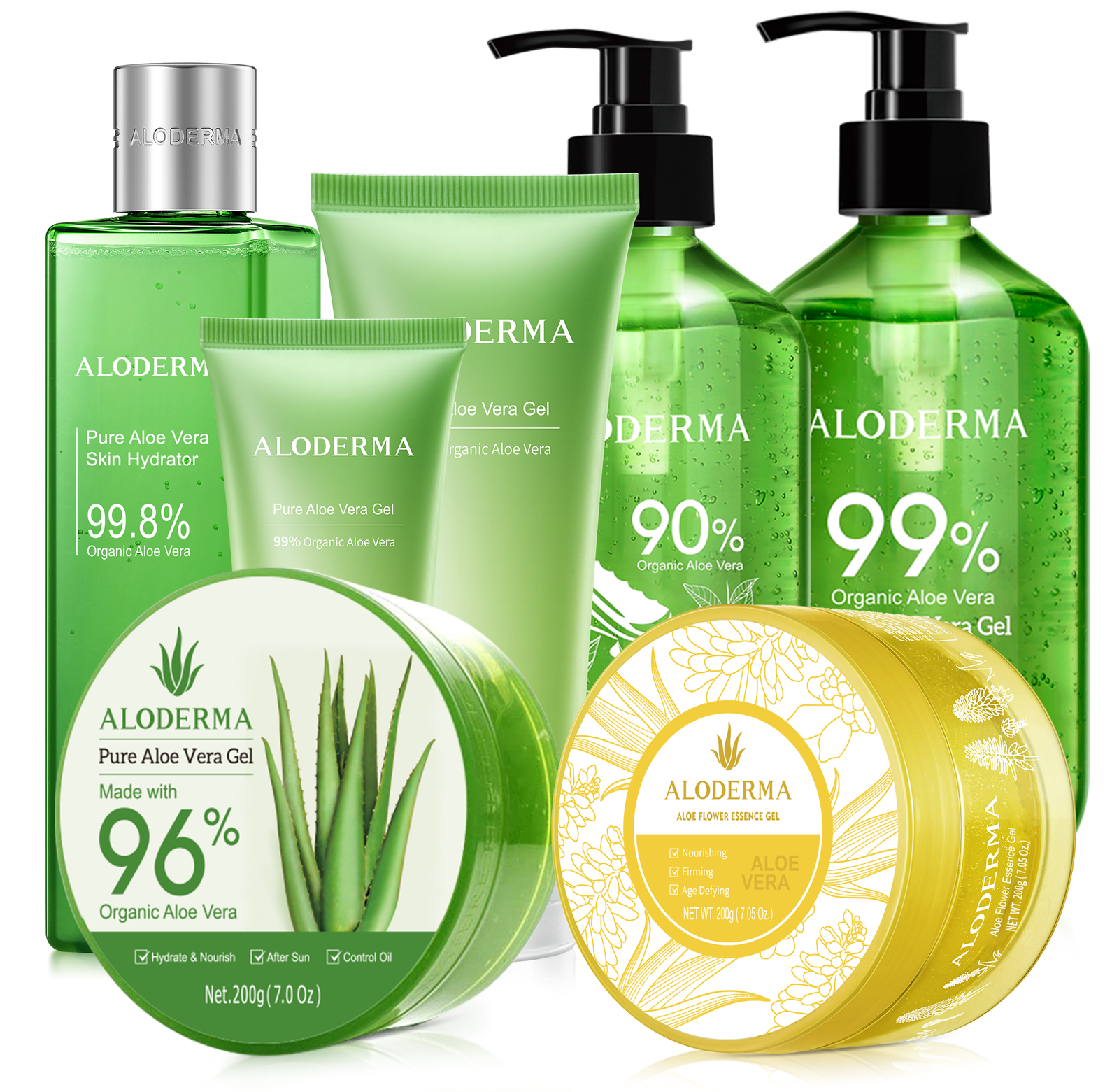
Aloderma builds its formulas around that idea. The company grows its own organic aloe vera, processes it on site, and manufactures within 12 hours of harvest. “Fresh is best” is more than branding. It reflects a farm-to-skin approach where aloe is treated as the heart of the formula, not a tiny add-on added for label appeal.
What that means once the toner touches your skin
This is the part many shoppers miss. A toner can be alcohol-free and still feel underwhelming if its main ingredients are weak, diluted, or included in small amounts.
A well-made aloe toner aims for a different result. It gives skin a quick drink of hydration after cleansing, helps take down that dry, pulled feeling, and leaves the surface feeling soft and settled. For sensitive or easily bothered skin, that difference can feel immediate.
Freshness also fits the “fresh is best” philosophy in a practical way. If aloe is the star ingredient, the time between harvest and formulation becomes part of product quality, just like ingredient placement on the label or the overall simplicity of the formula.
Why ingredient standards still matter
Fresh aloe is a strong starting point, but it should sit inside a thoughtful formula. Aloderma states that its newer products use a high percentage of naturally derived ingredients, with organic content varying across the line. For shoppers, that is useful context.
It means you are not only looking for an alcohol-free claim. You are looking for a toner built around a meaningful primary ingredient, supported by ingredients chosen to keep the formula gentle and skin-friendly.
That is a better way to shop. Instead of asking only, “What is missing?” ask, “What is doing the calming, hydrating work here?”
If you are comparing products
Reading the ingredient list and product description closely can tell you a lot. Look for aloe vera placed high on the list, a short group of supporting ingredients that make sense for your skin, and language that explains how the formula is sourced and made.
A fresh aloe toner feels intentional. The aloe is there for a reason. It is the foundation.
Common Toner Questions and Myths Debunked
You wash your face, reach for toner, and pause. Will this help your skin feel calm and comfortable, or will it bring back that tight, squeaky feeling you were trying to avoid?
That hesitation makes sense. Toners have a mixed reputation because many people learned about them through harsh astringents. Alcohol-free toners are a different category. The best ones are built around useful ingredients that add something your skin can use, especially after cleansing. Fresh aloe is a good example. It works like the soothing base in a recipe, not a tiny extra added for label appeal.
Do you really need a toner
A routine can be effective without one. A toner is more like a helpful support step than a requirement.
Used well, it can make skin feel more settled after cleansing and help the next layer of care go on more evenly. If your cleanser already leaves your skin comfortable, you may be happy without toner. If your face often feels dry, warm, or slightly taut after washing, a gentle toner can fill that gap.
Is toner just expensive water
A well-made toner does more than wet the skin. The formula matters.
Plain water evaporates quickly. A thoughtful toner includes ingredients chosen to calm, hydrate, or soften the feel of skin after cleansing. That is why the ingredient list matters more than the marketing on the front of the bottle. An alcohol-free toner centered on aloe, glycerin, or other skin-friendly humectants can leave skin feeling refreshed and less reactive, instead of briefly damp and then dry again.
Can alcohol-free toners help with pores
They can help skin look smoother and more refined, which often makes pores appear less obvious. That is a cosmetic improvement, not a permanent change in pore size.
A gentle toner can also remove leftover cleanser, hard-water residue, or light debris that may leave skin looking dull or uneven. For many people, that cleaner, calmer surface is what creates the "my pores look better" effect. As noted earlier, aloe-based formulas are often chosen because they support comfort while giving that fresh, clean finish.
Is a stronger toner always better
Stronger usually means more aggressive, not more effective.
If a toner stings, leaves your cheeks shiny and tight, or makes you rush to apply moisturizer, your skin is giving you useful feedback. A good toner should feel like a soft exhale for the skin. You want comfort, light hydration, and a clean finish, not punishment. Fresh is best applies here too. A formula led by a high-quality, bioactive ingredient like fresh aloe often does more for skin happiness than a harsh formula that tries to impress you with intensity.
Does alcohol-free mean it will not work for oily or breakout-prone skin
No. That is one of the biggest myths.
Oily skin still needs balance. Stripping it can backfire and leave skin feeling irritated or unsettled. Many oily or combination skin types do better with a light, alcohol-free toner that hydrates gently while keeping the surface feeling clean. The key is choosing the right supporting ingredients and a base that respects the skin barrier.
A brief factual note on ALODERMA fits here. The brand is known for using fresh aloe vera as a primary ingredient, which reflects the idea repeated throughout this article: a toner earns its place by what it contains and how thoughtfully it is made, not by how harsh it feels.