







Your legs feel fine while you’re moving. Then you sit down after a long walk, a hard workout, or an afternoon of yard work, and the tightness shows up all at once. Sometimes it’s not even exercise. It’s the shin you knocked on the bed frame, the shoulder you overused carrying groceries, or the calf that feels heavy after chasing your kids around all day.
That’s usually when people start looking for something simple, plant-based, and easy to use at home. Arnica massage oil often comes up for exactly that reason. It has a long herbal history, it’s familiar to many natural wellness shoppers, and it feels less intimidating than harsher options.
If you’re curious but cautious, that’s a smart place to start. Arnica can be helpful, but the details matter. The type of arnica matters. The carrier oil matters. And if your skin is sensitive, oily, or prone to breakouts, the formula matters just as much as the herb itself.
Your Plant-Based Partner for Life's Aches and Bumps
Arnica has lasted in herbal care because it fills a very specific role. People use it on intact skin after the body feels bumped, overused, or sore from ordinary life.
That broad use matters, but so does context. An arnica massage oil should feel supportive on the body without creating a new problem for your skin. If you are sensitive, easily flushed, or prone to clogged pores, the formula around the arnica matters as much as the herb itself. Fresh aloe helps here. It works like a cooling cushion, giving skin-friendly hydration without the heavy feel that richer oils can leave behind.

Why arnica still earns a place in everyday care
Herbal traditions have used arnica for a long time for bruised, tender, and overworked areas. What keeps it relevant now is not nostalgia. It is the simple fact that people still want a plant-based option they can massage onto a sore shoulder, tired calf, or mildly banged-up shin.
For cautious skincare shoppers, the smarter question is not just "Does arnica belong in a massage oil?" It is "What else is in the bottle with it?"
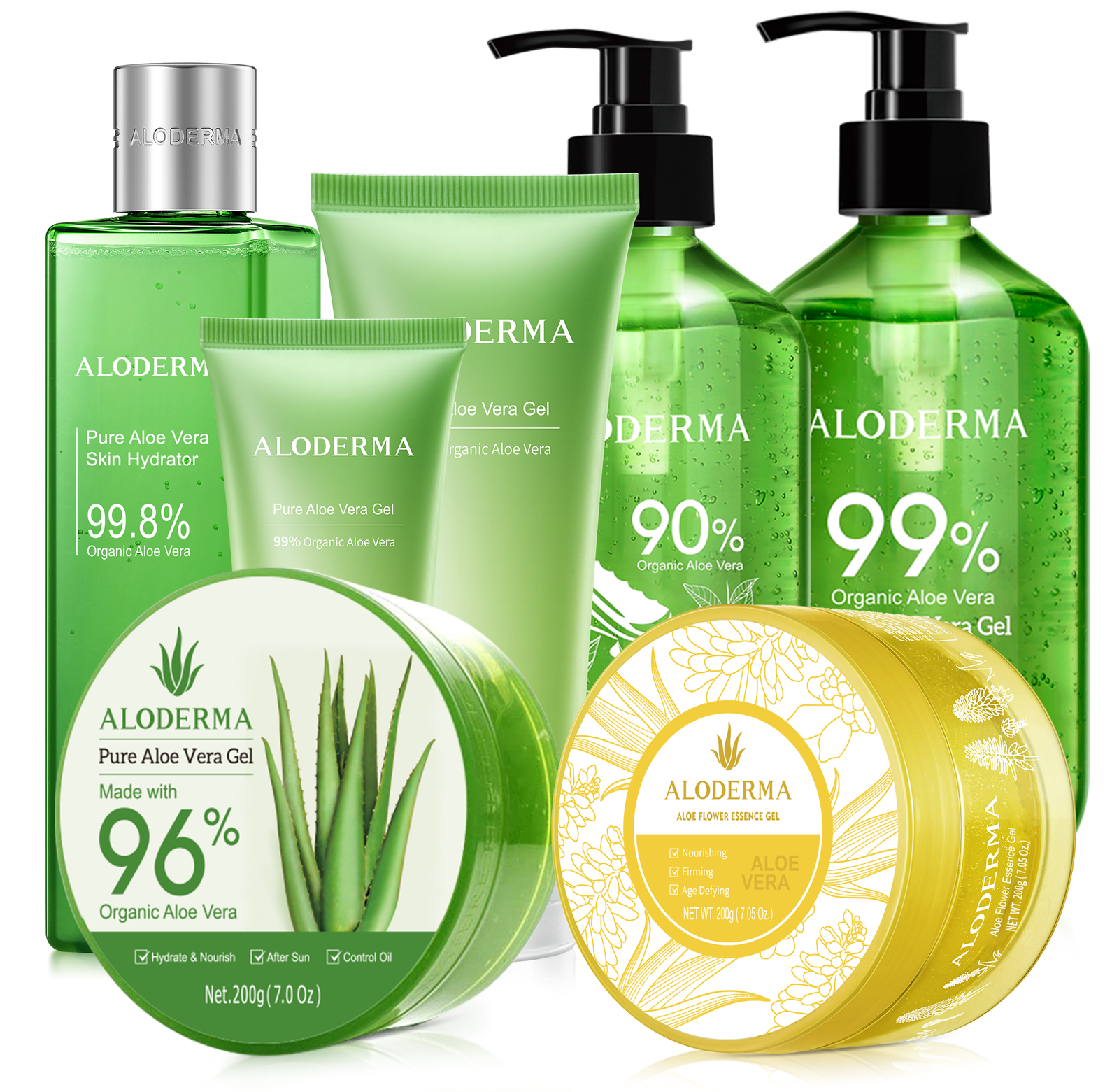
A heavy, overly fragranced formula can feel like putting a thick winter coat on skin that already feels irritated. A lighter formula, especially one paired with aloe, feels more like a breathable layer. That is one reason ALODERMA's farm-to-skin approach stands out. Fresh, bioactive aloe gives the formula a soothing base that supports skin comfort while keeping the texture lighter and less greasy than many traditional body oils.
Practical rule: Use arnica massage oil for everyday recovery on intact skin, and choose a formula that respects your skin type, especially if you break out easily or react to rich oils.
Where arnica massage oil fits best
People often keep arnica nearby for a few predictable moments:
- After activity: calves, thighs, or shoulders feel worked after walking, workouts, or long days on your feet
- After repetitive chores: the back, forearms, or hands feel strained after gardening, cleaning, or lifting
- After a minor bump: an area feels tender and looks a little off, but the skin is unbroken
If your skin is blemish-prone, placement matters too. Oil that feels fine on legs may feel too occlusive on the chest, shoulders, or upper back. That is why a non-comedogenic partner ingredient matters. Aloe is useful here because it brings water-based comfort without loading the skin with pore-clogging weight.
This also helps clear up a common misunderstanding. Arnica massage oil is not only for athletes or deep tissue massage. It can fit into ordinary body care, as long as you use it carefully and choose a formula with a skin-conscious base. For readers comparing common over-the-counter options, Medistik Vs Arnicare offers one example of how product formats and ingredients can differ.
A good arnica product should help your body feel cared for and leave your skin calm, not shiny, congested, or irritated. That balance is very much in line with ALODERMA's philosophy. Start with fresh ingredients. Keep the formula gentle. Let the plant do its job without asking stressed skin to tolerate more than it should.
Understanding What Arnica Massage Oil Really Is
Many people hear “arnica oil” and picture one single ingredient in a bottle. That’s not usually what you’re getting.
Arnica massage oil is typically an infusion. That means Arnica montana flowers are steeped in a carrier oil so the plant’s compounds move into that base. This process is similar to making sun tea, but with flowers and oil instead of tea leaves and water. The carrier oil does the holding and spreading. The arnica provides the herbal character.
Infused oil versus essential oil
This distinction often confuses readers.
An infused arnica oil is not the same thing as a highly concentrated essential oil. According to the therapist guide from Body Best on arnica infused oil, arnica massage oil is commonly made by infusing Arnica montana flowers into carrier oils such as grapeseed or jojoba. That infused format is designed for direct massage on intact skin.
Essential oils are much stronger and can be far more irritating when used the wrong way. If you’re shopping for a product to massage into tired legs or shoulders, you want to know which kind you’re holding.
A quick label check helps:
| What to look for | What it usually means |
|---|---|
| Arnica flower infused in a carrier oil | A massage-friendly product |
| Carrier oils like jojoba or grapeseed | The formula has a base that affects feel and skin compatibility |
| Very concentrated arnica or essential oil language | A product that may need extra caution |
Why the base matters as much as the herb
The carrier oil isn’t filler. It affects texture, slip, absorption, and how your skin responds.
A light carrier can make the oil feel easier to spread and less greasy. A heavy one can sit on the surface longer. For someone with dry skin, that may feel comforting. For someone with blemish-prone skin, it may feel like too much.
That’s why comparison shopping matters. If you’re sorting through topical recovery options, a resource like Medistik Vs Arnicare can help you think more clearly about format, texture, and use case instead of assuming all arnica products work the same way.
Quality starts with the plant, but it doesn’t end there. The final feel on your skin depends on what carries the arnica and how thoughtfully the formula is made.
When people say one arnica massage oil “worked” and another didn’t, they may be reacting to the full formula, not just the flower.
How Arnica Works to Soothe and Comfort Your Body
Arnica helps by calming the body’s response after everyday strain. After a long walk, a tough workout, or a small bump into the edge of a table, the area can feel tender, look a little uneven in tone, or seem mildly puffy. Arnica is commonly used in topical care for that kind of temporary discomfort.

What’s happening under the skin
It helps to view arnica as a support tool, not a dramatic fix. Your body already knows how to recover from minor daily stress. A well-made arnica massage oil gives that process a gentle nudge near the surface of the skin, especially when it is worked in with light massage.
Massage is part of why the experience feels so comforting. Your hands warm the oil, spread it evenly, and encourage local circulation through touch. A crowded sidewalk clears faster when people keep moving in one direction. Gentle massage creates that same sense of flow in a tender area.
For sensitive or blemish-prone skin, the formula around the arnica matters just as much as the herb itself. Heavy oils can feel smothering, especially on the chest, shoulders, or back where breakouts often show up. Pairing arnica with fresh aloe and other lightweight plant oils can make the product feel calmer and easier to use. If you want a good comparison point for skin-friendly plant oils, ALODERMA’s guide to apricot oil benefits for skin explains why lighter, non-comedogenic textures matter.
Why the soothing effect can feel different from other topicals
Some body products announce themselves right away with a strong cooling or heating sensation. Arnica usually feels quieter than that. The benefit is less about a loud tingle and more about helping an overworked area feel less stressed after a few minutes of gentle application.
That subtle feel can be a plus for reactive skin. Fragrant, high-intensity formulas may feel like too much if your skin is already prone to redness or congestion. ALODERMA’s farm-to-skin approach fits well here because fresh, bioactive aloe can bring a water-light, calming layer to the formula instead of relying on heavy occlusives alone.
Where it may fit in your routine
Arnica massage oil works best as local, targeted care. You apply a small amount to intact skin where your body feels sore, tender, or a little bruised from daily life, then massage gently and stop if your skin feels irritated.
If the area is puffy and you want broader self-care ideas around reduce swelling, that guide can complement topical care with practical habits.
The cautious approach is simple. Use arnica on unbroken skin, patch test first if your skin is sensitive, and choose a formula with fresh, lightweight ingredients that do not leave blemish-prone areas feeling coated. That is where aloe can make arnica feel more skin-friendly, especially in formulas designed with freshness in mind rather than a greasy, one-size-fits-all finish.
Everyday Uses for Soothing Relief
The best way to understand arnica massage oil is to place it in real life. Not a lab. Not a spa brochure. Just ordinary routines.
The weekend runner
You go for a longer run than usual on Saturday. During the run, you feel strong. Later, your calves and thighs feel heavy when you stand up from the couch.
This is a classic moment for arnica massage oil. A small amount massaged into the legs can become part of your wind-down routine, especially after a shower. It isn’t about pushing through more activity. It’s about helping tired areas feel cared for.
The busy parent
Parents rarely get the luxury of perfect recovery time. You carry a toddler on one hip, kneel on the floor, unload groceries, then bump your shin on the coffee table while cleaning up toys.
Arnica massage oil fits here because it’s simple. You don’t need a long wellness ritual. You just need something easy to apply to an intact area that feels tender from everyday chaos.
The desk worker with tight shoulders
Not all body discomfort comes from exercise. A long day at a computer can leave your neck, shoulders, and upper back feeling locked up.
In that situation, arnica massage oil can be used as part of a short evening reset. Warm hands, a little oil, a few minutes of gentle massage, and a signal to your body that the workday is over. Many people find that this kind of use feels more realistic than waiting for a major ache.
The person watching both body comfort and skin feel
Formula choice becomes a personal matter. Some oils feel nourishing on dry legs but too heavy on the chest, shoulders, or back. If you’re already careful about clogged pores, you probably think about texture before you buy anything.
That same logic shows up in facial oils too. The way an oil behaves on skin matters. If you want a useful comparison point, this guide on apricot oil skin benefits is a good reminder that different plant oils bring very different weight, finish, and skin feel.
Keep arnica massage oil where you’ll actually use it. A product in the bathroom cabinet helps more than one tucked away for “someday.”
In everyday life, arnica isn’t only for athletes. It belongs to anyone whose body gets used.
How to Choose a Gentle Arnica Oil for Your Skin Type
You might want the comfort of arnica after a long day, then hesitate because your skin reacts to rich products or clogs easily on the shoulders, chest, or back. That concern is reasonable. A soothing body oil still has to behave well on your skin.
That is why the best place to start is the full ingredient list, not the marketing on the front of the bottle.
Start with the base, because your skin feels that first
Arnica is the featured herb, but the carrier decides a lot about texture, spread, and after-feel. If the base is thick and slow to absorb, blemish-prone skin may feel coated even if the arnica itself sounds appealing.
A simple comparison helps here. The carrier is the vehicle, and arnica is the passenger. If the vehicle feels too heavy for your skin, the whole formula can feel wrong.
Look for a base that matches how your skin usually responds:
- Dry skin often does well with more cushion and a softer finish.
- Oily or blemish-prone skin often prefers a lighter, cleaner feel.
- Sensitive skin usually does best with short ingredient lists and minimal fragrance.
If you are comparing plant oils, this guide to organic jojoba oil explains why lighter-feeling oils are often easier for combination or easily congested skin.
Fresh aloe can make arnica easier to use on reactive skin
This is the part many guides skip. They focus on sore muscles, but not on the person who also worries about redness, clogged pores, or that sticky film some body oils leave behind.
Fresh aloe changes that experience. It adds water-based hydration and a lighter skin feel, which can help an arnica routine feel calmer and less occlusive on sensitive or blemish-prone areas. For skin that gets overwhelmed easily, that lighter layer can be the difference between comfort and irritation.
This is also where ALODERMA's farm-to-skin approach matters. Fresh, bioactive aloe has a different feel than an overworked formula padded with unnecessary extras. The goal is simple. Give skin soothing support without burying it under heaviness.
Ingredient checkpoint: If your skin is sensitive or breakout-prone, choose formulas with a focused ingredient list, a light finish, and no unnecessary fragrance.
How to pair arnica oil with aloe gel
If you already have a pure or simple arnica oil, you do not need to drench the area.
Try this method on intact skin:
- Dispense a small amount of fresh aloe gel into your palm.
- Add 1 to 3 drops of arnica oil.
- Mix with a fingertip until it forms a light serum-like layer.
- Apply to a small target area such as the calf, shoulder, or forearm.
- Stop if your skin stings, reddens, or feels overly warm.
This pairing works well for people who want the glide of oil without the heavier finish of using oil alone. It is also a practical way to test whether your skin prefers arnica buffered with aloe before you use more.
Choose less product than you think you need. Skin should feel lightly coated, not slick.
A Simple Guide to Applying Arnica Massage Oil Safely
The safest way to use arnica massage oil is also the simplest. Start small, pay attention to your skin, and only use it on intact skin.

Start with a patch test
This step matters most if your skin is sensitive, oily, or blemish-prone.
The underserved safety concern around arnica is irritation from the full formula, especially from heavier or more occlusive carriers. According to Aromachology Oils’ discussion of arnica oil for skin, user-reported skincare forum data suggests contact dermatitis in a small percentage of sensitive users. That’s a good reason to patch test first.
Try this:
- Apply a small amount to a discreet patch of skin.
- Wait and watch for redness, itching, or discomfort.
- If your skin stays calm, move to a small target area before wider use.
How to apply it
Use only enough oil to lightly cover the area. More isn’t always better.
Massage it in with gentle circular motions. Think “guiding it in,” not aggressively rubbing. This works well on calves, thighs, shoulders, forearms, or other areas that feel overworked after normal activity.
If you’re trying to understand how richer oils behave on skin, this overview of cold pressed avocado oil is useful context because avocado can feel too heavy for some blemish-prone users.
Here’s a quick visual walkthrough:
What to avoid
Some safety rules are essential.
- Broken skin is off-limits. Don’t apply arnica massage oil to cuts, scrapes, or open areas.
- Eyes and delicate areas need distance. Keep it away from mucous membranes.
- Stop if your skin complains. Stinging, rash, or persistent redness means it’s not the right fit for you.
If your skin is reactive, the gentlest routine usually wins. Small amount, simple formula, intact skin, and patience.
Embrace Natural Comfort with The Freshness of ALODERMA
You finish a workout or notice a tender spot after a long day, but your skin is the kind that reacts to heavy oils, strong fragrance, or rich balms. That is where formula quality starts to matter just as much as the herb itself.
Arnica can be helpful for comfort, but the full experience depends on what surrounds it. A light carrier feels very different from a greasy one. A simple ingredient list is easier for reactive skin to tolerate than a crowded formula. For sensitive or blemish-prone skin, adding fresh aloe vera can make the routine feel more balanced because it brings hydration without the heavy, pore-clogging feel some oils leave behind.
That shift in buyer habits shows up in the market too. The global arnica oil market was valued at USD 30 million in 2023 and is projected to reach USD 50 million by 2032, according to Dataintelo’s arnica oil market report, reflecting rising interest in natural and organic skincare and wellness options.
What thoughtful buyers are looking for
Careful shoppers usually want more than an herb with a good reputation. They want a formula that makes sense on real skin, especially skin that gets shiny, clogged, or irritated easily.
A good arnica product often includes:
- Clear ingredient lists so you know exactly what is touching your skin
- A lighter feel that spreads well without sitting on the surface
- Support for sensitive or blemish-prone skin instead of a rich, occlusive finish
- Fresh, well-handled botanicals that have not been treated like generic fillers
Freshness changes the conversation here. Botanicals are a bit like produce. How they are grown, handled, and processed affects the final result.
ALODERMA builds its skincare around that idea. The brand grows its own organic aloe vera, processes it, and manufactures on-site within 12 hours of harvest so the aloe stays as fresh and bioactive as possible. That farm-to-skin model fits naturally into an arnica discussion because people with sensitive or blemish-prone skin often need soothing support that does not feel heavy. Fresh aloe helps fill that gap.
So arnica massage oil does not have to sit in a separate “muscle care only” box. For many people, the smarter approach is pairing targeted body comfort with lightweight aloe-based skincare that helps skin stay calm, hydrated, and comfortable.
If you want skincare built around that same freshness-first standard, explore ALODERMA. Its organic aloe is grown on the company’s own farms, processed and manufactured on-site within 12 hours of harvest, and used as the hero ingredient across gentle, lightweight formulas designed to keep skin comfortable every day.