



Ever feel like your skin just needs a break? Like it's begging for something simple, soothing, and effective without all the fuss? Imagine wrapping your skin in a soft, comforting hug. That’s the feeling of apricot oil. It’s one of those ingredients that feels like a nourishing gift from nature—delivering deep moisture without ever feeling heavy or greasy, making it a fantastic choice for finding that radiant, balanced complexion you've been dreaming of.
The Gentle Power of Apricot Oil for Your Skin
Getting healthy-looking skin doesn’t always mean reaching for aggressive treatments or complicated chemical formulas. Sometimes, the best answers are the ones that have been around for centuries, working in quiet harmony with our skin's own processes. Apricot oil is a perfect example of this. For anyone whose skin feels easily upset or reactive, discovering this oil can feel like a sigh of relief.
Its magic is in its simplicity. This golden-hued oil sinks in beautifully to moisturize and nourish, leaving your skin feeling soft and comfortable, not overwhelmed. It has a calming effect that helps restore a look of vitality without disrupting your skin's natural balance.
A Legacy of Gentle Care
Using apricot kernel oil isn't some new-fangled trend; it has a long and storied history as a skincare go-to. Its roots trace all the way back to ancient Persia around 3000 BCE, where people first extracted it from apricot kernels to soothe dry skin and maintain a youthful glow. Its remarkably lightweight texture, which absorbs quickly without clogging pores, made it a smart choice for all sorts of skin types, including those prone to oiliness or blemishes. You can dive deeper into the historical plant magic behind this ingredient on rosewoman.com.
This time-tested wisdom really resonates today as more of us look for natural ingredients to support our skin. When you choose a product, you're also choosing its source and its story.
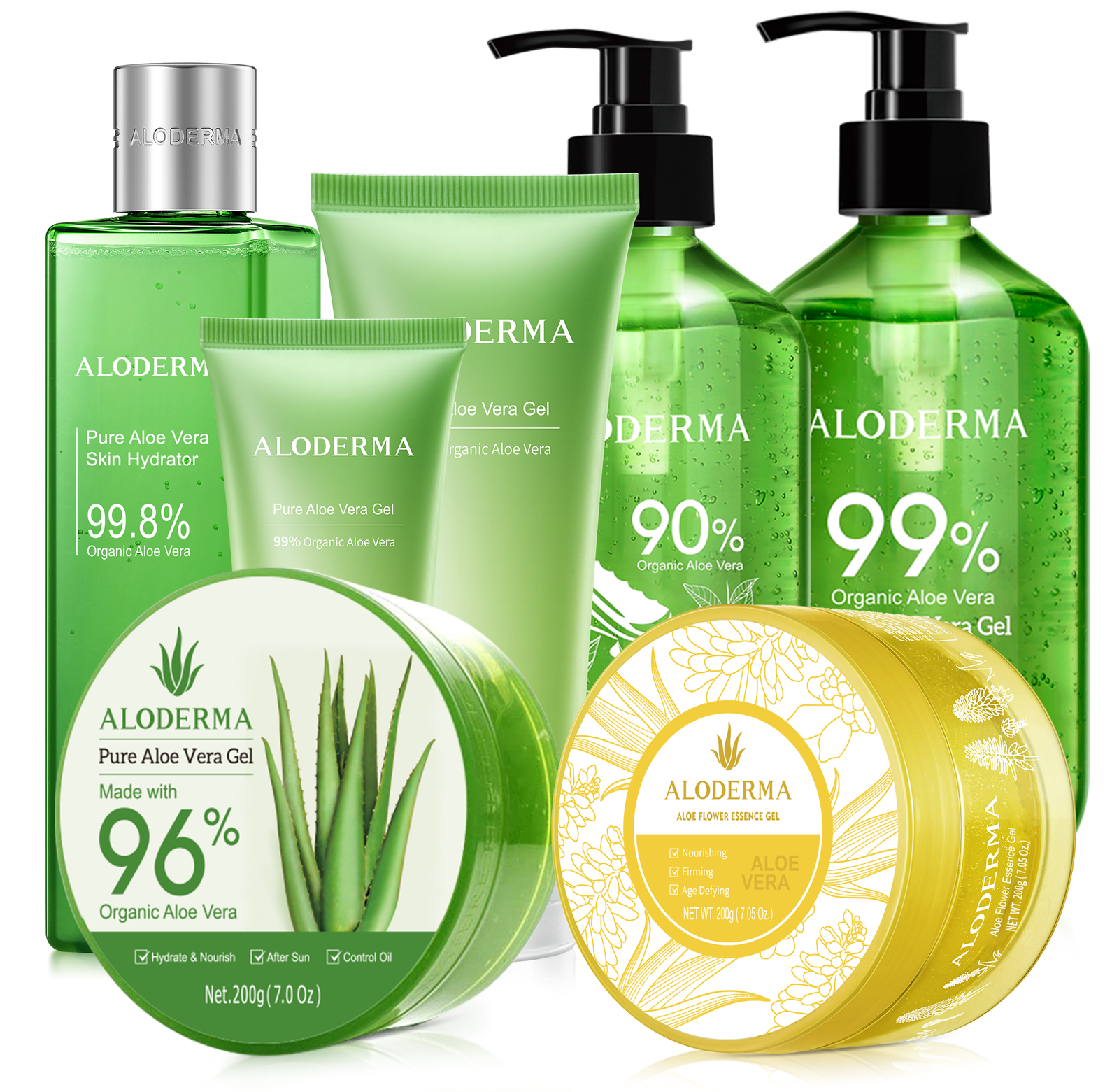
At Aloderma, we live by a farm-to-skin philosophy. As a fully vertically integrated company, we grow all of our own organic aloe vera. We then process it and manufacture our products right on-site, all within 12 hours of harvest. This guarantees the fresh aloe vera, which is the #1 ingredient in our products, is the most bioactive and effective aloe vera possible. It’s peak freshness, delivered directly from our fields to your skincare.
The Aloderma Approach to Freshness
Just as the quality of apricot oil is crucial, so is the quality of every single ingredient it's paired with. Our commitment to controlling the entire process from start to finish means we can guarantee the aloe in our products delivers maximum benefits. Imagine the difference between a freshly picked vegetable and one that's been sitting on a shelf for weeks; that's the difference our farm-to-skin approach makes.
For instance, when you layer a nourishing oil with a product like our Aloe Firming Cream, you’re not just adding moisture. You’re pairing that oil with aloe that was processed at its absolute peak. This kind of synergy creates a routine that feels both indulgent and incredibly effective, all grounded in the power of fresh, thoughtfully grown botanicals.
What Makes Apricot Oil a Skincare Superstar
To get why so many people are turning to apricot oil, we need to look at what's inside each golden drop. Its magic isn't really magic at all—it comes down to a unique mix of vitamins and fatty acids, each doing its part to nourish and support your skin.

This incredible combination of being lightweight, deeply nourishing, and leaving behind a soft, smooth feel is what makes apricot oil so comfortable and effective on the skin.
Your Skin’s Personal Bodyguard: Vitamin E
Think of having a personal bodyguard for your skin cells, constantly protecting them from daily environmental damage like pollution and sun exposure. That's pretty much what Vitamin E does. As a powerful antioxidant, it helps defend your skin's surface, keeping it looking resilient and youthful.
This protective quality is a game-changer for maintaining a calm, even-toned complexion. By helping shield the skin from everyday stressors, Vitamin E is one of the key reasons apricot oil is so celebrated for promoting a healthy, vibrant glow.
The Ultimate Moisturizing Team
Now for the hydration. Apricot oil is packed with two superstar fatty acids: Oleic acid (Omega-9) and Linoleic acid (Omega-6). These two are the ultimate moisturizing team, working in perfect sync to keep your skin feeling supple and hydrated.
- Oleic Acid: This is the master of rich moisturization. It sinks in deep to nourish the skin, giving it that soft, pliable feel you love.
- Linoleic Acid: This one is all about reinforcing your skin’s natural barrier. It acts like a gatekeeper, locking in moisture and keeping that tight, dry feeling at bay.
What makes this duo so effective is their balance. Apricot oil’s fatty acid profile is incredibly similar to the sebum your own skin produces. This is why it absorbs so beautifully, feeling like it's working with your skin instead of just sitting on top of it. No heavy or greasy feeling here.
Why Apricot Oil Stands Out
With so many oils out there, it’s fair to ask what makes apricot oil different. Its specific blend of fatty acids and vitamins gives it a unique edge, especially for anyone with sensitive or easily congested skin.
A quick look at how it stacks up against other popular oils makes its advantages clear.
Apricot Oil Nutrient Profile vs Other Common Oils
| Nutrient | Apricot Oil | Coconut Oil | Olive Oil |
|---|---|---|---|
| Primary Fatty Acid | Oleic Acid (~60%) | Lauric Acid (~47%) | Oleic Acid (~73%) |
| Linoleic Acid (Omega-6) | High (~25-30%) | Low (~2%) | Moderate (~10%) |
| Texture & Absorption | Lightweight, absorbs quickly | Heavy, can be comedogenic | Heavy, can feel greasy |
| Vitamin E Content | Good | Moderate | High |
This comparison really shows why apricot oil is often a better fit for many skin types. While coconut oil is known to clog pores for some, and olive oil can feel too heavy, apricot oil hits that sweet spot. It delivers rich moisture from its oleic acid content but stays lightweight and breathable thanks to a healthy dose of linoleic acid.
Just as apricot oil offers remarkable advantages for your complexion, exploring other natural extracts like the various rose oil skin benefits can provide a comprehensive approach to achieving radiant skin.
At Aloderma, we believe in this power of natural synergy. That's why we ensure the aloe vera in our products, like the Aloe Firming Cream, is as pure and bioactive as possible. As a fully vertically integrated company, we grow all of our own organic aloe and process it on-site within 12 hours of harvest, capturing its full potential to make it the perfect partner for nourishing oils.
A Balancing Act for Oily and Blemish-Prone Skin
Putting oil on oily skin sounds completely wrong, doesn't it? It feels like fighting fire with more fire. This one misconception keeps so many people from finding real balance for their complexion.
But what if that oil wasn't just another layer of grease? What if it could actually communicate with your skin, telling it to calm down and stop producing so much oil in the first place? This is precisely where apricot oil becomes a game-changer for those with oily or blemish-prone skin.
Restoring a Comfortable Balance
If you’ve ever used a harsh cleanser, you know the feeling. First, your skin feels uncomfortably tight and stripped. Then, within an hour, it's a shiny mess as your skin overcompensates for the dryness. It's a frustrating cycle.
Apricot oil helps put an end to that battle. Its structure is incredibly similar to your skin’s own natural oils, so it sinks in quickly without leaving you feeling greasy. When your skin feels this balanced moisture, it gets a clear signal: "We're hydrated! No need to sound the alarm and pump out more oil." Just a few drops can bring back a comfortable, matte finish, not a slick one.
A Trusted Ally for Blemish-Prone Skin
For anyone with oily skin, the number one fear is clogged pores. Thankfully, apricot oil is non-comedogenic, a term that just means it won't clog your pores. It works with your skin to deliver nutrients without causing congestion.
But it gets even better. Apricot kernels have a 47% oil yield, resulting in an oil that has a uniquely non-greasy texture perfect for regulating sebum. Research has shown that its specific blend of oleic, linoleic, and linolenic acids can soothe the skin for many people in just 2-4 weeks. By helping to slow down that excess oil production, it helps keep pores clear and can improve the appearance of blemishes. You can read more about these findings on newdirectionsaromatics.com.
This philosophy of working in harmony with the skin is at the very core of what we do at Aloderma. As a farm-to-skin company, we are fully vertically integrated, meaning we grow our own organic aloe vera and process it within 12 hours of harvest. This ensures the aloe vera—the primary ingredient in every one of our products—is as potent and bioactive as nature intended.
That promise means you’re getting the absolute freshest aloe possible, which creates the perfect foundation for a routine that truly supports oily skin. For more on this, check out our guide on the best ingredients for oily skin. When you combine smart, targeted ingredients like apricot oil with a base of high-quality, fresh aloe, you can finally achieve the comfortable, balanced complexion you’ve been looking for.
The Perfect Pair: Apricot Oil and Fresh Aloe Vera
Think about the cool, soothing feeling of fresh aloe vera on your skin. Now, imagine pairing that with the soft, velvety touch of apricot oil. It’s a combination that just makes sense—like a refreshing drink of water for your skin, followed by a cozy blanket to keep it all in.
One gives your skin a burst of watery hydration, and the other makes sure none of it escapes. This simple partnership is the secret to getting a calm, resilient, and deeply nourished complexion.

It works so well because they’re playing for the same team but have different positions. Aloe vera is a humectant, which means it pulls moisture from the air into your skin. Apricot oil, packed with fatty acids, is an emollient and occlusive—it softens the skin and then forms a light barrier to stop that moisture from leaving. It’s the perfect one-two punch for hydration that actually lasts.
The Aloderma Farm-to-Skin Promise
Any skincare duo is only as good as its ingredients. At Aloderma, this is a truth we've built our entire company around. We are a fully vertically integrated company, which means we oversee every single step of the journey, from planting an aloe seed in the ground to sealing the final product.
We grow all of our own organic aloe on our ECOCERT-certified farms. This is where our obsession with freshness really begins.
Our most important promise is our 12-hour processing window. We harvest our organic aloe, process it, and manufacture our products right on our farms, all within 12 hours. This ensures the fresh aloe vera in every product is as bioactive and effective as possible, retaining the potent vitamins, minerals, and enzymes that make it a skincare hero.
This isn’t just a marketing slogan; it’s the core of our quality. When you use an Aloderma product, you aren't getting some reconstituted aloe powder or a watered-down concentrate. You're getting the pure, living essence of the plant, captured at its absolute peak. It's why our aloe has such a distinct, fresh feeling of immediate hydration. You can feel the farm-fresh difference.
A Perfect Partnership for Your Skin
When you take our peak-potency aloe vera and combine it with the nourishing power of apricot oil, you’ve created something special for your skin. The aloe rushes in with that initial surge of water-based hydration, plumping up your skin cells and delivering a cool, calming sensation. It sets the perfect stage for what comes next.
Following up with apricot oil seals the deal. Its lightweight fatty acids create a breathable layer on your skin’s surface that does two very important jobs:
- Locks in Hydration: It stops the water from the aloe from simply evaporating away, keeping your skin feeling dewy for hours.
- Keeps Irritants Out: It acts as a gentle shield against daily environmental stressors that can leave skin feeling upset.
This synergy is a game-changer, especially for anyone with sensitive or reactive skin. The pair provides deep, lasting moisture without feeling heavy or clogging pores, leaving your complexion calm, soft, and comfortable all day. To learn more about getting the most from this incredible ingredient, check out our guide on how to use aloe vera for skin.
You can easily put this duo to the test with a product like our Aloe Firming Cream. Because it’s formulated with our fresh, organic aloe as the number one ingredient, it delivers that foundational hydration your skin is thirsty for. By layering it with a few drops of a high-quality apricot oil, you can boost the moisturizing benefits and create a custom routine for a beautifully balanced complexion.
How to Incorporate Apricot Oil Into Your Daily Routine
Alright, you’ve seen what makes apricot oil such a standout ingredient. So how do you actually get all those benefits onto your skin and into your daily life? It’s much simpler than you might think. This isn't about adding another complicated step to your day; it’s about making a small, purposeful addition that feels like a true moment of self-care.

Think of it as a mini-ritual. Whether you have two minutes or ten, there's always a way to weave this golden oil into your routine, leaving your skin feeling genuinely nourished and comfortable. It's all about creating moments of calm that also happen to deliver beautiful results.
As a Gentle Makeup Remover
Imagine ending your day by literally melting away makeup and city grime without that tight, stripped feeling. Apricot oil is fantastic for this. Its natural emollient properties effortlessly break down even the most stubborn cosmetics, like waterproof mascara and long-wear foundation, while leaving your skin soft.
- Start Dry: Put a few drops of apricot oil onto your clean fingertips.
- Massage Gently: Work the oil in circular motions all over your dry face. You’ll feel it dissolving everything on the surface.
- Rinse or Wipe: Use a warm, damp washcloth to gently wipe it all away. If you practice double-cleansing, you can follow this with your favorite cleanser.
This single step leaves your skin clean and supple, perfectly prepped for whatever comes next. It’s a far cry from the harsh, alcohol-based removers that can leave skin feeling stressed and irritated.
As a Standalone Facial Oil
For direct, concentrated nourishment, using apricot oil as a facial oil is a classic for a reason. The secret to making it feel lightweight and non-greasy is to apply it to damp skin. This simple trick helps the oil spread thinly and, more importantly, lock in that surface water for a serious hydration boost.
After cleansing and toning, while your face is still slightly damp, just press 2-3 drops of apricot oil into your skin and neck. That’s it. It’s a quick, simple step that delivers a potent dose of vitamins and essential fatty acids right where you need them.
Apricot oil is hardly a new discovery—its use was documented in European pharmacopeias back in the 19th century. What's new is that modern science confirms what people knew intuitively. It's rich in antioxidants that help smooth the appearance of fine lines, and its Vitamin A content can help slow down visible signs of aging. The Vitamin E can even improve the appearance of marks from past blemishes, with some users reporting a more even skin tone after just 30 days. Its fatty acids also provide deep hydration for dry, flaky patches, and because it’s non-comedogenic, it works well for just about every skin type. You can read more about these modern findings on the NCBI website.
As a Moisturizer Booster
Here’s one of the most versatile ways to use apricot oil: supercharge your current moisturizer. This is the perfect move for days when your skin feels extra thirsty or you just want to amp up your natural glow.
Simply add one or two drops of apricot oil to your usual dollop of moisturizer right in your palm. Mix them together for a second, then apply as you normally would. You’ve just created a custom-blended, richer cream without needing a separate product. This technique works especially well with our Aloe Brightening Skin Cream.
At Aloderma, we live for this kind of ingredient synergy. Because we're a vertically integrated company, we grow all of our own organic aloe vera and process it within 12 hours of harvest. This ensures the aloe in our products is incredibly fresh and bioactive, providing the perfect hydrating canvas for an oil booster like apricot. Just as apricot oil has its unique profile, other natural oils do, too. You can see how another popular choice compares by reading our guide on organic jojoba oil.
Choosing High-Quality Apricot Oil What to Look For
Walking down the natural oils aisle can feel a bit like navigating a maze. With so many options on the shelves, how do you know you're picking a good one? The truth is, not all apricot oils are the same, and the difference between a high-quality oil and a low-quality one is huge. It’s like the difference between biting into a fresh, juicy apricot and eating a dried-out, sugary fruit snack.
Think of it this way: to get the most nutrients, you want the fruit in its most natural state. The same idea applies directly to your skincare oils. You're looking for an oil that's as close to its original form as possible, packed with all the vitamins and fatty acids that make it so great for your skin.
The Gold Standard Cold-Pressed and Unrefined
When you spot "cold-pressed" on a label, that's your first green flag. This is a mechanical extraction process that uses pressure, not heat, to gently squeeze the oil from the apricot kernels. It’s a careful method, but it’s absolutely essential for protecting delicate, heat-sensitive nutrients like Vitamin E and those all-important fatty acids. High heat can literally cook away the good stuff, leaving you with a much less effective product.
Next up, look for "unrefined." An unrefined oil is one that hasn't been bleached or deodorized. While refined oils might last longer or look perfectly clear, that refining process often strips out the very compounds that feed your skin. Getting a handle on the difference between refined vs. unrefined oils is a game-changer for seeing real results. A good unrefined oil will often have a richer color and a subtle, nutty scent—both signs that its natural benefits are still intact.
Sourcing and Purity Matter
Beyond how the oil is processed, it’s just as important to know where the apricots came from. Try to find oils made from organically grown apricots. Organic certification is your guarantee that the plants were grown without synthetic pesticides or fertilizers, which means a cleaner, purer oil for your skin.
This focus on quality from the very beginning is something we live and breathe every day at Aloderma.
As a fully vertically integrated company, we control every step of our process. We grow all of our own organic aloe vera on ECOCERT-certified farms and then process it right on-site within 12 hours of harvest. This farm-to-skin promise guarantees that the fresh aloe vera—the #1 ingredient in all our products—is as bioactive and effective as possible.
This isn't just about our own ingredients; it’s a core belief. We want to give you the knowledge to make the best choices for your skin, whether you're picking up an Aloderma product or a complementary oil. When you seek out brands that are transparent about their sourcing and have quality certifications, you’re doing more than just buying a product—you're making a real investment in your skin's long-term health.
Apricot Oil Questions & Answers
Even with all its benefits, you might still have a few questions before making apricot oil a staple in your skincare cabinet. Let's tackle some of the most common ones so you can feel great about adding it to your routine.
Can I Use Apricot Oil If I Have a Nut Allergy?
This is a really important question. Apricot kernels, where the oil comes from, are the seeds of the fruit, not technically tree nuts. Because of this distinction, most people with nut allergies find they can use apricot oil just fine.
That said, everyone's sensitivities are different. The only way to be sure is to do a quick patch test. Just put a single drop of oil on a less-visible spot, like your inner wrist, and give it 24 hours. If your skin looks clear and feels fine, you're likely good to go. When in doubt, though, a quick chat with your dermatologist is always the best move.
How Long Will It Take to See Results?
Some benefits, you’ll feel right away. Others take a bit more patience. Your skin will almost certainly feel softer and more hydrated after the very first use—that’s the oil’s emollient magic getting straight to work.
For the bigger changes, like a more balanced complexion or seeing a real difference in skin tone, consistency is everything. Many people start to notice less oiliness within about 2-4 weeks of daily use. Stick with it, and you'll see those beautiful, lasting results.
Can I Mix Apricot Oil with My Aloderma Aloe Vera Gel?
Yes, you absolutely can! In fact, it’s one of our favorite ways to whip up a custom, lightweight moisturizer. You're combining the water-based hydration of aloe with the nourishing, protective seal of the oil—it’s the best of both worlds.
It's simple: pump a little of your favorite Aloderma Aloe Vera Gel into your palm, add 2-3 drops of apricot oil, and mix them together. Gently press the mixture onto your clean, damp skin. You get that instant cooling quench from our fresh aloe, which the apricot oil then locks in for a soft, dewy glow that lasts.
This little DIY trick is a perfect example of our farm-to-skin promise. We are a fully vertically integrated company, meaning we grow our own organic aloe and process it right on our farms within 12 hours of harvest. This guarantees the fresh aloe in every bottle—which is always our primary ingredient—is as fresh and bioactive as possible, making it the perfect partner for your skincare experiments.
Experience the farm-fresh difference with Aloderma. Our Aloe Firming Cream, made with 65% Fresh Organic Aloe, is the perfect partner for apricot oil, providing the foundational hydration your skin needs to truly glow.