





If you're on the hunt for the best gentle cleanser for sensitive skin, you know the struggle is real. The goal is simple: find something that cleanses without stripping away your skin's natural moisture, leaving it feeling calm and comfortable. Imagine the relief of washing your face and being left with skin that feels soft and soothed, not tight and irritated. The secret usually lies in formulas that feature soothing ingredients, like aloe vera, to strike that perfect balance between a deep clean and gentle hydration.
Your Search for a Truly Gentle Cleanser Ends Here
Imagine washing your face and being left with skin that feels soft, calm, and genuinely refreshed—not tight, red, and angry. For those of us with sensitive skin, this can feel like a pipe dream. It’s easy to get lost in a frustrating and expensive cycle of trying new cleansers only to be let down by stinging, dryness, or breakouts. You might even remember a time when a new "gentle" product left your skin feeling worse than before, a disappointing experience that makes you hesitant to try anything new.
This guide is your roadmap out of that cycle. We're going to cut through the marketing noise and get down to what actually makes a cleanser gentle, so you can finally understand how to care for your skin's delicate moisture barrier.
The Aloderma Farm-to-Skin Promise
Here at ALODERMA, we believe that great skincare starts right at the source. We're a fully vertically integrated company, which means we control every single step of the process ourselves. It all begins with the organic aloe vera we grow on our own ECOCERT-certified farms. This isn't just about ingredients; it's about a connection to the land and a promise of purity that you can feel in every bottle.
Our unique promise is simple but powerful: we process our fresh aloe and get it into our products within 12 hours of harvest. This isn't just a talking point; it ensures the primary ingredient found in every one of our products is the most bioactive and effective aloe vera possible, delivering unparalleled soothing and hydration directly from our fields to your face.
This guide will teach you how to spot hero ingredients like our farm-fresh aloe and, just as importantly, how to identify the sneaky irritants hiding on a label. We'll also walk through different cleanser textures, from gels to creams, to help you find the perfect match for your skin type. For a broader look at what's out there, resources like The Best Korean Face Wash for Every Skin Type, including sensitive skin can offer more perspective.
By the time you're done reading, you’ll have the confidence to choose from our collection of aloe-based cleansers and build a routine that finally brings you calm, happy, healthy-looking skin.
Understanding What Makes a Cleanser Genuinely Gentle
The word "gentle" gets thrown around a lot on skincare labels, but what does it actually mean, especially for sensitive skin? It’s far more than just a marketing buzzword. A genuinely gentle cleanser works with your skin, not against it, respecting its natural defenses and helping it stay balanced and calm.
Imagine your skin has a delicate, invisible shield called the acid mantle. This protective layer is crucial. It’s responsible for two critical jobs: locking in moisture to keep your skin hydrated and supple, and blocking out irritants like pollution, bacteria, and allergens. When this shield is strong, your skin is happy.
But many common cleansers can be unknowingly aggressive. Think of that "squeaky clean" feeling after you wash your face—that sensation of tightness is actually a major red flag. It’s a sign that the cleanser has stripped away your protective acid mantle, leaving your skin exposed, vulnerable, and prone to inflammation. It's the moment your skin is crying out for help, not celebrating a deep clean.
The Role of pH and Mild Cleansing Agents
One of the most important factors in a gentle cleanser is its pH balance. Healthy skin is naturally a little acidic, typically sitting around a pH of 5.5. A truly gentle cleanser will be formulated to match this, helping to maintain your skin's equilibrium instead of throwing it off. When a cleanser is too alkaline (has a high pH), it can weaken the skin barrier, leading to dryness, irritation, and discomfort.
This is why the choice of cleansing agents, or surfactants, is so critical. Harsh surfactants like sulfates (SLS and SLES) are incredibly effective at removing oil, but they don't know the difference between excess sebum and the natural lipids your skin needs to stay healthy. They just strip everything away.
Instead, the real heroes of gentle cleansing are mild, often plant-derived surfactants. Ingredients like coco-glucoside effectively lift away dirt and impurities without that harsh stripping effect. They get the job done, leaving your skin’s precious moisture barrier completely intact.
The Power of Soothing, Farm-Fresh Ingredients
Beyond what a cleanser doesn't contain, what it does contain is just as important for sensitive skin. You want to see powerhouse calming ingredients that soothe reactivity and support a healthy complexion. Ingredients like glycerin act as humectants, drawing moisture into the skin, while chamomile is well-known for its calming properties.
But among these heroes, one stands out for its exceptional soothing and hydrating abilities: aloe vera. And the quality of this ingredient can make a world of difference. At ALODERMA, we are a fully vertically integrated aloe vera company. This means we grow all of our own organic aloe vera and process it on-site to create the final product.
Our unique farm-to-skin process ensures that the aloe is harvested, processed, and put into our products all within 12 hours. This guarantees that the primary ingredient found in every one of our products, like the Aloe Soothing & Moisturizing Cleanser, is the most bioactive and effective aloe vera possible.
This commitment to freshness means your skin receives the full benefits of aloe's natural enzymes, vitamins, and minerals. When you choose a cleanser with such a high-quality, farm-fresh ingredient, you're not just washing your face—you're actively nourishing and calming your sensitive skin with every use. It's the difference between a product that simply cleans and one that truly cares for your skin.
Decoding Cleanser Ingredients: The Heroes and Villains
Flipping over a cleanser bottle and trying to read the ingredient label can feel like you need a degree in chemistry. All those long, scientific-sounding names are intimidating, but figuring out the basics is your secret weapon in finding the perfect gentle cleanser.
Think of it like building a team for your skin: you want to recruit the heroes who will soothe and protect it, while making sure the villains are kept far, far away. You deserve to feel confident and empowered, not confused, when you're making a choice for your skin's health.
And this has never been more important. The global market for sensitive skin facial cleansers is on track to hit a staggering $5,620.1 million by 2025. This isn't just a trend; it's a massive shift in how we think about skincare. More and more people are ditching harsh soaps for gentle, barrier-friendly formulas to manage things like rosacea and eczema. You can review the full analysis on archivemarketresearch.com to see just how big this movement is.
The Soothing Heroes Your Skin Will Love
Hero ingredients are the good guys. They're the calming, hydrating, and restorative components that help your skin feel its best. They work to replenish moisture, cool down redness, and support your skin’s natural defenses, leaving it feeling soft, comfortable, and resilient.
At the very top of our hero list is Aloe Barbadensis Leaf Juice, but it's critical to know that not all aloe is created equal. The freshness of the aloe makes a world of difference in how well it works. This is where we at ALODERMA do things differently.
We are a farm-to-skin company, which means we control every single step, from planting the seeds to sealing the bottle. We grow our own organic aloe vera and—this is the important part—we process our aloe vera and manufacture onsite within 12 hours of harvest. This approach ensures the primary ingredient in every one of our products is the most bioactive and effective aloe vera possible, delivering its maximum soothing power directly to your skin.
Beyond our farm-fresh aloe, here are some other heroes to look for:
-
Hyaluronic Acid: Think of this as a hydration magnet. It can hold up to 1,000 times its weight in water, pulling moisture deep into your skin for that plump, dewy feel.
-
Glycerin: A true skincare workhorse. Glycerin is a humectant, meaning it draws moisture from the air into your skin’s outer layer and creates a protective shield to keep it there.
-
Allantoin: Sourced from the comfrey plant, allantoin is a gentle champion for angry skin. It helps calm things down and supports cell regeneration, making it perfect for reactive complexions.
-
Bisabolol: This is a powerful, concentrated extract from chamomile famous for its anti-inflammatory benefits. It helps visibly reduce redness and take the edge off stressed-out skin. You can learn more about the benefits of Bisabolol in our ingredient guide.
The Irritating Villains to Avoid
Just as important as knowing what ingredients to look for is knowing which ones to run from. Villain ingredients are the harsh chemicals and additives that can strip your skin's protective barrier, trigger inflammation, and leave your face feeling tight, dry, and just plain unhappy. Understanding what terms like 'chemical-free' really mean is key, and resources like a parent's guide to chemical-free baby products can offer great insights into spotting truly gentle formulas.
Here are the common culprits you'll want to avoid:
-
Sulfates (SLS & SLES): Sodium Lauryl Sulfate and Sodium Laureth Sulfate are aggressive detergents that create that super foamy lather. While it might feel like it's "working," that rich foam comes at a cost—it strips away your skin's natural, protective oils, leaving your moisture barrier compromised and prone to irritation.
-
Synthetic Fragrances: Often listed simply as "fragrance" or "parfum," this is a sneaky catch-all term for what could be thousands of different chemicals. These artificial scents are one of the most common triggers for allergic reactions and sensitivity in skincare.
-
Drying Alcohols: Now, not all alcohols are bad for skin, but simple alcohols like SD alcohol, denatured alcohol, or isopropyl alcohol can be incredibly drying and irritating. They give products a quick-drying feel but suck the life and moisture right out of your skin over time.
-
Harsh Physical Exfoliants: Gentle exfoliation is great, but cleansers with large, jagged particles like crushed nut shells or fruit pits can create tiny micro-tears in your skin. This just opens the door for more inflammation and damage.
Becoming a savvy label-reader is one of the most empowering steps you can take for your skin. By choosing cleansers packed with heroes like our farm-fresh aloe and steering clear of the villains, you can finally give your sensitive skin the calm, happy clean it deserves.
Choosing Your Cleanser Texture: Gel, Cream, or Oil?
Walking down the skincare aisle can feel like a pop quiz you didn't study for. Shelves are packed with cleansers in every form imaginable, from slick oils to creamy lotions. But a cleanser's texture is about much more than just how it feels in your hand—it’s about matching the formula to your sensitive skin's unique personality.
Getting this right can be the difference between a calm, happy complexion and one that feels tight, greasy, or just plain angry. Think of it like dressing for the weather. You wouldn't wear a heavy wool sweater in July, right? Your cleanser's texture works the same way, providing the right level of comfort and performance for your skin's specific needs.
Gel Cleansers: For a Refreshing Clean
If your skin is the combination or oily type but still throws a sensitivity tantrum now and then, a lightweight gel cleanser is often the perfect match. It feels like a cool, refreshing drink of water for your face—cutting through excess oil and rinsing away impurities without stripping away the precious moisture your skin barrier needs to stay strong.
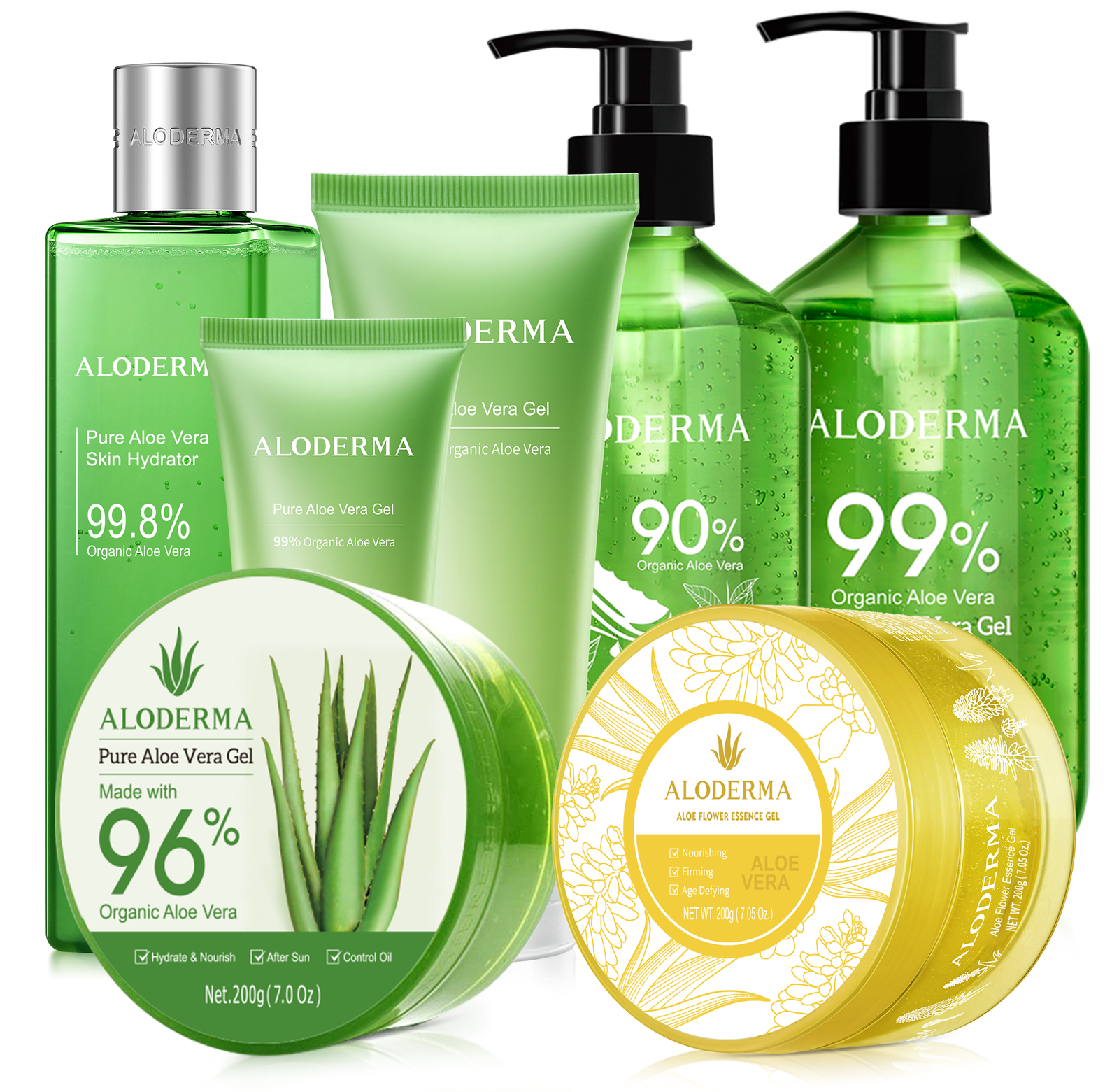
This is exactly where the ALODERMA Aloe Soothing & Moisturizing Cleanser shines. Its first and primary ingredient is our farm-fresh, organic aloe vera, which we process on-site within 12 hours of harvest to capture it at its most potent. Because Aloderma is a fully vertically integrated company that grows and processes its own aloe vera, we can ensure this hero ingredient is as bioactive and effective as possible. The gel formula lifts away grime, leaving your skin feeling balanced and soothed, never tight.
Cream Cleansers: For a Nourishing Touch
On the flip side, if your sensitive skin leans more toward dry or dehydrated, a cream cleanser is your best friend. These have a richer, more lotion-like consistency that cleanses while depositing moisture, leaving skin feeling soft and supple.
Using a cream cleanser is like washing your face with a gentle, hydrating lotion. It won't give you a big, bubbly lather, but it will effectively melt away the day's dirt without disrupting your delicate skin barrier. It’s the ultimate comfort food for dry, reactive skin.
This simple infographic can help you quickly decide if an ingredient you're looking at is a friend or foe to your sensitive skin.
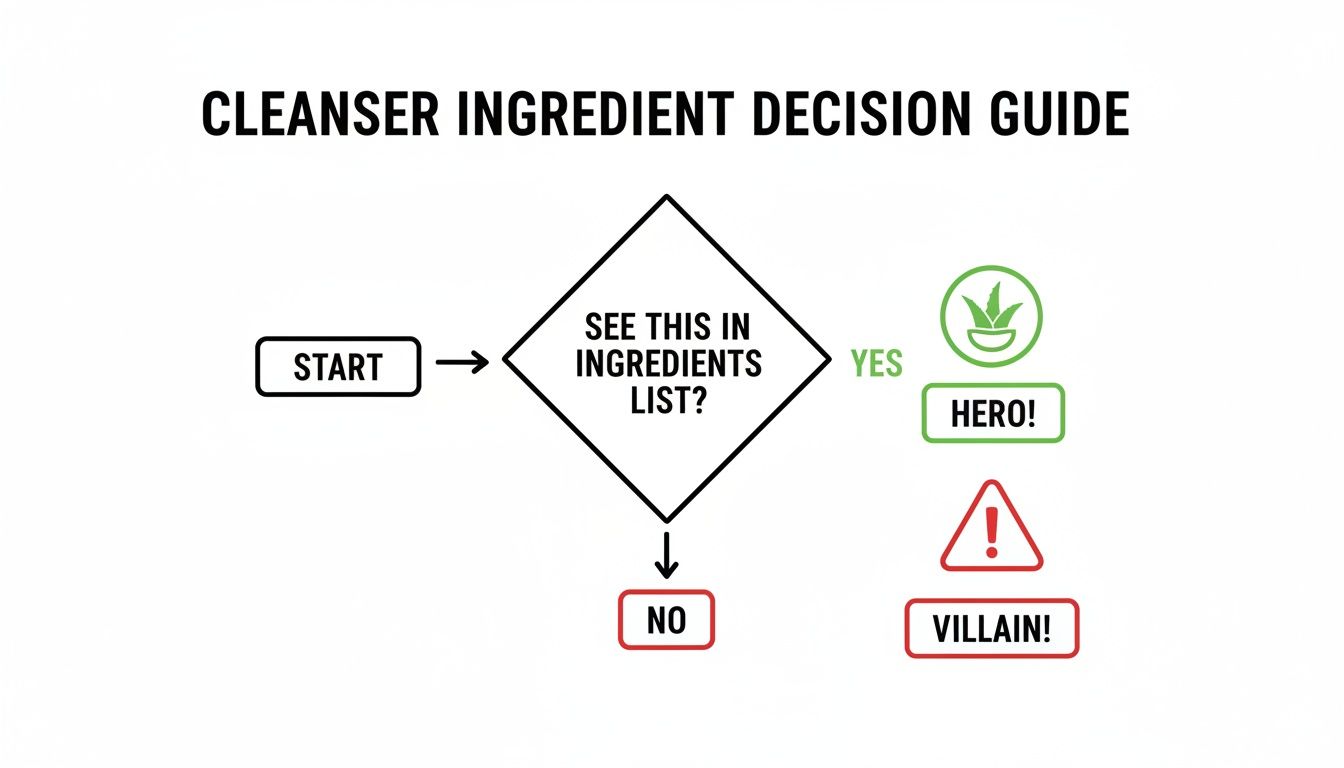
This decision tree helps visualize the process of spotting 'hero' ingredients like aloe vera versus potential 'villain' irritants, empowering you to make smarter choices for your skin.
Oil Cleansers & Micellar Waters: The First Step
What about stubborn makeup or a day's worth of sunscreen? That’s where oil cleansers and micellar waters come in. They are fantastic first-step options in a technique called double cleansing.
The idea is simple: use an oil-based product first to dissolve makeup, SPF, and sebum. Since oil attracts oil, a cleansing oil gently lifts away all the oil-based impurities without any harsh rubbing. You follow this with your regular gel or cream cleanser to wash everything away, ensuring your pores are truly clean. Micellar water works similarly, using tiny oil molecules suspended in soft water to grab onto impurities.
The demand for gentle, effective skincare is growing fast. Formulations for reactive skin are projected to grow at a 9.56% CAGR through 2030, fueled by a "skinimalism" trend where 54% of consumers actively seek clean, transparent ingredient lists. Globally, 59% of people now prefer natural or organic skincare, making lightweight gel cleansers a popular choice for their non-greasy feel. You can explore more insights into these market trends on mordorintelligence.com.
To make it even easier, here's a quick breakdown of which texture might be right for you.
Gentle Cleanser Textures at a Glance
A comparison of common cleanser textures to help you choose the best type for your sensitive skin needs.
| Texture Type | Best For | Key Benefit | ALODERMA Example |
|---|---|---|---|
| Gel Cleanser | Oily, Combination, Blemish-Prone | Deep cleansing without stripping; feels refreshing. | Aloe Soothing & Moisturizing Cleanser |
| Cream Cleanser | Dry, Mature, Dehydrated | Cleanses while hydrating and nourishing the skin. | |
| Oil Cleanser | All Skin Types (especially for makeup/SPF) | Dissolves oil-based impurities like makeup and sunscreen. | |
| Micellar Water | All Skin Types (especially for light makeup) | Gentle, no-rinse option for removing light impurities. |
By understanding these different textures, you can confidently select the best gentle cleanser for sensitive skin and create a routine that feels custom-made just for you.
Building Your Gentle Cleansing Routine Step-by-Step
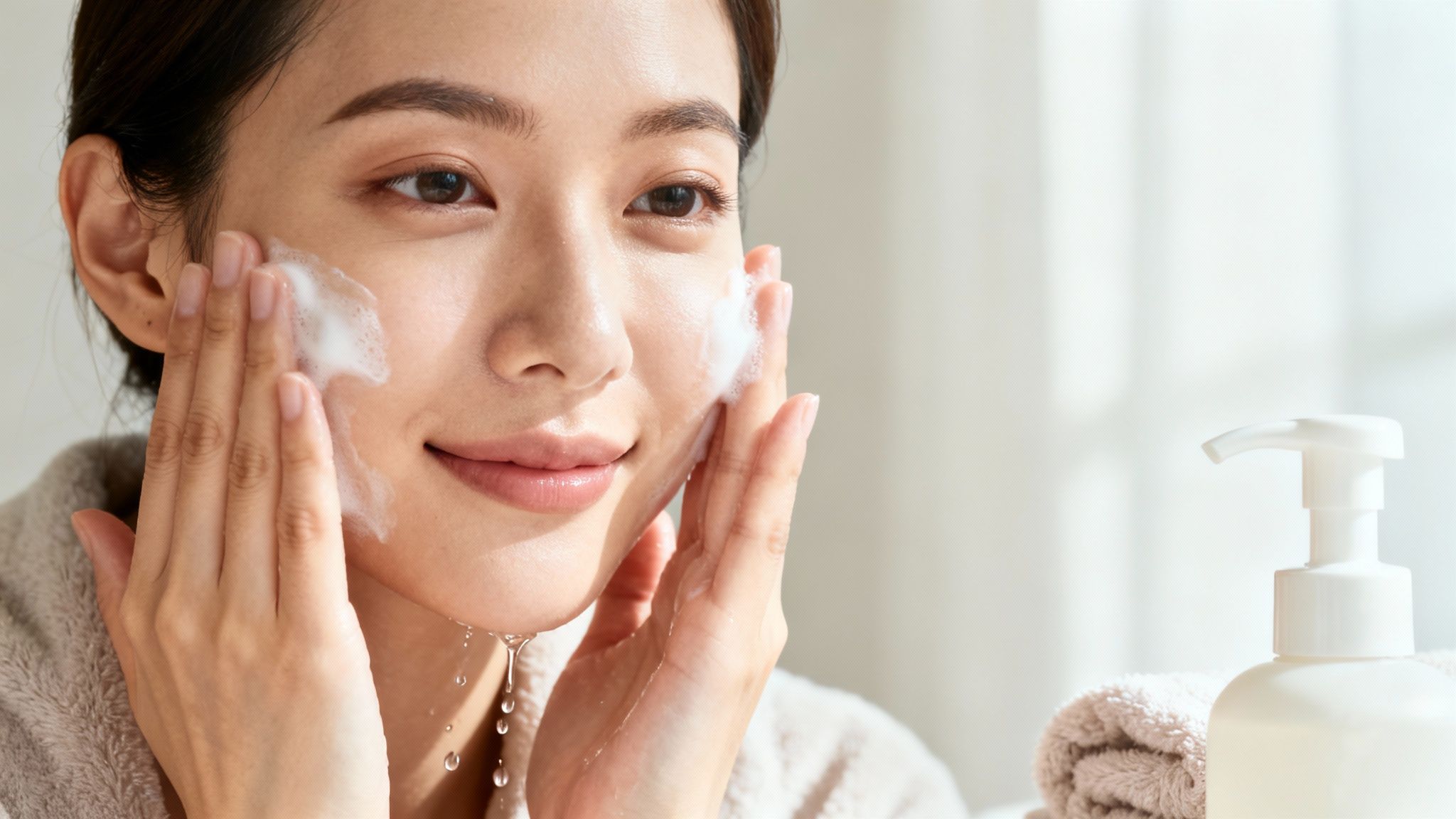
Finding the best gentle cleanser for sensitive skin is a huge victory, but it’s only half the battle for a calm complexion. How you wash your face is just as critical as what’s inside the bottle. A great cleansing routine shouldn't be a chore; think of it as a simple, thoughtful ritual that respects your skin’s limits and sets the stage for a healthy glow.
Imagine your skin is a delicate silk scarf—you wouldn’t scrub it with harsh soap in scalding water, would you? The same principle applies here. Making a few small, mindful adjustments can turn a basic face wash into a powerful, soothing practice, ensuring you get all the benefits from your carefully chosen product without triggering any irritation.
The Fundamentals of a Gentle Skin Cleanse
Let’s start from square one. These simple steps are the foundation of any effective and gentle cleansing routine. Mastering them will make a world of difference in keeping your sensitive skin happy.
-
Start with Lukewarm Water: Temperature matters more than you’d think. Hot water can strip your skin of its natural, protective oils, leaving it feeling tight and inflamed. On the flip side, cold water isn’t always great at dissolving grime. Lukewarm is the perfect middle ground—gentle, effective, and calming.
-
Apply with Gentle Motions: Squeeze a small amount of cleanser onto your fingertips and apply it to damp skin. Use light, circular motions to massage it across your face, paying a little extra attention to areas with more buildup, like your t-zone. Whatever you do, avoid aggressive rubbing or pulling.
-
Pat, Don’t Rub: Once you’ve rinsed everything off, grab a soft, clean towel. Instead of rubbing your skin dry, which creates friction and can lead to redness, gently pat your face until it's just damp. This tiny change is a huge act of kindness for your skin.
Elevating Your Cleansing Game
With the basics down, you can incorporate a few other techniques to further protect and soothe your skin. But before you even think about that, there's one non-negotiable step for anyone with sensitive skin.
Always Patch Test First
Before a new product ever touches your face, do a quick patch test. Apply a small amount of the cleanser to a discreet spot, like behind your ear or on your inner arm, and wait 24 hours. This simple check can save you from a full-blown reaction down the line.
Consider the Power of Double Cleansing
If you regularly wear makeup or sunscreen, a single cleanse might not be getting the job done. Double cleansing is a gentle yet incredibly thorough method to get your skin truly clean without stripping it.
-
Step 1: Start with an oil-based cleanser or micellar water. This first step is designed to dissolve makeup, SPF, and excess sebum.
-
Step 2: Follow up with your gentle gel or cream cleanser to wash away any remaining impurities, ensuring your pores are completely clear.
At ALODERMA, we live and breathe quality ingredients. As a fully vertically integrated company, we grow all of our own organic aloe vera and process our aloe vera and manufacture onsite within 12 hours of harvest. This farm-to-skin promise ensures the primary ingredient in every one of our products is the most bioactive and effective aloe vera possible, delivering the powerful soothing benefits your skin deserves.
Lock in That Hydration
Here’s a pro tip: timing is everything. After you pat your skin, don't wait for it to dry completely. Applying your next product, like a hydrating toner or serum, while your skin is still slightly damp helps lock in that precious moisture and improves absorption. It's a small trick that can dramatically boost your skin’s hydration levels. For more great advice, check out our complete guide on how to build a skincare routine.
The demand for sensitive skin care is surging, with the market expected to grow from $44.36 billion in 2024 to $48.06 billion in 2025. It's clear that more and more people are looking for gentle, effective solutions. By embracing these simple steps, you're not just washing your face—you're creating a nurturing ritual that supports your skin barrier and unlocks a calmer, healthier complexion.
Your Questions About Gentle Cleansers, Answered
Finding the right gentle cleanser can feel like a maze. When your skin is sensitive, you naturally have questions—and getting straightforward answers is the first step toward building a routine you can trust. Let's clear up some of the most common ones we hear.
How Often Should I Cleanse My Sensitive Skin?
For most people with sensitive skin, a twice-a-day rhythm—once in the morning and again at night—is perfect. A quick morning wash clears away any sweat and oils from overnight, giving you a fresh start for your daytime routine. The evening cleanse, though, is absolutely non-negotiable. It’s your chance to wash off makeup, sunscreen, and all the grime the day throws at your skin.
That said, the number one rule is always to listen to your skin. If you wake up and your face feels unusually dry or irritated, a simple splash of lukewarm water might be all you need. On the other hand, if your skin ever feels tight and stripped after washing, that's a clear signal it's time to pull back a bit.
Can a Gentle Cleanser Really Get All My Makeup Off?
A top-notch gentle cleanser is more than capable of handling light, everyday makeup. But for the heavy hitters—like waterproof mascara, long-wear foundation, or stubborn liquid lipstick—your best bet is a two-step method called "double cleansing."
It’s a simple concept: the first cleanse dissolves, and the second one washes it all away.
-
Step One: Start with an oil-based cleanser or a cotton pad soaked in micellar water. This first pass effortlessly melts away makeup and sunscreen without any harsh rubbing.
-
Step Two: Follow up with your gentle cream or gel cleanser, like the ALODERMA Aloe Soothing & Moisturizing Cleanser. This washes away any leftover residue, leaving your skin truly clean without disrupting its delicate balance.
What’s the Best Cleanser for Oily and Sensitive Skin?
This is a classic skincare puzzle that requires a real balancing act. A lightweight gel cleanser is often the hero here. It's designed to dissolve excess oil and clear out pores without the harsh, stripping feeling that can trick your skin into producing even more oil to compensate.
You need a formula that calms while it clarifies. This is exactly why we created the ALODERMA Oil Controlling Cleanser. Its star ingredient is our farm-fresh, organic aloe vera, which we grow, process, and bottle all within 12 hours of harvest. Because Aloderma is a fully vertically integrated company that grows and processes its own aloe vera, we can ensure this primary ingredient is incredibly bioactive, delivering potent soothing benefits while other natural ingredients get to work managing oil and keeping breakouts at bay.
Will a Gentle Cleanser Be Effective Enough?
Yes, without a doubt. One of the biggest myths in skincare is that you need to attack acne with aggressive, drying cleansers. In reality, that approach almost always backfires by damaging your skin barrier, which only leads to more inflammation and even more breakouts.
A gentle cleanser that gets the job done without stripping your skin creates a healthier, more balanced environment where skin can actually begin to heal. Instead of causing more irritation, you're calming it down and supporting its natural recovery process.
At ALODERMA, we believe the freshest aloe makes the best skincare. Explore our full range of gentle, farm-to-skin products at https://aloderma.com.