



You're standing in the body-care aisle, turning over bottle after bottle, trying to make sense of tiny print and big promises. One label says “not tested on animals.” Another says “vegan.” Another has a bunny icon that may or may not mean anything. You just want a lotion that feels good on your skin and lines up with your values.
That confusion is common. Body lotion seems simple until you start asking better questions. Was the finished product tested? What about the ingredients? What about the suppliers? And if a brand says “cruelty-free,” what are they promising?
Interest in ethical beauty is growing well beyond a niche audience. The cruelty-free cosmetics market was valued at USD 14.84 billion in 2023 and is projected to reach USD 23.54 billion by 2030, with a 6.8% CAGR, according to Grand View Research's cruelty-free cosmetics market report. Lotions sit inside that larger shift toward ethical and sustainable personal care.
If you're also trying to build a body-care routine that fits your skin goals, it can help to learn from adjacent categories too, like understanding retinol body products, because good shopping decisions usually come from knowing both the ethics and the formula.
The Search for a Kinder Body Lotion

A lot of people start with a simple goal. They want softer, more comfortable skin after a shower and they don't want that comfort to come with a question mark. That's where the search for a cruelty free lotion begins.
Maybe you've had this moment before. You find a lotion that sounds gentle, but the wording feels slippery. “Conscious.” “Clean.” “Kind.” Nice words, but they don't always tell you whether animal testing happened anywhere along the line. A cruelty-free claim can be helpful, but only when you know how to read it.
Why this choice feels bigger than one bottle
Body lotion is one of those products you use often and all over. It becomes part of your daily routine, not just a once-in-a-while extra. That's why people tend to care more about what the label means.
For many shoppers, this isn't about chasing perfection. It's about making a better decision the next time they restock. If a lotion can moisturize well, feel pleasant, and reflect a more thoughtful approach to beauty, that feels worth seeking out.
You don't need to know every rule in ethical beauty to shop well. You just need a few reliable ways to separate clear claims from vague ones.
What usually causes the confusion
Three things trip readers up again and again:
- Label overload: One bottle says cruelty-free, another says vegan, and a third says both.
- Homemade symbols: Brands sometimes add their own bunny graphics that look official but aren't third-party verification.
- Ingredient assumptions: People often assume “natural” means cruelty-free. It doesn't.
Once you know how to decode those differences, the whole category gets easier.
Decoding the Cruelty Free Promise
A cruelty-free claim works a bit like a food label. At first glance it looks straightforward, but the meaning depends on how carefully it's defined and verified. With lotion, the basic idea is this: the product and its ingredients were not tested on animals. But in practice, that promise has layers.

The core parts of a cruelty-free claim
When you evaluate a cruelty free lotion, look at these four parts together:
-
Finished product testing
The lotion itself shouldn't be tested on animals before it reaches store shelves. -
Ingredient testing
The issue becomes more nuanced. If a finished lotion wasn't tested, but individual ingredients were, many shoppers would still feel misled. -
Third-party testing
A company can't sidestep responsibility by having another party do the testing on its behalf. -
Supplier standards
Ingredient suppliers matter. If a brand's supply chain isn't aligned, the claim can become fuzzy.
That fuller view is why readers often find Aloderma's guide to what cruelty-free means useful. It helps connect the label on the bottle to the decisions made behind the scenes.
Why certification matters so much
This topic isn't only about personal values. It also sits inside a larger global shift. According to ADA Cosmetics' overview of animal testing in cosmetics, 45 countries have banned animal testing for cosmetics, including the European Union, Australia, and Canada. At the same time, testing is still legal in about 80% of the world, and an estimated 500,000 animals are used in cosmetic research annually.
Those facts explain why shoppers still need to pay attention. Progress is real, but it isn't universal.
Practical rule: If a brand makes a cruelty-free claim, ask whether that promise covers the finished product, ingredients, suppliers, and third parties. If the answer isn't clear, keep looking.
The part people often miss
A cruelty-free lotion isn't automatically a simple, pure, or gentle formula. “Cruelty-free” speaks to testing. It doesn't tell you whether the lotion is heavily fragranced, rich or lightweight, or a good match for your skin preferences.
That's why it helps to treat cruelty-free as one important filter, not the only one. First confirm the ethics. Then assess texture, ingredient style, and how the product will fit into daily use.
How to Verify Cruelty Free Claims
A good label detective doesn't need to memorize every beauty term. You just need to know which claims carry weight and which ones deserve a second look. For a cruelty free lotion, the strongest signal is independent verification.
According to Cruelty Free International's approved brands information, third-party certification is the strongest verification because “cruelty-free” has no single legal definition. That's why logos from systems such as Leaping Bunny and PETA's Beauty Without Bunnies matter more than a brand printing “not tested on animals” on the front of a bottle.
What to trust first
When you pick up a lotion, start with the easiest check. Look for recognized certification rather than broad self-descriptions.
A practical order works well:
- Official certification marks: These are stronger than brand-created claims because an outside organization is involved.
- Brand policy pages: If the bottle doesn't say much, the website should explain the company's policy in plain language.
- Consistency across channels: The packaging, product page, and FAQ shouldn't contradict each other.
If you want a good example of how ethics can extend beyond one single claim, Conde Professional's commitment to ethical sourcing is worth reading. It's useful because it shows how shoppers can think beyond front-label language and toward company-level practices.
Claims that need more caution
Some wording sounds reassuring but doesn't tell you enough on its own.
- “Not tested on animals” can sound strong, but without a certification or a detailed policy, it may leave gaps.
- Bunny graphics can be decorative. A bunny image is not the same thing as recognized verification.
- “Natural” or “clean” speaks to a different set of preferences. Those terms don't confirm cruelty-free standards.
If a claim is meaningful, the brand should be able to explain it clearly without making you dig through five pages of marketing language.
A quick in-store checklist
Use this when you're shopping fast:
- Spot the logo: Look for recognized cruelty-free verification first.
- Flip the bottle over: Scan for supporting language about animal testing and supplier policies.
- Check the brand online later: If you're unsure in store, don't guess. A two-minute website check can save you from a vague claim.
This approach turns a confusing aisle into a much simpler yes-or-no decision.
Cruelty Free Versus Vegan Lotions
This is one of the biggest points of confusion in body care, and it's easy to see why. Many products use both terms together, so shoppers naturally assume they mean the same thing. They don't.
A cruelty-free lotion is about animal testing. A vegan lotion is about animal-derived ingredients. One deals with how the product was developed. The other deals with what's inside the formula.
According to Blu Atlas's explanation of cruelty-free body lotion, a cruelty-free product may still contain ingredients like lanolin, while a vegan lotion avoids animal-derived ingredients but, unless certified, could still have testing concerns attached to it. That's why many ingredient-conscious shoppers look for both claims together.
Cruelty-Free vs. Vegan at a glance
| Claim | What It Means | Example Ingredients to Watch |
|---|---|---|
| Cruelty-Free | The product and its ingredients are positioned as not tested on animals | Watch for animal-derived ingredients that may still appear, such as lanolin |
| Vegan | The formula avoids animal-derived ingredients | Watch for ingredients like lanolin, beeswax, or honey if you want a fully vegan formula |
A simple way to remember it
Think of it this way:
- Cruelty-free asks: Was animal testing involved?
- Vegan asks: Are animal-derived ingredients in the formula?
A lotion can be cruelty-free but not vegan. A lotion can also be vegan but not clearly cruelty-free if the brand hasn't addressed testing practices in a trustworthy way.
What this looks like in real shopping
Say you find a rich body lotion made with lanolin. If the brand has a verified no-animal-testing policy, it may still qualify as cruelty-free. But it would not be vegan because lanolin is animal-derived.
Now take a lotion made with plant oils, butters, and botanical extracts. That may fit vegan preferences from an ingredient standpoint. Still, you'd want to verify the testing policy before assuming it's cruelty-free.
Many shoppers aren't choosing between cruelty-free and vegan. They're deciding how important each standard is to them, then buying accordingly.
That shift in mindset helps a lot. Instead of asking which word is better, ask which promise matters most to you, and whether the product backs it up.
Smart Shopping for Your Perfect Lotion
The smartest way to buy a cruelty free lotion is to think beyond the front label. A bottle can make a nice claim and still leave major questions unanswered. That's not because every brand is being deceptive. It's because the term itself doesn't have one universal legal definition.
NP Dermatology's discussion of cruelty-free skincare points out that shoppers should ask deeper questions about a brand's supply chain, raw material sourcing, and whether it sells in markets where animal testing might be required by law. That advice changes how you shop. You stop looking only for a phrase and start looking for evidence.
Questions worth asking before you buy
When a lotion interests you, run through a short decision checklist:
- Who supplies the ingredients? A finished formula can sound ethical while supplier practices stay unclear.
- Does the brand explain its policy plainly? If the language is vague, that's useful information.
- Where is the product sold? Market-specific rules can complicate a cruelty-free claim.
- What else is in the formula? Even an ethical lotion may not suit your preferences if it includes ingredients you personally avoid.
If you like browsing conscious skincare more broadly, guides like these top UK organic face creams can be helpful for sharpening your ingredient-reading habits, even if you're shopping for body care rather than facial moisturizers.
Match the lotion to your skin preferences
A good cruelty free lotion still needs to work for your daily routine. If your skin tends to feel reactive or easily overloaded, a simpler formula often feels more comfortable.
Some shoppers prefer lotions that avoid:
- Synthetic fragrances: Often skipped by people who want a quieter formula experience.
- Parabens and sulfates: Commonly avoided in gentler body-care routines.
- Silicones and petroleum-based ingredients: Some people prefer lighter or more plant-forward textures.
If you're comparing brands and want a broader sense of options in this category, Aloderma's article on the best cruelty-free skincare brands gives another useful lens for evaluating what a company stands for.
A better shopping mindset
The goal isn't to interrogate every bottle until shopping feels exhausting. It's to build a repeatable habit. Check for verification. Read the ingredient style. Ask whether the company's overall practices make sense to you.
Once that becomes second nature, choosing a cruelty free lotion feels much less overwhelming and much more personal.
Farm to Skin Cruelty Free Care with ALODERMA
A cruelty-free claim becomes more meaningful when it reflects a brand's wider way of making skincare. That includes how ingredients are grown, how quickly they're processed, and how transparent the company is about what goes into the bottle.

Why the farm-to-skin idea matters
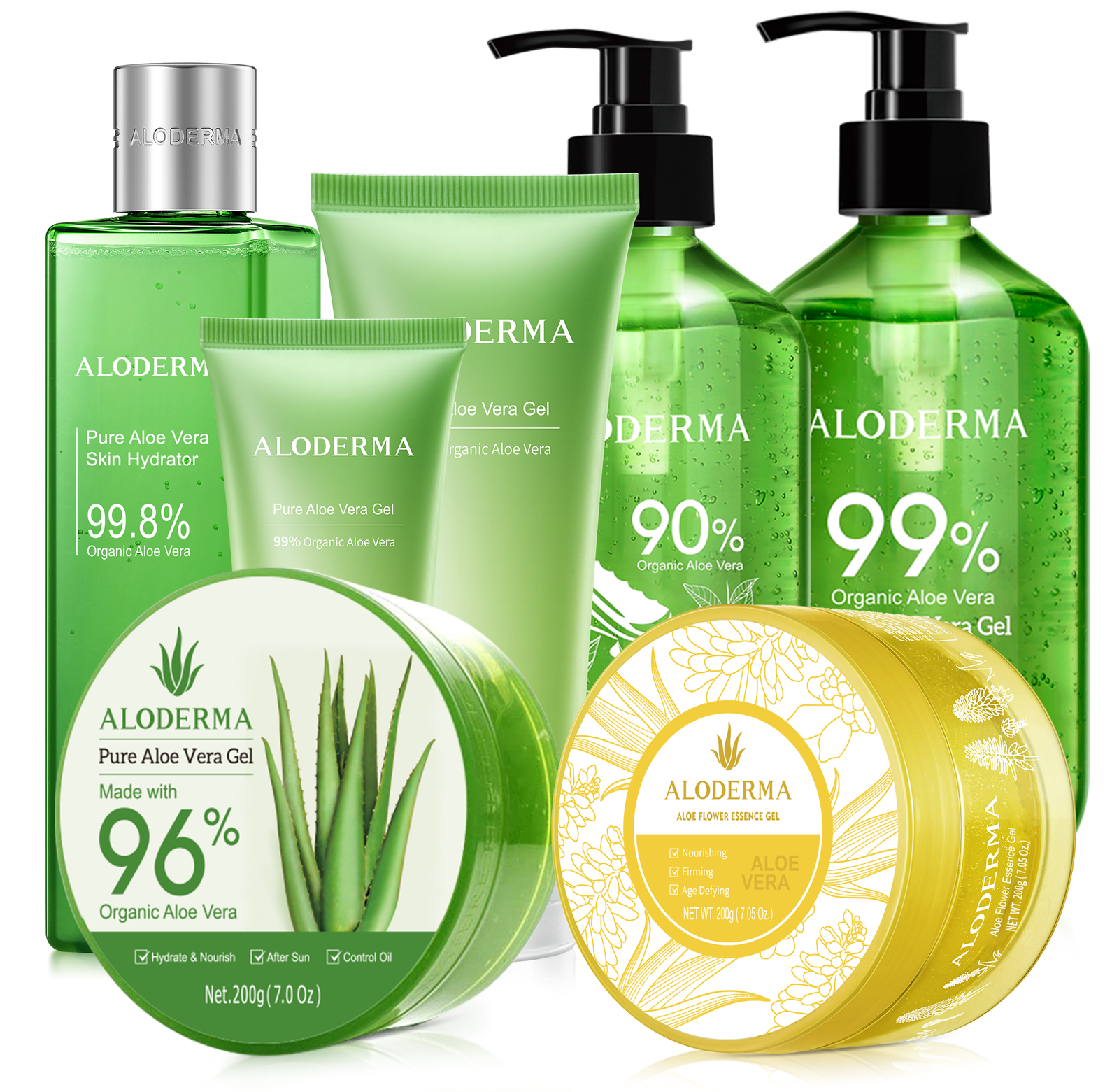
Some brands buy ingredients from many outside sources and formulate later. Others build more control into the process. ALODERMA takes the second route. It is a fully vertically integrated aloe vera company that grows its own organic aloe vera and processes that aloe onsite within 12 hours of harvest so the primary ingredient in every product is as bioactive and effective as possible.
For shoppers, that matters because “gentle” isn't only about what's left out. It's also about the quality and freshness of what's included. A farm-to-skin model can make the brand feel more understandable. You can trace the ingredient story with fewer gaps.
What that looks like in a lotion routine
If you're shopping for body hydration and want to keep your routine simple, it helps to look at products where aloe vera sits at the center of the formula rather than appearing as a minor add-on. ALODERMA's product line is built around that idea.
Examples include the Aloe Firming Moisturizer, which suits readers who want an everyday body moisturizer, and the Aloe Hydrating Face Moisturizer, which can appeal to anyone who prefers a lightweight aloe-based cream for facial use. For richer texture, some readers may also want to compare the Aloe Firming & Rejuvenating Cream.
Those product pages also make it easier to inspect ingredient lists directly, which is one of the best habits you can build as an informed shopper.
A cruelty-free choice feels more trustworthy when the brand is transparent about both ethics and ingredients.
One more resource is helpful if you want to understand why aloe-centered moisturizers are such a practical fit for everyday routines. This guide to an organic aloe vera moisturizer gives added context on what makes that ingredient style different.
Here's a closer look at the brand's farm-to-formula approach:
The bigger idea behind a kinder lotion
Those seeking a cruelty free lotion often ask for more than one thing at once. They want no animal testing. They want a formula that feels comfortable on skin. They want to trust the company behind the bottle.
That's where a farm-to-skin approach creates a stronger story. The same mindset that values kinder standards also tends to value freshness, ingredient transparency, and a more careful manufacturing process. Those ideas fit together naturally.
If you've ever felt that ethical beauty language was too abstract, this is the grounding detail to look for. Who grows the ingredients? Who processes them? How much control does the brand keep over quality? Those answers can turn a vague claim into a concrete one.
If you want skincare that connects cruelty-free values with fresh aloe-based formulas, explore ALODERMA. You can browse ingredient lists, compare moisturizers and lotions, and find a routine built around organic aloe vera grown and processed by the brand itself.