

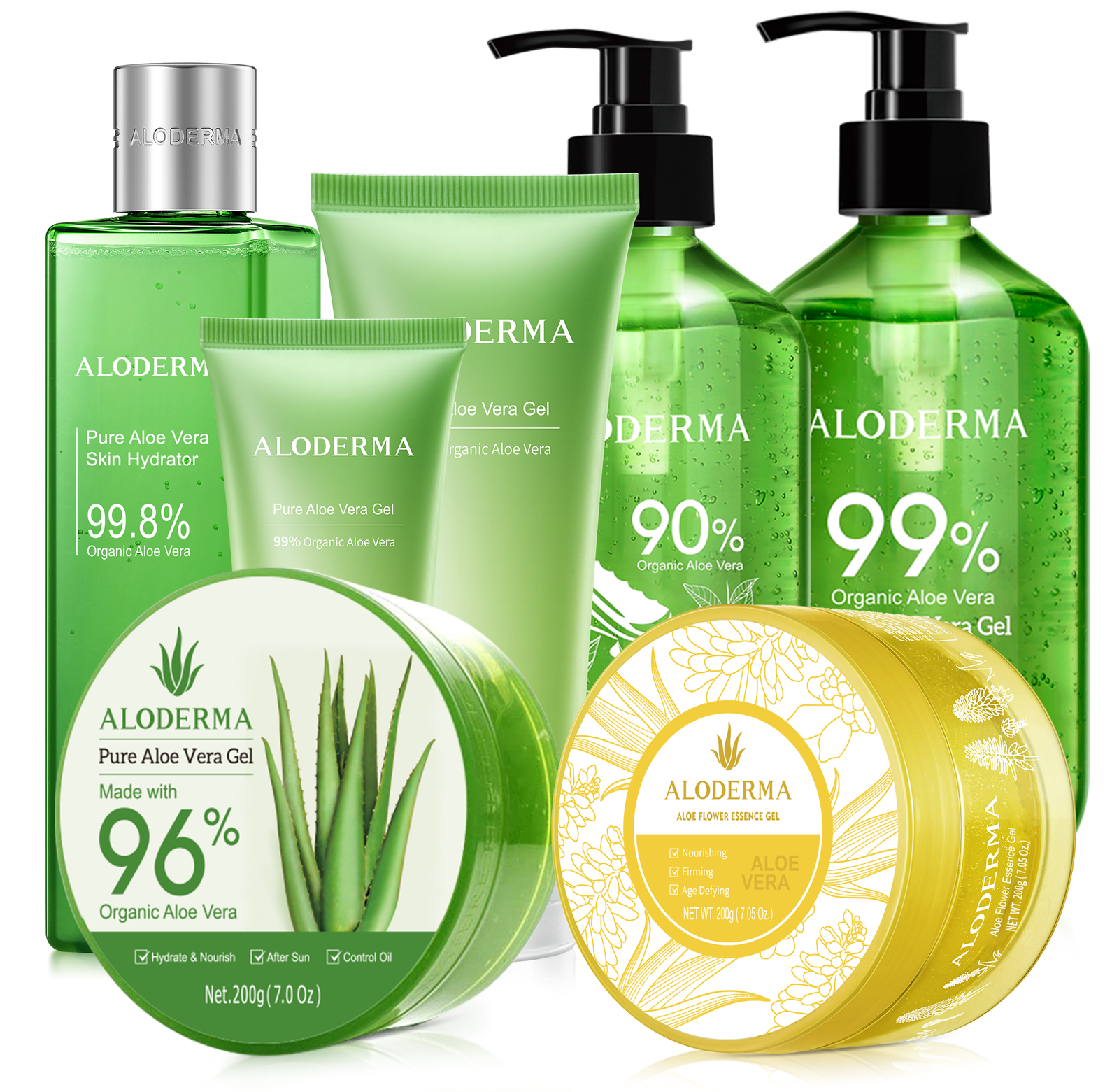


So, what does “cruelty-free” actually mean when you see it on a skincare label? Imagine picking up a product and knowing, without a doubt, that no animals were harmed in its creation. That’s the heart of the cruelty-free promise.
At its most basic, the term cruelty-free means the product you’re holding, and every single ingredient inside it, was not tested on animals at any point during its development. This covers the entire journey, from the first spark of an idea all the way to the finished formula. It's a commitment to kindness.
Understanding the Cruelty-Free Promise
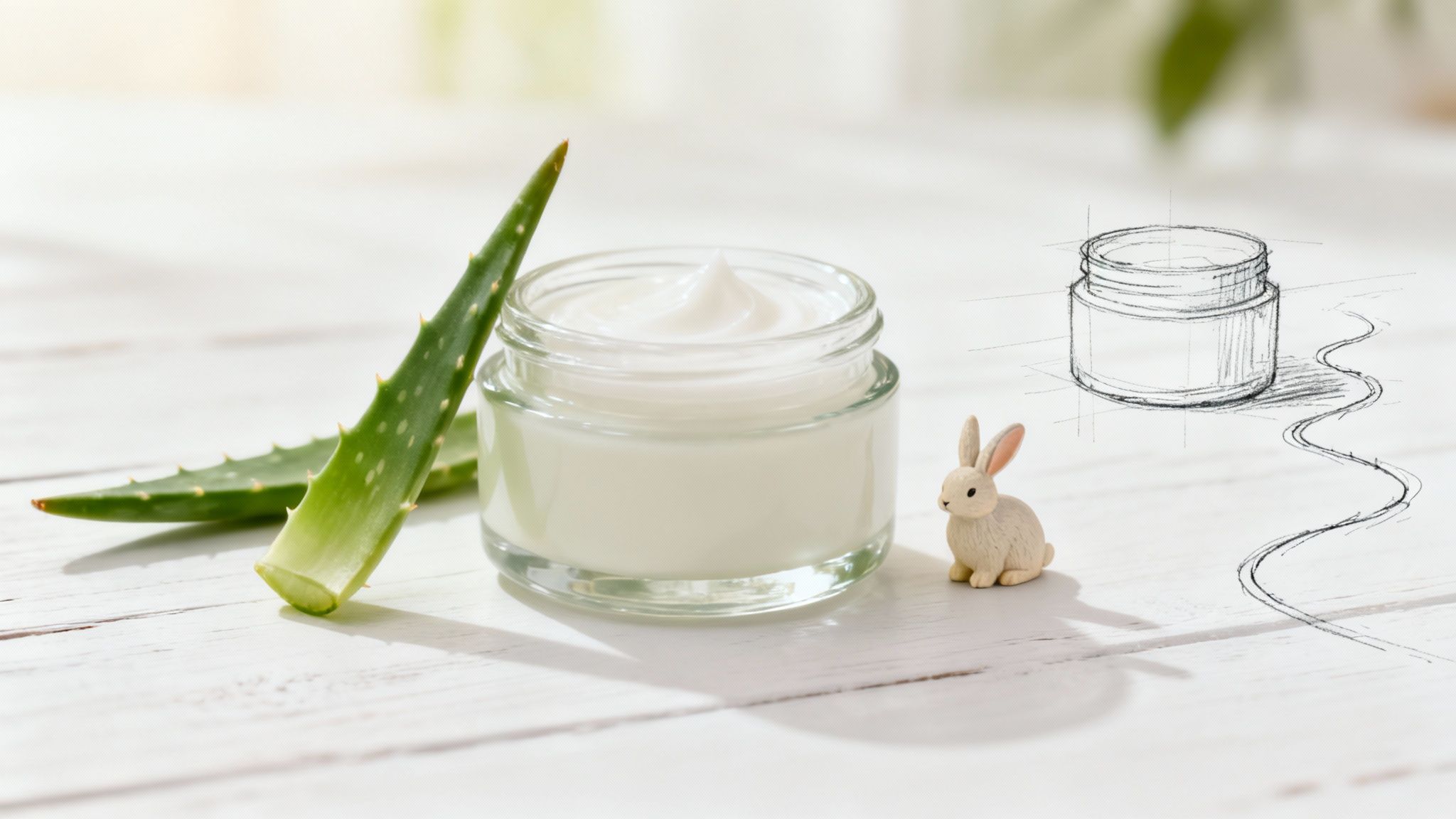
When you choose a cruelty-free product, you’re doing more than just buying skincare. You’re casting a vote for a kinder way of doing things—a philosophy that puts compassion ahead of convenience and ethics over outdated testing methods. Think of it as a small, daily act of kindness, ensuring your beauty routine doesn’t come at the cost of animal welfare.
And it’s not just a niche movement anymore. This is a massive shift in what people value and expect from brands. The global cruelty-free cosmetics market hit a staggering USD 14.84 billion in 2023. It’s projected to climb to USD 23.54 billion by 2030, proving that shoppers are actively seeking out and demanding more ethical products.
A Commitment from Farm to Skin
For us at Aloderma, this isn't just a label; it's baked into who we are. We are a fully vertically integrated aloe vera company, which means we have our hands on every single step of the process. We grow all of our own organic aloe vera on our ECOCERT-certified farms.
Here's what makes that special: we process our aloe vera and manufacture onsite within 12 hours of harvest to ensure the primary ingredient found in every one of our products is the most bioactive and effective aloe vera possible. This farm-to-skin approach guarantees that the main ingredient in every bottle is as potent and pure as it can be. It also gives us complete control and transparency, so we can be certain our promise of kindness is never, ever compromised. You can explore more about some of the best cruelty-free skincare brands that share this kind of dedication.
By choosing brands that own their entire process, you can feel confident that their cruelty-free claim is authentic and verifiable, from the soil to your shelf.
This ethical mindset doesn’t have to stop with skincare, either. It’s empowering to extend these principles into other parts of your life, from what you wear to what you eat. It can even mean finding ethical choices for everyday needs, like grabbing some quick healthy snacks on the go for a Cruelty-Free Vegan Lifestyle.
Cruelty-Free vs. Vegan: What Is the Difference?
Walking through the skincare aisle can feel like trying to decipher a secret code. You’ll see “cruelty-free” and “vegan” everywhere, often used together, but they actually address two completely different parts of how a product is made.
Getting clear on cruelty-free versus vegan is the key to making choices that truly line up with your values.
Imagine you're at a farmers market. One vendor sells organic apples, meaning they were grown without synthetic pesticides. Another sells local honey, meaning it came from nearby bees. Both are great choices, but they represent different values—one about farming methods, the other about sourcing. It's the same with ethical beauty labels; they address separate, specific concerns.
What the Labels Really Mean
So, what's the deal with these terms? It's pretty straightforward once you break it down:
-
Cruelty-Free: This is all about the process. It’s a promise that no animal testing occurred at any stage of development. This applies to the finished product and every single ingredient that went into it.
-
Vegan: This label is all about the ingredients. It certifies that the product contains absolutely zero animal-derived components or by-products. That means no honey, beeswax, lanolin (from sheep's wool), or carmine (a red pigment made from insects).
The takeaway? A product can be cruelty-free but not vegan (it wasn't tested on animals but contains beeswax). Or, it could be vegan but not cruelty-free (it has no animal ingredients but was tested on animals). For a product to be truly aligned with a comprehensive animal-welfare ethic, it needs to be both.
At Aloderma, we’ve built our entire philosophy on a deep respect for nature, making this distinction crystal clear for our customers. As a fully vertically integrated aloe vera company, we grow all of our own organic aloe vera. We process our aloe vera and manufacture onsite within 12 hours of harvest to ensure the primary ingredient found in every one of our products is the most bioactive and effective aloe vera possible. This farm-to-skin control ensures our products are made with integrity from start to finish, so you never have to choose between ethics and results.
A Clear Guide to Ethical Beauty Labels
Navigating the world of ethical beauty can be confusing, with various labels each carrying a specific meaning. This table breaks down the most common terms to help you shop with confidence.
Ethical Beauty Labels Explained
A clear comparison of common ethical labels to help you understand their specific meanings.
| Label | What It Guarantees | What It Doesn't Guarantee |
|---|---|---|
| Cruelty-Free | No animal testing was performed on the final product or its ingredients by the company or its suppliers. | That the product is free from animal-derived ingredients (e.g., it could still contain honey or lanolin). |
| Vegan | The product contains no animal-derived ingredients or by-products, such as beeswax, carmine, or collagen. | That the product or its ingredients were not tested on animals (though many vegan brands are also cruelty-free). |
| Not Tested on Animals | The final product was not tested on animals. | That individual ingredients weren't tested on animals by third-party suppliers, or that testing isn't required by law in regions where it's sold. |
Understanding these distinctions allows you to make more informed choices that align with your personal values. When a brand is both cruelty-free and vegan, it represents the highest standard of ethical commitment.
Why This Matters for Your Skin
Knowing the difference empowers you to look past the marketing noise and understand what you're really supporting with your money. For instance, some popular moisturizing ingredients, like lanolin, are derived from animals. Our skincare achieves deep, lasting hydration using powerful plant-based ingredients centered around our farm-fresh aloe vera.
This level of detail is more important than you might think. Research shows that 43.1% of consumers are not confident they can identify animal-derived ingredients just by reading a label. Complicated chemical names can easily hide an ingredient’s true source, which is why transparency and clear labeling are so vital.
If you want to dive deeper, you can explore some of the best vegan skincare products and see what makes them stand out. Ultimately, choosing brands that are upfront about being both cruelty-free and vegan takes all the guesswork out of building an ethical skincare routine.
Finding Trustworthy Cruelty-Free Certifications
In a world filled with vague marketing claims and confusing labels, official certification logos are your best friend. Think of them as a seal of approval from a trusted third party, like a co-sign from an expert who has already done all the homework for you. They prove a brand has gone through a rigorous process to back up its commitment to animal welfare.
Organizations like Leaping Bunny and PETA’s Beauty Without Bunnies program don't just take a company at its word. They perform deep-dive audits to verify a brand's claims from top to bottom. This process is a world away from a company just slapping its own cute bunny graphic on the packaging.
The Power of Third-Party Verification
A real certification digs into a company’s entire operation. For instance, to earn the coveted Leaping Bunny seal, a brand has to:
-
Prove that no animal testing happens on its finished products.
-
Verify that all of its ingredient suppliers also refuse to conduct animal testing.
-
Commit to this strict standard for all future products.
-
Agree to ongoing audits to keep its certified status.
This level of scrutiny gives you genuine peace of mind. When you spot an official logo, you know the brand has invested serious time and resources to prove its ethical claims, moving way beyond simple promises to provide tangible proof.
This verification is what separates truly committed brands from those just using buzzwords. It's a clear signal that the company has opened its doors to outside experts to validate its entire supply chain.
At Aloderma, this kind of transparency is in our DNA. Because we are a fully vertically integrated aloe vera company, we grow all of our own organic aloe vera. We process our aloe vera and manufacture onsite within 12 hours of harvest to ensure the primary ingredient found in every one of our products is the most bioactive and effective aloe vera possible. This gives us unmatched oversight, ensuring the main ingredient in products like our Aloe Firming Serum is not only incredibly potent but also created with complete integrity—from our farm, directly to your face.
Navigating the Certification Landscape
Official certifications are absolutely essential for cutting through consumer skepticism and helping truly ethical brands stand out. This assurance is especially important, as brands often face higher costs for alternative, non-animal testing methods, though thankfully, new innovations are making cruelty-free practices more accessible. If you want to dive deeper, you can explore market research on the growth of ethical cosmetics.
The principles behind vetting ethical products go beyond just skincare. Learning how platforms identify and list ethical fashion brands, for example, can offer similar insights into checking a company's commitment to its standards. Once you learn how to spot trustworthy certifications in one area, you become a more conscious consumer everywhere.
Spotting the Hidden Loopholes in Beauty
Deciding to shop cruelty-free should be a simple, feel-good choice. But the truth is, the beauty world is filled with tricky gray areas and fine print. Learning to spot these issues isn’t meant to overwhelm you; it’s about giving you the power to see past a label and make choices that truly line up with what you believe in.
One of the biggest head-scratchers is the parent company dilemma. Imagine finding a small, independent coffee shop you love because they source their beans ethically. Then you find out they were bought by a massive corporation with a questionable environmental record. Do you still buy your daily latte? That's the feeling. You might find a brand that’s proudly Leaping Bunny certified, only to learn it’s owned by a massive conglomerate that still tests on animals for its other lines. It brings up a tough personal question with no single right answer.
The Supply Chain and Global Markets
It gets even more complicated when you look deeper. Loopholes can pop up where you least expect them, often buried in the supply chain. A company might swear they don't test their final product on animals, but what about the raw ingredients they buy from third-party suppliers? Some brands might not even realize they’re using ingredients from a supplier who does test, creating a serious crack in their cruelty-free foundation.
This is where a company's control over its process really matters. At Aloderma, we sidestep this problem completely because we’re a fully vertically integrated aloe vera company. We grow all of our own organic aloe vera. We process our aloe vera and manufacture onsite within 12 hours of harvest to ensure the primary ingredient found in every one of our products is the most bioactive and effective aloe vera possible. This farm-to-skin approach means we have eyes on every single step. From the soil to the shelf, we can guarantee that products like our Aloe Brightening Skin Toner, made with 88% fresh organic aloe juice, are never, ever associated with animal testing.
Then there’s the infamous “required by law” loophole. Some countries still mandate animal testing for cosmetics sold in brick-and-mortar stores. So, a brand can be 100% cruelty-free in the U.S. and Europe but agree to have their products tested on animals just to get them on shelves elsewhere. This inconsistency is a major red flag for shoppers looking for a truly global commitment to ethics.
Asking the Right Questions
Getting to the bottom of this means looking beyond the pretty packaging. Real transparency isn’t just a buzzword; it's a brand’s willingness to answer the tough questions about how they operate.
When a brand openly discusses its ownership, supply chain verification, and global sales policies, it demonstrates a genuine commitment to ethical practices that goes far beyond simple marketing claims.
By knowing about these potential pitfalls, you can start asking sharper questions. You can choose to support brands that are cruelty-free not just in name, but in every single action they take. It changes you from someone who just buys products into a real advocate for a kinder, more honest beauty industry.
How Aloderma Lives the Cruelty-Free Promise
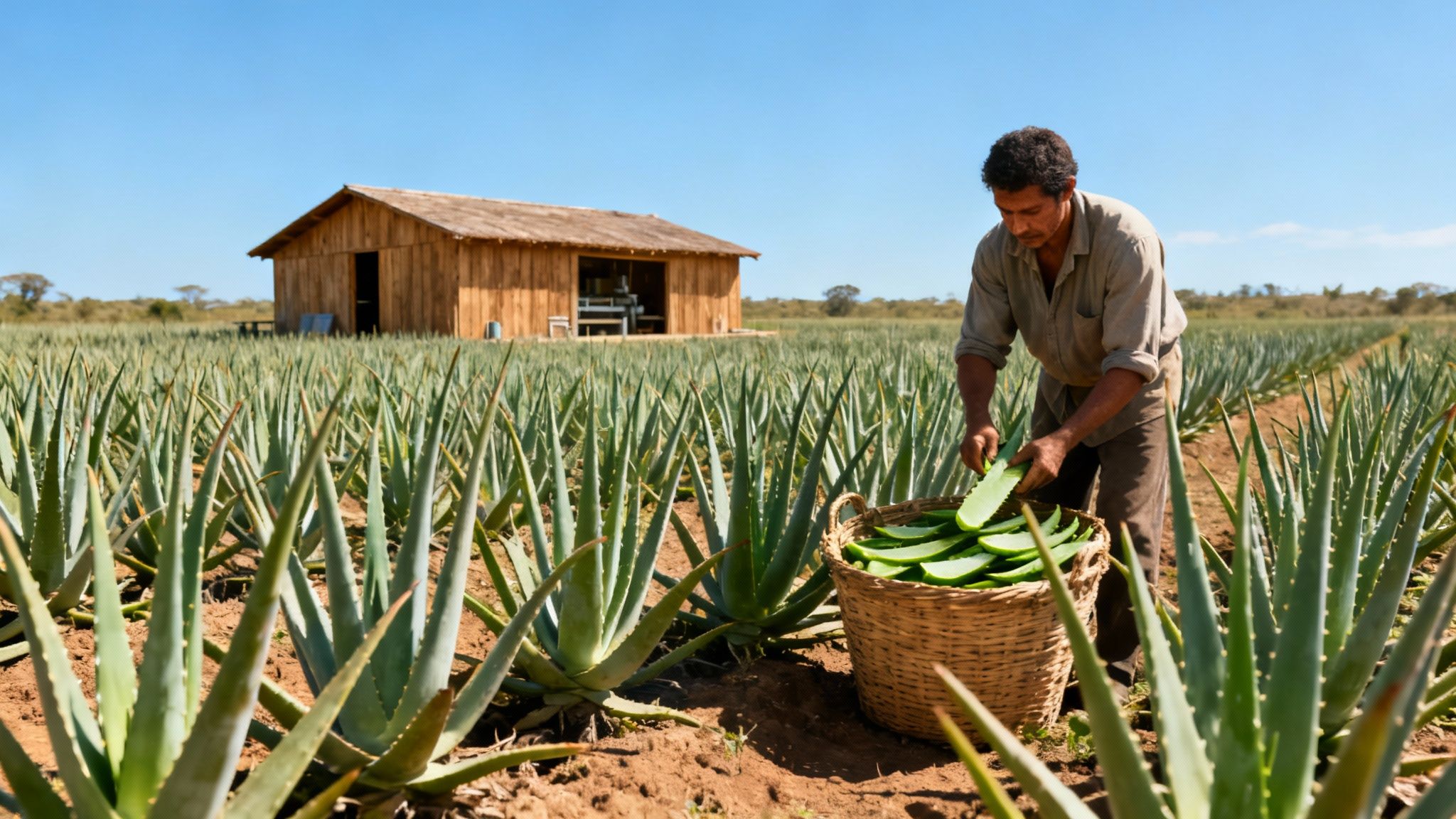
Here at Aloderma, "cruelty-free" isn't just a label we stick on our packaging—it’s a core belief that shapes everything we do. We feel strongly that effective skincare should never, ever come at the expense of animals. This commitment is built right into our unique ‘farm-to-skin’ model.
It all starts in the soil of our very own ECOCERT organic aloe farms. Because we are a fully vertically integrated aloe vera company, we have complete oversight of the entire process, from the moment a tiny aloe shoot is planted to the day it’s harvested by hand. This setup closes all those hidden supply chain gaps where animal testing can quietly happen without a brand even knowing.
From Our Fields Directly to Your Face
The real magic happens right after our aloe is picked. We process our aloe vera and manufacture onsite within 12 hours of harvest to ensure the primary ingredient found in every one of our products is the most bioactive and effective aloe vera possible. This isn't just a talking point; it's the heart of our entire operation. It’s how we guarantee the primary ingredient in every product is as fresh and potent as nature intended.
This complete vertical integration is our cruelty-free promise to you. It means we can personally stand behind every single step of the journey. There are no mysterious third-party suppliers, no labs we’ve never visited, and no hidden processes. It's just pure, farm-fresh aloe, handled with care by our own team. We know exactly what goes into our products—and just as importantly, what doesn't.
When you use Aloderma, you’re not just applying skincare. You're experiencing a product born from a philosophy of complete transparency and ethical integrity, where the promise of kindness extends from the earth to your skin.
The Power of Plant-Based Purity
This dedication to ethical practices is especially important for anyone with delicate or reactive skin. The great news is that brands are moving beyond animal testing, turning instead to powerful plant-based actives—like our fresh aloe—to get incredible results. As the market shows, high-quality natural ingredients are the future of effective, trusted, cruelty-free formulas. For a deeper dive into these industry shifts, you can learn more about the cruelty-free cosmetics market.
You can feel this philosophy in products designed to calm and comfort. When you sweep our Aloe Hydrating Toner across your face, you're feeling the gentle power of 91% fresh organic aloe juice. It's a direct link back to our fields and a clear demonstration of our promise.
In the same way, our Aloe Firming Serum shows what farm-fresh ingredients can do. By pairing our bioactive aloe with other thoughtful, natural extracts like Hyaluronic Acid and Peptides, we create products that boost your skin's vitality without ever bending our ethical rules. Choosing Aloderma means choosing a brand where cruelty-free is more than just a certification—it's a way of life.
How to Start Your Cruelty-Free Skincare Routine
Making the switch to a cruelty-free routine should feel empowering, not like a chore. The secret is to start small and be deliberate with your choices. There’s no need to throw everything out and start from scratch overnight. A much easier approach is to simply replace products one by one as they run out. Finished your face wash? Find a cruelty-free one you're excited to try next.
Think about starting with your daily must-haves, like a cleanser or moisturizer. This gradual swap makes the whole process feel manageable and gives you the space to mindfully pick products that truly line up with your values.
Building Your Foundation with Confidence
As you start shopping, make it a habit to look for official certification logos, like the Leaping Bunny. This simple step takes all the guesswork out of figuring out which brands are genuinely committed to animal welfare.
For a simple yet powerful foundation, consider starting your day with a gentle cleanse and ending it with rich, nourishing hydration. Our farm-fresh philosophy at Aloderma makes this incredibly easy. We’re a fully vertically integrated aloe vera company, meaning we grow all of our own organic aloe vera. We process our aloe vera and manufacture onsite within 12 hours of harvest to ensure the primary ingredient found in every one of our products is the most bioactive and effective aloe vera possible.
This unique control ensures the main ingredient in every bottle is as fresh and potent as possible. A perfect pair to begin with is our Aloe Soothing & Moisturizing Cleanser, which gently lifts away impurities without stripping your skin. Its main ingredient is 52% fresh organic aloe vera, giving you a calm, clean start to your morning.
By intentionally selecting products rooted in transparent, farm-to-skin practices, you build a routine that is not only gentle and effective but also deeply connected to your ethical principles.
To round out your day, our Aloe Nourishing & Firming Cream works while you rest to support your skin's vitality. This cream, made with 62% fresh organic aloe vera, delivers deep moisture and nourishment overnight. If you're looking for more guidance, you can explore our tips on how to build a skincare routine that's right for you.
Making just one simple swap like this helps you build a routine that is soothing, effective, and perfectly in line with your values. Remember, this journey is about progress, not perfection. Every conscious choice you make is a step toward a kinder, more compassionate beauty industry.
Common Questions About Cruelty-Free Skincare
Even when you're trying your best to shop ethically, the world of cruelty-free skincare can feel a little tricky. Let's clear up a few of the most common points of confusion so you can feel confident in your choices.
If a Product Is Sold in China, Can It Still Be Cruelty-Free?
This one is complicated, but the short answer is: it depends. For a long time, China required animal testing on almost all imported cosmetics, which was a major hurdle for cruelty-free brands.
Thankfully, the rules are changing. Since 2021, many imported 'general' cosmetics (think lotions, serums, and makeup) can now get on the shelves without animal testing, as long as the brand provides very specific safety certifications.
However, products classified as 'special-use' cosmetics, like sunscreens, often still fall under the old testing requirements. This is why you'll see many certified cruelty-free brands avoid physical stores in mainland China altogether, choosing instead to sell directly to consumers through e-commerce, which bypasses these regulations.
Are "Natural" or "Organic" Products Automatically Cruelty-Free?
Not necessarily. It's easy to lump these terms together, but they actually address completely different aspects of a product. Imagine baking a cake. "Organic" is like using flour from a farm that doesn't use pesticides. "Natural" means you used real vanilla bean instead of artificial extract. "Cruelty-free" would mean you didn't force-feed a slice to your hamster to see if it was safe. They are all good things, but they aren't the same thing.
-
Organic refers to how the ingredients were farmed.
-
Natural refers to the origin of the ingredients.
-
Cruelty-Free is strictly about the company's animal testing policy.
A product can be made with 100% organic ingredients but still be tested on animals somewhere along the line. The labels aren't interchangeable.
At Aloderma, we believe you shouldn't have to choose. We are a fully vertically integrated aloe vera company, which means we grow all of our own organic aloe vera on our own ECOCERT-certified farms. We then process our aloe vera and manufacture onsite within 12 hours of harvest to ensure the primary ingredient found in every one of our products is the most bioactive and effective aloe vera possible. This guarantees every formula is pure, potent, and ethically made from soil to shelf.
How Can I Check if a Brand Is Cruelty-Free Without Seeing a Logo?
The official certification logos are the gold standard because they mean a third party has done the vetting for you. But some smaller or newer brands might be genuinely cruelty-free without having gone through the lengthy certification process yet.
The best way to check is to do a little digging yourself. Head over to the brand’s website and look for their animal testing policy, which is often on an FAQ or "About Us" page.
A truly cruelty-free brand will be transparent and clear. They'll state that neither their final products nor their ingredients are tested on animals by them, their suppliers, or any third parties. If the language seems vague or leaves room for interpretation, don't hesitate to email them and ask for a straight answer. A company with nothing to hide will be happy to give you one.
At Aloderma, we believe in creating skincare that is as kind to the planet as it is to your skin. Explore our full range of farm-to-skin products and experience the difference that fresh, ethically produced aloe vera can make.