







You've just washed your face, applied a promising serum, and noticed two things at once: a pleasant perfume-like scent and a faint sting around your nose. By lunchtime, your skin feels tight in some areas and shiny in others. The bottle may look gentle, but your skin is asking a more useful question: what's in this formula?
A fragrance free face serum can make daily hydration feel simpler, especially if your skin reacts easily to scented products or feels weighed down by rich textures. The phrase, however, isn't a substitute for reading the ingredient list. A serum can avoid obvious perfume yet still include essential oils, aromatic extracts, or masking ingredients that don't suit your preferences.

This guide turns that confusion into a repeatable habit. You'll learn how to distinguish fragrance-free from unscented, identify scent sources in the INCI list, choose aloe-forward hydration for sensitive, oily, and blemish-prone skin, and introduce a new serum without making your whole routine feel like a guessing game.
Introduction to Fragrance Free Face Serums and Why They Feel Different
A fragrance free face serum usually feels different before you notice any long-term change. There's no strong floral note following you through the morning, no perfume competing with your cleanser, and often a lighter sensory experience overall. That can matter when you're already cautious because a previous product left your cheeks warm, your eyelids uncomfortable, or your T-zone coated.
The appeal isn't that every scented product is automatically unsuitable. It's that removing added scent gives you one less variable to evaluate. If your skin feels uneasy after applying a serum, a shorter, scent-free formula makes it easier to ask whether the issue comes from the serum base, another active ingredient, the amount applied, or a product layered underneath.
A useful mindset: Choose fragrance-free as a way to simplify your routine, not as a promise that every formula will suit every person.
Sensitive skin often prefers a quiet routine. Oily skin may also appreciate a watery or gel-like texture instead of a rich product that sits heavily under moisturizer. Blemish-prone skin can benefit from the same practical approach, because a lightweight serum lets you add hydration without automatically adding a thick, strongly scented layer.
The most helpful place to begin is the label. “Fragrance-free” and “unscented” don't always describe the same formula, and “natural” doesn't automatically mean scent-free. Once you understand those distinctions, choosing a serum becomes less about trusting a front-of-pack promise and more about matching the ingredient list to the way your skin behaves.
What Fragrance Free Really Means and How It Differs From Unscented
Think of fragrance-free and unscented like two foods in your kitchen. Unsweetened food has no added sugar, while flavor-masked food may contain another ingredient that hides an underlying taste. In skincare, fragrance-free generally means the formula doesn't intentionally add parfum, fragrance, or aroma to create a scent. Unscented may still contain a masking fragrance designed to make the product smell neutral.
That distinction matters if you're trying to reduce exposure to perfume ingredients. A product can smell like almost nothing and still contain a scent system. The nose judges the final experience, but the INCI list tells you how the manufacturer achieved it.

Read beyond the front label
Start with the end of the ingredient list and scan for:
- Parfum or fragrance, the clearest signs of an added scent blend.
- Aroma, which may be used as a broader scent description.
- Essential oils, including lavender, bergamot, citrus, and tea tree.
- Scented botanical extracts, especially when the product has a noticeable herbal, floral, or citrus smell.
- Masking fragrance, which may be present in an unscented product even when the finished formula seems neutral.
A “fragrance-free” claim can also deserve a second look when the serum contains many aromatic plant ingredients. Botanical extracts can have useful formulation roles, but they may also contribute scent and may not be what a highly reactive shopper wants to test first.
For a deeper comparison between scent claims and product selection, use this guide to fragrance-free moisturizer choices. The same label-reading principle applies to serums, creams, and cleansers.
Why the wording affects your routine
A person who dislikes perfume may be satisfied with an unscented product. Someone trying to avoid fragrance-related ingredients needs a stricter review. European dermatology reviews describe fragrance allergy as one of the most common cosmetic contact allergens, with general adult sensitization estimates ranging from 0.7% to 4.1% and fragrance linked to 30% to 45% of cosmetic allergic reactions among eczema patients in reported research European Commission Scientific Committee on Consumer Safety.
The practical lesson is simple. Don't choose by scent alone. Choose by the combination of the product claim, the full INCI list, and your own skin history.
Why Fragrance Free Serums Are Kinder to Sensitive Oily and Blemish Prone Skin
A fragrance-free serum removes one common source of unnecessary sensory complexity. Fragrance ingredients are a major cause of cosmetic allergic contact dermatitis, and people who already notice stinging, tightness, or discomfort may prefer to limit that exposure in products used every day California Department of Public Health.
That doesn't mean fragrance-free skincare guarantees a particular result. It means the formula starts with a simpler design choice. The serum can focus on hydration, slip, and compatibility instead of adding perfume for a more luxurious application experience.

Sensitive skin and everyday comfort
Suppose you apply a scented serum before work and spend the next hour noticing your cheeks. The product may not create a dramatic reaction, but the repeated awareness of warmth, tingling, or tightness makes you reluctant to use it again. A low-scent or scent-free alternative can feel more comfortable because it removes that persistent sensory reminder.
Public health information also reports that about one-third of people report negative health effects from fragranced products, while fragrance is identified as the second most common environmental allergen after certain other common exposures California Department of Public Health. Those figures help explain why fragrance-free products appeal beyond people with a diagnosed sensitivity. Many shoppers want a lower-exposure option for routine use.
Oily and blemish-prone skin
Oily skin doesn't always need less hydration. It often needs hydration in a texture that doesn't feel greasy, sticky, or layered with unnecessary richness. A watery aloe serum with humectants can leave skin feeling replenished while allowing you to control how much moisturizer follows.
Blemish-prone shoppers may also prefer a short ingredient list because it makes experimentation easier. If you introduce one lightweight serum rather than several fragranced products at once, you can observe how your skin feels throughout the day without creating a crowded routine.
For readers comparing gentle routines across Asian beauty categories, this resource on the best Japanese skincare for sensitive skin offers useful context around simple textures and sensitive-skin product selection.
Fragrance-free isn't the same as risk-free
A serum can still feel uncomfortable because of alcohol, essential oils, a highly active formula, or a personal sensitivity to another ingredient. In a patch-tested population, 13.0% reacted to fragrance markers, and 75.7% of those positive reactions were clinically relevant in the cited study British Journal of Dermatology.
That's why the best approach combines fragrance avoidance with a full formula review and a gradual introduction. You're reducing one avoidable variable, not asking a label to make a guarantee.
Soothing Ingredients to Look For and What to Avoid in a Gentle Serum
A gentle serum becomes easier to evaluate when you sort ingredients by their job. Fresh aloe can serve as the water-rich foundation, while humectants help attract and hold moisture, and supporting ingredients improve the formula's feel or hydration profile.
Look for hyaluronic acid, glycerin, and propanediol when you want a serum that feels replenishing without an oily finish. Glycerin is especially familiar in lightweight formulas because it can give skin a soft, flexible feel. Hyaluronic acid can add a cushiony, hydrated finish, though the overall result still depends on the complete formula and how much product you apply.
Aloe-forward formulas also pair well with ingredients such as beta-glucan, niacinamide, chamomile, and purslane. Aloderma's product information describes a soothing face serum combining organic aloe vera with beta-glucan, arginine, hyaluronic acid, chamomile, and purslane Aloderma's aloe skincare information. These examples show how a serum can remain centered on hydration while adding supportive ingredients.
Gentle Serum Ingredient Quick Check
| Category | Look For | Why It Helps | Avoid or Limit |
|---|---|---|---|
| Hydrating base | Aloe vera juice or leaf juice | Gives the formula a fresh, water-based foundation | Formulas where aloe appears only as a minor addition |
| Humectants | Glycerin, hyaluronic acid, propanediol | Helps skin feel supple without a heavy oil layer | Excessively sticky combinations that feel uncomfortable under moisturizer |
| Supporting ingredients | Beta-glucan, niacinamide, chamomile, purslane | Adds hydration and a more comfortable skin feel | Long lists of aromatic extracts when you're minimizing scent |
| Plant oils and extracts | Mild, clearly identified ingredients | Can contribute softness and formula character | Essential oils such as lavender, bergamot, citrus, and tea tree |
| Scent declarations | No parfum, fragrance, or aroma | Makes the fragrance-free claim easier to verify | Masking fragrance, “natural scent,” or unexplained perfume blends |
| Preservation | Clearly named preservative system | Helps keep a water-based serum stable and usable | Products that provide too little ingredient information |
Ingredients that deserve extra attention
A fragrance-free label can still be misleading if the formula relies on botanical scent sources. A scoping review reported that 45% of products labeled “fragrance-free” contained fragrance-related allergens, often through botanical ingredients Practical Dermatology. That finding makes the full INCI more important than a decorative leaf on the package.
Named essential oils deserve particular caution when your goal is to avoid scent-related ingredients. Check for lavender, bergamot, citrus oils, and tea tree, along with ingredients such as limonene, linalool, and related aromatic components. A survey of 190 K-beauty serums and ampoules found limonene in 12.1%, linalool in 11.1%, fragrance mix II components in 6.8%, and fragrance mix I components in 5.8% of the products reviewed British Journal of Dermatology.
For a broader way to organize ingredient research, this clean beauty ingredient checklist can help you compare labels without relying on marketing language alone.
How to Choose and Patch Test Your Next Fragrance Free Serum
Choosing a fragrance free face serum doesn't need to become a forensic exercise. Use the same short process each time, whether you're reviewing a product on Aloderma.com or comparing options in a store.
Start with a four-part label audit
- Scan the full INCI list. Look for parfum, fragrance, aroma, and named essential oils. Don't stop at the front label.
- Check the position of aloe. If aloe is central to your goal, you'll generally want it to appear near the beginning of the ingredient list rather than as a small finishing detail.
- Count the moving parts. A shorter, transparent formula gives you fewer ingredients to investigate if the texture or feel doesn't suit you.
- Confirm the serum's role. Decide whether you want hydration, a lightweight layer under moisturizer, or a more active treatment. Don't select a product only because the word “gentle” appears on the bottle.
A product labeled “unscented” may not meet the same preference as one labeled “fragrance-free.” If scent avoidance is important to you, treat the wording as a starting point, then verify the ingredients.

Patch test with patience
Apply a small amount behind the ear or on the inner arm, using clean skin and a small area. Leave it alone and observe how the area feels over 24 to 48 hours. Comfortable skin should feel normal for you. Persistent warmth, itching, tightness, or visible discomfort is a reason to pause rather than push through.
If the test area stays comfortable, try a small amount along the jawline before applying the serum across your face. Introduce it once daily at first, then adjust according to how your skin responds. A patch test can't predict every facial experience, but it gives you more control than applying a new product everywhere on the first morning.
Practical rule: Change one product at a time, so your skin and your notes can tell the same story.
For a more detailed routine around introducing new skincare, use this guide to patch testing skincare.
The short video below adds a visual reminder of the process:
How to Add a Fragrance Free Serum to Your Daily Skincare Routine
A serum works best when you give it a clear place in the routine. In the morning, cleanse gently, apply the serum to slightly damp skin, follow with moisturizer, and finish with sunscreen. At night, cleanse, apply the serum, and use moisturizer according to how your skin feels.
Slightly damp skin can make a lightweight aloe serum spread more easily, so you may need less product. Start with a small amount, press it over the face, and give it a moment before adding the next layer. If your skin feels sticky, reduce the amount rather than immediately abandoning the formula.
Adjust the routine to your skin
- For oily skin: Use a thin serum layer and a light moisturizer, especially in warm weather.
- For dry-feeling skin: Apply the serum under a more cushioning moisturizer.
- For combination skin: Use a lighter amount across the T-zone and add more moisturizer only where you need it.
- For seasonal changes: Keep the same serum but adjust the amount and the texture of the moisturizer around it.
A fragrance-free serum can fit into a minimalist routine because it doesn't need to compete with multiple scented steps. Pair it with a gentle cleanser and a straightforward moisturizer, then introduce other products separately. This keeps the routine easier to repeat on busy mornings and easier to troubleshoot after a long day.
If shine is your main concern, this guide to a hydrating serum for oily skin can help you think about hydration and texture together. The goal isn't to strip your skin until it feels tight. It's to find a comfortable balance that you can maintain.
Discover Calm Hydration With ALODERMA Fragrance Free Aloe Serums
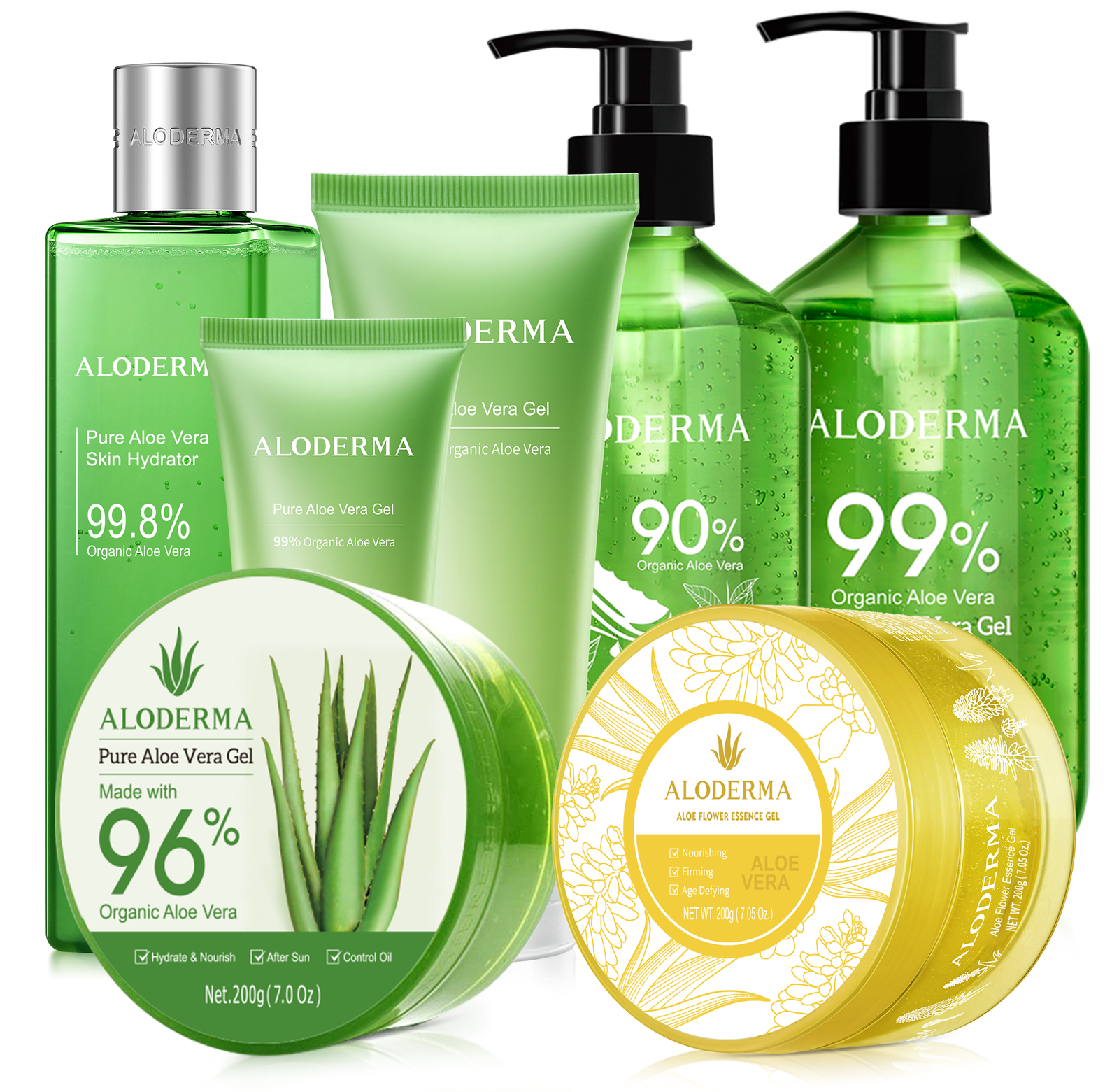
Aloe can be more than a small supporting ingredient at the end of a formula. Aloderma is a fully vertically integrated aloe vera company that grows its own organic aloe vera, processes it, and manufactures onsite within 12 hours of harvest. The company's stated purpose is to keep the primary ingredient in its products as fresh, bioactive, and effective as possible.
A minimalist aloe serum may suit someone who wants light hydration under sunscreen. A richer supporting routine may make more sense when skin feels dry or tight after cleansing. The important part is matching the formula to your comfort preferences rather than choosing a product because its scent feels luxurious.
For a scent-free aloe example, one independent product listing shows a formula built with 99.6% aloe vera juice, alongside citric acid, potassium sorbate, and sodium benzoate 4peoplewhocare aloe serum listing. Another scent-free serum example pairs aloe with glycerin, propanediol, marshmallow root, chamomile, sunflower seed oil, and a preservative system Green People scent-free serum. These comparisons show why the complete ingredient list matters, even when two products share an aloe-centered theme.
ALODERMA offers fresh organic aloe-focused skincare, including lightweight serum options designed to support simple daily hydration without artificial fragrance and aroma. Visit ALODERMA to review the ingredient details, compare aloe-forward formulas, and choose a fragrance free face serum that fits your routine.