



Some mornings you wash your face, lean toward the mirror, and feel disappointed before the day even starts. Your skin looks dull. Your pores seem more visible than they did last week. You want that fresh, smooth feeling, but you also know what happened the last time you reached for a harsh scrub. Tightness. Heat. Tender skin that felt worse, not better.
That experience is common, especially if your skin is sensitive, oily, or prone to breakouts. Many people learned to think exfoliation had to feel rough to work. It doesn’t. A gentle exfoliating cleanser can renew the surface of your skin in a much kinder way, especially when the formula also includes comforting plant ingredients that help skin stay balanced.
Beyond the Scrub The Gentle Path to Renewal
A lot of people have a vivid memory of old-school exfoliation. It often came in the form of gritty cleansers packed with rough particles. You rubbed them in, hoping for glow, and rinsed off with a face that felt too clean and strangely uncomfortable.
That old approach started to fall out of favor for good reason. After the 2015 Microbead-Free Waters Act banned plastic microbeads in rinse-off products in the US, brands pushed harder toward gentler alternatives, especially chemical exfoliants, and demand for barrier-safe cleansers continued to grow. By 2023, the global facial cleanser market had grown significantly, and 69% of consumers reported sensitivity in a 2022 Nielsen study, as noted in this overview of exfoliating face wash trends and skin sensitivity needs.

Why rough does not mean effective
Your skin does not need to be scraped into looking brighter. Most dullness comes from a layer of dead surface cells, excess oil, leftover sunscreen, and daily buildup. A smart cleanser helps remove that buildup without pushing your skin into distress.
A gentle exfoliating cleanser does two jobs at once:
- Cleanses the skin by lifting away oil, dirt, and residue
- Loosens dead surface cells so skin feels smoother and looks clearer
That matters if your skin gets shiny by midday, flakes around the nose, or looks uneven after a long week of stress and weather changes.
Key takeaway: If your face feels tight and unhappy after cleansing, your exfoliation method may be too aggressive, even if the product is popular.
The modern goal is comfort plus results
The best gentle exfoliation feels almost uneventful while it works. You rinse, pat dry, and your skin feels clean, soft, and calm. That is a much better sign than sting, roughness, or that squeaky feeling many people mistake for success.
For sensitive skin in particular, this shift matters. Effective exfoliation today is less about force and more about supporting your skin’s natural renewal process with ingredients that know when to be active and when to stay out of the way.
What Makes an Exfoliating Cleanser Gentle
The biggest difference is how the cleanser removes dead skin. A harsh scrub uses friction. A gentle exfoliating cleanser usually uses acids or enzymes that loosen the bonds between old cells so they can wash away more easily.
A simple way to think about it is glue. Dead skin cells on the surface are held together by tiny connections. Gentle exfoliants help dissolve that “glue” instead of sanding the skin down.
How chemical exfoliation works
Certain ingredients, including Salicylic Acid, Mandelic Acid, and Gluconolactone, work best in a pH range of 3.50 to 4.00. In that range, they can dissolve the bonds between dead skin cells without compromising the skin barrier, which helps explain why these types of formulas can be suitable for daily use on sensitive skin when well designed, according to this technical breakdown of triple-acid cleansers: chemical exfoliation and pH optimization in triple-acid formulations.
Some people still prefer a powder or polish format. If you want a separate example of a daily exfoliating product style, this overview of Dermalogica Daily Microfoliant is a helpful reference for how modern exfoliation products aim for smoother skin without the old scrub-like harshness.
Gentle vs harsh exfoliation in real life
| Feature | Gentle Exfoliants (Chemical/Enzyme) | Harsh Exfoliants (Physical Scrubs) |
|---|---|---|
| How they work | Loosen dead skin cell bonds | Manually rub cells off |
| Skin feel during use | Smooth, low-friction | Gritty, abrasive |
| Best for | Dullness, clogged pores, uneven texture, sensitive skin routines | Occasional body exfoliation more than delicate facial skin |
| Risk of overdoing it | Lower when formula is balanced and used correctly | Higher, especially with pressure and frequent use |
| Finish after rinsing | Clean, soft, more even | Can feel tight or overworked |
Signs a cleanser is gentle
Look for these clues:
- Low-abrasion formula: No rough particles that scrape as you massage.
- Balanced support ingredients: Humectants and skin-comforting ingredients matter because exfoliation should not leave skin dry.
- Short-contact use: A cleanser should work during washing, not require long leave-on time.
- Clear instructions: Good products usually explain whether they are meant for daily use, occasional use, or oily skin only.
People often get confused by the word “acid.” In skincare, acid does not automatically mean harsh. The formula, the pH, the cleanser base, and the supporting ingredients all shape how the product feels on skin.
Decoding the Label Gentle Exfoliating Ingredients to Embrace
Ingredient lists can look intimidating, but you do not need to memorize every line on the bottle. You only need to recognize the main exfoliating families and understand the job each one does.

AHAs for surface glow
Alpha Hydroxy Acids, often called AHAs, work near the skin’s surface. They are useful when your main concerns are rough texture, dullness, or a tone that looks uneven.
You may see ingredients such as lactic acid, glycolic acid, or mandelic acid. These are not identical. Some are stronger feeling, some are more gradual, and some are often chosen for skin that needs a softer approach.
If you want help understanding when one acid makes more sense than another, this guide on Glycolic Acid vs Salicylic Acid gives practical context for how they differ.
BHAs for pores and excess oil
Beta Hydroxy Acid, usually Salicylic Acid, is the ingredient many oily and blemish-prone skin types recognize first. It is especially useful in cleansers because it can help clear away excess oil and debris from inside the pore.
If your skin feels greasy by lunch, or if you often notice congestion around the nose and chin, BHA is often the family to focus on first.
PHAs for a softer approach
Poly Hydroxy Acids, or PHAs, are often the quiet overachievers in gentle exfoliation. They tend to be chosen when someone wants smoothing but worries about overdoing it.
One example is Gluconolactone. It is often included in formulas designed for daily use because it supports surface renewal in a more measured way.
Tip: If your skin reacts easily and you are nervous about exfoliating, PHAs and enzyme-based cleansers are often a more comfortable entry point than stronger-feeling acid products.
Fruit enzymes for natural exfoliation
Fruit enzymes sit in a very reader-friendly middle ground. They sound less intimidating than acids, but they still help dissolve surface buildup. A common one is papain, a papaya-derived enzyme that helps loosen dead skin cells.
If you want to understand that ingredient more clearly, ALODERMA’s ingredient explainer on papain gives a useful overview of why enzyme exfoliation appeals to people who want a gentler route.
A quick cheat sheet
- Choose AHA if roughness and dullness bother you most.
- Choose BHA if clogged pores and shine are the bigger issue.
- Choose PHA if your skin gets overwhelmed easily.
- Choose enzymes if you want exfoliation to feel mild and low-drama.
Some cleansers combine more than one family. That can work well when the formula is balanced and the rest of the ingredient list helps skin stay hydrated and comfortable.
Why Your Skin Type Needs Gentle Exfoliation
A gentle exfoliating cleanser is not just for one kind of skin. The benefit changes depending on what frustrates you most when you look in the mirror.

Sensitive skin needs less friction, not less care
Many people with sensitive skin stop exfoliating completely because they assume it will always go badly. The problem is usually not exfoliation itself. It is using the wrong format, too often, or in a formula that strips the skin.
A gentle acid-based cleanser can help remove dull surface buildup without the rubbing that often makes sensitive skin miserable. That is why these formulas can feel like such a relief when chosen carefully.
Oily skin often benefits from regular, balanced exfoliation
If your skin gets slick quickly, dead cells and oil can collect together and make pores look more obvious. Gentle exfoliation helps prevent that heavy, congested feeling.
This does not mean stronger is better. Oily skin can still become dehydrated and uncomfortable if you over-cleanse or over-exfoliate. The goal is balanced skin that feels fresh, not stripped.
Blemish-prone skin needs clear pores and a calm routine
When debris stays trapped in pores, bumps and breakouts can follow. A gentle exfoliating cleanser can help by removing the buildup that keeps skin looking uneven and congested.
That is one reason acid blends are so popular in daily-use cleansers. In a dermatologist-led study, a cleanser containing salicylic, glycolic, lactic, and phytic acids showed statistical and clinical significance in improving brightness, even tone, and texture after 4 weeks of twice-daily use, and formulations like these are often described as gentle enough for daily use on sensitive skin while helping defend against the 5 signs of skin sensitivity, according to Cetaphil’s product details: dermatologist-led study on gentle exfoliating cleanser performance.
If your skin is dry as well as reactive, routine balance becomes even more important. This article on exfoliator for dry skin is useful if you are trying to avoid that cycle of flakes on the surface and tightness underneath.
Here is a short visual walkthrough for readers who like seeing routine ideas in action before trying something new:
One product, different reasons
| Skin type | What often goes wrong | How a gentle exfoliating cleanser helps |
|---|---|---|
| Sensitive | Rough scrubs feel like too much | Removes buildup with less rubbing |
| Oily | Pores look clogged, skin feels heavy | Helps clear excess oil and residue |
| Blemish-prone | Debris lingers in follicles | Supports cleaner-looking pores |
| Combination | Dry patches and shine at once | Smooths rough zones without a heavy feel |
Practical reminder: If your skin type is hard to define, focus less on the label and more on the pattern. Are you dull, congested, flaky, shiny, or easily bothered? That tells you more than any quiz result.
Your Guide to Using a Gentle Exfoliating Cleanser
Buying the right cleanser is only half the job. The way you introduce it matters just as much.
A lot of people make one of two mistakes. They either use the product too often right away, or they give up after one use because they are nervous about every sensation. A simple routine solves both problems.
Start slower than the label suggests
Some exfoliating cleansers are marketed for daily or even twice-daily use. That may be fine later, but your first goal is to learn how your skin responds.
Try this approach:
- Patch test first. Apply a small amount near the jawline or behind the ear.
- Use it at night. Evening is easier when you are introducing an active cleanser.
- Begin a few times per week. Let your skin settle before increasing frequency.
- Watch the next morning. Comfort matters more than chasing fast results.
Use it on the right canvas
A gentle exfoliating cleanser works best on damp skin after makeup and sunscreen are removed. If you wear heavy makeup, use a first cleanse first. Then use your exfoliating cleanser as the second step.
Keep the massage short and light. You do not need pressure. Your fingers should glide, not scrub.
Pair exfoliation with hydration
The rise of skinimalism has increased interest in daily-use exfoliants that preserve the skin barrier, and 2025 dermatologist surveys showed a 40% rise in searches for “non-stripping exfoliators”, according to Blithe’s discussion of gentle peeling and barrier-focused routines: daily-use exfoliation and skinimalism trend context.
The most important practical point is not frequency. It is what comes next. After cleansing, apply hydrating layers that help skin stay comfortable. That could be a lightweight toner, a hydrating serum, or a simple moisturizer. Natural ingredients such as aloe can be especially helpful here because they support that freshly cleansed feeling without making skin greasy.
Know when to pause
Stop and reassess if you notice:
- Persistent stinging: brief tingling can happen, ongoing discomfort is different
- New tightness after every wash: your routine may be too frequent
- Flaking with tenderness: reduce use and focus on hydration
- Too many other actives at once: keep things simple when introducing exfoliation
Simple rule: Start with one exfoliating product, not three. Your skin gives clearer feedback when you change one variable at a time.
The ALODERMA Difference Fresh Aloe and Gentle Exfoliation
Most exfoliating cleanser conversations focus almost entirely on the acid. That misses an important point. The base of the formula matters too, especially if your skin is sensitive, oily, or blemish-prone.
That is where fresh aloe becomes interesting. The market talks a lot about synthetic acids, but there is still a noticeable gap in discussion around pairing those actives with organic, plant-based ingredients like fresh aloe vera. For sensitive and blemish-prone skin, the soothing and hydrating properties of bioactive aloe can improve the feel and tolerance of mild exfoliation, as discussed here: the overlooked role of fresh aloe in gentle exfoliation.
Why fresh aloe changes the feel of exfoliation
When exfoliation is paired with a comforting, hydrating base, skin often tolerates the routine better. Instead of feeling polished but stressed, it feels cleaner and more balanced.
This is especially relevant for readers who want cleaner formulas and want to avoid a harsh, stripped finish. Aloe helps make that possible because it supports hydration while the exfoliating ingredient does its work.
One farm-to-skin example
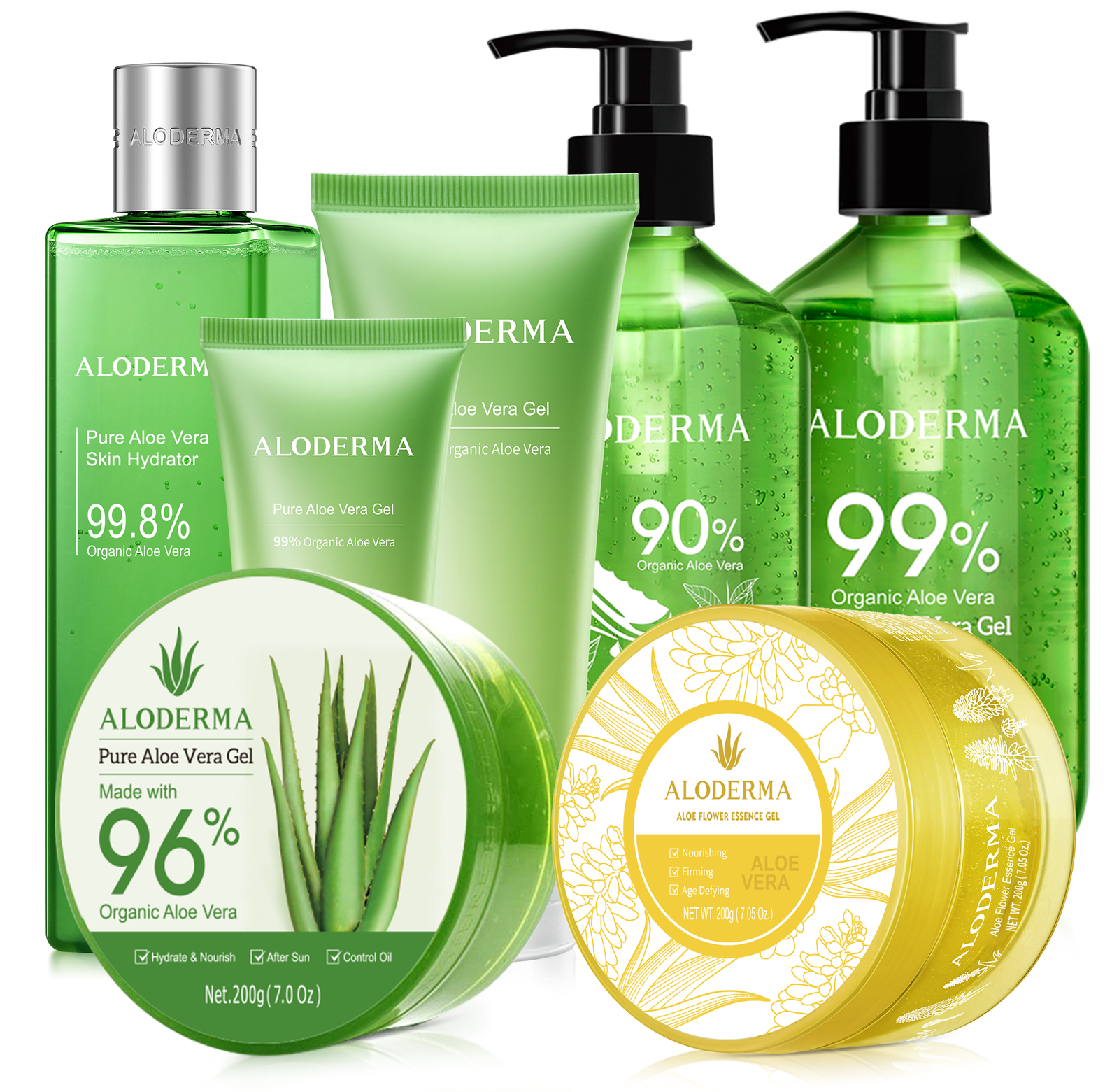
ALODERMA is a fully vertically integrated aloe vera company. It grows its own organic aloe vera and processes and manufactures onsite quickly after harvest, which helps preserve the bioactive aloe used as the primary ingredient across its formulas. For readers exploring cleanser options, one example is the Aloe Brightening Facial Cleanser, which uses papain as a gentle exfoliating enzyme in an aloe-based formula, and readers interested in aloe-focused routine building may also find this resource useful: aloe vera for sensitive skin.
What to look for if this approach appeals to you
Not every “gentle” cleanser is gentle in the same way. If you like the idea of acids or enzymes balanced by plant-based hydration, check for:
- Aloe high on the ingredient list
- A mild exfoliating partner, such as papain or a gentle acid
- A formula without unnecessary harshness
- A finish that leaves skin comfortable, not squeaky
This combination is particularly appealing if you have oily skin that still gets tight, or sensitive skin that needs texture help without a rough cleanse. For many people, that is the missing piece. They do not need stronger exfoliation. They need smarter support around it.
Frequently Asked Questions
A few routine questions come up again and again, especially from people who have been burned by exfoliation in the past. The answers are usually simpler than expected.
| Question | Answer |
|---|---|
| Can I use a gentle exfoliating cleanser every day? | Sometimes, yes. But daily use depends on your skin, the strength of the formula, and the rest of your routine. Start slowly and only increase if your skin stays comfortable. |
| Should my skin tingle when I use it? | A light, brief tingle can happen with some acid cleansers. Ongoing stinging, strong discomfort, or lingering tightness is a sign to rinse, reduce frequency, or switch formulas. |
| Is a cleanser enough exfoliation on its own? | For many people, yes. If your goals are smoother texture, fresher-looking skin, and cleaner-feeling pores, a gentle exfoliating cleanser may be all you need. You do not have to pile on extra peels or scrubs. |
A fourth question is worth mentioning too. Many readers ask whether natural ingredients can really belong in an exfoliating routine. They can. In fact, fresh aloe and fruit enzymes often make exfoliation feel more approachable because they soften the overall experience.
If you have sensitive skin, that emotional part matters. A product that works on paper but makes you dread washing your face is not the right fit. The best gentle exfoliating cleanser is the one that helps your skin look clearer while still feeling comfortable enough to use consistently.
If you want a skincare routine built around fresh, organic aloe vera rather than harsh shortcuts, explore ALODERMA. Their farm-to-skin approach, aloe-first formulas, and ingredient education make it easier to choose products that support gentle cleansing, hydration, and everyday comfort.