



The absolute best exfoliator for dry skin is always a gentle one. Think hydrating formulas that can lift away flakes without stripping away precious moisture. Instead of harsh, gritty scrubs, you should be looking for ingredients like Polyhydroxy Acids (PHAs), fruit enzymes, or silky-smooth biodegradable beads. These will help you uncover a brighter complexion while keeping your delicate moisture barrier happy and intact.
Why Exfoliating Dry Skin Unlocks a Healthy Glow

It’s one of the biggest frustrations for anyone with dry skin. You invest in rich, nourishing moisturizers, but they just seem to sit on top, never truly sinking in. You're left with that same tight, flaky feeling just a few hours later, wondering what went wrong.
Many people believe that exfoliating dry skin is a terrible idea—that it will only make things worse. But honestly, that’s a skincare myth that's holding so many people back from achieving the hydrated, comfortable skin they deserve.
The Barrier to Hydration
Think about trying to water a garden pot filled with dry, sun-baked soil. If the top layer is a hard, cracked crust, any water you pour on just pools on the surface or runs right off the sides. It never gets down to the thirsty roots below.
Your skin works in a very similar way. When dry, flaky skin cells build up, they create a very real barrier that stops your skincare from doing its job. Those beautiful serums and creams you're using can’t penetrate because they’re being blocked by a layer of old, lifeless cells. This is exactly why your skin can still feel thirsty, no matter how much moisturizer you apply.
Key Insight: Gentle exfoliation isn't about stripping your skin. It’s about clearing away the roadblock that prevents hydration from getting in. It’s the essential prep step that allows your skin to finally drink up all the moisture it’s been craving.
Using the right exfoliator for dry skin gently whisks away that barrier, revealing the fresh, new skin cells underneath that are ready to absorb nutrients. This process isn't about harsh scrubbing at all. It's a delicate act of renewal that paves the way for your hydrating ingredients to finally work their magic.
To help you remember the core concepts, here’s a quick summary of how to approach exfoliating your dry skin.
Exfoliating Dry Skin At a Glance
| Principle | Why It Matters for Dry Skin | Quick Tip |
|---|---|---|
| Go Gentle | Dry skin has a delicate barrier; harsh scrubs can cause discomfort. | Choose chemical exfoliants like PHAs or enzymes over gritty scrubs. |
| Focus on Hydration | The goal is to remove flakes to allow moisture in, not strip it away. | Look for exfoliants with hydrating ingredients like aloe or glycerin. |
| Less Is More | Over-exfoliating can lead to sensitivity, pinkness, and increased dryness. | Start with once a week and see how your skin responds before increasing. |
| Follow with Moisture | Freshly exfoliated skin is primed for absorption and needs immediate hydration. | Always apply a nourishing serum and moisturizer right after exfoliating. |
By keeping these principles in mind, you can turn exfoliation from a source of fear into your secret weapon for a glowing, hydrated complexion.
The ALODERMA Difference
What you do after you exfoliate is just as critical as the exfoliation itself, and this is where our philosophy at ALODERMA comes in. We are a fully vertically integrated aloe vera company, which means we grow all of our own organic aloe vera and we process our aloe vera and manufacture onsite within 12 hours of harvest. This isn't just a marketing slogan; it’s our promise that the primary ingredient found in every one of our products is the most bioactive and effective aloe vera possible.
Imagine the feeling of not just clearing away dullness, but immediately feeding your newly revealed skin with the purest, most potent aloe possible. This farm-to-skin commitment transforms a simple skincare step into a deeply hydrating ritual, connecting you directly to the source of your skin’s nourishment.
We're not the only ones noticing the shift. The global exfoliators market, valued at USD 7.5 billion in 2025, is on track to hit USD 15.7 billion by 2035. While physical scrubs have been popular, more and more people are now reaching for gentler options to avoid causing more dryness. You can read the full research on exfoliator market trends to see how the industry is changing.
Of course, great skin isn't just about what you put on it. Other wellness habits, like understanding the infrared sauna skin benefits, can also contribute to a healthy glow from the inside out.
In the sections ahead, we’ll dive into the specific types of gentle exfoliants to look for and show you how to build a routine that finally turns dry, dull skin into the soft, glowing complexion you’ve always wanted.
Gentle Versus Harsh Exfoliation Methods

Choosing an exfoliator for dry skin can feel a bit daunting. With so many products making so many promises, how do you know what your skin actually needs? To get it right, we first need to understand the two main families of exfoliation: physical and chemical.
Knowing the difference is your first step toward getting that soft, renewed glow without any of the tightness or irritation.
The Two Families of Exfoliation
Physical exfoliants are probably what you picture when someone says "face scrub." They rely on some kind of texture—like tiny grains or beads—to manually buff away lifeless skin cells through gentle friction.
Chemical exfoliants, on the other hand, work without any scrubbing at all. They use gentle acids or natural enzymes to dissolve the bonds holding lifeless skin cells to the surface, allowing them to simply rinse away. Think of it as a quiet, invisible cleanup crew for your complexion.
Why Harsh Scrubs Harm Dry Skin
For anyone with dry or delicate skin, reaching for the wrong scrub can cause more problems than it solves. Imagine taking a piece of sandpaper to a delicate silk scarf; you’d end up with snags, tears, and a weakened fabric.
Aggressive exfoliants made with large, jagged particles—like crushed nut shells or fruit pits—can create microscopic abrasions in the skin. This damages your skin’s already delicate moisture barrier, making it even more susceptible to dryness, pinkness, and sensitivity. It’s that raw, uncomfortable feeling we’ve all experienced after using a scrub that was just too much for our skin to handle.
The goal with dry skin isn't to aggressively sand down flakes, but to gently lift them away.
The Best Exfoliating Ingredients for Dry Skin
Now that we've talked about why gentle exfoliation is a must, let's get into the specifics. What ingredients actually make an exfoliator for dry skin a winner? Because not all exfoliating agents are created equal, especially when your complexion is practically begging for hydration. The secret to getting that smooth, bright surface—without the tight, uncomfortable aftermath—is all in the active ingredients.
It’s like picking the right tool for a delicate job. You wouldn’t use a power sander on a fine piece of antique furniture, would you? Your skin deserves that same thoughtful approach. It needs exfoliants with a much softer touch, ingredients that get the job done without being harsh.
The Hydrating Power of PHAs
One of the real standouts in the world of gentle exfoliation is the Polyhydroxy Acid, or PHA. You might see names like lactobionic acid and gluconolactone on ingredient lists. Think of them as the kinder, gentler cousins of the more famous Alpha Hydroxy Acids (AHAs).
The key difference is their molecular size. PHAs have a larger structure, which means they can't sink into your skin as deeply or as quickly. Instead, they stick to the surface, gently dissolving the bonds holding those dull, flaky cells in place. And here’s the best part: PHAs are also humectants, so they actively pull moisture into the skin. That makes them a dream come true for anyone with a dry complexion.
Gentle AHAs and Enzymes
While some AHAs are definitely too much for dry skin, certain types can be amazing when used in low concentrations. Lactic acid is a great example. Just like PHAs, it's a humectant that exfoliates while also boosting your skin's own natural moisture factors. When it's part of a well-made formula, it can smooth out texture and even your tone without stripping away precious hydration.
Natural enzymes, often from fruits like pineapple or papaya, are another fantastic choice. They have a really smart way of working: they only dissolve the non-living skin cells, leaving your healthy skin completely untouched. This targeted approach is incredibly gentle. In fact, enzyme-based exfoliants are seeing a 20% rise in popularity for dry skin, and for good reason—they can boost hydration by up to 28% compared to old-school scrubs. You can explore the growing demand for gentle exfoliants in the market research to see just how big this trend has become.
The Ultimate Ingredient: Fresh Organic Aloe Vera
While PHAs, gentle AHAs, and enzymes are doing the hard work of renewing your skin's surface, the ingredient that truly changes the game is the base of the formula. This is where fresh, organic aloe vera steps in as the hero your dry skin has been waiting for.
At ALODERMA, we’ve built our entire brand around a simple but powerful promise: farm-to-skin freshness. As a fully vertically integrated company, we grow all of our own organic aloe vera and process it onsite within 12 hours of harvest.
This farm-to-skin promise is everything. It ensures the aloe vera that serves as the primary ingredient in every single one of our products is at its absolute peak of biological activity, packed with the vitamins, minerals, and amino acids that deeply nourish and comfort the skin.
When you use an ALODERMA product, you’re not just exfoliating—you’re simultaneously delivering a powerful dose of pure, fresh hydration. This is what prevents that tight, stripped feeling that so often follows an exfoliation session. A perfect example is our Aloe Firming Toner, which combines gentle action with our signature fresh aloe. Its primary ingredient, fresh organic aloe vera juice, works alongside other fantastic hydrators to leave skin feeling plump and hydrated. This kind of synergy is what makes an exfoliator truly exceptional for dry skin.
Your Step-by-Step Guide to Exfoliating Dry Skin Safely
Knowing the right ingredients to look for is one thing, but actually using them is where you’ll start to see that glow. Exfoliating dry skin can feel like a tricky balance, but it's a simple art to master once you know the steps. It’s all about being gentle and giving your skin what it needs, when it needs it.
Think of it like caring for a delicate flower. You wouldn't hit it with a power washer; you’d give it a gentle mist. This guide will walk you through that same careful process for your complexion, so you can get all the rewards of exfoliation without the risk.
Start with a Clean, Calm Canvas
First things first: you always want to start with clean skin. This step removes makeup, oil, and any other surface grime so your exfoliator can work its magic properly. Critically, you need a cleanser that won't strip your skin and make it feel even drier.
Imagine washing your face and feeling that immediate sense of relief—your skin feels soft and comfortable, not tight or squeaky. That's the feeling you should aim for. Our Aloe Soothing & Moisturizing Cleanser is perfect for this. It’s made with fresh, organic aloe vera, which cleanses, soothes, and preps your skin right from the start.
The Gentle Art of Application
With your skin clean and still a little damp, it’s time to apply your exfoliator. A little goes a long way here—a pea-sized amount is all you need.
Using your fingertips, apply the product to your face and begin massaging it in with very light, circular motions. The key is light pressure. You want to let the product do the heavy lifting, not your hands. Aggressive scrubbing will only lead to discomfort. This gentle massage has the added benefit of boosting circulation, which contributes to that healthy glow we’re all after.
The Post-Exfoliation Hydration Ritual
After 30-60 seconds of gentle massage, rinse your face with lukewarm water. Hot water can be incredibly drying, so it's best to avoid it. Pat your skin dry with a soft towel, and get ready for the most important step of all: immediate hydration.
Right after you exfoliate, your skin is primed and ready to soak up whatever you apply next. Skipping this step is like tilling a garden and then forgetting to plant anything. To lock in moisture and feed those fresh new skin cells, you need to layer on your hydrating products right away.
Here’s a simple, powerful routine to follow:
-
Hydrating Serum: Start with a concentrated serum to drive moisture deep into the skin. Our Aloe Hydrating Serum is a fantastic choice, packing in fresh organic aloe to plump and firm things up.
-
Hydrating Cream: Follow it up with a richer moisturizer to seal in the serum and protect your skin’s barrier. The Aloe Hydrating Cream delivers lasting hydration, leaving your skin soft and dewy for hours.
Key Takeaway: The moments right after you exfoliate are a golden opportunity. By layering your skincare on immediately, you’re taking full advantage of your skin’s readiness to absorb nutrients, leading to a plump, glowing result instead of a dry, tight feeling.
At ALODERMA, we go to great lengths to make sure the aloe in every bottle is as potent as possible. This is how we capture nature’s full benefits for your skin.

This farm-to-skin promise is what sets our products apart. As a fully vertically integrated company, we grow our own organic aloe vera and process it onsite within 12 hours of harvest. We ensure the primary ingredient found in every one of our products is the most bioactive and effective aloe vera possible. This makes your post-exfoliation hydration ritual truly count.
How to Recognize and Soothe Over-Exfoliated Skin
We've all been there. You get a new exfoliator for dry skin, and it's working so well that you get a little carried away. An extra scrub here, one more application there, and suddenly your skin goes from glowing to genuinely angry. It’s a fine line to walk.
That feeling of panic when your skin feels tight and uncomfortable is something we know all too well. The good news is, there's a simple path back to calm, happy skin. The most important first step? Learning to read your skin's signals.
The Tell-Tale Signs of Overdoing It
Your skin has a very clear, if uncomfortable, way of telling you it needs a break. If you’ve gone too far with exfoliation, you’ll start to see a few specific signs. Spotting them early is your ticket to a quick recovery.
Here’s what to watch for:
-
A Tight, 'Squeaky' Feeling: Does your skin feel stretched and stiff after you wash it? That’s a big red flag. Healthy skin should feel comfortable and soft, never tight.
-
Unusual Surface Shininess: This isn't the dewy glow we're all after. It's more of a waxy, almost plastic-like sheen that happens when you've stripped the top layer of skin, making it look unnaturally smooth and reflective.
-
Increased Sensitivity: Your go-to moisturizer might suddenly sting. Your face might look a little flushed or pink. These are clear signs your skin’s protective barrier is compromised and overwhelmed.
Your Recovery and Soothing Action Plan
The moment you notice any of these signs, your game plan is straightforward: stop, simplify, and soothe. The first step is non-negotiable: stop using all exfoliants immediately. No acids, no scrubs, no exceptions. Your skin needs time to heal itself, and more exfoliation will only dig a deeper hole.
Next, it's time to pare your routine back to the absolute essentials. We're talking about the gentlest cleanser you have and a whole lot of calming hydration. This is precisely the kind of situation where ALODERMA’s aloe-first philosophy can be a real lifesaver.
Recovery Tip: When your skin is compromised, the simplest ingredients are often the most powerful. Pure, fresh aloe vera is nature's ultimate skin comforter, offering gentle hydration without complicated or potentially irritating extras.
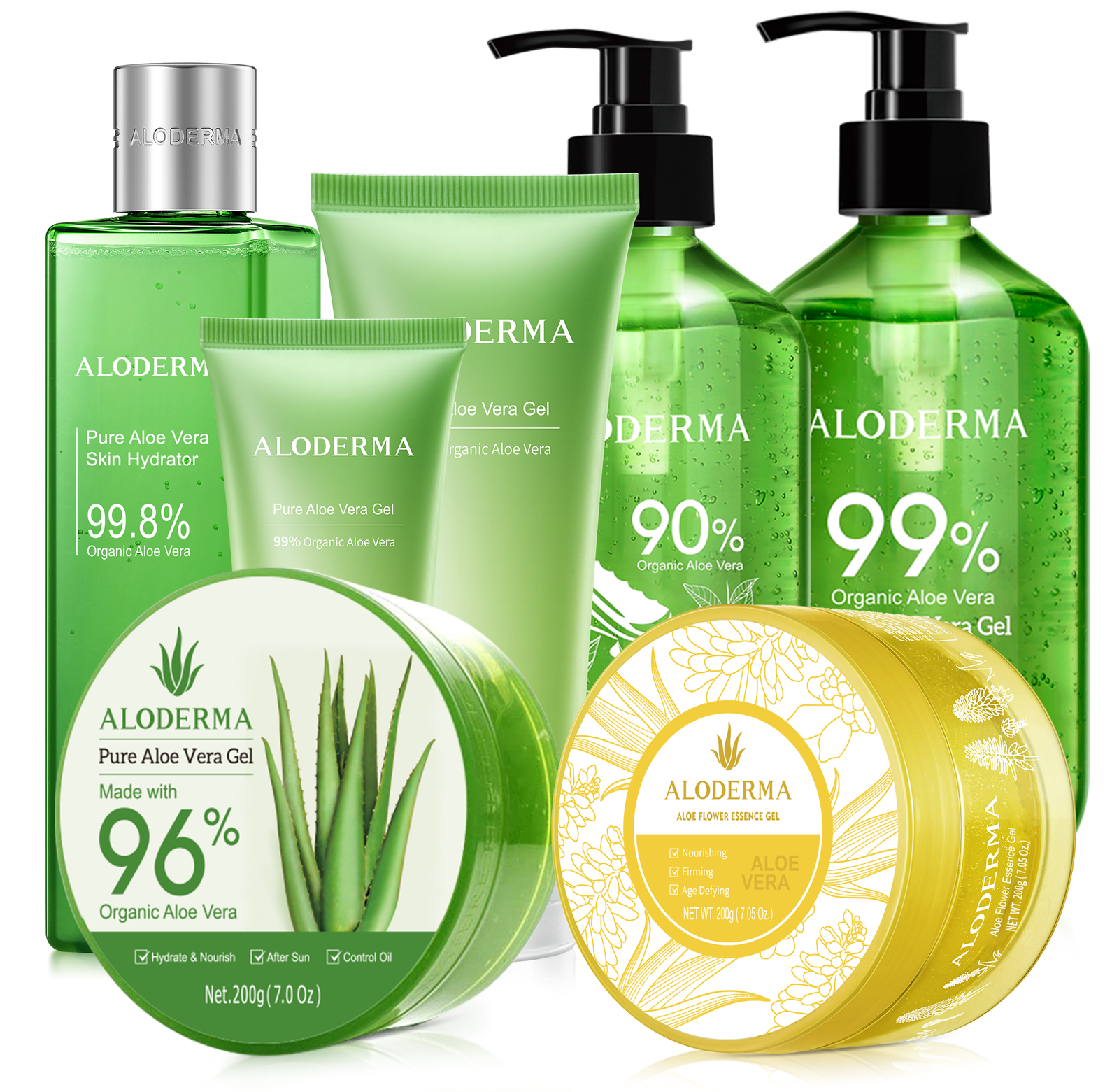
This is the perfect moment to reach for our 99% Pure Aloe Vera Gel. It's a true minimalist product, designed to deliver pure, unadulterated aloe hydration to calm and comfort reactive skin.
The secret to its gentle effectiveness is that Aloderma is a fully vertically integrated aloe vera company. We grow all of our own organic aloe vera and process it onsite within 12 hours of harvest to ensure the primary ingredient is the most bioactive and effective aloe vera possible.
This unique process ensures the aloe in our gel is as potent as possible. Its purity makes it the perfect gentle friend for skin that’s begging for a break, helping it feel soothed and replenished without any fuss. Once your skin feels back to its old self, you can think about slowly reintroducing your exfoliator. For more tips on calming things down, you can learn how to soothe irritated skin in our detailed guide.
Building a Complete Hydrating Skincare Routine
So, you've found the perfect gentle exfoliator. What now? Proper exfoliation is what truly preps the canvas, clearing the way for all your hydrating serums and creams to do their absolute best work. This is where we tie everything together into a complete, nourishing routine built around your chosen exfoliator for dry skin.
Think of your skincare products as a team. Each one has a specific job, but they're most effective when they work in harmony. When you pair gentle, consistent exfoliation with deep, aloe-powered hydration, you create a system that tackles dryness from every possible angle. It's how you get that plump, dewy glow that feels just as good as it looks.
Your Sample Hydrating Routine
To give you a clear picture of how this all comes together, here’s a sample morning and evening routine specifically designed to comfort and quench thirsty, dry skin. The name of the game is consistency and synergy, making sure your skin gets a steady stream of moisture day and night.
Morning Routine (AM)
Your morning goal is simple: cleanse, hydrate, and protect your skin from whatever the day throws at it.
-
Gentle Cleanse: Always start with a mild, moisturizing cleanser. You want to wash away any impurities from the night without stripping away your skin's precious oils.
-
Hydrating Serum: While your skin is still a little damp—this is key for absorption!—press in a few drops of the ALODERMA Aloe Firming Serum. It’s made with fresh, organic aloe, giving your skin a powerful first layer of pure moisture.
-
Seal It In: Now, lock in all that goodness with the ALODERMA Aloe Hydrating Cream. Its richer texture forms a protective barrier to keep your skin feeling soft and supple all day long.
Evening Routine (PM)
Nighttime is all about repair, renewal, and deep nourishment. This is when your exfoliator gets its moment to shine.
Key Insight: Exfoliating 1-2 times per week is the sweet spot for most dry skin types. It's enough to provide consistent renewal without ever overwhelming your skin's natural barrier.
On Exfoliation Nights (1-2x a Week):
-
After cleansing, use your chosen gentle exfoliator as directed.
-
Follow up immediately with a deeply hydrating treatment. For an extra boost of moisture, apply the Aloe Hydrating Moisturizer, a lightweight yet potent hydrator that sinks right in.
-
For a truly intensive weekly treat, you can swap the lotion for an Aloe Hydrating Sheet Mask. Let it sit for 15-20 minutes to completely infuse your freshly exfoliated skin with maximum nourishment.
On Non-Exfoliation Nights:
- Keep it simple: cleanse, apply your serum, and finish with your favorite moisturizer. Easy.
The Farm-to-Skin Difference in Every Step
This entire routine is supercharged by ALODERMA's unwavering commitment to freshness and purity. As a fully vertically integrated aloe vera company, we are unique in that we grow all of our own organic aloe vera and process it onsite within 12 hours of harvest.
This unique process ensures that the primary ingredient in every cleanser, serum, and cream is the most bioactive and potent aloe vera possible. When you build your routine around this principle, you're not just applying moisture; you're delivering potent, farm-fresh nourishment that makes a real, visible difference. If you'd like to dive deeper, our guide on how aloe vera helps dry skin offers even more helpful insights.
Your Exfoliation Questions Answered
It's natural to have a few questions before adding a new step to your routine, especially one like exfoliation. We get it. You want to feel completely confident you're doing what’s best for your skin.
So, we've gathered some of the most common questions we hear about using an exfoliator for dry skin. Here are our straightforward answers to help you find that hydrated, happy glow.
How Often Should I Use an Exfoliator for Dry Skin?
When it comes to dry and sensitive skin, "less is more" is always the golden rule. Think of exfoliation as a special treat, not a daily chore. We always recommend starting with just once a week.
Pay close attention to how your skin looks and feels the day after. If it’s soft, looks brighter, and doesn't feel tight, you might consider moving up to twice a week after a few weeks of success. But if you ever feel that "squeaky clean" tightness or see any new pinkness, that’s your skin telling you to take a break. Pull back immediately. Gentle renewal is what we're aiming for, never aggressive scrubbing.
Can I Use a Physical Scrub if I Have Dry Skin?
Yes, but—and this is a big but—you must be incredibly selective. The wrong kind of physical scrub can be your skin's worst nightmare. Stay far away from products with large, jagged, or sharp particles like crushed nut shells or fruit pits. These can create micro-abrasions and disturb your skin's delicate barrier. Instead, seek out physical exfoliants that use small, perfectly round, and biodegradable beads. These particles gently polish the skin without scratching it.
What Is the Most Important Step After Exfoliating?
Without a doubt, the most critical step is immediate hydration. Think of your freshly exfoliated skin like a thirsty sponge, perfectly prepped and ready to soak up moisture. Not giving it that drink is a huge missed opportunity that can leave your skin feeling vulnerable and parched.
The moment you rinse off your exfoliator is the prime time for absorption. Your skin is at its most receptive. We recommend layering hydrating products to replenish your skin and lock in all that goodness for a lasting glow. Start with a hydrating toner, like our Aloe Hydrating Toner, followed right away by a nourishing cream.
This one-two punch of hydration, powered by fresh aloe processed within 12 hours of harvest, ensures your newly revealed skin is comforted, plump, and radiant. This simple post-exfoliation ritual is what separates a good experience from a truly great one.