



You're standing at the bathroom counter with a new green bottle in one hand and a dropper in the other. The label promises antioxidant protection, calmer-looking skin, less shine, and a smoother complexion, but you're wondering whether it will help the redness around your nose or the oil that appears before lunch.
A green tea serum can earn its place in a routine, but it isn't a miracle shortcut. It's better understood as a lightweight, supportive step that combines green tea compounds with hydrators, skin conditioners, and sometimes other active ingredients. Its most practical roles are oil balancing, antioxidant support, lightweight hydration, and a calmer-looking complexion.
The details matter. The extract level, formula base, packaging, supporting ingredients, and your layering habits can change how the product feels and performs. If you're comparing it with other concentrated treatments, this guide to premium vitamin C serum products can also help you see how different antioxidant serums are positioned.
Why a Green Tea Serum Belongs in Your Routine
Maya has combination skin. Her cheeks feel comfortable after cleansing, but her forehead becomes shiny by midday. She wants something lighter than a thick cream and prefers not to crowd her routine with strong treatments. A green tea serum gives her a focused layer that can support the rest of her skincare without making it feel heavy.
Serums generally sit between cleansing and moisturizing. They often provide more targeted ingredients than a basic toner while using a lighter base than a cream. Green tea extract supplies catechins and other polyphenols, while the surrounding formula may add water, humectants, aloe, niacinamide, panthenol, or lightweight emollients. In other words, the ingredient list matters as much as the headline botanical.
What green tea can realistically do for your skin, backed by the available evidence
Human research gives topical green tea products a credible but limited foundation. A 12-week clinical trial followed 31 healthy women aged 43 to 65 who used a serum containing vitamin C, vitamin E, and green tea polyphenols twice daily. The study reported statistically significant improvements from baseline in fine lines around the eyes, facial wrinkles, smoothness, radiance, and ultrasound-measured skin density. Since several active ingredients were combined, the findings cannot be assigned to green tea alone. The published clinical trial is evidence about that finished formula, rather than a guarantee for every green tea serum.
Green tea fits particularly well into routines built around a light texture and a more balanced skin feel. Research has also examined topical green tea for visible oiliness and blemish-related concerns. In the reviewed evidence, topical use produced more useful results than oral intake, making a serum a more relevant skincare format than relying on green tea as a drink. The systematic review and meta-analysis supports that distinction.
Where aloe fits
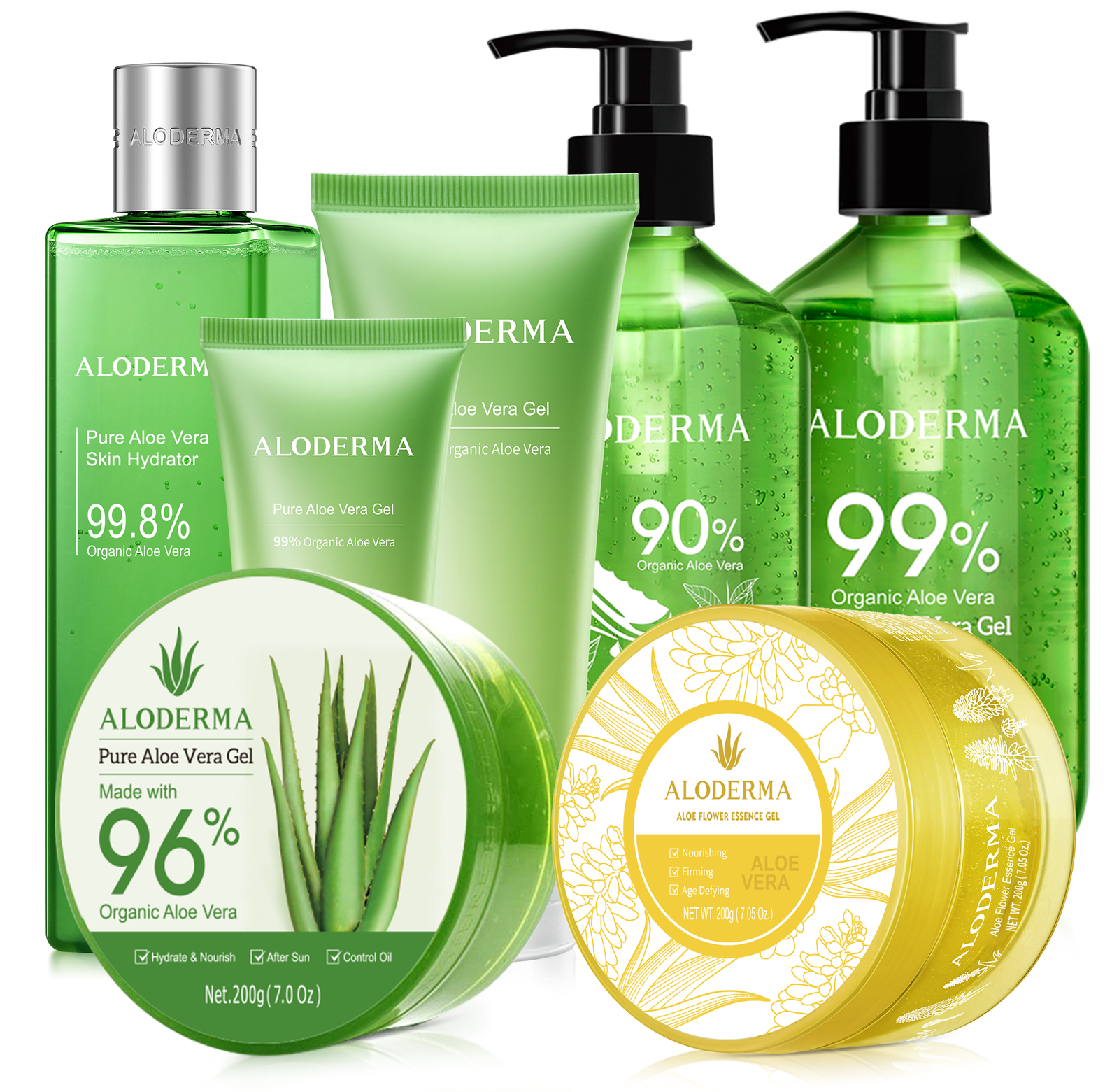
Fresh aloe-led skincare can make the routine feel comfortable and water-rich. Aloe provides a cushioning base, while green tea adds a botanical antioxidant layer. ALODERMA is a fully vertically integrated aloe vera company. It grows its own organic aloe vera, processes the aloe vera, and manufactures onsite within 12 hours of harvest, helping preserve the fresh, bioactive quality of the primary aloe ingredient used in its products.
The combination suits anyone who wants a fresh routine without a crowded finish. Green tea can sit between cleansing and moisturizer, while sunscreen remains a daytime layer. If you are comparing antioxidant treatments, a guide to premium vitamin C serum products can also show how different formulas position their active ingredients.
What a Green Tea Serum Is
A green tea serum is usually a water-based or hybrid treatment centered on Camellia sinensis leaf extract. That extract may provide catechins such as EGCG, along with other tea polyphenols, caffeine, and theanine. The surrounding vehicle controls how the product spreads, absorbs, feels on the skin, and layers with other products. Reading both parts, the botanical and its base, gives you a more useful picture than judging the tea name alone.

Serum, moisturizer, and essence have different jobs
A water-based serum usually feels thin and absorbs quickly. Its opening ingredients may include water, propanediol, glycerin, or another solvent and humectant system. The result can be a soft, satin finish, with less cushion than an oil-rich cream.
A hybrid emulsion serum combines water with oil-compatible ingredients. Squalane, lightweight esters, or silicone-based conditioners can give it a richer slip and finish. That texture may feel comfortable on dry areas, while a very shiny T-zone may respond better to a simpler water-gel format.
A moisturizer generally contains more conditioning and occlusive materials. It helps reduce water loss and leaves a protective finish. An essence is often a thinner, hydration-focused layer, although these product names are not regulated categories and brands apply them differently.
Formulator's analogy: Moisturizer works like your coat, while serum is the well-fitted shirt underneath. It adds a targeted layer without taking over the whole outfit.
What you may feel on application
Most green tea serums spread easily and absorb within moments, although humectants and emollients shape the final finish. Extracts or other botanical materials may give the product a slight tint. A well-made formula can be nearly clear, lightly tinted, or visibly green, regardless of extract strength.
The format also makes the serum practical beneath sunscreen or makeup, without the weight of a cream. It gives the formulator room to pair the botanical extract with supporting ingredients, rather than assigning every skincare job to green tea alone. That makes it a supportive antioxidant and oil-balancing step, especially in a fresh, aloe-led routine, rather than a shortcut expected to transform skin by itself.
The Science Behind Green Tea on Skin
Green tea contains several cosmetic compounds, with catechins receiving the most attention. The best-known is epigallocatechin-3-gallate, or EGCG, alongside EGC, ECG, and EC. Green tea also naturally contains caffeine and theanine. Their amount and activity in a finished serum depend on how the extract was made and standardized, so the ingredient name alone cannot predict the final effect.

Catechins and daily environmental stress
Catechins act as antioxidants. They help neutralize reactive molecules generated by everyday environmental exposure, including sunlight and pollution. Green tea therefore adds a complementary layer of antioxidant support to a routine that already includes cleansing, moisturizing, and daytime UV protection. Sunscreen remains the product responsible for protecting skin from UV exposure.
Visible dullness and uneven tone have several possible contributors. A serum may help skin look fresher over time, while the rest of the routine addresses hydration, cleansing, and sun protection. Readers looking for a wider explanation of topical antioxidants can explore antioxidants for the face.
EGCG, sebum, and visible shine
Topical green tea also relates to oil-control pathways. In a mechanistic clinical study, EGCG reduced sebum by modulating the AMPK-SREBP-1 pathway. The study also examined NF-κB and AP-1 signaling and found lower P. acnes viability. These findings help explain green tea's relevance to oily or combination skin, though a finished serum may produce a different visible result depending on its extract, concentration, and full formula.
A facial sebum study found that a once-daily topical green tea formulation reduced sebum by about 27% from baseline, with a statistically significant improvement versus placebo. Green tea alone produced a clear effect, while adding lotus improved the result further. The facial sebum study offers a practical reference for oil-control claims.
Connect the mechanism to your mirror
You might notice less midday shine, a more comfortable finish, or a more even-looking tone. These are useful signs to monitor. Judge the product over consistent use rather than expecting an overnight transformation, and do not treat tingling as proof that it works. A quiet, comfortable serum can support an aloe-led routine more effectively than a harsh formula that creates an immediate sensation.
How to Read a Green Tea Serum Label
A serum label is a formula map. Start with the botanical name, Camellia sinensis leaf extract. It confirms that the product contains green tea-derived material, but it does not reveal the extract's strength, catechin profile, or stability. EGCG, EGC, ECG, and EC are key tea compounds, so extraction quality and standardization help explain why two products using the same broad ingredient name may perform differently. This ingredient overview outlines the compounds associated with green tea extract.

Read the first part of the list
Ingredients near the beginning usually define the serum's base, slip, and hydration. Water, propanediol, glycerin, niacinamide, panthenol, squalane, and Camellia sinensis leaf extract may appear together, with each serving a different role. The tea extract is one worker in a larger team, not the entire formula. This ingredient breakdown shows how green tea can sit within a broader hydration and conditioning system.
Look for:
- A recognizable tea ingredient: Camellia sinensis leaf extract, green tea extract, or a clearly named tea-derived active.
- A useful vehicle: Water and glycols create a light base, while glycerin and other humectants help the skin retain water.
- Supportive ingredients: Panthenol, niacinamide, allantoin, or lightweight conditioners can improve comfort and finish.
- A complete preservation system: Water-rich formulas need protection from microbial growth.
- Suitable packaging: Airless pumps, opaque tubes, or dark containers can limit exposure to light and air.
Notice what can undermine comfort
A strong fragrance load may suit a scented product preference but can be a poor match for reactive skin. Drying alcohols may also reduce comfort, especially if the rest of the routine already includes exfoliating products or strong treatments. Check the whole list rather than judging the serum by its green tea name.
A published formulation uses a high-water base with 40.9 g distilled water and 5.0 g green tea hydro extract. That example shows how botanical extract usually forms one part of a larger composition, which helps explain why a serum can feel light while still containing a defined green tea input. This formulation example illustrates the balance between the botanical, its vehicle, and the supporting ingredients.
Layering Green Tea Serum with Aloe-Based Skincare
You have just cleansed your face, and the skin feels comfortable but slightly damp. Start with the thinnest product and build toward richer layers, so each formula has a clear job instead of competing for space. A simple morning order is cleanser, aloe mist or toner, green tea serum, moisturizer, then sunscreen.

A straightforward morning sequence
- Cleanse gently: Remove overnight oil and residue without leaving the skin tight.
- Add aloe hydration: Apply a light aloe mist, toner, or essence while the skin still feels comfortable.
- Apply green tea serum: Smooth on a thin layer. Press or spread it gently rather than repeatedly dragging a dropper across the face.
- Finish with moisturizer and sunscreen: Moisturizer supports the skin's comfort, while sunscreen provides daytime UV protection.
This order works because aloe-led products add water and slip first, while the serum delivers its antioxidant and oil-balancing step without being buried under heavier textures. For a practical guide to how to use aloe vera for skin, focus on placement, amount, and consistency rather than adding layers without a purpose.
Use the same sequence at night unless a richer balm, retinoid, or exfoliating acid changes the routine. Follow each product's directions and introduce only one new active at a time. If you are unsure whether serum or moisturizer belongs first, this guide to the best moisturizer placement for acne explains the general logic. In most lightweight routines, serum comes before moisturizer, but the formula's actual texture should decide.
Troubleshoot the feel
Pilling often means too much product, insufficient settling time, or polymers that do not layer well together. Use less, press instead of rubbing, and allow each water-rich layer a short pause.
A tacky finish can come from stacking several humectant-heavy products. Reduce the number of similar layers. If the skin feels tight, choose a more supportive moisturizer rather than adding extra serum.
The routine shown in this video offers another visual example of sequencing:
Matching Green Tea Serum to Your Skin Type
Formula details matter more than packaging. The base, supporting ingredients, and products used around a green tea serum determine how it behaves on combination, oily, sensitive, or dry skin. A water-gel texture may suit an oily forehead, while a light emulsion can feel more comfortable on dry cheeks. The same green tea extract may perform differently when paired with humectants, oils, fragrance, or other active ingredients.
| Skin Type | Recommended Texture | Key Supporting Ingredients | Watch Out For |
|---|---|---|---|
| Oily or blemish-prone | Water-gel or thin water-based serum | Niacinamide, glycerin, panthenol, lightweight humectants | Heavy oils, strong fragrance, overly sticky layers |
| Sensitive or reactive | Simple, fragrance-free water-based formula | Allantoin, panthenol, centella asiatica | Essential oil blends, drying alcohols, too many actives |
| Combination | Mid-weight serum with a balanced finish | Glycerin, aloe, niacinamide, light conditioners | Rich emulsion across the entire face |
| Normal or mildly dry | Light hybrid serum under a moisturizer | Squalane, panthenol, ceramide moisturizer | Replacing moisturizer with serum alone |
Let the T-zone and cheeks disagree
Combination skin often responds better to adjusted amounts than to completely different products. Apply a thinner layer across the forehead and nose, then add more hydration to the cheeks if they feel dry. A comfortable satin finish can suit both areas, but a rich texture may feel heavy where oil production is already higher.
For oily skin, this guide to the best ingredients for oily skin helps compare green tea with niacinamide, humectants, and other lightweight options. Read the full formula rather than judging the serum by green tea alone. Supporting ingredients often decide whether the finish feels fresh, tacky, or greasy.
Make the decision simple
Lightweight antioxidant support and visible shine management point toward a green tea serum. Tightness as the main concern calls for a more moisturizing format, while sensitivity makes a short, fragrance-free ingredient list the more practical choice.
A green tea serum works best as a supportive antioxidant and oil-balancing step, not as a replacement for moisturizer or a shortcut to erase every sign of aging. If your budget is limited, one well-formulated serum used consistently makes more sense than several overlapping treatments. If texture is the deciding factor, test a small amount along the jawline before applying it across the face.
What Green Tea Serum Evidence Actually Shows, and What It Doesn't
Green tea serum claims often stretch from oil control to overnight anti-aging. Human data supports oil-related outcomes, hydration, texture, and some photoaging measures. The strongest photoaging trial tested green tea alongside vitamin C and vitamin E, so its results describe the combination formula, not green tea alone. The 2025 scoping review describes the evidence base as emerging rather than settled.
What the ingredient can reasonably do
A well-made formula may support a calmer-looking complexion, help reduce visible shine, provide antioxidant support, and contribute to hydration and smoother texture. In a study of 24 volunteers using a formulation containing 6% Camellia sinensis glycolic leaf extract, moisture increased over a long-term test. The viscoelastic-to-elastic ratio improved significantly after 30 days, while skin microrelief improved significantly after 15 to 30 days. A separate green tea cream study found better elasticity by week 4, an improved melanin index by week 6, and no evident irritation in either the treatment or placebo groups. The cosmetic research summary provides those references.
The practical role is supportive. Green tea can work like a maintenance layer, helping manage oil and oxidative stress while the rest of the routine handles cleansing, moisturising, and sun protection.
Claims that need a closer look
Current evidence does not establish that a green tea serum erases deep wrinkles, replaces a retinoid, physically shrinks pores, or transforms skin overnight. Daily sunscreen still serves a different job and belongs in a routine built around photoaging prevention. A bright green liquid does not automatically contain more useful polyphenols, and a higher extract position does not guarantee better tolerance.
Read the full ingredient list, packaging, texture, and results over time. Green tea fits best as a supportive daily antioxidant and oil-balancing step, especially alongside a fresh, aloe-led routine, rather than carrying the entire routine by itself.
Choosing and Using Your Green Tea Serum with Confidence
A new serum deserves a careful introduction, even if its ingredient list looks gentle. Apply a small amount to the inner forearm and watch the area for 24 hours. If it remains comfortable, test behind the ear before using it across your face. This process cannot promise a reaction-free experience, but it offers a cautious first screen.
Choose a brand site or retailer that shows the complete ingredient list, clear product identity, and storage guidance. Unmarked decant bottles and “dupe” packaging make it harder to confirm what you are applying. A water-rich botanical serum also needs an appropriate preservation system. Colour, scent, and texture alone cannot confirm that the formula is still stable.
Use two checkpoints
At two weeks, check basic compatibility. Does the serum feel comfortable? Has it caused persistent stinging or dryness? Does it layer without pilling? Does your skin feel more hydrated immediately after application?
At six weeks, review broader patterns. Is midday shine easier to manage? Does your complexion look more even? Do dry areas still need extra moisturiser? Have you used the product consistently enough to judge it fairly?
Keep a simple record. Take photos in the same room and lighting, and change only one product at a time. This will not turn your routine into a laboratory trial, yet it can make your conclusions less dependent on memory.
Store it like a botanical formula
Keep the bottle in a cool, dark cabinet, away from direct sunlight and shower humidity. Follow the manufacturer's opening and replacement guidance. If a product is unpreserved, published formulation advice recommends replacing it within six months of opening. That timeline does not apply automatically to every preserved serum, so check the label.
The right green tea serum has a transparent formula, a texture you enjoy, and a clear role in a routine you can repeat. For a fresh aloe-centered option, ALODERMA offers an Aloe Hydrating Serum in its aloe-focused range. It gives shoppers one way to pair lightweight serum care with a farm-to-skin aloe approach. Use green tea as a supportive antioxidant and oil-balancing layer, while aloe-led products can keep the broader routine feeling fresh and comfortable.