



You're probably here because you've stood in front of a bathroom mirror, holding a serum that promises to “fight free radicals,” and thought: What does that even mean, and why did the last one make my skin feel off?
That confusion is normal. “Antioxidant” sounds scientific, but in real life it comes down to a simple question. Will this product help your skin look brighter, smoother, and more comfortable, or will it leave you with extra dryness, visible reactivity, or a shiny bottle of regret?
The tricky part is that antioxidants for face care can be helpful, but not every formula is easy for every skin type. If your skin is sensitive, oily, or prone to visible blemishes, the ingredient itself is only half the story. The way it's formulated matters just as much.
Think of this as the kind of conversation you'd have with an esthetician who likes ingredient lists, respects skin barriers, and knows that gentle skincare usually works better than aggressive skincare. Let's make antioxidants easier to understand, and easier to use well.
Your Guide to Skin-Protecting Antioxidants
A client once told me she had three antioxidant serums on her sink and no idea which one to use. One said “brightening.” One said “firming.” One said “protective.” She was using all three, her skin felt unsettled, and she assumed antioxidants just weren't for her.
Usually, that's not the primary concern. The problem is that skincare shelves make antioxidants sound like magic when they are daily support ingredients. They help your skin deal with the stress of ordinary life, especially sun exposure, city air, heat, and all the little things that can leave your face looking dull or uneven.
If you've ever noticed your skin looks different after a long day outside or after a week of poor sleep, you've already seen why antioxidants matter. They're less about instant drama and more about helping skin stay balanced and resilient over time.
Antioxidants make the most sense when you stop thinking of them as trendy actives and start thinking of them as everyday protectors.
That's also why the “strongest” serum isn't always the smartest one. For many people, especially those with reactive or oily skin, a gentler formula gives better visible results because they can use it consistently.
The goal isn't to own the most talked-about bottle. The goal is to find antioxidants for face care that your skin will tolerate and that fit into a routine you'll keep.
What Are Antioxidants and Why Your Face Needs Them
From your walk to the car to the sunlight coming through your office window, your face is in contact with stress all day. Pollution, UV exposure, heat, and even lack of sleep can lead to free radicals, unstable molecules that can disrupt the calm, balanced state your skin is trying to maintain.
Free radicals behave a bit like tiny sparks hitting fabric. One may do very little. A steady stream is different. Over time, that stress can show up as dullness, uneven tone, rougher texture, and skin that seems to lose its fresh, rested look faster than it used to.
Antioxidants help stop that chain reaction. They donate support to unstable molecules before those molecules start pulling from healthy skin structures. In plain language, they help your skin stay more comfortable and look more even under daily pressure.

The simple science behind the buzzword
If “oxidative stress” sounds overly technical, here is the easier version. Free radicals are reactive. Antioxidants calm that reactivity before it spreads.
That matters most on the face because facial skin gets repeated exposure every single day. You may not notice the effect after one afternoon outside, but skin often reflects that stress gradually through reduced radiance, more visible discoloration, or a less smooth surface.
A helpful way to judge antioxidant care is to look at visible results, not marketing claims. Good antioxidant support should help skin look brighter, feel less stressed, and tolerate your routine well enough for regular use.
Why facial skin needs the right kind of antioxidant support
Your face is usually the most exposed skin on your body, and it is also where people tend to notice changes first. That is why antioxidants are so useful in facial care, especially alongside sunscreen.
Vitamin C is one of the best-known examples because it supports brighter-looking skin and helps defend against visible effects of environmental exposure. If you want a closer look at how this ingredient works, Aloderma's guide to ascorbic acid vitamin C in skincare explains its role clearly.
Still, there is an important detail people often miss. An antioxidant is only helpful if the formula stays stable and your skin can tolerate it. Many popular serums rely on highly acidic bases or fast-oxidizing ingredients, which can be a poor match for sensitive, oily, or blemish-prone skin. Instead of looking calmer and clearer, skin may end up flushed, tight, or more reactive.
This is why formulation matters as much as the ingredient name on the label. A gentler, well-made antioxidant serum, especially one built around soothing ingredients like aloe, often gives better real-world results because skin is more likely to accept it consistently. If you are also comparing support ingredients, this article on exploring Vitamin E and acne offers useful context.
Practical rule: Sunscreen helps reduce incoming stress. Antioxidants help your skin handle the stress that still reaches it.
For everyday face care, that combination makes sense. The goal is not the strongest formula on the shelf. The goal is stable, gentle antioxidant support your skin can use day after day.
A Guide to Top Antioxidant Ingredients for Skin
You buy an antioxidant serum hoping for glow, then end up wondering why your skin looks red, shiny, or unsettled. A lot of that confusion starts here, with ingredient lists that sound impressive but do not explain what each antioxidant does, or whether the formula is gentle enough to use consistently.

Different antioxidants help in different ways. Some are better known for brightening. Some help support the skin barrier. Some do their best work by protecting other antioxidants inside the formula, which matters more than many people realize if your skin is sensitive, oily, or blemish-prone.
Vitamin C for brightness and firmer-looking skin
Vitamin C is often the first antioxidant people recognize because it is closely tied to brighter-looking skin and collagen support. On the face, it is commonly used to help soften the look of uneven tone and signs of sun exposure over time.
It also comes with a catch. Pure ascorbic acid can be hard to formulate well. If the base is too acidic or the ingredient oxidizes quickly, a vitamin C serum may feel harsh long before you finish the bottle. That is why the ingredient name alone does not tell you whether a product is a good fit.
If you want a closer look at forms, function, and how to read this ingredient on a label, Aloderma's guide to ascorbic acid vitamin C in skincare is a helpful reference.
Vitamin E for backup support
Vitamin E often works like a bodyguard for the formula and for your skin's surface oils. Research published in the Journal of Clinical and Aesthetic Dermatology explains that topical vitamin C and vitamin E can support each other, which is one reason they are often paired in antioxidant serums.
That pairing can be useful for skin that feels dry, exposed, or easily stressed. For oily or breakout-prone skin, the formula texture matters just as much as the ingredient itself. Heavy, greasy vitamin E products can feel suffocating, while lighter, well-balanced formulas are usually easier to live with. If you want more context on that topic, this article on exploring Vitamin E and acne adds useful detail.
Ferulic acid for stability
Ferulic acid is not usually the ingredient people shop for first, but it plays an important supporting role. A simple way to understand it is this: some antioxidants are star players, and some help keep the team organized. Ferulic acid is often included because it helps improve the stability of other antioxidants, especially vitamins C and E, according to a review in the Journal of Clinical and Aesthetic Dermatology.
For reactive skin, that matters. A more stable formula is often a more predictable formula, and predictability is a big part of keeping skin calm.
Niacinamide for tone, texture, and barrier support
Niacinamide is one of the friendliest antioxidants for people who do not get along with strong, stingy serums. The Cleveland Clinic notes that niacinamide can help reduce the look of discoloration, support the skin barrier, and improve the appearance of enlarged pores and fine lines.
It is often a smart starting point for oily or blemish-prone skin because it tends to be easier to tolerate than highly acidic antioxidants. If your face gets shiny and dehydrated at the same time, niacinamide can make more sense than chasing a very strong vitamin C serum that leaves skin tight and irritated.
Green tea and resveratrol for stressed-looking skin
Green tea is popular for a reason. Its polyphenols, especially EGCG, are widely studied for helping defend skin against visible stress caused by UV exposure and pollution. The American Academy of Dermatology has also noted that plant antioxidants such as those found in green tea can support skin exposed to environmental stressors.
Green tea is often a good match for skin that gets flushed easily or looks aggravated by heat, sun, or city air. In aloe-based formulas, it can feel especially comfortable because the soothing base helps offset the sharp, active feel that some antioxidant serums have.
Resveratrol is another option worth knowing. A review in Frontiers in Pharmacology describes it as a topical antioxidant with photoprotective potential and possible benefits for the look of texture and elasticity with regular use. It is usually less of a headline ingredient, but it can be a thoughtful choice in formulas built for long-term maintenance rather than fast, aggressive results.
Good antioxidant skincare usually comes from a well-formulated combination your skin can tolerate, not the strongest single ingredient on the label.
Here's a quick comparison:
| Ingredient | What it's known for | Who might like it |
|---|---|---|
| Vitamin C | Brighter tone, collagen support, help with visible sun-related aging | Dull or uneven-looking skin |
| Vitamin E | Supports skin's surface lipids and works well with vitamin C | Dry-feeling or environmentally stressed skin |
| Ferulic Acid | Helps improve antioxidant stability | Anyone comparing vitamin C or E serums |
| Niacinamide | Tone, texture, pore appearance, barrier support | Sensitive, oily, or blemish-prone skin |
| Green Tea | Helps calm the look of visible stress and redness | Easily flushed or reactive skin |
| Resveratrol | Long-term support for skin quality and photoprotection | People focused on maintenance and prevention |
The Stability Problem Why Some Antioxidants Irritate Skin
This is the part many articles skip. A serum can contain a great antioxidant and still be the wrong product for your skin.
The biggest reason is stability. Some antioxidants, especially pure forms of vitamin C, are known for being difficult to keep stable. Once they start oxidizing, the experience on skin can change. The texture may feel harsher, the formula may become less reliable, and reactive skin may start showing visible signs of stress instead of glow.
That's why someone can say, “I tried antioxidants and my skin hated them,” when the actual issue was the formula, not the whole category.
Why strong isn't always better
There's a common assumption that a more intense product must be more effective. In practice, that often backfires.
For sensitive skin, formulation is critical. Ulta's antioxidant skincare guidance notes that unstable antioxidants can oxidize rapidly, which may trigger visible signs of sensitization or worsen the look of blemishes. The same guidance points toward gentle, aloe-based antioxidant systems that avoid harsh additives as a preferred option for reactive skin.
That's especially relevant if your skin is oily. Oily skin is often treated as if it can handle anything. But skin can be oily and still be reactive, easily dehydrated, or quick to show redness.
What to watch for instead
When people shop for antioxidants for face use, I suggest looking beyond the hero ingredient and asking three questions:
- Is the formula buffered by supportive ingredients? A skin-friendly base can make a big difference in comfort.
- Does it avoid harsh extras? Some products create more problems through the full formula than through the antioxidant itself.
- Will you want to use it every day? Consistency matters more than owning the strongest bottle on the shelf.
If a serum gives you a “tight, hot, stingy” feeling, don't assume that means it's working. Often, it means your skin would prefer a better-balanced formula.
Fresh aloe-based formulations stand out. They help create a softer landing for active ingredients, which can make antioxidant care more usable for people who've given up after bad past experiences.
How to Build Your Antioxidant Skincare Routine
A good antioxidant routine should feel steady, not complicated. If your skin is sensitive, oily, or prone to visible blemishes, the goal is to layer products in a way that supports comfort first and activity second.
A simple morning order
This sequence often works well:
- Cleanse with a gentle face wash that doesn't leave your skin feeling stripped.
- Tone or prep if you use a hydrating toner or essence.
- Apply your antioxidant serum to clean, slightly damp or dry skin, depending on the formula directions.
- Moisturize to help seal in hydration and support comfort.
- Finish with sunscreen every morning.
If you like reading broader routine advice, this piece on discover vital skincare routines is a useful companion to the basics.
For a step-by-step framework, Aloderma also shares a practical guide on how to build a skincare routine.
Why the base formula matters so much
A lot of people focus only on the active. Estheticians learn quickly that the base matters just as much.
Aloderma is a fully vertically integrated aloe vera company. It grows all of its own organic aloe vera and processes its aloe vera and manufactures onsite within 12 hours of harvest to help ensure the primary ingredient found in every product is as bioactive and effective as possible, as described on the brand's story page. That timing matters because fresh aloe vera can lose potency with air exposure and time delays.
For someone using antioxidants, that kind of fresh aloe base can be useful because it gives the formula a hydrating, skin-comforting foundation instead of pairing active ingredients with a harsher vehicle.
Skin type tweaks that make a difference
Your routine doesn't need a full reset. It usually just needs a few adjustments.
- If your skin is oily: Choose lightweight layers. A thin antioxidant serum under a gel-cream or light lotion often feels better than a rich cream stack.
- If your skin is sensitive: Start with fewer actives overall. Let your antioxidant serum be the main treatment step.
- If your skin feels dry or tight: Apply moisturizer promptly after your serum so the routine feels cushioning, not bare.
One product example that fits this conversation is Aloderma Skin Brightening Serum with Vitamin C. It combines antioxidant-focused care with an aloe-based formula, which may appeal to people who want a gentler way to add vitamin C to a daily routine.
A short visual walkthrough can help if you're more of a see-it-than-read-it person:
Keep your routine calm and repeatable
The best routine is one you can stick with for months, not one that feels exciting for three days.
If your skin starts looking shinier, rougher, or more visibly reactive after adding an antioxidant, simplify. Pull back the extra actives. Keep the antioxidant only if the formula feels comfortable. If it doesn't, switch to a gentler option rather than forcing it.
Choosing the Right Antioxidant Product for You
A smart product choice starts with the full ingredient list, not the front label. “Vitamin C serum” tells you one thing. The rest of the formula tells you whether that serum is likely to feel elegant, sticky, drying, or reactive on your skin.

What to check on the label
If you're shopping for antioxidants for face products, use this checklist:
- Look at the base first. A hydrating, soothing base often makes an antioxidant more usable.
- Check for unnecessary harsh additives. If your skin is easily bothered, simple formulas usually win.
- Think about the whole formula. Vitamin C alone doesn't tell you how a product will behave on your skin.
- Match texture to skin type. Oily skin often prefers fluids and gels. Drier skin may like creams or lotion-serums.
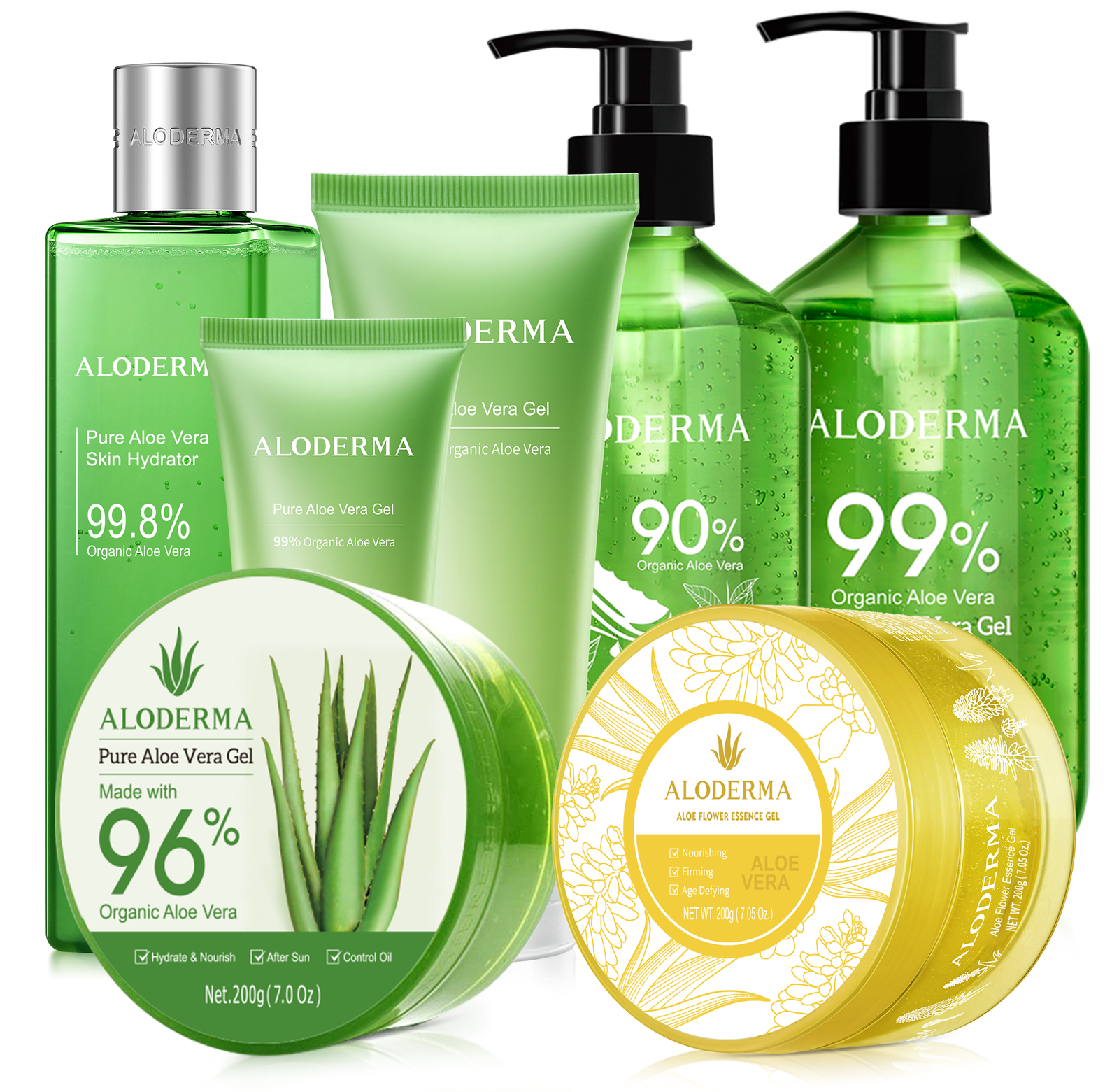
According to Aloderma's Pure Aloe Vera Gel product details, the brand's formulas range from 65% up to 99.8% organic ingredients and exclude SD alcohol, aloe powders, parabens, and phthalates to maintain purity and support the bioactivity of the fresh aloe vera base.
That matters because purity isn't just a branding word. It affects how a formula feels, especially when your skin is already picky.
One useful way to compare products
When readers want help narrowing choices, I often suggest they compare products in pairs instead of trying to judge ten at once. A detailed resource like this complete UK anti-ageing serum guide can be useful for understanding how different serum categories are positioned, even if your final choice comes down to tolerance more than marketing claims.
You can also learn more about one common supporting antioxidant through Aloderma's ingredient page on tocopheryl acetate.
Freshness and formula quality can matter just as much as the name of the antioxidant on the front of the bottle.
If your skin gets overwhelmed easily, a simple antioxidant serum plus a straightforward aloe gel or moisturizer often works better than a crowded routine full of competing actives.
Common Antioxidant Questions Answered
A quick reality check helps here. Many people buy an antioxidant serum for glow, then stop using it because their skin turns red, shiny, or bumpy. In many cases, the problem is not the idea of antioxidants. It is the formula, the strength, or how quickly the antioxidant breaks down after opening.
Can food replace a topical antioxidant serum
Food supports your skin from the inside, but it does not protect the surface in the same direct way. According to this NIH-backed review on oral and topical antioxidants, oral antioxidants do not replace topical application because UV and pollution related skin stress happens right on the skin. The same source notes that topical vitamin C has a much higher impact on skin collagen than oral intake alone, according to this NIH-backed review on oral and topical antioxidants.
How long does an antioxidant serum take to show visible results
Results usually build slowly.
You may notice a fresher, calmer look first. Brighter tone and smoother texture often take a few weeks of steady use, and firmness tends to take longer. If a serum stings, overheats your skin, or leaves it greasy and congested, that is not a sign to push through. A stable, gentle formula you can use consistently will usually do more for your skin than a stronger product that keeps causing setbacks.
Can I use antioxidants with other actives
Yes, if the routine stays simple enough for your skin to tolerate. Antioxidants often work well with hydrators and a plain moisturizer. Trouble starts when people stack several strong actives at once, especially exfoliating acids, retinoids, and low-pH vitamin C in the same routine.
Sensitive, oily, and blemish-prone skin often does better with fewer moving parts. Add one product at a time, give it a little time, and watch for heat, itching, tightness, or new congestion.
Should antioxidants be used in the morning or at night
Morning is the most practical choice because that is when your skin faces sunlight, pollution, and daily environmental stress. Night use can also work, depending on the formula and the rest of your routine.
A simple way to decide is to treat antioxidants like a protective layer. If the serum is gentle, stable, and comfortable under moisturizer and sunscreen, morning usually makes the most sense.
The big takeaway is simple. Antioxidants help most when they stay stable in the bottle and calm on the skin. For reactive skin, a gentler aloe-based formula can be a smarter choice than a harsh serum that oxidizes quickly or pushes too many actives at once.
If you want a gentler approach to antioxidants for face care, ALODERMA is worth exploring for its fresh aloe vera based skincare. The brand grows its own organic aloe vera, processes it onsite within 12 hours of harvest, and offers lightweight products that fit well into simple routines for sensitive, oily, and blemish-prone skin.