







You're standing in a skincare aisle or scrolling through page after page online, and everything sounds right. Gentle. Clean. Natural. Clinical. Brightening. Firming. Barrier-supporting. Then you flip a bottle over, read the ingredient list, and feel less informed than when you started.
That confusion is normal. The difficulty isn't due to skincare being impossible. The struggle arises because shopping advice usually starts with trends, not with skin, ingredients, or formula quality.
A better way to learn how to choose skincare products is to think from farm to face. Start with what your skin needs. Then look at what the formula is mostly made of. Then decide whether the brand proves its claims or just prints them on the label. That process is calmer, cheaper, and usually far more effective than chasing a crowded shelf of promises.
Feeling Overwhelmed Is Normal Let's Simplify Things
A lot of readers end up in the same loop. They buy a cleanser because a friend likes it, a serum because the packaging looks convincing, and a moisturizer because the reviews are glowing. Then one product feels too heavy, another does nothing, and a third leaves skin looking unsettled. The routine gets longer, the shelf gets fuller, and trust drops fast.

What usually fixes this isn't adding more. It's removing noise. Most skin does better when you choose formulas for a clear reason and can explain, in plain language, why each product is there.
What shoppers get wrong first
The first mistake is shopping by mood. “I want glow” turns into buying three active products at once. “I want something natural” turns into trusting the front label without checking the back. “I want aloe” often leads to a formula where aloe sounds prominent but doesn't appear high enough on the ingredient list to tell you much.
Most skincare confusion starts when marketing language replaces ingredient literacy.
The second mistake is assuming complicated routines are more advanced. They usually aren't. A simple routine built around a few well-chosen products is easier to follow, easier to evaluate, and less likely to leave you guessing which product caused a problem.
A simpler way to shop
Use this filter every time:
- Know your skin first: Dry, oily, combination, or sensitive skin needs a different texture and formula style.
- Read the ingredient list early: The formula tells the truth faster than the front label.
- Look for freshness and sourcing: Plant-based ingredients can vary a lot depending on how they're grown and processed.
- Test slowly: New products need patience and a controlled introduction.
That last point matters. If a product line starts with a fresh, well-sourced foundational ingredient, the rest of the routine often becomes much easier to build around.
Start with Your Skin Not the Shelf
A common shopping mistake happens before you read a single label. You stand in front of a shelf full of “brightening,” “clean,” and “calming” products and try to pick the right one from marketing language alone. The better method is quieter. Start with how your skin behaves on an ordinary day, then choose formulas that match that reality.

Do the wash and wait test
A simple at-home check gives you a more useful starting point than trend categories or quiz results.
- Wash your face with a gentle cleanser.
- Apply nothing afterward.
- Wait a couple of hours.
- Look at your skin in natural light and notice how it feels.
Read the results plainly:
- Oily skin: Shine shows up across most of the face, especially the forehead, nose, and chin.
- Dry skin: Skin feels tight, looks dull, or feels rough after cleansing.
- Combination skin: The T-zone gets shiny, while the cheeks stay normal or feel dry.
- Sensitive or reactive skin: New products, fragrance, or stronger actives trigger stinging, flushing, or irritation more easily.
This test is not perfect, but it is practical. It helps separate temporary product residue from your skin's baseline behavior.
Build a skin profile, not a wish list
Skin type is only part of the decision. The next step is identifying your main concern and your tolerance level.
A useful profile fits in one sentence: combination skin, easily reactive, wants lightweight hydration and fewer clogged pores.
That level of clarity changes how you shop. Instead of buying a crowded routine for glow, pores, redness, texture, and anti-aging all at once, you can choose one cleanser, one moisturizer, and one treatment that each have a clear job. Skin usually responds better to that approach, and troubleshooting stays much easier if something goes wrong.
Pay attention to your environment and your base ingredient
Skin changes with weather, indoor heat, travel, sweat, and sun exposure. A gel cream can feel comfortable in humid weather and inadequate during a dry winter. A richer cream can protect a compromised barrier, then start to feel heavy when temperatures rise.
The foundational ingredient matters here too. In practice, I look closely at what a formula is built on before I worry about the trend ingredient on the front. A farm-to-face formula centered on fresh, vertically integrated aloe vera gives you a very different starting point than a product built on reconstituted aloe powder, extra fillers, and a long list of additives to make the formula feel more impressive than it is.
If your skin is reactive, this matters even more. Products with shorter, clearer formulas are often easier to tolerate and easier to assess. It also helps to review common skincare ingredients to avoid for sensitive or easily irritated skin before adding anything new.
| What you notice | What it often means for shopping |
|---|---|
| Midday shine everywhere | Choose lighter textures and avoid heavy occlusives unless your skin is dehydrated |
| Tightness after cleansing | Use a gentler cleanser and a moisturizer with more cushion |
| Oily T-zone, drier cheeks | Look for balanced hydration instead of harsh oil-control products |
| Easy reactivity | Keep the formula simple and avoid stacking too many actives at once |
The shelf becomes less confusing once you know your skin's pattern, your main concern, and the kind of ingredient base you want to build around.
Decode Ingredients Like a Skincare Pro
The ingredient list is the most honest part of the package. It doesn't care about trend words, influencer hype, or soft-focus branding. If you want a practical answer to how to choose skincare products, read the formula before you read the promises.

Use the first five rule
A useful shopping rule is simple: the first five ingredients make up about 80% of the formula. That means if something potentially irritating appears high on the list, you should take it seriously. It also means if a brand highlights a hero ingredient, you should expect to see it near the top if it's central to the product.
Many shoppers are often misled. A bottle may feature a botanical on the front, but the actual formula may be built mostly around water, fillers, or a long list of extras before that featured ingredient appears.
Practical rule: If the ingredient a brand talks about most isn't doing much work in the first part of the list, keep shopping.
Why fresh aloe matters
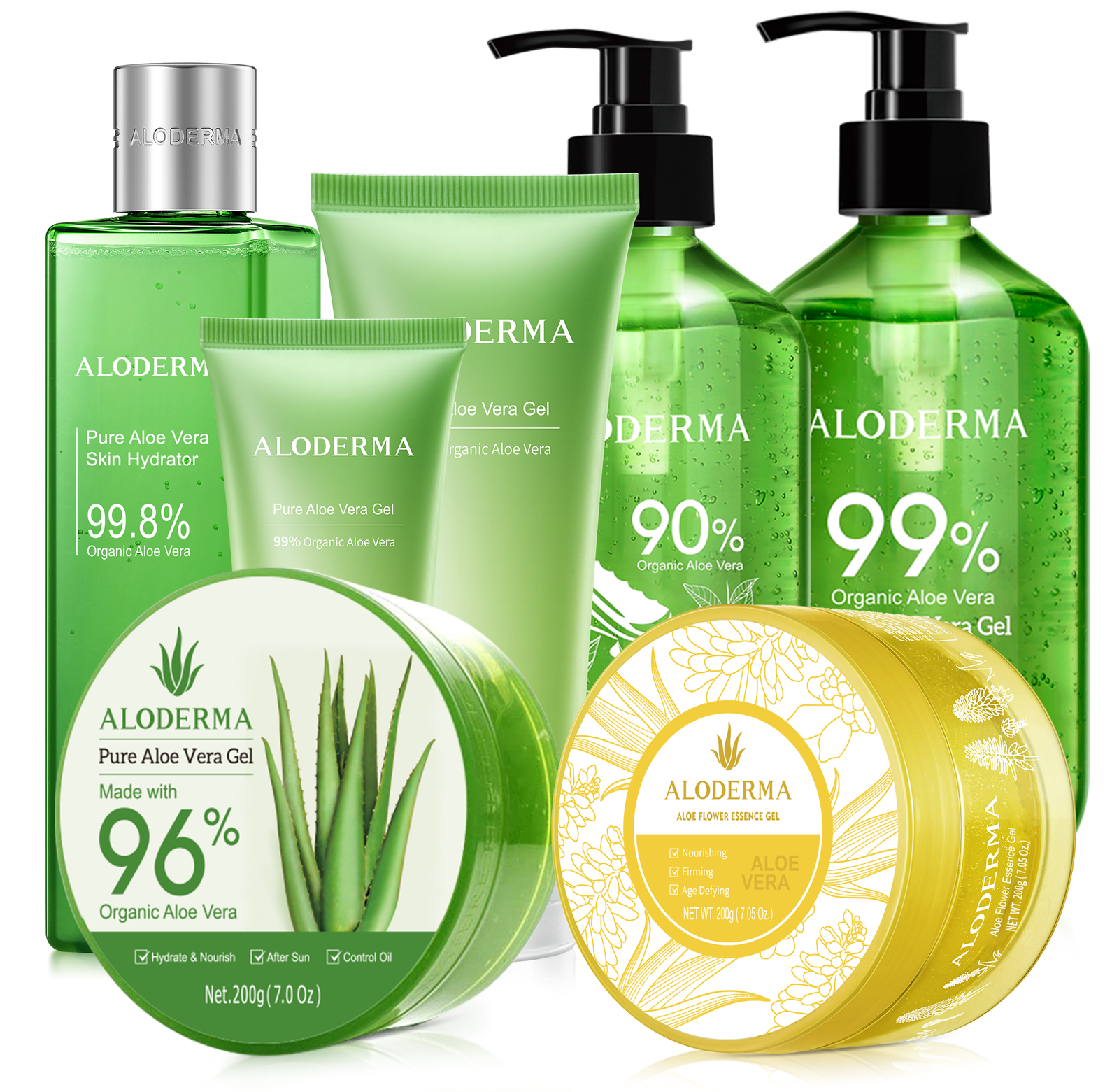
Aloe is a perfect example of why sourcing and processing matter, not just naming the ingredient. According to Aloderma's explanation of aloe vera processing and freshness, aloe vera begins degrading within minutes after harvest, and the premium organic standard is to stabilize it within 12 hours. Aloderma grows all of its own organic aloe vera, processes it on-site, and manufactures on-site within that 12-hour window so the primary ingredient in every product remains as bioactive and effective as possible.
That matters because not all aloe in skincare is the same. Freshly processed aloe and reconstituted powder are not the same shopping decision, even if both labels say “aloe.”
What to look for on the label
When you scan a formula, check these points first:
- Primary ingredient placement: If you want aloe-led skincare, look for Aloe Barbadensis Leaf Juice high on the list.
- Formula simplicity: Shorter, easier-to-read ingredient lists are often easier to evaluate.
- Texture fit: Gel textures usually suit oilier skin better, while creamier formulas can suit drier skin.
- Known triggers: If your skin reacts easily, avoid formulas packed with extras you already know you don't tolerate.
If you want a practical refresher on red flags, Aloderma's guide to ingredients to avoid in skincare is a useful reference while you compare labels.
Match ingredients to your real concern
Different concerns call for different kinds of support. Mature-looking skin may prefer a hydrating serum texture that layers well under cream. Blemish-prone skin often does better with a cleanser that feels clean without turning harsh. Dehydrated skin usually benefits from ingredients that help keep water in the skin rather than formulas that feel aggressively active.
Here's the trade-off many people miss:
- A formula can be powerful but awkward, with too many competing actives.
- A formula can be gentle but vague, with a hero ingredient buried too low.
- The sweet spot is a formula where the key ingredient is prominent, the texture matches your skin, and the product has a clear role in the routine.
For readers who want examples, Aloe Firming Serum fits the idea of a lightweight serum step for skin that wants extra cushion and softness, while Aloe Clearing Cleanser makes more sense for shoppers who want a fresher-feeling cleanse without building an overly complicated routine.
A quick visual helps when you're learning to spot these differences:
Don't let complexity impress you
Some long ingredient lists are well-formulated. But complexity alone is never proof of quality. In practice, products are generally more effective when they have a strong base, a clear purpose, and a texture that makes daily use easy.
That's why the farm-to-face framework works. Start with ingredient quality. Check whether the formula is built around that ingredient in a meaningful amount. Then ask whether the product belongs in your actual routine, not your fantasy routine.
Read Beyond the Hype with Labels and Certifications
Front labels are built to attract you. Certifications and ingredient order are what help you verify what you're buying.

What claims actually mean
Words like “clean,” “pure,” and “natural” can sound reassuring, but they don't all tell you the same thing. What matters more is whether a brand gives you something verifiable. Third-party certifications do that better than broad front-label language.
According to Aloecure's breakdown of aloe sourcing and purity, aloe product purity varies widely, and while many brands use reconstituted aloe from dried powder, Aloderma's fresh-processed approach reaches up to 99.8% organic and guarantees at least 95% naturally derived ingredients, backed by ECOCERT, USDA, and EU Organic certifications.
That's a strong example of the difference between branding language and proof.
What to check before you buy
Use this short label review process:
- Ingredient order: The first ingredients tell you what the product mostly is.
- Certification seals: USDA Organic, EU Organic, and ECOCERT offer more substance than vague “green” wording.
- Packaging style: Pumps and protective packaging can be more practical for formulas you want to keep stable.
- Claim consistency: If the front says aloe-forward, the ingredient list should support that.
If a product talks like a plant-based formula but reads like a chemistry set built around something else, trust the ingredient list.
Why this matters in the real world
Good skincare shopping is partly ingredient literacy and partly marketing literacy. Beauty ads are designed to create shortcuts in your brain. That's why it helps to understand how brands frame products visually and emotionally. If you're curious how that works at the campaign level, these Amazon beauty ad campaign insights are worth reading. They're useful for spotting the difference between a persuasive message and a substantiated product choice.
For readers who care about ingredient sourcing and organic standards, Aloderma's article on organic skincare products adds helpful context on what those label cues can signal.
Build Your Simple Routine and Test with Confidence
You buy a cleanser, serum, and moisturizer in one order, use all three that night, and wake up with skin that feels tight, bumpy, or oddly hot. Now you have the same problem I see in clinic conversations all the time. Too many variables, no clear culprit.
A routine should be easy to follow and easy to read. If you cannot tell what your skin is responding to, the routine is too complicated for this stage.
Start with three steps
Typically, a solid routine starts here:
- Cleanse
- Hydrate
- Moisturize
That structure gives you enough support without turning skincare into a guessing game. A good cleanser removes what needs to come off without leaving your face squeaky or tight. A hydrator should sit well under the rest of your routine. A moisturizer should reduce water loss and feel comfortable enough that you will use it morning and night.
This is also where ingredient quality shows up in real life. If your hydrating step is built around fresh, vertically integrated aloe vera, the formula often feels calmer and simpler on the skin than products padded out with reconstituted aloe powder and a long list of extras. More ingredients do not automatically mean better results.
Add one product at a time
Testing products separately saves time, money, and irritation.
Use a slow rollout:
- Start with one new product
- Use it consistently for several days to two weeks
- Watch for stinging, tightness, breakouts, or dryness
- Write down simple notes if your skin is hard to read
- Add another product only after the first one feels stable
This matters even more with active ingredients. If you start an exfoliant, retinoid, and new cleanser together, you cannot tell whether you are purging, over-exfoliating, or reacting to a formula your skin does not like.
A routine you can troubleshoot will serve you better than a shelf full of products you cannot assess.
Patch test before full use
Patch testing is a basic safety step, especially if you have reactive skin, eczema, rosacea, or a history of fragrance sensitivity. Apply a small amount to a discreet area such as along the jawline or behind the ear. Wait, observe, and only then move to full-face use.
Keep the test simple:
- Apply a small amount once daily
- Monitor for redness, itching, swelling, or clusters of bumps
- Stop if your skin becomes uncomfortable or visibly inflamed
Patch testing will not predict every breakout, but it often catches obvious irritation before you commit your whole face to it.
If you want a practical framework for putting those basics into order, this guide on how to build a skincare routine is a useful companion.
One more trade-off is worth keeping in mind. Switching products too fast creates confusion, but waiting forever to judge a product is not helpful either. Give simple hydrating and barrier-support products enough time to show whether they improve comfort and consistency. If a product causes repeated irritation, stop early.
If you are still comparing where to buy and how marketplace shopping can affect product confidence, the guide on choosing between Takealot and Amazon offers helpful context.
Shop Smart with Your Budget and Values
You do not need the most expensive bottle on the shelf. You need a formula that earns its place in your routine.
Price matters, but cost per use matters more. A cheaper product can become expensive if it is mostly filler, pills under sunscreen, dries out quickly, or leaves you shopping again in two weeks. I usually advise people to spend where ingredient quality and processing make a visible difference, then save money by keeping the routine short.
An ingredient-first, farm-to-face mindset offers a useful perspective. Fresh, vertically integrated aloe vera is a good example of a foundational ingredient that can justify its price because sourcing and processing affect what ends up on your skin. That is very different from a formula built around reconstituted aloe powder, long supporting ingredient lists, and branding that does more work than the base formula. You are not just paying for a name. You are paying for what the plant ingredient is by the time it reaches the bottle.
Values matter too. Many shoppers want clearer sourcing, simpler formulas, and brands that explain how ingredients are grown and handled. That preference is easy to understand. Skincare is personal, and people want fewer gaps between what a label suggests and what a product contains.
A smarter purchase checklist
Before you buy, ask:
- Will this replace something I already use well, or just add clutter?
- Is the main ingredient worth buying in this form? Fresh whole-leaf aloe and aloe powder are not the same raw material.
- Can the brand explain sourcing and processing in plain language?
- Does the formula support my skin goals without forcing me to tolerate extras I do not need?
- Am I buying from a channel I trust for storage, authenticity, and returns?
If you're weighing where to buy beauty products online and how different marketplaces shape the shopping experience, this guide on choosing between Takealot and Amazon from Market With Boost gives practical context around platform differences.
The goal isn't to build a perfect routine in one afternoon. It is to make better purchasing decisions, one product at a time. Do that consistently and you usually end up with calmer skin, fewer half-used bottles, and a routine that reflects both your budget and your standards.
If you want skincare built around fresh aloe vera, transparent ingredient choices, and a simpler routine philosophy, explore ALODERMA. You'll find product details, ingredient education, and everyday formulas designed to help you choose with more clarity and less guesswork.