



You're probably here because you've stood in front of a shelf, or scrolled through page after page online, and seen the same words repeated over and over: natural, clean, pure, botanical, organic. They sound reassuring. They also blur together fast.
That confusion is reasonable. With organic skincare products, the hardest part usually isn't choosing a cleanser or moisturizer. It's figuring out what information the label provides, and what it deliberately excludes.
A useful way to shop is to treat organic as only one part of the story. Certification matters. Ingredient lists matter. But freshness matters too, especially when a formula depends on plant ingredients to do the heavy lifting. If the main botanical in a product starts strong but is heavily diluted, overprocessed, or stored for too long before manufacturing, the label alone won't tell you much about how that product may feel on your skin.
Navigating the World of Organic Skincare
A common shopping moment goes like this. You pick up one bottle that says “made with organic botanicals.” Next to it is another that says “natural skincare.” A third has a leaf graphic and earthy packaging. All three look healthy. None make it easy to compare what's inside.
That uncertainty exists in a growing category, not a fringe one. The global organic skin care market was estimated at USD 9.83 billion in 2021 and is projected to reach USD 21.16 billion by 2030, according to Grand View Research's organic skin care market analysis. People clearly want cleaner formulas and clearer ingredient choices.
Why labels alone don't solve the problem
A label can tell you part of the truth. It can't tell you the whole journey from field to bottle.
If a product centers on aloe, chamomile, or plant oils, two questions matter right away:
- Where did the ingredient come from Was it grown under certified organic standards, or is the formula using a few organic inputs?
-
How was it handled after harvest
Was it processed promptly, or did it spend a long time in storage before becoming part of the final formula? -
What is the ingredient doing in the formula
Is it the primary ingredient, or is it sitting low on the list while water and fillers do most of the work?
Organic skincare products make more sense when you stop reading the front label first and start reading the ingredient story instead.
Online shopping adds another layer. Product pages can look polished while still being vague. If you want a broader view of how brands present beauty products digitally, this breakdown of trends shaping cosmetic eCommerce is a helpful companion read.
Freshness changes how you judge quality
A practical example is aloe vera. Fresh aloe gel and heavily processed aloe powder are not the same shopper experience, even if both appear in products marketed as plant-based. When the core ingredient is handled quickly and carefully, the formula often feels simpler, lighter, and more direct.
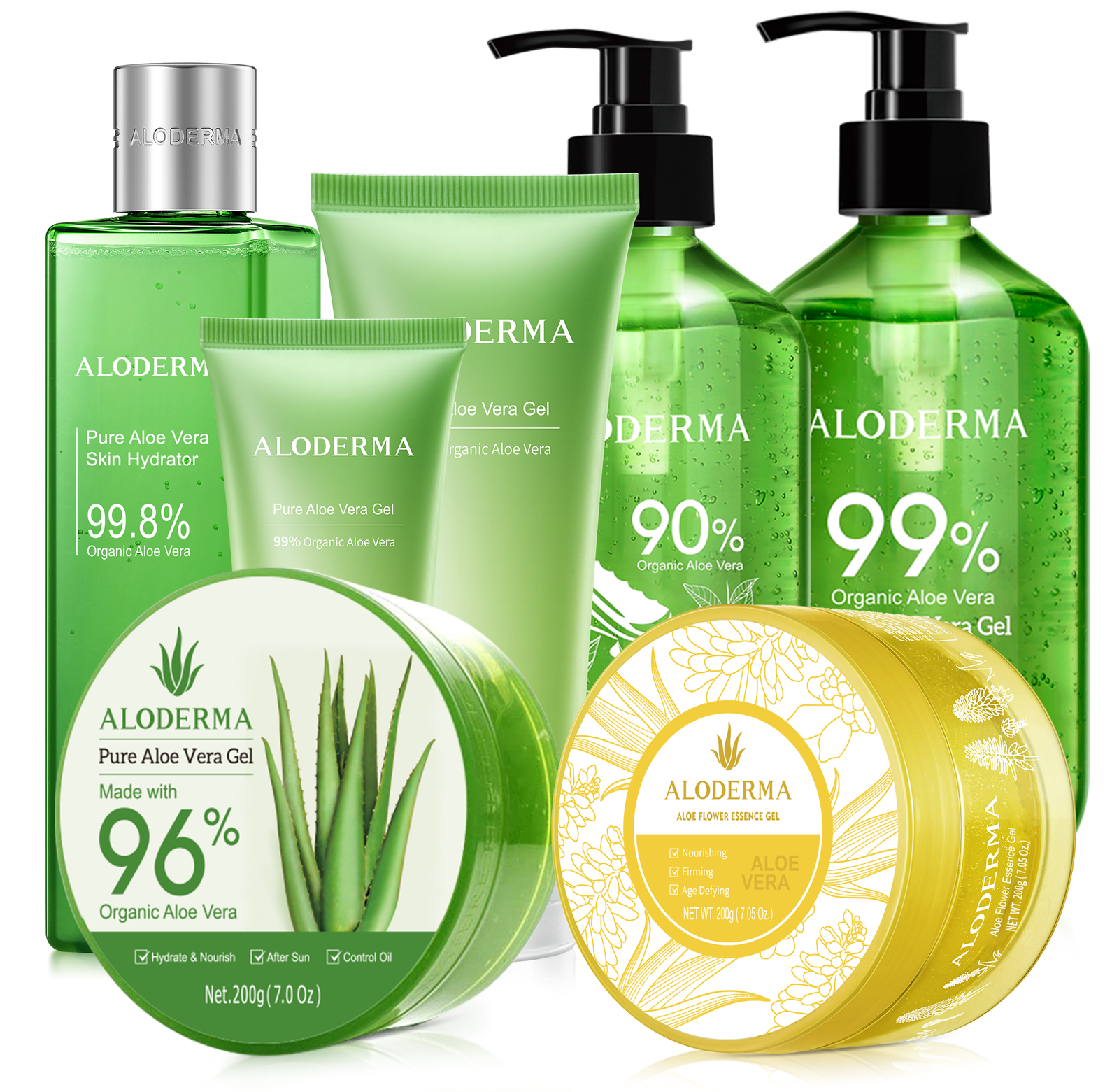
That's why a farm-to-skin model matters. Aloderma is a fully vertically integrated aloe vera company. It grows its own organic aloe vera and processes and manufactures onsite within 12 hours of harvest, so the primary ingredient in every product is as fresh and bioactive as possible. For a shopper, that's a useful standard: don't ask only whether a product is organic. Ask how fresh the main ingredient was when the product was made.
How to Decode Organic Skincare Labels
The fastest way to feel more confident with organic skincare products is to learn three label phrases. Once you know them, a lot of marketing copy becomes easier to sort.
The three USDA claim levels
In the U.S., cosmetic labeling with organic claims follows specific rules. Products labeled “100 percent organic” must contain only organically produced ingredients, excluding water and salt. Products labeled “organic” must contain at least 95% organically produced ingredients. Products labeled “made with organic ingredients” can contain at least 70% organic ingredients, as explained in the USDA organic cosmetics fact sheet.
That means two products can both sound organic while meeting very different thresholds.
Practical rule: If the front label says organic, look for the exact claim language, then flip to the ingredient list and certification details.
Organic Certification Seals Compared
| Certification | Minimum Organic Content | Key Guarantees |
|---|---|---|
| USDA Organic | “100 percent organic” means only organically produced ingredients excluding water and salt. “Organic” means at least 95%. “Made with organic ingredients” means at least 70%. | Sets clear labeling categories for organic claims in the U.S. and helps shoppers verify whether the claim applies to the finished product. |
| ECOCERT | Varies by standard and product type | Focuses on certified sourcing and processing standards, often used by brands that want third-party validation for organic and naturally derived cosmetic formulas. |
What seals do, and what they don't do
A seal is useful because it gives you an outside standard. It does not automatically mean a product will suit your skin, feel elegant, or stay stable after opening.
That's where many shoppers get tripped up. They assume “organic” means safer, gentler, or more effective in every case. It doesn't. Plant ingredients still need thoughtful formulation, preservation, and compatibility testing. A bottle full of botanicals can still feel heavy, fragrant, or fussy on reactive skin.
A better way to shop is to combine certification with simple reading habits:
-
Check the exact organic wording
“Organic” and “made with organic ingredients” aren't interchangeable. -
Look at the first few INCI ingredients
The top of the list tells you more than the front label. -
Find third-party verification
Don't rely on leaf graphics or vague green language alone. -
Ask whether the finished product is certified
A formula can contain organic ingredients without the final product meeting a stronger standard.
For a plain-English primer on this topic, Aloderma's guide to USDA organic beauty products is useful because it walks through claim wording in shopper-friendly terms.
A quick reality check on jargon
Words like “natural,” “clean,” and “botanical” can be meaningful, but they're not the same as a regulated organic claim. If a brand leans heavily on those words without explaining certification, percentages, or ingredient sourcing, slow down and read more carefully.
That small pause saves a lot of impulse buys.
The Unmatched Power of Fresh Ingredients
An aloe leaf has a short window where it feels less like a commodity and more like a living raw material. That difference matters when aloe is supposed to be more than a decorative ingredient.
A lot of skincare uses plant inputs that arrive as concentrates or powders, then get blended into formulas far from where they were grown. That approach can still produce a usable product. It's just a different ingredient story from one built around fresh botanical processing close to harvest.
What freshness changes in a formula
When a formula depends on botanicals, freshness affects how direct the ingredient experience feels. The texture, the slip, the clean finish on the skin, and the sense that a hydrator is actually built around a plant ingredient rather than around a generic base all come into play.
One industry comparison notes that organic cosmetics may dedicate about 30% to 40% of the formula to active ingredients, compared with roughly 1% to 5% in many conventional cosmetics, as discussed in Eco Garantie's overview of organic cosmetics composition and effectiveness. That doesn't mean every organic product is automatically better. It does mean the quality of the base ingredients becomes much more important.

A simple aloe journey
Think about two versions of the same idea.
One starts with aloe grown on the same property where it will be processed. The leaf is cut, handled quickly, and turned into formula-ready aloe while it's still close to its harvested state. The other starts with aloe that has already been reduced into a shelf-stable input, shipped, stored, and later reworked into a product.
Both may end up in a bottle called “aloe gel.” They won't necessarily feel the same.
If aloe is the hero ingredient, shoppers should care about harvest timing as much as they care about label language.
That's why freshness is not a sentimental talking point. It's a practical buying criterion. If you want organic skincare products that center on aloe, ask whether the brand controls cultivation, processing, and manufacturing closely enough to keep that ingredient as intact as possible.
What to look for on a product page
A stronger product page usually answers these questions clearly:
-
Primary ingredient placement
Is aloe near the top of the ingredient list? -
Sourcing clarity
Does the brand explain where the aloe is grown? -
Processing window
Is there any detail about how quickly the plant is turned into finished material? - Manufacturing transparency Can you tell whether the brand handles production or outsources the formula?
Freshness won't replace good formulation. But when the formula is built around a plant ingredient, freshness often separates a product that sounds nice from one that feels convincing.
Finding the Right Organic Fit for Your Skin
Some people try organic skincare products once, get a result they don't love, and decide the whole category isn't for them. Usually the actual problem isn't “organic.” It's mismatch. Too many fragrant extracts. A heavy cream for skin that wants light hydration. A trendy oil blend when what the skin really needed was a simpler base.
If your skin gets overwhelmed easily
Sensitive-feeling skin often does better when the formula keeps the spotlight on a few dependable ingredients rather than a long parade of exotic botanicals. Fewer moving parts can make a routine easier to understand and easier to stick with.
Consumer data reflects that mindset. 74% of consumers say organic ingredients are important in personal care products, and 65% want clear ingredient lists, according to NSF's consumer findings on organic ingredients and labeling transparency. People aren't just buying a mood. They want to know what they're putting on their skin.
For oily or blemish-prone skin
Shoppers often make a frustrating mistake by avoiding moisture because they're worried about heaviness, then end up using harsh products that leave skin feeling tight and unsettled.
A better approach is lightweight hydration with a straightforward ingredient profile. Fresh aloe-centered formulas can work well here because they usually feel water-light and comfortable, especially when the product is built for daily use rather than for a dramatic “treatment” feel.
For readers comparing options, one example is the best organic skincare brands guide from Aloderma, which includes aloe-based categories that make sense for shoppers who want gentler textures.
Match the product to the job
Use this quick filter when shopping:
-
When your skin feels tight after cleansing
Look for a simple hydrating gel or toner with aloe high on the ingredient list. -
When rich creams tend to sit on your skin
Choose a lighter lotion texture instead of an oil-heavy balm. -
When your skin reacts to long ingredient lists
Start with one uncomplicated hydrator instead of buying a full routine at once.
More plants on the label doesn't always mean a better fit. Often, the smartest choice is the product with the clearest purpose and the simplest formula style.
Product examples that make practical sense
If you're building around aloe, keep the product role clear. A gel works well when you want fast, weightless hydration. A toner helps when skin feels dehydrated but you don't want a heavy layer. A lotion makes sense when you want moisture that still feels breathable.
That logic is more useful than chasing categories like “luxury botanical,” “superfood skincare,” or “green beauty must-have.” Your skin responds to formulas, not slogans.
Your Simple Farm-to-Face Skincare Routine
Starting an organic routine doesn't require ten steps. In fact, a shorter routine usually makes it easier to tell what your skin likes.

Step 1 Cleanse gently
Start with a non-stripping cleanser that removes the day without leaving your face feeling squeaky. The goal is clean skin that still feels comfortable.
A practical example is the Aloe Soothing & Moisturizing Cleanser. It fits the kind of routine many people need at the beginning: simple, gentle, and easy to use consistently.
Step 2 Add light hydration
After cleansing, use a toner or mist that adds water-based hydration back to the skin. This step is especially helpful if your face tends to feel dry right after washing or if heavier products feel like too much.
The Aloe Hydrating Toner is the kind of formula that works here because it layers lightly and doesn't turn the routine into a chore.
A short visual walkthrough can help if you like seeing routines in action.
Step 3 Seal in comfort
Finish with a lightweight moisturizer. You want enough moisture to keep skin feeling soft, but not so much that it feels coated.
The Aloe Soothing & Moisturizing Lotion is one example of that final step. If you're new to aloe-based routines, introduce one product at a time, then give your skin a little consistency before changing everything again.
For more detail on layering and daily use, this guide on how to use aloe vera for skin is a practical next read.
Keep the routine steady
A few habits make any routine easier:
-
Start small
Don't open five new products on the same day. -
Watch how skin feels
Comfort, softness, and balance matter more than chasing a dramatic overnight change. -
Stick with basics first
Cleanser, hydration, moisturizer. That's enough for most beginners.
Frequently Asked Questions About Organic Skincare
Are organic skincare products always more expensive
Not always. Sometimes you're paying for certified sourcing, more careful ingredient selection, or a formula that relies more on plant-based inputs. Value comes from the whole product, not just the word organic on the front.
Do organic products spoil faster
Some formulas may have a different preservation system than conventional products, but “organic” doesn't automatically mean unstable. Check the packaging, storage guidance, and period-after-opening symbol. Good brands explain how to use and store the product.
What does natural fragrance mean
Usually it refers to scent from plant-derived materials such as essential oils rather than synthetic fragrance blends. That doesn't mean every scented product will suit every person. If you prefer a quieter routine, choose products with simpler scent profiles.
Is organic always better than conventional
Not by default. A well-made product with a clear ingredient list, thoughtful formulation, and a fresh primary botanical can be a smart choice. The label matters. The formula matters more.
What's the smartest first product to try
For many people, it's a basic hydrator or aloe gel. That gives you a clean read on how your skin responds without adding too many variables at once.
If you want organic skincare products that are easier to evaluate, start with transparency. ALODERMA makes that process simpler by focusing on fresh organic aloe vera grown on its own farms, then processed and manufactured onsite within 12 hours of harvest. If you like skincare that feels light, straightforward, and ingredient-led, it's a useful place to explore gels, toners, cleansers, lotions, and sets built around a clear farm-to-skin model.