



You're probably here because you've seen avocado oil show up in facial oils, masks, and “clean beauty” routines, and you're wondering if it's worth putting on your skin. Maybe your face feels tight after cleansing. Maybe your cheeks get dry while your T-zone still gets shiny. Or maybe you just want something simpler than a shelf full of products you barely understand.
That question, is avocado oil good for your skin, has a short answer and a more useful one.
The short answer is yes, it can be. The useful answer is that it depends on which avocado oil, how your skin behaves, and what you pair it with. That last part matters more than most ingredient roundups admit.
Avocado oil can help soften rough skin, support a comfortable skin barrier, and leave skin looking smoother and more supple. But not every bottle sold as avocado oil works the same way on the skin. A cold-pressed cosmetic oil is not the same as a refined cooking oil from the grocery aisle. And even a good oil works better when it's layered over water-based hydration instead of being used as a one-step fix.
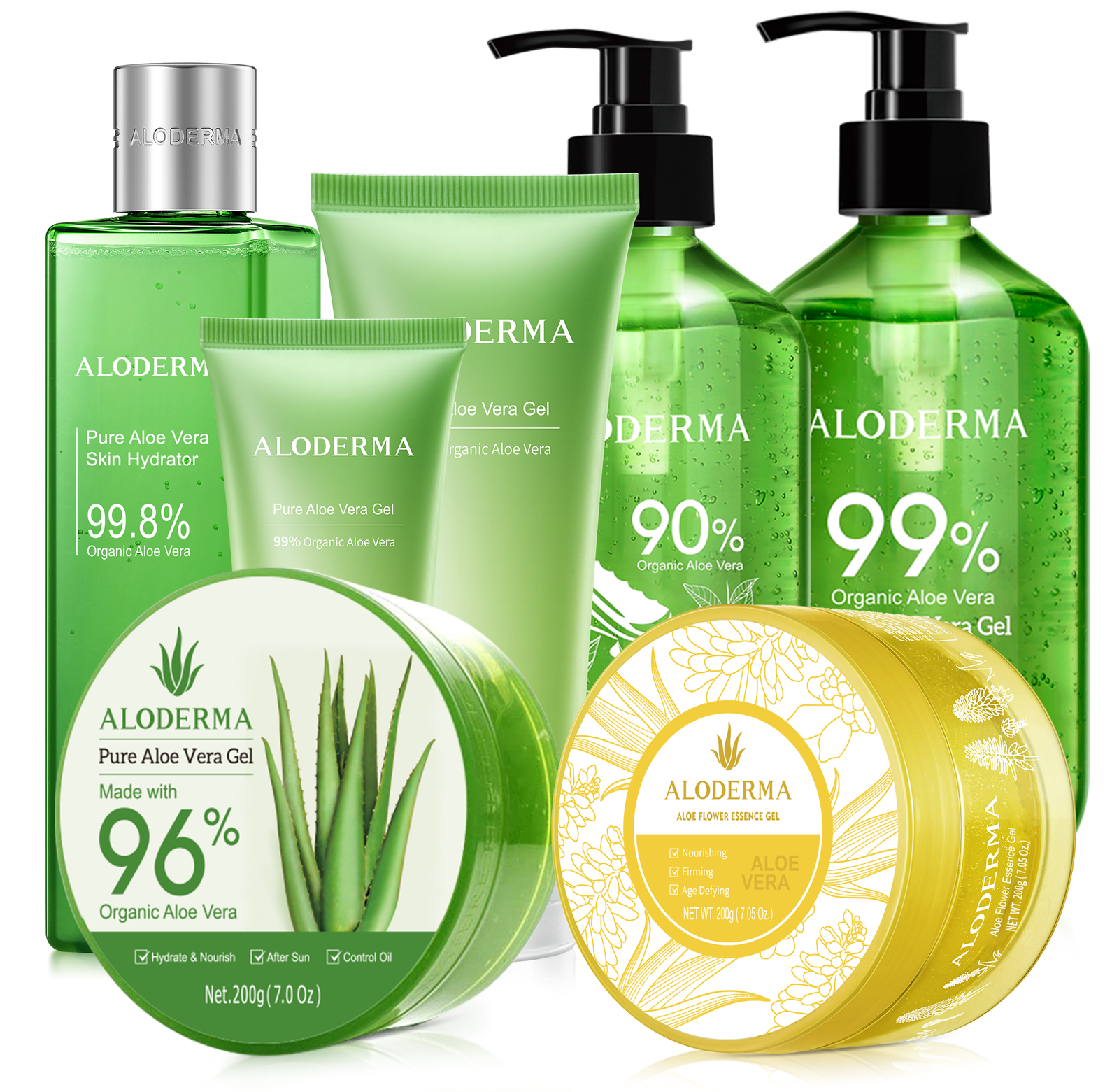
That balance is where fresh aloe vera fits so well. Aloderma is a fully vertically integrated aloe vera company. We grow our own organic aloe vera, then process it and manufacture onsite within 12 hours of harvest so the primary ingredient found in every one of our products is the most bioactive and effective aloe vera possible. That fresh, water-rich aloe approach gives skin hydration first. Oils can then help hold that comfort in place.
Your Guide to Natural Skincare Ingredients
Natural skincare often feels easier to trust. You recognize the ingredient name. You can picture where it comes from. It sounds gentler than a long label full of unfamiliar words. That's part of avocado oil's appeal.
Still, “natural” doesn't automatically mean “right for every face.” Olive oil is natural. So is lemon juice. That doesn't mean both belong in your routine. Your skin cares less about trends and more about function. It responds to whether an ingredient helps hold moisture, supports the surface barrier, and feels compatible with your skin's oil levels.
Why avocado oil gets so much attention
Avocado oil has earned real interest because it's rich, cushioning, and full of skin-friendly lipids. It tends to appeal most to people whose skin often feels dry, rough, or a little worn out by weather, cleansing, or overuse of active ingredients.
For many readers, the attraction is emotional as much as practical. You want skin that feels comfortable by lunchtime. You want your moisturizer to stop disappearing an hour after you apply it. You want that “soft and settled” feeling instead of tightness.
A simple rule: if your skin feels thirsty and your moisturizer never seems like enough, avocado oil may make sense. If your skin already feels slick by midday, the answer may be more nuanced.
What makes this ingredient worth understanding
The useful question isn't whether avocado oil is “good” in a vague sense. It's whether it does a specific job your skin needs.
That job is usually one of these:
- Holding moisture in so skin doesn't feel dry again too quickly
- Supporting a softer surface feel when skin feels rough or depleted
- Adding comfort when your routine feels too harsh
- Helping mature-looking skin appear smoother over time
Those are meaningful benefits. But they depend on the composition of the oil and the way you use it. A well-made topical oil can behave very differently from a pantry version. That's why ingredient quality and formulation matter so much here.
What Is Inside a Drop of Avocado Oil
A drop of avocado oil can look simple, but it behaves more like a mixed team than a single ingredient. Some parts soften the skin surface. Some help reduce moisture loss. Some offer antioxidant support. The result depends not only on the avocado itself, but on how the oil was processed.
That processing point matters more than many skincare guides admit. Cosmetic-grade avocado oil is refined, filtered, and selected for skin use, so the texture, stability, and purity are better suited to a formula you apply on your face. Culinary-grade avocado oil is made for the kitchen first. It may still be plant-derived, but the feel, odor, and consistency can be less predictable in skincare. That is one reason a well-formulated product often feels very different from rubbing pantry oil onto dry cheeks.
Avocado oil contains a high amount of skin-friendly lipids, especially oleic acid, and it also provides vitamins A, D, and E plus carotenoids, all of which help explain its rich, comforting feel on dry skin, according to Eight Saints' avocado ingredient overview.

The fatty acids shape how it feels on skin
Fatty acids are a big reason avocado oil feels nourishing instead of thin or dry. Oleic acid is the main one people talk about, and for good reason. It gives the oil that dense, cushiony slip that dry or mature-looking skin often likes.
A simple way to understand fatty acids is to picture the skin surface as fabric that has started to feel stiff after too many washes. Oils rich in the right lipids can help that fabric feel supple again. They do not add water by themselves, but they help the surface feel less brittle and less rough.
That is also why avocado oil pairs so well with fresh aloe vera. Aloe brings water-binding hydration. Avocado oil helps hold that comfort closer to the surface. Aloderma's fresh-aloe approach makes sense here because hydrated skin often needs both parts: water first, then a lipid layer that helps that hydration last.
The unsaponifiables are small, but useful
Avocado oil also contains minor compounds often grouped under the term unsaponifiables. This category includes some of the antioxidants and plant compounds that remain after the fatty acids are accounted for. They do not make avocado oil a complete skincare routine, but they do give it more to offer than simple surface slip.
If you want a clearer sense of how antioxidants support skin, this guide to antioxidants for face helps connect the dots. In practical terms, these compounds help avocado oil feel like a nourishing support ingredient rather than just a shiny finish.
Texture can hint at quality
Texture gives you useful clues. Cosmetic-grade avocado oil usually feels rich but refined, without the heavy, greasy afterfeel that some kitchen oils can leave behind. In a good formula, that richness should feel protective, not suffocating.
This is why ingredient lists and sourcing matter. A face oil, cream, or mask made with avocado oil for topical use can be easier to spread, easier to absorb, and more pleasant to layer with hydrating ingredients like aloe. Products such as the Andalou Naturals Avo Cocoa mask show how avocado oil is often combined with other skin-conditioning ingredients rather than used alone.
The short version is simple. Inside a drop of avocado oil, the fatty acids do most of the softening work, while vitamins and carotenoids add supporting benefits. The better the grade and the better the formula, the more likely your skin is to get comfort without unnecessary heaviness.
How Avocado Oil Nurtures and Protects Your Skin
When avocado oil works well, the difference usually shows up in how your skin feels first. Less tight. Less rough. More settled by the end of the day. The visible changes often follow that shift in comfort.
Moisture that feels lasting
Some moisturizers feel great for twenty minutes and then vanish. Avocado oil behaves differently because it has an occlusive quality. It helps hold moisture near the skin surface, which is why skin can feel softer and look a little fuller after consistent use.
That's especially helpful if your routine already includes a hydrating toner, essence, gel, or serum. In that setup, avocado oil acts like the top layer on a freshly made bed. It helps keep what's underneath from escaping too quickly.
A practical example: if your cheeks look dull and feel tight by late afternoon, pressing a small amount of avocado oil over a water-based moisturizer at night may leave you with skin that feels more comfortable the next morning.
Support for firmness and smoothness
The softer feel is only part of the story. The essential fatty acids and oleic acid in avocado oil actively promote collagen synthesis, which supports skin firmness and the skin's natural recovery process. Clinical evidence also indicates that formulations with avocado oil can improve skin elasticity and smoothness, according to Medical News Today's review of avocado oil for skin.
That matters if your goal isn't just “less dry,” but skin that looks more supple and less creased from dehydration.
You might notice this most in areas where skin tends to look tired first:
- Around the mouth, where dryness can exaggerate texture
- On the cheeks, where skin can look flat when it lacks nourishment
- Along the forehead, where dehydration can make lines look more obvious
Calm, cushion, and a healthier-looking finish
Avocado oil also has a calming side. Some skin types respond to it because it reduces that raw, overworked feeling that can happen after too much cleansing or over-layering strong products.
If you enjoy masks, a product like the Andalou Naturals Avo Cocoa mask shows how avocado oil is often paired with other nourishing ingredients in treatment-style formulas rather than used alone.
If your skin wants both softness and bounce, avocado oil makes more sense as a support ingredient than as a one-product routine.
For readers interested in the bigger picture around protective ingredients, Aloderma's guide to antioxidants for face care is a helpful companion because it explains why antioxidant support matters when you're trying to keep skin looking fresh and comfortable over time.
Is Avocado Oil Right for Every Skin Type
The honest answer is no. Good skincare rarely works in absolutes, and avocado oil is a good example of that. It can feel wonderful on one person's skin and too heavy on another's.

Who usually enjoys it most
Dry-feeling skin often likes avocado oil because it brings slip, softness, and a more protected feel. Skin that looks less plump than it used to can also benefit from that richer finish. Some people with sensitive-feeling skin prefer it when they want comfort without fragrance-heavy formulas.
There's also encouraging evidence around tolerance. Avocado oil can help calm skin and reduce the appearance of redness linked with breakouts or sensitivity, while its antioxidant profile helps defend against environmental harm. In certain preparations, it was well-tolerated and effective for soothing dry, irritated, flaky skin without leaving a heavy residue that could lead to clogged pores, according to the PMC review on avocado oil in topical use.
When the richness can be too much
If your skin gets shiny quickly, you may not enjoy pure avocado oil on the whole face. That doesn't mean you have to avoid the ingredient forever. It may work better:
- In a blended moisturizer instead of as a straight oil
- On dry zones only, like cheeks or around the mouth
- At night, when a richer finish matters less
- Over a lightweight hydrating base, so you need less oil overall
That last option is often the sweet spot. A lighter hydrator underneath can reduce the temptation to overapply oil.
If clogged pores are one of your biggest concerns, Aloderma's article on what ingredients clog pores can help you think through your routine more clearly.
How to test it without guessing
Patch testing doesn't have to be complicated. Apply a small amount to one area for several days in a row. Watch how your skin behaves, not just in the first hour, but the next morning and after repeated use.
Look for clues such as:
- Comfort: does the area feel softer and less tight?
- Finish: does it feel nourished, or just greasy?
- Congestion: do small bumps start to appear where you applied it?
- Compatibility: does it layer well with your other products?
A short visual guide can help if you're trying to build better ingredient instincts before buying.
Skin type labels are useful, but your actual day-to-day skin behavior is more useful. Pay attention to how your face feels by evening, not just what category you think you belong to.
Avocado Oil Compared to Other Natural Moisturizers
If you're choosing between avocado oil and other natural moisturizers, texture matters just as much as ingredient reputation. A rich oil can be perfect in winter and too much in humid weather. A light hydrator can feel elegant in the morning and not be enough at night.
The biggest detail many guides skip is grade. The processing method of avocado oil significantly impacts its effectiveness. Cold-pressed, organic variants retain higher levels of beta-carotene and vitamins A, D, and E, which are important for skin nourishment, while refined or culinary-grade oil may lack the same bioactive efficacy, according to Vibrant Skin Bar's review of avocado oil processing.
That means the bottle in a kitchen cabinet and the avocado oil in a skincare formula may share a name but not deliver the same skin experience.
Cosmetic-grade versus culinary-grade
Cosmetic-grade avocado oil is usually chosen for topical feel, nutrient retention, and compatibility with skin-focused formulas. Culinary-grade oil may be more refined for cooking stability or flavor neutrality.
That distinction changes the answer to “is avocado oil good for your skin.” It often is, but the right version is what makes the difference.
A cold-pressed oil is like fresh juice. A heavily processed version can still be usable, but it may not offer the same richness of supporting compounds.
Avocado oil vs. other common options
Here's a practical side-by-side view.
| Ingredient | Primary Benefit | Texture | Best For Skin Types |
|---|---|---|---|
| Avocado Oil | Seals in moisture and leaves skin soft, nourished, and supple | Rich and cushiony | Dry-feeling, mature-looking, or comfort-seeking skin |
| Jojoba Oil | Balances with a lighter finish and layers easily | Lightweight and silky | Combination, oily-feeling, or easily congested skin |
| Coconut Oil | Strong surface sealing for very dry body areas | Heavy and dense | Body care and very dry patches |
| Aloe Vera | Gives water-based hydration and a fresh, weightless feel | Light and fast-absorbing | Most skin types, especially dehydrated or easily overwhelmed skin |
For readers comparing plant oils, Aloderma's piece on organic jojoba oil is useful because jojoba often comes up as the lighter alternative when avocado oil feels too rich.
Why aloe and avocado make sense together
Oil and aloe do different jobs. Oil helps reduce moisture loss. Aloe gives skin hydration in a lighter, water-based form. Used together, they can create a more balanced result than either one alone.
This pairing is especially helpful if you've ever tried a pure facial oil and thought, “My skin feels coated, but not hydrated.” That usually means your skin needed water first, then an oil to help keep that hydration from disappearing.
Building Your Routine with Balanced Hydration
A smart avocado oil routine starts with a simple shift in thinking. Don't ask the oil to do everything. Let it do the oil job. Then build the rest of the routine around hydration, comfort, and texture that your skin can live with every day.
Start with water-based hydration
If your skin is dry, it's easy to reach for the richest thing you own. But skin often needs hydration before it needs sealing. That's why an aloe-first approach makes sense.
Aloderma is a fully vertically integrated aloe vera company, and that matters for freshness. We grow all of our own organic aloe vera, and we process our aloe vera and manufacture onsite within 12 hours of harvest so the primary ingredient found in every one of our products is the most bioactive and effective aloe vera possible. That farm-to-skin freshness is the foundation of the brand's gentle, fresh-aloe philosophy.
A practical routine could look like this:
- Cleanse gently so you're not stripping away what little comfort your skin already has.
- Apply a hydrating layer such as the Aloe Soothing & Moisturizing Toner or the Aloe Firming & Rejuvenating Serum.
- Seal where needed with a small amount of Cold Pressed Avocado Oil, especially on drier areas.
- Adjust by zone instead of applying the same amount everywhere.
Keep the routine realistic
If your skin swings between dry and shiny, use avocado oil like a blanket, not like another layer of paint. A few drops on the cheeks may be enough. You don't need a glossy finish for the ingredient to be doing its job.
If you also enjoy in-person support, professional skin treatments Portsmouth can be a useful complement when you want guidance on cleansing, masking, and product layering for your skin's texture and comfort level.
The bottom line
Avocado oil can be a very good skincare ingredient. It's most useful when your skin needs softness, barrier support, and a richer finish. It's less useful when you expect it to replace hydration or suit every skin type in the same way.
A key takeaway is balance. Fresh aloe brings the water-based hydration. Avocado oil helps hold comfort in place. That combination is often what makes skin feel not just coated, but truly cared for.
If you want a routine built around fresh, lightweight hydration first, explore Aloderma. You'll find ingredient transparency, aloe-centered daily care, and product options that make it easier to pair rich oils with water-based hydration in a way that feels comfortable on real skin.