







You've had a long day outside, and your skin knows it. It feels warm, a little tight, maybe a bit pink around the shoulders or across the nose, and the first instinct is usually to reach for whatever cooling gel is closest. Pure aloe vera after sun can be the right move, but only if the product is fresh, clean, and handled well from plant to skin.
Aloe works best as a soothing step after exposure, not as protection before it. Independent medical guidance is clear that aloe vera is about 99% water, which is why it feels cooling and hydrating, and why it's better understood as a post-exposure comfort aid than a UV shield that replaces sunscreen (alhydran.co.uk). If you're planning a beach day, a snorkel trip, or an afternoon on the water, a practical guide like how to avoid sunburn while snorkeling can help you prevent the problem before you ever need after-sun care.
Your Go-To Ritual for Post-Sun Comfort
The best after-sun routine starts the moment you get indoors. Cool the skin first with a lukewarm shower or a clean cool compress, then reach for aloe only after the heat has settled down. That order matters because aloe is meant to comfort already-stressed skin, not fight active heat on its own.
Freshness matters just as much as timing. Aloe vera's gel contains more than 200 reported bioactive constituents, including polysaccharides and antioxidants, and those naturally occurring compounds are part of what makes good aloe feel so calming on overheated skin (PMC). If the aloe has been diluted, over-processed, or padded with fragrances and drying alcohols, you're not getting the same experience.
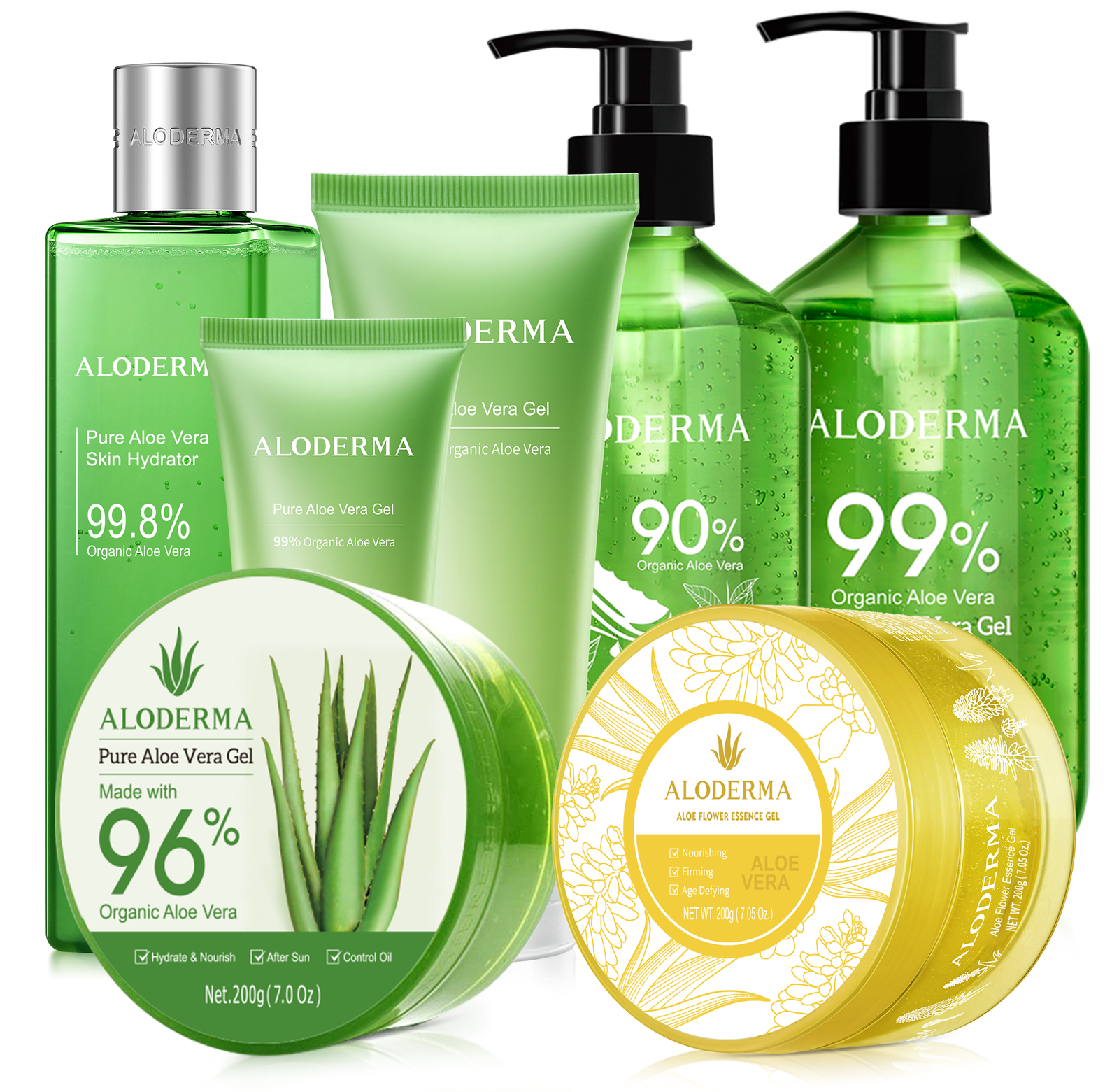
That's where a farm-to-skin approach earns its place. Aloderma grows its own organic aloe, processes it onsite within 12 hours of harvest, and keeps the primary ingredient as fresh as possible so the gel you apply still feels alive on the skin. If you like a simple routine, their after-sun care guide is a useful companion to a basic cooling ritual.
Practical rule: if your skin is hot, cool it first. If it's already calm and tight, apply aloe in a gentle layer for comfort.
Think of aloe as the final soft landing after sun exposure. It won't replace SPF, but it can make the skin feel less hot, less dry, and much easier to live in for the rest of the evening.
How to Choose Truly Pure Aloe Vera
Not every product called aloe vera deserves the label. A clear bottle can still hide a formula built around water, filler agents, fragrance, and alcohol, which is exactly why ingredient lists matter more than packaging. Shoppers should look for a high aloe concentration and an irritant-free formula, because alcohol and fragrance can make already-stressed skin feel worse (Curology).
What clean labeling should tell you
A good post-sun aloe product should feel almost plain in the best possible way. It should be simple, light, and clearly centered on aloe rather than dressed up with extras that have no business being on irritated skin. If you've ever applied a gel that stung instead of soothing, the formula probably wasn't as clean as the front label suggested.
Aloderma's value proposition is straightforward here. It's a fully vertically integrated aloe vera company, with its own organic aloe grown and processed onsite, so the brand controls the ingredient from harvest through manufacturing. That matters because the primary ingredient in every product is the freshest possible aloe, not a generic powder concentrate rebuilt in a factory.
A good benchmark is Aloderma's Pure Aloe Vera Gel, which is positioned around a minimal, clean ingredient profile rather than a crowded cosmetic base. For ingredient-conscious readers, that kind of simplicity is the point.
- Look for aloe near the top of the ingredient list. That usually signals the formula is built around aloe rather than using it as decoration.
- Avoid alcohol and fragrance. Those are common reasons a soothing gel starts feeling drying or irritating.
- Choose a formula that looks restrained. Post-sun care doesn't need ten extras competing with the aloe.
- Value harvest speed. A short path from field to finish helps preserve the character of the fresh plant gel.
The practical takeaway is simple. If the formula feels stripped down, honest, and fresh, it's much more likely to behave like true pure aloe vera after sun care rather than a watered-down imitation.

The Best Way to Apply Aloe After Sun Exposure
Start gently. If the skin still feels hot, use cool water or a compress first, then wait until the surface temperature drops before you apply anything. That simple step helps aloe do what it does best, which is support comfort instead of competing with heat.
A controlled study found that 97.5% aloe vera gel significantly reduced UV-induced redness after 48 hours, and the same evidence-backed guidance favors a thick layer, minimal rubbing, and reapplication through the day (PubMed). The technique matters because aggressive rubbing can make tender skin feel worse, while a gentle layer lets the gel sit where you need it.
When I recommend aloe for post-sun use, I tell people to think in terms of pressure, not friction. Pat it on with clean hands, let it settle, and don't work it into the skin like a body lotion. If you keep your gel in the refrigerator, the cooling effect feels more noticeable the moment it touches the skin.
A few habits make the routine more comfortable:
- Apply on cooled skin first. That keeps the sensation soothing instead of shocking.
- Use a generous amount. Thin patches dry down too quickly and don't feel as comforting.
- Reapply when needed. Dry, tight skin often asks for more than one pass.
- Leave the rubbing to your moisturizer. Aloe works better with a gentle hand.
Aloe should stay on the surface as a calming layer, not be forced into the skin. That's why the best results usually come from a calm, patient approach rather than a quick, hard rub.
A short video can help with the feel of the application technique, especially if you're used to applying body gel too aggressively.
Enhancing Your Soothing Aloe Ritual
A good aloe routine doesn't have to stop at the bottle. On a face that feels dry after a day outdoors, a thick layer of aloe can work like a lightweight mask, especially if you leave it alone for a little while instead of wiping it off too quickly. For many people, that pause is what moves “nice and cooling” beyond mere relief to comfort.
I've also seen aloe pair well with very simple products that don't fight it. A small amount mixed with a gentle, non-comedogenic facial oil or a neutral serum can feel more cushioning on drier skin types, especially when the air is dry or the skin still feels taut hours later. The point isn't to overload the skin, it's to keep the routine soft and low-irritation.
If your skin likes layered care, aloe belongs in the middle of a simple routine, not at the end of a crowded one.
The plant itself explains why this flexibility makes sense. Aloe vera gel contains more than 200 reported bioactive constituents, including polysaccharides and antioxidants, and that combination is part of why it feels so soothing and versatile on overheated skin (PMC). It's not just a watery gel, it's a plant material with a surprisingly complex profile.
That complexity is one reason aloe fits naturally into a broader skin-support routine, including habits that support a smoother, more comfortable appearance over time. If you're also thinking about natural ways to improve skin elasticity, that broader routine should stay simple, consistent, and non-irritating, because your skin does better when the products don't compete with each other (ProMD Health Ashburn Med Spa).
For practical use, keep it modest. A thick layer, a few quiet minutes, and maybe one supportive product alongside it are usually enough. That's where pure aloe shines, it gives you a flexible base that doesn't feel heavy or fussy.
Dos and Don'ts for Sensitive and Blemish-Prone Skin
Sensitive skin doesn't need a complicated rescue plan after sun exposure. It needs calm, clean inputs and a refusal to overload the surface with anything that can sting, clog, or linger too long. That's why the simplest aloe routine often works best.

The habits that help
A patch test is still worth doing when you're trying a new gel, especially if your skin tends to react quickly. Put a small amount on an inconspicuous area first, and wait to see how your skin responds before using it more broadly.
That same logic applies to formulas. Choose aloe that's free of fragrance, dyes, and obvious drying alcohols, because those extras can turn a gentle after-sun product into an annoying one. If the formula is clean enough for comfort but still feels substantive, you're on the right track.
The habits that don't help
Don't apply aloe to open or blistered skin. Mild redness and surface dryness are one thing, but broken skin needs a different level of care. Don't rub the gel hard either, because sensitive skin often reacts more to friction than to the gel itself.
The evidence also keeps expectations grounded. Studies have shown aloe provides no meaningful sunburn or suntan protection, so it should never be treated as a substitute for sunscreen (PubMed). It's a comfort step after the fact, not a preventative shield.
Use aloe for comfort, not for cover. If the skin is severely burned, blistered, or the discomfort feels beyond mild, professional medical advice is the safer next step.
That's the value of pure aloe vera after sun for sensitive skin. It's simple, light, and generally easy to live with, as long as you keep the formula clean and the application gentle.
How to Store Your Aloe Vera for Lasting Freshness
Fresh aloe should stay fresh as long as possible. A refrigerator is the easiest place to keep it, both for the cooling feel and for preserving the product's character after opening. If you like the way cold aloe feels on hot skin, that one habit makes a noticeable difference.
Open the cap and check the texture from time to time. If the gel starts to smell off, separate, or look unlike the product you first opened, it's time to replace it. Fresh aloe should still feel clean, smooth, and easy to spread, not sticky or oddly thin.
The storage habit matters because aloe is at its most useful when it feels lively and clean, not old and tired. That's one reason Aloderma emphasizes freshness so heavily in its farm-to-skin model, with processing and manufacturing handled onsite within 12 hours of harvest. If you want more storage detail, their fresh aloe storage guide is a practical reference.
For people who use aloe all summer, the fridge also turns the product into part of the ritual. You reach for it after cooling the skin, apply a calm layer, and let the chilled gel do what it does best, make overheated skin feel settled again.
If you want a fresher, simpler after-sun routine, explore ALODERMA and look for aloe products made from farm-grown organic aloe processed onsite for maximum freshness. Their pure aloe gels, hydrators, and skin-care essentials are built for the kind of comfort this guide is about, clean, cooling, and easy to use when your skin needs relief.