







You know the feeling. You come inside after a long walk, a beach afternoon, or a day working in the yard, and your skin feels warm, tight, thirsty, and just slightly off. Maybe it isn't visibly burned. Maybe it only shows up when water hits your shoulders in the shower or when your face suddenly feels dry and flushed in the mirror.
That's the moment when after sun care matters most.
A lot of people treat it like an optional extra, something you reach for only when you've clearly overdone it. In practice, skin usually needs support long before it looks dramatic. Good after sun care isn't about chasing a cooling sensation for five minutes. It's about helping skin settle down, hold onto water, and recover more comfortably over the next several hours and days.
The After Sun Ritual Your Skin Deserves
The most common mistake I see is waiting until skin feels miserable before doing anything. By then, you're already trying to play catch-up with dryness, heat, and that stretched feeling that makes even soft clothing annoying.
After sun care has become its own meaningful category for a reason. The global after-sun care products market was valued at USD 2.48 billion in 2025 and is projected to reach USD 2.59 billion in 2026, according to Fortune Business Insights on the after-sun care market. That same market overview describes after-sun products as products designed to soothe, hydrate, repair, and restore skin affected by ultraviolet radiation, heat, and environmental stressors.

Why the ritual matters
Think of post-sun skin like fabric that's been left out in heat. It may still look fine, but it doesn't feel the same. It's less comfortable, less supple, and more prone to dryness if you ignore it.
A solid ritual helps with three practical goals:
- Lower surface heat so skin feels more comfortable.
- Replace lost moisture before tightness turns into roughness.
- Support the barrier so your skin doesn't keep feeling depleted into the next day.
Simple truth: If your skin feels warm and dry after being outdoors, that's enough reason to start after sun care. You don't need to wait for obvious redness.
Why ingredient freshness changes the experience
This is where aloe quality matters. Fresh aloe has a very different feel from a formula that uses aloe as a minor label decoration. When aloe is central to the formula, the product tends to feel lighter, more immediate, and easier to reapply without turning sticky or heavy.
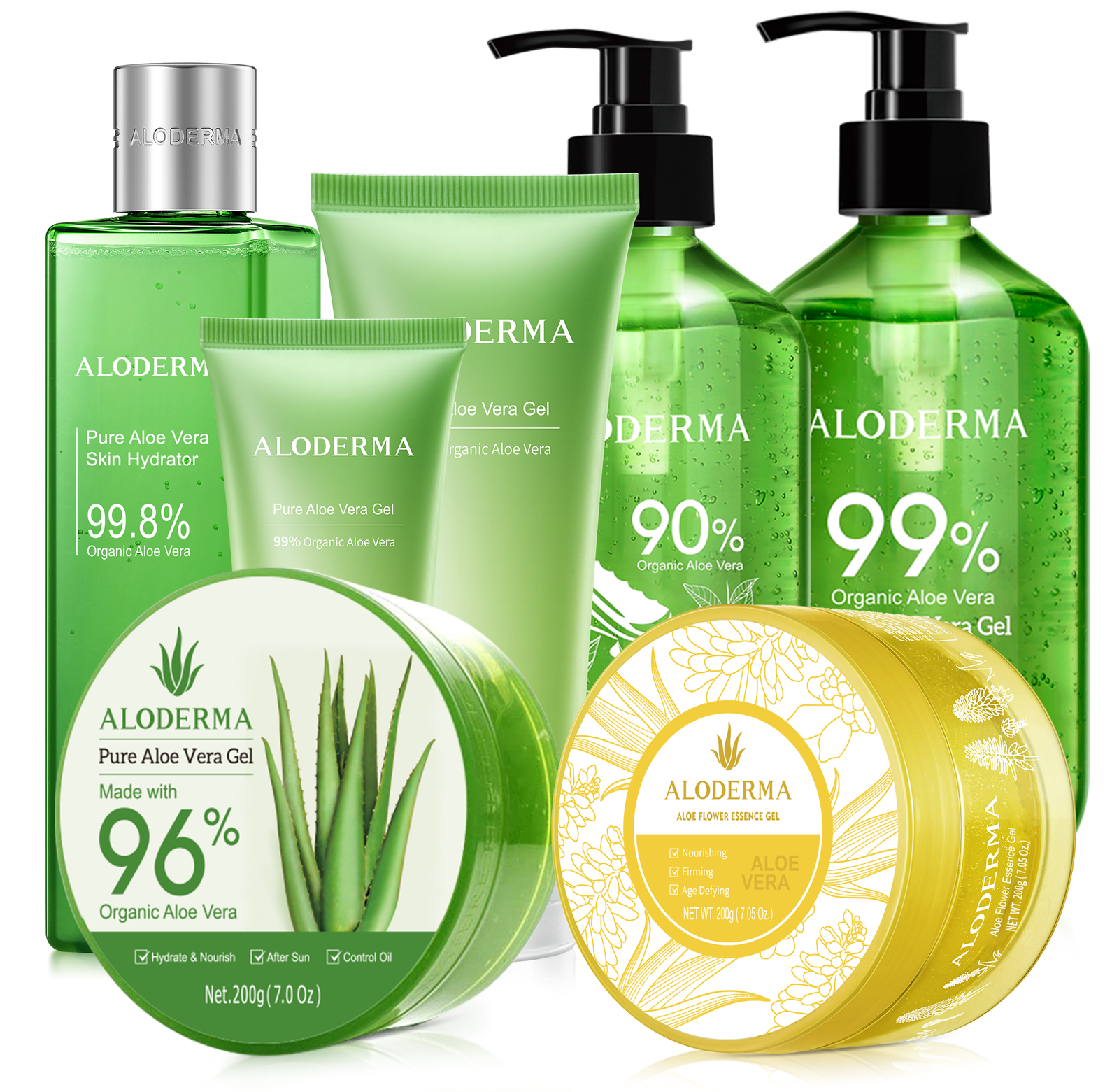
That's also why Aloderma's farm-to-skin approach fits naturally into after sun care. Aloderma is a fully vertically integrated aloe vera company. It grows its own organic aloe vera, processes it on-site, and manufactures within 12 hours of harvest so the aloe used across the line stays as bioactive as possible. For post-sun skin, that freshness matters because this is exactly when bland, heavily fragranced formulas tend to disappoint.
Immediate Steps for Soothing Post-Sun Skin
You come inside, your skin still feels hot, and the temptation is to throw every soothing product at it. Resist that urge. In the first hour, skin usually responds best to a short recovery routine that lowers heat, reduces moisture loss, and avoids extra irritation.

Start with cooling, then hydrate
Order matters here. Cooling first helps calm that lingering heat in the skin. Hydration works better after that, especially when it is applied to slightly damp skin. Patient.info's guide to what aftersun does explains why after-sun products are mainly about comfort and moisture support, not reversing sun damage.
Use this sequence:
-
Take a cool shower or bath
Keep the water comfortably cool. Ice-cold water can feel dramatic, but it may be too harsh on skin that already feels stressed. -
Pat dry, don't rub
Leave a little water on the skin. That gives your next layer something to hold onto. -
Apply a simple hydrating layer right away
Aloe gel works well at this stage because it is light, easy to spread, and less likely to feel suffocating on warm skin.
What helps right away
Fresh aloe earns its place in after-sun care because it does more than give a quick cooling sensation. It adds water, supports a more comfortable skin feel, and layers easily under the richer products you may need later if dryness sets in. That makes it useful in a full skin recovery ritual, not just as a temporary fix.
ALODERMA Pure Aloe Vera Gel fits this step well because the formula centers on fresh organic aloe rather than using aloe as a minor add-in. For post-sun skin, that difference shows up in how the product feels. It goes on cleanly, absorbs without much residue, and is easy to reapply if the skin starts feeling warm or tight again.
For a more detailed look at using aloe after too much sun, Aloderma's article on aloe vera sunburn relief is a useful companion.
Don't expect after-sun care to erase UV exposure. Its job is to improve comfort, restore hydration, and support barrier recovery.
That trade-off matters. A cooling gel can make skin feel better fast, but the bigger win is helping stressed skin recover with less dryness and less irritation over the next day or two.
A quick visual guide can help if you're deciding what to do first:
Skip these in the first hour
- Hot showers because they can increase dryness and keep skin feeling overheated.
- Strong fragrance because freshly sun-exposed skin is often more reactive.
- Exfoliating acids or scrubs because they add friction and irritation when the barrier is already struggling.
If skin feels hot, tight, and tender, keep the routine boring on purpose. Simple care usually works better than an overloaded routine.
How to Gently Cleanse and Layer Hydration
Once the immediate heat has settled, the next job is keeping skin comfortable through the evening and into the next morning. At this point, routine matters more than quantity. One thick application can feel nice, but thoughtful layering usually works better.
Cleanse like your skin is already dry
After sun exposure, harsh cleansing makes everything worse. Avoid squeaky-clean body washes and strongly foaming face cleansers. Use a mild cleanser that removes sweat, sunscreen, and salt without leaving that stripped feeling behind.
A simple way to think about it is this:
| Step | What to choose | What to avoid |
|---|---|---|
| Cleanser | Mild, low-fragrance, non-stripping wash | Harsh foaming or heavily perfumed wash |
| First layer | Lightweight hydrating gel or toner | Acid toner or exfoliating pads |
| Final layer | Lotion or cream that seals in comfort | Thick, heavily scented formula that feels suffocating |
Layer from thin to thick
After-sun layering works a lot like getting dressed in changing weather. Start with the lightest step and finish with the one that helps everything stay put.
A practical sequence looks like this:
- Hydrating mist or toner if your skin likes it and it doesn't sting.
- Aloe gel or hydrating serum for the first real drink of water.
- Lotion or cream to hold that moisture in.
This is also where newer after sun care has become more interesting. A dermatology trade discussion from Practical Dermatology on the rise of after-sun care notes a growing emphasis on formulas that include antioxidants such as vitamins C and E to help address oxidative stress and support the skin's natural recovery processes following UV exposure.
A useful trade-off to remember
A very light gel feels amazing right away, but it may not be enough on its own by bedtime if your skin still feels dry. A richer cream lasts longer, but if you apply too much too soon on hot skin, it can feel uncomfortable.
Practical rule: Use a cooling hydrator first. Add a lotion later if your skin still feels tight after twenty to thirty minutes.
That staggered approach usually feels better than putting on a heavy product all at once. It also helps you avoid the common mistake of confusing greasiness with hydration.
Ingredients to Embrace and Ingredients to Avoid
Reading an after-sun label gets easier when you stop asking, “Is this marketed for sun?” and start asking, “Will this feel kind to stressed skin?” That question usually gives you a better answer.

Reach for supportive ingredients
Some ingredients consistently make sense after sun exposure because they focus on hydration and comfort.
- Aloe vera helps deliver light, immediate hydration and a soothing feel.
- Glycerin pulls water into the outer layers of skin and plays well in both gels and lotions.
- Hyaluronic acid works well when skin feels dehydrated and papery.
- Panthenol is a smart addition when you want softness without heaviness.
- Vitamin E can be useful in formulas designed for post-sun support.
If you want a general label-reading primer before shopping, Aloderma's guide to ingredients to avoid in skincare is helpful for spotting formulas that may be too aggressive.
Be careful with these
Often, people find themselves sabotaging their own routine.
| Better choice | Riskier choice | Why it matters after sun |
|---|---|---|
| Fragrance-light lotion | Strongly perfumed body cream | Warm skin may react badly to heavy scent |
| Alcohol-light gel | Alcohol-heavy splash or spray | Can leave skin feeling drier |
| Plain hydrator | AHA, BHA, or scrub | Exfoliation is often too much right now |
| Breathable lotion | Very occlusive, heavy layer on hot skin | Can feel uncomfortable when skin still holds heat |
I also like practical surf and beach guides because they often reflect real-world use instead of vanity-routine thinking. Blitz Surf Shop's Sun Bum guide is a good example of the kind of everyday sun-care perspective that reminds people to think beyond one product and look at the whole routine.
The easiest filter
If a product smells loud, tingles for no good reason, or leaves your skin feeling trapped under a waxy film, it probably isn't the right after-sun choice for that day.
What works is usually less exciting on paper. Fresh aloe. Humectants. Light moisture. Low fragrance. Repeat as needed.
Your Recovery Plan for the Days Ahead
The day after sun exposure is when people often stop paying attention. That's exactly when dryness tends to show up. Skin may look calmer by morning, but still feel rough, tight, or uneven by afternoon.
Even without a visible burn, UV exposure continues to affect the skin after you're out of the sun. An after-sun routine that includes cooling and moisturizing is still useful for minimizing delayed damage and supporting the barrier, as noted in People4Ocean's after-sun skin health article.

What to do over the next few days
A good recovery plan is repetitive by design. Skin usually responds better to steady care than to a single rescue product.
- Keep moisturizing even if redness fades quickly. Dryness often lasts longer than visible heat.
- Avoid more direct sun while skin still feels tender or depleted.
- Return to daily sunscreen use before your next outdoor block.
- Choose soft clothing if skin feels sensitive to friction.
That last point gets overlooked. Fabric can make a real difference when shoulders, chest, or thighs feel touchy after a long day outside. If you spend a lot of time in and out of the water, post-surf comfort clothing is a useful reminder that recovery isn't only about products. What touches your skin matters too.
If there's no burn, do this anyway
This is one of the most useful shifts in after sun care thinking. You don't need obvious redness to justify care. If you spent time outdoors and your skin feels drier, warmer, or less balanced than usual, recovery steps still make sense.
A simple evening check helps:
If your skin feels tighter at 8 p.m. than it did at breakfast, it probably needs another light layer of hydration.
For ongoing support, focus on consistency. Reapply a gentle lotion when skin starts to feel dry again. Keep showers lukewarm. Give actives a short break if your face feels reactive. If you need help building that hydration habit, Aloderma's guide on how to hydrate skin offers practical ways to keep moisture levels more stable from day to day.
When Your Skin Needs More Than Home Care
Most post-sun discomfort settles with cooling, hydration, and patience. Sometimes it doesn't. When skin is far more uncomfortable than expected, it's smart to stop guessing.
Pay attention if you have widespread blistering, severe discomfort that isn't improving with gentle care, or if you start to feel generally unwell with symptoms such as chills or dizziness. That's the point where home care may not be enough, and it makes sense to check in with a healthcare professional.
This isn't about being alarmist. It's about respecting what your skin is telling you. Products can support comfort and hydration, but they have limits.
The most reliable after sun care routine is also the least flashy. Cool the skin. Add hydration while it's still damp. Keep the routine gentle for the next several days. Use formulas that prioritize comfort over fragrance and marketing claims. And when aloe is the core of the formula, freshness matters.
If you want to build a calmer, simpler post-sun routine, explore ALODERMA and look for fresh aloe-based formulas that support hydration and everyday skin comfort. Because Aloderma grows its own organic aloe, processes it on-site, and manufactures within 12 hours of harvest, the aloe in each formula stays central to the routine instead of acting like a token ingredient.