







You spot pure peppermint oil in a tiny amber bottle, read words like “refreshing” and “clarifying,” and it's easy to think it belongs everywhere. A drop in your body oil. A little in your shampoo. Maybe even straight onto a breakout or a tired temple.
That's usually where confusion starts.
Pure peppermint oil can feel energizing, crisp, and surprisingly effective, but it's also one of those ingredients that asks for respect. The same strong menthol note that makes it feel fresh can also make skin sting, eyes water, and sensitive areas react fast if you use too much or use it the wrong way.
For skin care, the smartest approach is balance. You want the wake-up effect without the regret. That's why peppermint works best when you pair it with something softening and water-rich, especially fresh aloe vera. That contrast matters. Peppermint brings the tingle. Aloe brings the cushion.
Your Introduction to Pure Peppermint Oil
A lot of people first meet pure peppermint oil in one of two places. In a wellness aisle, where every label sounds calming and clean. Or online, where short videos make it look simple enough to dab on and go.
It isn't that simple.
Pure peppermint oil is a concentrated essential oil from the peppermint plant, Mentha × piperita, and concentration is the whole story. That bright scent can make a room feel cleaner in seconds. It can also overwhelm skin if you treat it like a regular face oil or a casual add-in.
Why people love it
People reach for peppermint oil when they want a quick sensory reset. After a long commute, a workout, or a heavy-feeling skin day, that cool minty lift can feel immediate and satisfying. On the skin, it often creates a fresh, just-cleansed sensation. In the air, it can make a stale room feel sharper and more awake.
If you enjoy scented self-care, browsing examples of aromatherapy peppermint oil applications can help you see how people use the aroma in everyday rituals without turning it into a cure-all.
Where readers get tripped up
The biggest mistake is assuming “natural” means “gentle at full strength.” It doesn't. Essential oils are concentrated plant compounds, not diluted skin serums. Peppermint is a perfect example because it feels cool, and people often mistake coolness for safety.
Practical rule: If an ingredient creates a strong sensory response right away, use less of it, not more.
Another common mix-up is thinking any peppermint product is the same thing. A steam-distilled essential oil is very different from a mint-flavored extract used in food, and it behaves very differently on skin.
A better way to think about it
Think of pure peppermint oil as a booster, not a base. It's the accent note in a routine, not the whole routine. When you approach it that way, it becomes easier to use wisely.
For sensitive or easily unsettled skin, the best partner is a soothing medium that helps spread that potency more evenly. Fresh aloe vera is one of the most intuitive pairings because it can soften the overall feel and add hydration while peppermint contributes the brisk, revived sensation many people want.
Understanding Pure Peppermint Oil's Potency

Pure peppermint oil starts with the peppermint plant, Mentha × piperita, which is a hybrid of watermint and spearmint. Producers typically steam-distill the plant to collect the aromatic oil. If you've ever brewed tea and noticed how much stronger the flavor becomes as the leaves steep, you already understand the basic idea. Distillation takes that concentration much further.
This is why one small bottle can feel so powerful.
Why a few drops go a long way
The yield is surprisingly low. In commercial extraction, peppermint oil recovery from fresh Mentha piperita plants averages 0.3% to 0.5% by weight, which means roughly 200 to 330 kilograms of fresh peppermint leaves are needed to produce 1 kilogram of pure peppermint oil according to peppermint extraction data.
That helps explain why pure peppermint oil doesn't behave like a simple botanical water or herbal toner. It is a concentrated end product made from a large amount of plant material.
Another reason it feels strong is menthol, the main active compound in peppermint oil. Menthol makes up 40% to 55% of the oil's total composition, and its cooling effect on skin is linked to TRPM8 ion channels, which can be activated at concentrations as low as 0.1% in aqueous solutions. That cooling signal can feel pleasant, but it also tells you how responsive skin can be to even small amounts.
What quality looks like on a label
Shopping for pure peppermint oil can get confusing fast because bottles often look similar. Start with the botanical name, Mentha × piperita. If the label doesn't clearly identify the plant, that's your first reason to pause.
Then look for clues that the brand takes purity seriously:
- Botanical clarity: The label should name the plant, not just “mint oil.”
- Testing language: Many careful brands mention GC/MS testing, which helps confirm the oil's chemical profile.
- Sourcing detail: The more transparent the brand is about origin and extraction, the easier it is to trust what's inside.
If you want a skin-care-focused look at peppermint as an ingredient rather than as a loose essential oil, this guide to Mentha piperita peppermint leaf extract is a useful comparison point.
A concentrated ingredient can be excellent in the right formula and far too much on its own.
Refreshing Benefits for Your Skin and Mind
There's a reason peppermint shows up in shower products, scalp treatments, foot care, and spa blends. It gives instant feedback. You apply it, inhale it, or wash with it, and you notice something right away.
For many people, that “something” is relief from dullness. Not medical relief. Sensory relief. The skin feels cleaner. The mind feels less stuck.

What it feels like on skin
Think about the end of a hot day when your face feels shiny, your scalp feels heavy, and your body wants a reset. A properly diluted peppermint blend can create that just-stepped-out-of-the-shower sensation, especially on the scalp, neck, shoulders, and legs.
People with oily-feeling skin often like peppermint in rinse-off formulas or carefully diluted spot applications because it gives a clean, brisk finish. The appeal isn't just the scent. It's the tactile experience of cooling and freshness.
What it can do for your senses
Peppermint's aroma is also popular in focus rituals. Some people keep it nearby while studying, working through an afternoon slump, or settling into a home spa routine with candles, bath soaks, and relaxing spa aromatherapy gifts that create a more intentional reset.
That energizing reputation isn't just folklore. A 2013 study found that ingesting 50 µL of pure peppermint essential oil produced rapid physiological changes and significantly decreased visual and audio reaction times, suggesting enhanced attentional processing and motor response in the study setting, as reported in the 2013 peppermint oil study.
The real-life sweet spot
The most useful way to think about peppermint is not “more equals better.” It's “small amounts create a strong experience.” That matters for both scent and skin.
A realistic routine might look like this:
- After exercise: A diluted peppermint gel on the legs feels refreshing and light.
- During work: A minty aromatic moment can help break up mental heaviness.
- At the sink: A cleanser or scalp wash with a subtle peppermint note can leave you feeling reset, not overloaded.
The best peppermint experience is usually the one that feels noticeable but never harsh.
A Non-Negotiable Guide to Safe Application
If you remember one thing, make it this: never apply pure peppermint oil directly to your skin.
That advice isn't optional. People skip it because peppermint smells familiar and feels clean, so they assume it's forgiving. It isn't. Pure essential oil can trigger stinging, redness, watering eyes, and a burning sensation fast, especially on the face, around the nose, and near the lips.
Start with dilution, every time
Before peppermint oil touches skin, mix it into a carrier. That carrier might be a plain plant oil for body care, or it might be a neutral gel base if you're making a cooling treatment.
For facial use, stay conservative. For body use, you can still be careful without being timid. Aromatic use is different again because the goal is scent in the air, not skin contact.
Here's a simple reference point.
| Application | Concentration | Recipe (per 1 ounce / 30ml carrier oil) |
|---|---|---|
| Face | Low | 1 drop peppermint oil in 1 ounce / 30ml carrier |
| Body | Moderate | 2 to 3 drops peppermint oil in 1 ounce / 30ml carrier |
| Targeted cooling body gel | Moderate | 2 drops peppermint oil in 1 ounce / 30ml gel base |
| Scalp pre-wash blend | Low to moderate | 1 to 2 drops peppermint oil in 1 ounce / 30ml carrier |
| Aromatherapy diffuser | Follow product directions | Don't apply undiluted oil from the diffuser to skin |
Patch testing isn't extra work
A patch test saves you from turning curiosity into a problem. Apply your diluted blend to a small area first and wait before using it more widely. If you need a practical walkthrough, this step-by-step guide on how to patch test skincare makes the process easy to follow.
Watch for signs that the oil is too strong for you. Tingling can be normal. Sharp burning, lingering discomfort, or visible irritation is not.
Two myths to drop immediately
One myth is that peppermint oil can take the place of sunscreen. It can't. Coverage on this topic often misses how little protection it offers on its own. Research discussed by Curology notes that peppermint oil has only minimal sun-protective potential, around SPF ~7, and shouldn't replace sunscreen in any real routine. It may appear in products alongside traditional sun protection, but it isn't your UV shield.
The other myth is that if an adult can tolerate peppermint, it must be fine for everyone. That's especially dangerous around children. The NCCIH warns against using peppermint oil on infants' faces because menthol inhalation can trigger serious breathing-related reactions, including respiratory distress or reflex apnea, as noted by the NCCIH peppermint oil guidance.
Keep pure peppermint oil away from infants' faces, eyes, and any situation where strong vapors could be inhaled up close.
The Ultimate Soothing Blend with Fresh Aloe Vera

Peppermint and aloe do very different jobs, and that's exactly why they work so well together. Peppermint gives you that lifted, brisk, awakened feeling. Aloe adds slip, moisture, and a gentler landing on the skin.
If you've ever used a minty product that felt too sharp, aloe is the kind of buffer that makes the experience more comfortable.
Why aloe changes the experience
Aloe helps turn peppermint from “too much” into “just enough.” Instead of feeling like a blast of menthol on bare skin, you get a more even, hydrated application. That's useful for post-workout body care, scalp comfort, and any moment when you want freshness without heaviness.
This is also where product quality matters. A fresh aloe base behaves differently from a formula built around fillers. If you're comparing mint-forward skin care ideas, this article on organic mint oil gives more context for how mint ingredients can fit into a gentle routine.
Two simple blends to try
Use these as low-strength ideas, not as a reason to keep adding more drops.
Post-workout leg gel
Stir 1 drop of pure peppermint oil into 1 ounce / 30ml of plain aloe gel. Apply a thin layer to legs after a shower when you want that clean, revived feel.
Keep it away from freshly shaved areas if your skin tends to react. Start small, then decide if you even need to use it again the same week.
Scalp soother before washing
Mix 1 drop of pure peppermint oil into 1 ounce / 30ml of aloe gel, then smooth a light amount along the scalp before shampooing. Leave it on briefly, then rinse and cleanse as usual.
This can feel especially nice on days when your scalp feels warm, oily, or weighed down by styling product.
Who should skip DIY peppermint blends
DIY isn't always the right answer. If your skin is highly reactive, your barrier feels compromised, or you're pregnant and trying to simplify your routine, a pre-blended formula or a gentler aromatic option may be the better path. For people looking specifically for a milder aromatic route, this Pregnancy-safe essential oil option is an example of how some shoppers choose a calmer blend instead of reaching for straight peppermint.
Fresh aloe and peppermint work best as a contrast. One cools the mood. The other softens the edge.
Common Questions About Pure Peppermint Oil
Can I add peppermint oil to my shampoo
Yes, but keep the amount low. The easiest way is to mix a small amount into a single use in your palm instead of dropping it into the whole bottle. That lets you control strength and stop quickly if your scalp doesn't enjoy it.
If your scalp is sensitive, a pre-wash diluted gel or oil is often easier to manage than turning your entire shampoo into a mint treatment.
Is peppermint extract the same as pure peppermint oil
No. They're easy to confuse because both smell minty, but they're made and used differently. Pure peppermint oil is a concentrated essential oil. Peppermint extract for baking is a food flavor ingredient and may contain other components that don't belong in skin care.
If the bottle came from the baking aisle, don't treat it like a skin-care ingredient.
How do I know if the tingle is normal or a bad sign
A mild, brief cooling sensation can be normal with a properly diluted peppermint blend. Trouble starts when the feeling shifts from cool to hot, sharp, or persistent.
Stop using it if you notice:
- Burning instead of cooling: That's your sign the blend is too strong.
- Visible redness that keeps building: A brief flush can happen, but ongoing irritation means wash it off.
- Watery eyes or strong fumes: The product is too close to the eye area or too concentrated for comfort.
Can I use it every day
Some people can tolerate frequent use in rinse-off or low-strength body formulas, but daily use isn't automatically better. It depends on where you apply it, how diluted it is, and how your skin responds.
Peppermint generally works best as an occasional reset ingredient rather than a nonstop daily one.
How should I store it
Keep the bottle tightly closed, away from heat, direct light, and steamy bathroom conditions when possible. A cool, dark cabinet is usually a better home than the shower shelf.
Because the scent is so strong, store it upright and separate from products that can absorb aroma easily.
Embrace the Tingle Wisely
Pure peppermint oil earns its reputation. It can make skin feel fresh and your senses feel more alert in a way that's easy to notice. But the best results come from restraint, not enthusiasm. Dilute it, patch test it, and keep it away from vulnerable areas and young children.
For a more balanced ritual, pair peppermint's crisp edge with the soft, hydrating feel of fresh aloe vera. That combination reflects a smart skin philosophy. Potent ingredients can be useful, but gentle support is what makes them wearable.
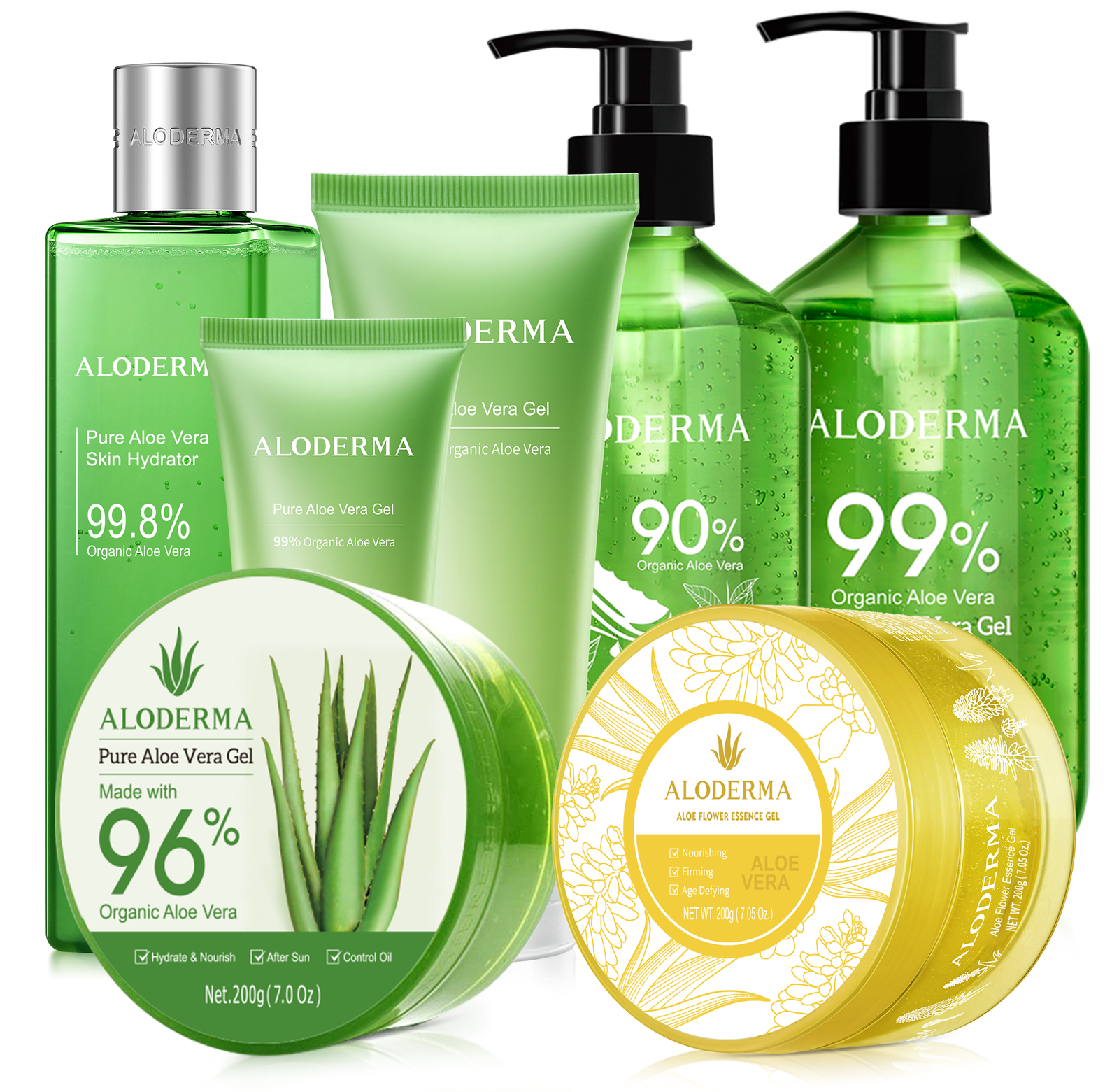
If you want that soothing aloe side of the equation in your routine, explore ALODERMA. Aloderma is a fully vertically integrated aloe vera company that grows its own organic aloe vera and processes and manufactures onsite within 12 hours of harvest so the primary ingredient in every product is as bioactive and effective as possible. For everyday hydration, try the Aloe Vera Gel collection, or browse the full product range to check ingredients and find a gentle match for your skin.