

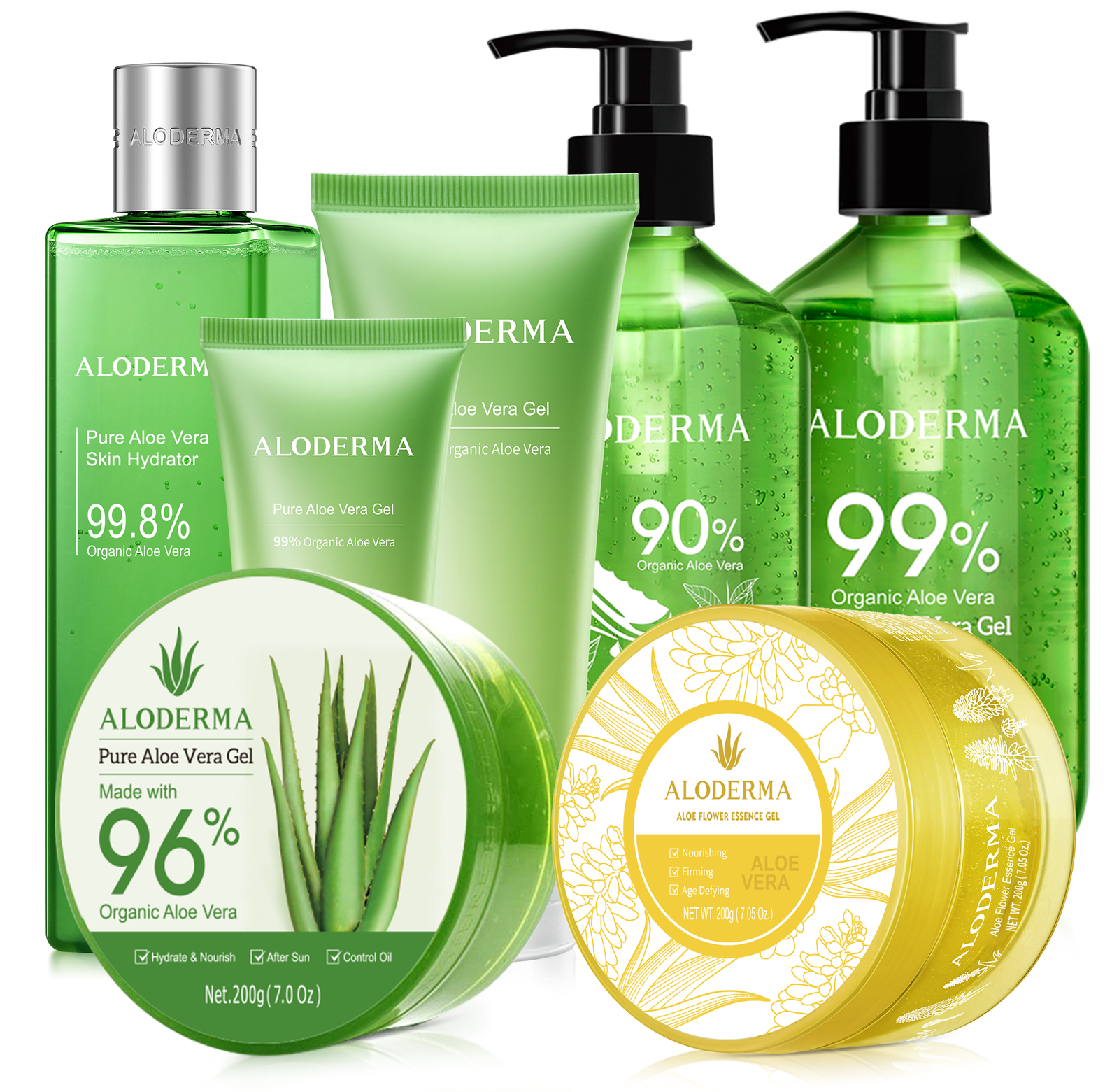


You're standing in the skincare aisle or scrolling online, holding two aloe bottles that look almost identical. One has the green USDA Organic seal. The other says “made with organic aloe,” and both sound clean, careful, and trustworthy. That tiny difference in wording changes the whole story, because USDA Organic is a regulated certification, not just a nice-sounding label.
That's where shoppers get stuck. The front of the bottle can feel simple, but the standard behind it has real rules about how ingredients were grown, how products were handled, and how much of a formula can be called organic. If you've ever wanted a plain-English guide to what does USDA Organic mean on skincare, this is the one to keep close.
A good place to start is a broader primer on the category, like the guide to organic industry info, which helps frame why the label matters beyond buzzwords. Once you understand the system, the bottle on shelf gets a lot easier to read.
Two Bottles, One Question
A shopper comparing two aloe gels often sees the same green color, similar claims, and nearly the same shelf placement. One bottle carries the USDA Organic seal, while the other uses softer language like “made with organic aloe.” They may both belong in a clean routine, but they do not tell the same production story.
The confusion starts with the front label
The USDA seal means the product cleared a federal certification system under the National Organic Program, with review by a USDA-accredited certifying agent and rules that cover how the agricultural inputs were produced and handled USDA organic basics. That's a different promise from a brand saying it uses organic ingredients somewhere in the formula.
For skincare shoppers, this matters because the word organic gets used loosely in marketing. A bottle can sound earthy and gentle without meeting the USDA standard, and that's where people overpay or assume more than the label says.
Practical rule: if a product's front label sounds organic but you can't find the USDA seal or the tier wording, slow down and check the ingredient panel and certifier details.
What this article helps you spot
There are four things worth learning together. First, what the seal certifies. Second, how the label tiers work. Third, how to verify a product before you buy. Fourth, how all of that connects to sensitive-skin shopping, especially when aloe is the hero ingredient.
That's the lens to use with a vertically integrated aloe company like ALODERMA, where the crop, the processing, and the finished bottle are part of the same traceable path. The bottle is easier to trust when the farm story is visible.
USDA Organic as a Production Standard, Not a Quality Promise
USDA Organic is a regulated certification system, not a vague wellness phrase. The rulebook lives under the National Organic Program, and certification comes from a USDA-accredited certifier that checks whether the operation follows the federal standard USDA organic standards. That means the label is about how something was produced and handled, not about whether it will feel richer, work faster, or suit every shopper.
Think of it as a farming playbook
For crops, the land has to go three years without prohibited substances before harvest USDA organic intro. The operation also has to document an Organic System Plan, which covers soil fertility, pest control, seed sourcing, and buffer zones USDA Organic Certification Guidelines Q&A. In plain language, the farmer has to show the exact system being used, not just promise good intentions.
The standard also prohibits key practices such as genetic engineering, ionizing radiation, and sewage sludge use USDA organic standards. So when you see USDA Organic on an aloe crop, you're seeing a verified process for how that aloe was grown, not a claim that the final gel is automatically superior.
What the label does not promise
USDA materials frame organic as a production standard, not a direct quality or safety guarantee USDA organic label meaning. That distinction matters in skincare. A moisturizer can be USDA Organic and still be too rich for one person, while another formula without the seal can still be a good fit for a particular routine.
The cleanest way to read the label is to ask a simple question, what part of this bottle is being certified? If the answer is the agricultural input, the handling, and the certification trail, you're looking at a production standard doing its job.
The Three Label Tiers Every Shopper Should Recognize
Two skincare products can both sound organic and still sit in very different places on the USDA scale. The tiering is what keeps shoppers from treating every “organic” claim as identical. The wording on the front of the bottle tells you how much of the formula qualifies.

The thresholds in plain language
The USDA recognizes three practical tiers for multi-ingredient products. Products labeled “organic” must contain at least 95% organic ingredients and can use the USDA seal USDA organic intro. Products labeled “made with organic [ingredient]” must contain at least 70% organic content and cannot use the seal QIMA explanation of USDA tiers. Products below 70% may list organic ingredients on the back, but they can't present the front of the bottle as an organic claim.
The most useful way to read this is by shelf behavior. A full USDA Organic moisturizer says the formula is overwhelmingly organic by the standard. A “made with organic aloe” lotion is still making a narrower claim. A product below 70% may contain organic components, but it can't market itself as organic in the same way.
Here's a simple comparison:
| Tier | Minimum Organic Content | Front-Label Wording Allowed | USDA Seal Allowed |
|---|---|---|---|
| Full organic tier | At least 95% | “Organic” | Yes |
| Intermediate tier | At least 70% | “Made with organic [ingredient]” | No |
| Below organic threshold | Under 70% | Individual organic ingredients only on the back | No |
Why this matters for skincare
In aloe-based skincare, this is the difference between a bottle that is mostly built around certified organic agricultural inputs and one that merely includes an organic hero ingredient somewhere in the mix. If you're comparing two moisturizers, the tier tells you how much of the formula is covered by the organic standard.
For a practical product example, ALODERMA's product information on its organic skincare products shows how a brand can present a clearer farm-to-bottle story when the formula sits in the higher tier. That's the kind of transparency shoppers should look for before they decide a bottle is organic.
How a Farm Becomes Certified, Step by Step
USDA certification doesn't happen because a grower decides to use the word organic. It happens because the operation can document a system that keeps the farm in compliance year after year. On an aloe farm, that means the field, the records, and the handling practices all have to line up.
The paperwork trail starts before harvest
The process begins with an Organic System Plan, or OSP. USDA says the OSP is the foundation of certification, and it must spell out practices, substances, recordkeeping, and barriers against commingling Organic Certification Guidelines Q&A. For a grower, that means showing how soil fertility is managed, how pests are handled, where seed or seedlings come from, and how organic crops stay separated from non-organic ones.
Then comes the transition period. The land must be free of prohibited substances for at least three years before harvest USDA organic intro. After that, an accredited certifier performs an on-site inspection and reviews the records before making a certification decision need to be certified.
Certified organic status is closer to a file folder than a marketing slogan. If the records don't match the field, the claim doesn't hold.
The same logic follows the crop into the bottle
Once the aloe leaves are harvested, handling matters just as much as growing. USDA certification covers nearly every operation that produces or handles organic agricultural products, with narrow exemptions for some small or direct-to-consumer businesses need to be certified. That's why a real organic claim usually comes with a certifier name and a paper trail, not just a sentence on the front label.
A vertically integrated model can make the story easier to follow. ALODERMA states that it grows its own organic aloe, processes it on-site, and manufactures within 12 hours of harvest, which keeps the ingredient path tightly controlled from field to finished product. That kind of chain helps shoppers see how the USDA standard reaches the bottle instead of stopping at the farm gate.

What the Seal Guarantees on a Skincare Bottle
A skincare bottle with the USDA Organic seal is making a narrower, more useful promise than many shoppers realize. It's saying the organic agricultural ingredients were grown and handled under USDA rules, that prohibited substances and prohibited processes were avoided, and that a USDA-accredited certifier has reviewed the operation USDA organic label meaning. That's real value when you care about traceability.
What you can trust the seal to cover
The seal is a signal about origin and handling. If aloe is listed as certified organic, the crop was produced under the federal standard, not just described that way by a brand. If the bottle is multi-ingredient and still earns the USDA Organic label, that formula has cleared the 95% threshold discussed earlier.
For shoppers who want a concrete comparison, a product like organic tsubaki camellia facial oil shows how organic ingredient claims can be paired with a formula built around specific plant oils. The USDA seal on a skincare item means the ingredient story has been checked, not that the bottle is automatically the right texture or feel for every face.
What the seal does not guarantee
The seal does not certify finished-product performance. It does not promise that a moisturizer will feel lighter, absorb faster, or suit sensitive skin better than another option. USDA's own framing keeps the label anchored to production, not to superiority claims USDA organic label meaning.
That's why ingredient transparency still matters. A formula can be USDA Organic and still deserve a close look for texture, fragrance, and the rest of the INCI list. ALODERMA's USDA organic beauty products page is useful because it connects the standard to skincare formats shoppers use, like gels, creams, and masks.
How to Verify the USDA Organic Seal Before You Buy
A real USDA Organic product should make verification easy. If you're standing in front of a bottle or reading a product page, the same few checks will tell you a lot. The point is not to become a compliance expert, just to avoid getting fooled by organic-looking design.

Start with the label and the certifier
Look for the USDA seal on the front of the package if the product claims the full organic tier. Then check the wording. If it says “Organic,” you're looking for the 95% tier. If it says “Made with organic [ingredient],” you're in the 70% tier, and the seal should not be there USDA organic intro.
Next, find the certifier name on the package or product page. USDA says certification depends on accredited certifiers, so that name is part of the trust trail need to be certified. If the label is vague and the certifier is missing, that's a reason to pause.
Read the ingredients list like a shopper, not a marketer
The ingredient list tells you what else is in the bottle. Organic doesn't mean every part of the formula is organic, especially in lower tiers, so the back label matters. On a website, product pages should show the full ingredient list clearly, along with the organic designation.
If you want a practical example, ALODERMA product pages on ALODERMA present the kind of certification and ingredient transparency shoppers can use to compare options quickly. That's the same habit to build on any skincare site, whether you're buying aloe gel, a toner, or a face cream.
Myths That Make Shoppers Overpay or Overlook Real Options
A lot of skincare confusion starts when people assume organic means more than the label says. The USDA standard is precise, but marketing language is not always so careful. That gap creates a few expensive myths.
Myth one, organic always means gentler
The label does not certify how a product feels on sensitive skin. It certifies how the agricultural ingredients were produced and handled USDA organic label meaning. A shopper who wants a softer-feeling routine still needs to check the whole formula, not just the seal.
Myth two, imported organic is less real
USDA says operations outside the U.S. can still be certified if they follow the same standards through USDA-accredited certifiers organic basics. That means origin alone doesn't make an organic claim stronger or weaker. The question is certification, not geography.
Myth three, organic means unprocessed
USDA Organic is a production standard, not a promise of rawness. An ingredient can be organically grown and still be processed, blended, or manufactured into a finished cosmetic. What matters is whether the approved methods were followed and the prohibited ones were avoided.
Myth four, a few organic hero ingredients make the whole bottle organic
That only works if the formula meets the tier threshold. At least 95% organic content is needed for the full organic label and seal, while 70% only allows “made with organic [ingredient]” wording QIMA USDA tiers. A bottle with one organic botanical and a long list of non-organic ingredients is not automatically USDA Organic.
Rule of thumb: if the front label sounds organic, the tier wording and certifier details should make the claim easy to verify, not harder.
A Simple Way to Buy USDA Organic Skincare With Confidence
Start with the seal, then read the tier wording, then check the certifier. After that, scan the ingredient list and decide whether the rest of the formula fits your routine. If you care about packaging, vegan status, or cruelty-free standards, use those as separate filters, because USDA Organic doesn't cover them by itself.
The most reassuring brands are the ones that show where the organic input comes from and how quickly it reaches the line. ALODERMA's model is straightforward on that point, it grows its own organic aloe, processes it on-site within 12 hours of harvest, and finishes skincare products with a traceable aloe story that matches the label. That kind of supply-chain clarity gives shoppers a better way to judge what they're buying.
Organic is a starting line, not a finish line. The best routine pairs a verified production standard with a formula that suits your skin, your texture preferences, and the way you like to cleanse, hydrate, or layer.
If you want skincare that keeps the aloe story clear from field to bottle, explore ALODERMA and look for the product details, certifications, and ingredient lists that make comparison easy. You'll find aloe-based essentials built around freshness, traceability, and a simple farm-to-skin path that fits this label conversation perfectly.