







You twist open your serum, press the bulb, and watch a clear line of liquid climb into the pipette. It feels simple. Almost invisible. Users often focus on the formula and barely think about the bottle.
That little 1 oz dropper bottle does more work than it gets credit for.
For ingredient-conscious skincare users, packaging isn't just about shelf appeal. It shapes how much product reaches your skin, how clean the formula stays after opening, and how well delicate plant actives hold up over time. If you care about freshness, dosing, and getting what you paid for, the bottle matters almost as much as the ingredient list.
That matters even more with fresh aloe vera skincare. Aloe is not the kind of ingredient you want treated casually. A company that grows its own organic aloe, processes it quickly after harvest, and manufactures onsite protects potency at the start. The bottle has to protect it at the finish. That farm-to-skin chain only works if the final package keeps the formula stable and easy to use.
The Unsung Hero of Your Skincare Routine
You can see this in a very ordinary moment. It’s late, your skin feels tight after cleansing, and you reach for a serum you trust. You’re not thinking about neck size, UV filtering, pipette reach, or seal integrity. You just want a few clean drops that feel fresh and consistent every time.
That expectation is reasonable. It’s also the result of deliberate packaging choices.

A 1 oz dropper bottle sits in a sweet spot for skincare. It’s small enough to feel hygienic and manageable, but large enough to hold a full month-style serum format many people can use daily without the bottle feeling bulky or awkward. In practice, that means fewer spills at the sink, easier control around delicate areas, and less temptation to over-pour.
Why the bottle changes the experience
A jar invites fingers. A pump can deliver more than you want in one press. A basic bottle opening can flood product into your hand. A dropper creates a slower, more intentional interaction.
That slower delivery matters with concentrated formulas. You can place a few drops exactly where you want them. If you use aloe-based hydrators or serums, that precision helps you spread a thin layer instead of drowning the skin in product it can’t comfortably absorb all at once.
A well-chosen bottle doesn’t just hold skincare. It protects the work that happened before the formula ever reached your bathroom.
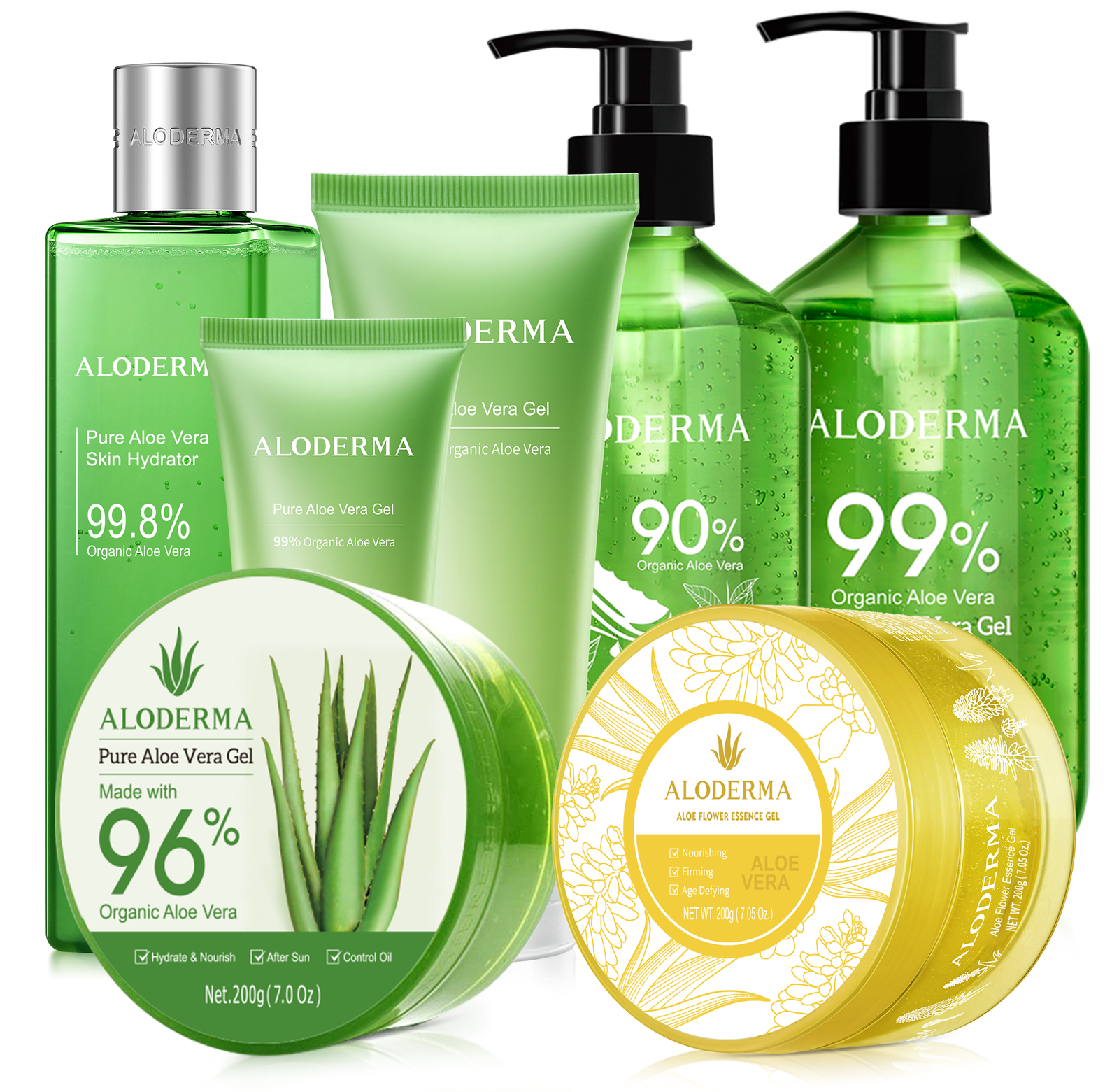
For a brand built around fresh aloe, that point becomes personal. ALODERMA is fully vertically integrated. The company grows its own organic aloe vera, then processes the aloe and manufactures onsite within 12 hours of harvest so the primary ingredient in every product remains as bioactive and effective as possible. When a formula starts that fresh, packaging isn’t an afterthought. It’s the last guardian between harvest and your skin.
Why ingredient-conscious shoppers notice the difference
If you’ve ever used two serums with similar labels but very different results, packaging may have been part of the reason. One bottle may protect the formula better. Another may expose it to more light, more air, or messier dosing.
That’s why 1 oz dropper bottles deserve a closer look. They’re small, but they decide a lot.
Anatomy of a 1 oz Dropper Bottle
A 1 oz dropper bottle looks simple until you break it into parts. Then it starts to look less like a cosmetic accessory and more like a precision tool.

The standard format is 1 oz, or 30 ml, and this size commonly uses an 18mm neck for bottles ranging from 5ml to 30ml, with droppers designed for controlled dispensing at a rule-of-thumb estimate of about 20 drops per milliliter, though actual output changes with viscosity according to this overview of 1 oz dropper bottle sizing and dispensing.
The bottle body
The bottle body is the reservoir. In skincare, you’ll often see a round profile because it’s comfortable to hold and easy to label, though square formats also exist.
What matters most is that the bottle gives the formula a stable home. It needs to stand securely on a vanity, travel well, and pair properly with the closure. If the opening and threads don’t match the cap exactly, leaks and evaporation become more likely.
Think of the bottle body as the foundation. If the foundation is wrong, the rest of the package can’t do its job.
The neck and threads
Many readers may find this part confusing, because the neck sounds boring. It isn’t.
The neck is the point where the cap screws on and where the dropper assembly seals against the bottle. On a 1 oz format, the standard neck size makes it easier to achieve a snug fit and predictable dispensing. That’s part of why this format is so common for oils, serums, and treatment liquids.
A loose fit creates problems fast:
- Leaking in transit means lost product and messy labels.
- Air exchange can stress sensitive formulas over time.
- Uneven closing pressure can make the dropper feel inconsistent from one use to the next.
The pipette and bulb
The glass or plastic tube is the pipette. The soft top is the bulb. Together, they control how the liquid is drawn up and released.
When you squeeze the bulb before dipping the pipette into the serum, you create the suction that pulls product into the tube. Release it gently, and you can control how much enters. Squeeze again over your palm or face, and the liquid leaves in drops rather than a splash.
Practical rule: If the serum feels hard to draw up or falls out too quickly, the issue may not be the formula. It may be the match between viscosity, pipette design, and bulb tension.
For aloe-based products, this matters because texture can differ from watery toners or oil-only blends. A fresh aloe serum can feel cushiony, silky, or slightly more substantial. A dropper that works beautifully for a thin facial oil may feel less precise with a different texture.
The cap and seal
The cap holds the whole assembly together. It also helps keep the product closed between uses.
A good cap should screw on smoothly and sit flush without wobbling. If you’ve ever had a bottle crust around the rim or smell “off” too soon, poor closure may have played a role. In daily skincare, small failures show up as sticky threads, dried residue, and a bottle that no longer feels clean.
That’s why the best 1 oz dropper bottles behave more like measuring instruments than decorative containers. Every piece has a job.
Why Dropper Bottles Are Ideal for Aloe Vera Serums
Aloe vera serums ask a lot from packaging. They need controlled application, clean handling, and enough protection that the formula still feels fresh by the time you reach the last few uses.
A dropper bottle fits that job well because it solves two practical problems at once. It helps you use less product more accurately, and it limits the chaos that comes from pouring liquid skincare directly from an open bottle.
Precision matters with concentrated formulas
Individuals don’t need a palmful of serum. They need a small amount placed exactly where it will spread easily.
That sounds obvious, but actual dispensing habits are often messy. Research on drop delivery found that users needed 1.8 attempts on average to deliver a single successful drop, and some bottle designs release drops five times larger than needed, as noted in this discussion of drop size and product waste. For skincare, that can mean wasted serum running down your fingers, extra rubbing, and a bottle that empties faster than expected.
If you’ve ever thought, “Why did this expensive serum disappear so quickly?” the bottle may have contributed.
A dropper slows the process down. You can place a few drops on fingertips, apply them to damp skin, and stop there. That gives lightweight aloe formulas a better chance to spread evenly without feeling sticky or overloaded.
For readers building a routine around aloe, this guide to using aloe vera for skin is helpful for thinking about amount, layering, and timing.
Protection matters just as much
Precision is only half the story. The other half is exposure.
Every time you use skincare, the package either limits disruption or increases it. A jar exposes the whole formula surface at once. A wide-mouth bottle raises similar concerns. A dropper bottle keeps the bulk of the serum enclosed and only moves a small amount through the pipette during use.
That doesn’t make any product invincible, but it does support better day-to-day handling. Less direct contact with fingers means less chance of introducing residue from cleansers, makeup, or damp hands. For aloe-forward skincare, that cleaner routine matters because fresh-feeling formulas are often exactly the ones people want to protect most carefully.
Where this helps in real life
Think about three common moments:
- Morning rush: You want a measured amount before sunscreen, not a spill.
- Post-flight skin: You need hydration, but not a heavy layer that pills.
- Reactive-feeling days: You want a few drops you can press in gently, not guesswork.
That’s why the 1 oz dropper bottle has stayed so popular in serum packaging. It matches the way people use treatment products at home.
How to Choose the Right Bottle Material
Material choice tells you a lot about a product before you even try it. It tells you what the brand expects the formula to face, how seriously it treats stability, and whether it designed the package around convenience alone or around ingredient protection too.
For active skincare, the biggest practical decision is usually amber glass, clear glass, or PET plastic.
Why light protection matters
Some skincare ingredients handle light fairly well. Others don’t. Fresh aloe formulas deserve caution because the point of using a bioactive botanical ingredient is to keep as much of that useful character intact as possible.
Type III amber glass blocks over 90% of UV light at 290 to 400 nm and protects bioactive compounds more effectively than clear glass. In clear glass, sensitive actives can lose 50% potency within a few weeks under light exposure, according to this product specification for 1 oz amber glass dropper bottles.
That’s the kind of detail ingredient-conscious shoppers should care about. If a formula starts with carefully handled aloe, the bottle should reduce light stress rather than invite it.
If freshness is part of the product story, amber glass supports that story better than clear packaging.
A simple comparison
| Material Feature | Amber Glass | Clear Glass | PET Plastic |
|---|---|---|---|
| Light protection | Strong UV shielding for light-sensitive formulas | Minimal light shielding | Varies by package design and tint |
| Ingredient-conscious appeal | Feels protective and pharmacy-like | Shows product clearly | Lightweight and practical |
| Best use case | Serums and treatment liquids that benefit from extra protection | Formulas where visual appearance is central | Travel, casual decanting, and lighter-duty use |
| Fragility | More breakable than plastic | More breakable than plastic | Less likely to shatter |
| Premium feel | High | High visual clarity, lower light protection | Functional more than luxe |
This table keeps the choice simple, but the emotional reality is simple too. If you buy skincare because you care what’s inside, it’s reassuring when the package looks like it was chosen to protect the formula, not just display it.
Glass versus plastic in daily use
Glass usually wins on perceived quality and formula protection. It feels solid, cleans up well, and pairs naturally with treatment-oriented products. Amber glass in particular sends a clear signal that the bottle has a job beyond aesthetics.
Plastic still has a place. It’s lighter, easier to toss into a gym bag, and less stressful around tile floors. If you’re decanting a product temporarily for short trips, PET can be practical.
But for long-term storage of a fresh, botanical serum, many shoppers prefer glass because it aligns with a more careful approach.
What the color tells you
Clear glass can be beautiful. It lets you see the formula, the fill level, and any appealing tint. But that visibility comes with a tradeoff when light-sensitive ingredients are involved.
Amber glass looks more clinical, and that’s part of its appeal. It signals preservation. In skincare, that can be more meaningful than visual drama.
A useful mindset is this:
- Choose clear when appearance is the priority.
- Choose amber when formula protection is the priority.
- Choose PET when portability matters most.
For aloe-focused skincare, that middle option usually makes the most sense. If a company has already invested in growing, harvesting, and processing aloe carefully, an amber 1 oz dropper bottle helps carry that care through to the last drop.
Filling and Labeling Best Practices
A 1 oz bottle can preserve a good formula, but only if it’s filled and handled cleanly. Many people slip up in this regard, especially when they decant a larger product into a travel bottle or refill a small bottle at home.
Natural skincare can feel gentle and simple. That doesn’t mean it’s casual to handle.

A 2025 EU report found a 42% rise in recalls of natural serums in dropper packaging due to microbial contamination, and proper sterilization such as a 70% ethanol soak was highlighted as important for high-water-activity formulas like fresh aloe vera in this summary of contamination risks and cleaning practices.
Clean filling habits
If you’re decanting skincare for travel or short-term use, clean technique matters more than people expect.
- Start with a fully cleaned bottle: Residue from old oils, dust, or tap water can affect what goes into the new container.
- Sanitize before filling: A 70% ethanol soak is a practical option for home users working with empty bottles.
- Let every part dry well: Moisture trapped in the pipette or bottle can create problems later.
- Avoid touching the inside surfaces: Fingers on the rim, pipette, or interior walls undo careful cleaning quickly.
Home care note: Fresh-feeling aloe products deserve the same respect you’d give food in a clean kitchen. Hands, tools, and containers all matter.
For readers who keep aloe products in different rooms or travel with smaller portions, this article about storing fresh aloe vera offers useful habits that support freshness once the product is in your home.
What labels should tell you
A small label still has an important job. Even if the bottle only lives in your bathroom cabinet, identification matters.
Good labeling should include:
- Product name so you don’t confuse a serum with a facial oil or spot treatment.
- Ingredient list if you’re decanting more than one formula and need to avoid certain components.
- Date filled so you know when the product was transferred.
- Use-by reminder based on the original product guidance and your handling conditions.
If you’ve ever found an unlabeled amber bottle months later, you already know why this matters. A professional filling line handles this with consistency. At home, you need a simpler version of the same discipline.
A small bottle needs serious habits
A 1 oz dropper bottle feels neat and low-risk because it’s small. But small bottles can hide big mistakes, especially if they’re reused casually.
Clean fill. Clear label. Tight close. Store thoughtfully.
That’s what keeps a convenient format from becoming a weak link.
Understanding Packaging Compliance and Travel Rules
Some bottle features look minor until you need them. A cap style, closure type, or controlled squeeze can seem like overengineering right up until a bottle leaks in a bag, dispenses too much onto sensitive skin, or sits where a child can reach it.
That’s where compliance-focused packaging becomes practical, not abstract.
Why child-resistant caps matter
Not every skincare product needs a child-resistant closure, but some formulas benefit from the added safety and controlled handling. A child-resistant cap adds friction to accidental opening while also creating a more deliberate user experience.
Child-resistant dropper caps compliant with ISO 8317 can dispense a controlled 0.8 mL per squeeze and resist 85% of tamper attempts by young children while remaining accessible to seniors, according to this packaging specification for CR dropper assemblies.
That tells you two useful things at once. First, the closure is designed around safety in real households. Second, controlled dispensing can improve how the product feels to use.
Why precision supports skin comfort
A controlled squeeze doesn’t just protect the bottle. It protects the routine.
If you’ve ever applied too much serum and spent the next minute trying to spread it down your neck, you know the problem. More isn’t always better. For people with oily, sensitive, or blemish-prone skin, measured application often feels cleaner and calmer.
A cap and bulb assembly that delivers a predictable amount reduces guesswork. That’s especially helpful when you rotate between actives and want your aloe serum to feel consistent rather than messy.
The right closure turns “a few drops” from a vague idea into something repeatable.
Travel convenience without overthinking it
One reason 1 oz dropper bottles remain so popular is simple portability. They’re compact, easy to stand up in a small pouch, and easy to recognize by touch when you’re getting ready in a hotel bathroom half awake.
For travelers, the format also feels psychologically manageable. You’re less likely to overpack. You’re more likely to finish what you bring. And if you maintain a familiar aloe step while flying or staying in dry indoor air, your routine feels less disrupted.
A few travel habits help:
- Tighten the cap before packing: Don’t assume “closed enough” is enough.
- Wipe the threads clean: Residue on the neck can spread onto the bottle and label.
- Store upright when possible: It reduces stress on the closure.
- Keep it in a dedicated pouch: One protected place beats loose packing.
The best travel packaging doesn’t call attention to itself. It reliably works, even when the rest of your routine is out of place.
The ALODERMA Promise From Farm to Dropper
A good 1 oz dropper bottle protects a formula. A well-run skincare system protects the formula long before it reaches the bottle.
That difference matters.
Many brands buy aloe as a processed ingredient from outside suppliers, then build a formula around it later. That can still produce a usable product, but it’s very different from a farm-to-skin model where the brand controls cultivation, harvest, processing, and manufacturing in one continuous chain.
Why vertical integration changes the packaging story
ALODERMA’s process is unusually direct. The company is fully vertically integrated, grows all of its own organic aloe vera, and processes the aloe onsite within 12 hours of harvest so the primary ingredient in each product remains as bioactive and effective as possible. You can read that brand background on The Aloderma Story page.
That kind of control raises the standard for packaging. If you’ve protected the raw ingredient carefully from the field onward, you don’t want the final container to become the weak link. The bottle has to support freshness, measured use, and everyday protection.
What that means for your skin routine
For a shopper, this shows up in simple ways.
The serum feels consistent from first use to last. The drops are easier to place where you want them. The formula is less likely to feel carelessly packaged. The experience matches the promise.
This is also why ingredient-conscious consumers often become packaging-conscious consumers. Once you understand how much work goes into preserving a fresh botanical ingredient, you stop seeing the bottle as decoration. You start seeing it as part of the formula’s performance.
One practical example
If you want to see how this applies in real use, ALODERMA Aloe Hydrating Serum is one example of a serum format where controlled, low-waste dispensing makes sense for daily application. That’s not about glamour. It’s about matching package behavior to a lightweight treatment product people use in small amounts.
A thoughtful bottle supports three things at once:
- Freshness protection for a sensitive botanical formula
- Cleaner handling from one use to the next
- More predictable dosing so the routine feels steady
Fresh aloe only stays compelling if every step after harvest respects that freshness.
That’s the bigger lesson behind 1 oz dropper bottles. They aren’t just popular because they look premium. They’re popular because they solve real problems for people who care about how skincare is made, stored, and applied.
When the ingredient is fresh organic aloe, those details matter even more. The work starts on the farm, continues in processing, and ends in your hand with a bottle designed to deliver the formula carefully.
If you want to explore fresh aloe skincare made with that level of control, browse ALODERMA and look closely at the ingredient lists, textures, and serum formats that fit your routine. The right bottle won’t fix a weak formula, but it can protect a thoughtful one all the way to your skin.