





You're standing at the bathroom sink, smoothing on moisturizer before the day begins, but the formula feels heavy, sticky, or as if it's only sitting on top of your skin. Later, after sun exposure, shaving, or a long shower, you want something that feels cool and comfortable without leaving a dense film. That's where understanding aloe lotion uses can make your routine simpler, provided you choose the formula and application method carefully.
Aloe lotion isn't just a trendy plant-based product. Historical records place aloe vera use as early as 1750 BCE, while accounts of aloe history describe a roughly 6,000-year tradition of applying it to skin in ancient Egypt, Greece, and China. Scientific attention to topical aloe began in the 1930s, and by the 1970s, aloe had become a familiar ingredient in moisturizers, sunscreens, and anti-aging products. You can read more about aloe vera's long skincare history while keeping today's expectations grounded in modern evidence.
Why Aloe Lotion Deserves a Spot in Your Daily Routine
After cleansing, a lightweight aloe lotion can leave skin comfortable without the dense finish of a rich cream. It may also suit the moment after a warm shower, when skin feels tight but clothing, makeup, or the rest of your routine is waiting. The texture matters here. A lotion that spreads easily is more likely to become a habit than one that feels waxy or heavy.
The ingredient's appeal also depends on what happens between harvest and application. Fresh aloe contains naturally occurring compounds that can change during processing. A lotion made from reconstituted powder may still be pleasant and useful, yet its label alone cannot tell you how closely the finished formula reflects the original plant. Source, harvest-to-bottle timing, processing method, and preservation give a clearer picture than the word “aloe” on the front label. Read more about how aloe vera is used in skincare when comparing product claims.
Aloe appears in many topical products, including lotions and sunblocks, and it is promoted for concerns such as acne, psoriasis, lichen planus, burns, and radiation-related skin damage (National Center for Complementary and Integrative Health). For everyday care, keep the takeaway practical: aloe lotion can provide light moisturization and a more comfortable feel when skin seems dry or mildly irritated. It does not replace professional care for serious damage or skin that remains reactive.
A familiar ingredient, but not every formula is equal
Aloe has remained recognizable across generations because people have applied its gel to dry, burned, or uncomfortable skin. Modern formulators make that plant material easier to store and use, but processing can create meaningful differences between fresh aloe-based lotions and products rebuilt from dried powder. Traditional familiarity supports interest in aloe. It does not prove that every bottle performs the same way.
Personal routines often show where a lotion fits. One person may keep it beside the shower for tight-feeling hands. Another may prefer its cooling feel after time outdoors. Someone with a dislike of thick body butter may choose a light lotion for arms, legs, or other dry areas.
Clear labeling helps shoppers judge the product. Look for information about aloe's source, processing, and supporting ingredients, then consider whether the formula's texture suits your skin. The best routine is one you will repeat, with realistic expectations about what the lotion can provide.

What Makes Aloe Lotion So Effective for Skin
After a shower, skin can feel tight even when it looks normal. A lightweight aloe lotion may make that surface feel more comfortable because aloe brings water-rich plant material into a spreadable formula. The result depends on more than the word “aloe” on the label. Its composition, processing, and freshness all influence what reaches your skin.
The ingredient family inside aloe
Aloe vera contains a broad mix of compounds rather than one single active ingredient. One review describes 75 potentially active constituents, including vitamins, enzymes, minerals, sugars, lignin, saponins, salicylic acids, and amino acids (review of aloe vera constituents). This variety helps explain why formulators use aloe for its water-rich feel and light, easy-to-spread texture.
Vitamins and minerals contribute to aloe's cosmetic profile. Amino acids and sugars can help explain the conditioned feeling some aloe products leave behind. Polysaccharides matter for hydration because they interact with water and affect how the formula sits on skin. Enzymes and other natural constituents add complexity, but a compound's presence alone does not guarantee a specific result from a finished lotion.

Why harvest-to-bottle timing deserves attention
Fresh aloe and reconstituted aloe begin with different raw materials. Fresh juice moves from the harvested leaf into processing, while powder-based lotion starts with aloe that has been dried, stored, and later mixed with water or other ingredients. A concentrate follows another route from the original juice. These forms should not be treated as interchangeable merely because each label includes “aloe.”
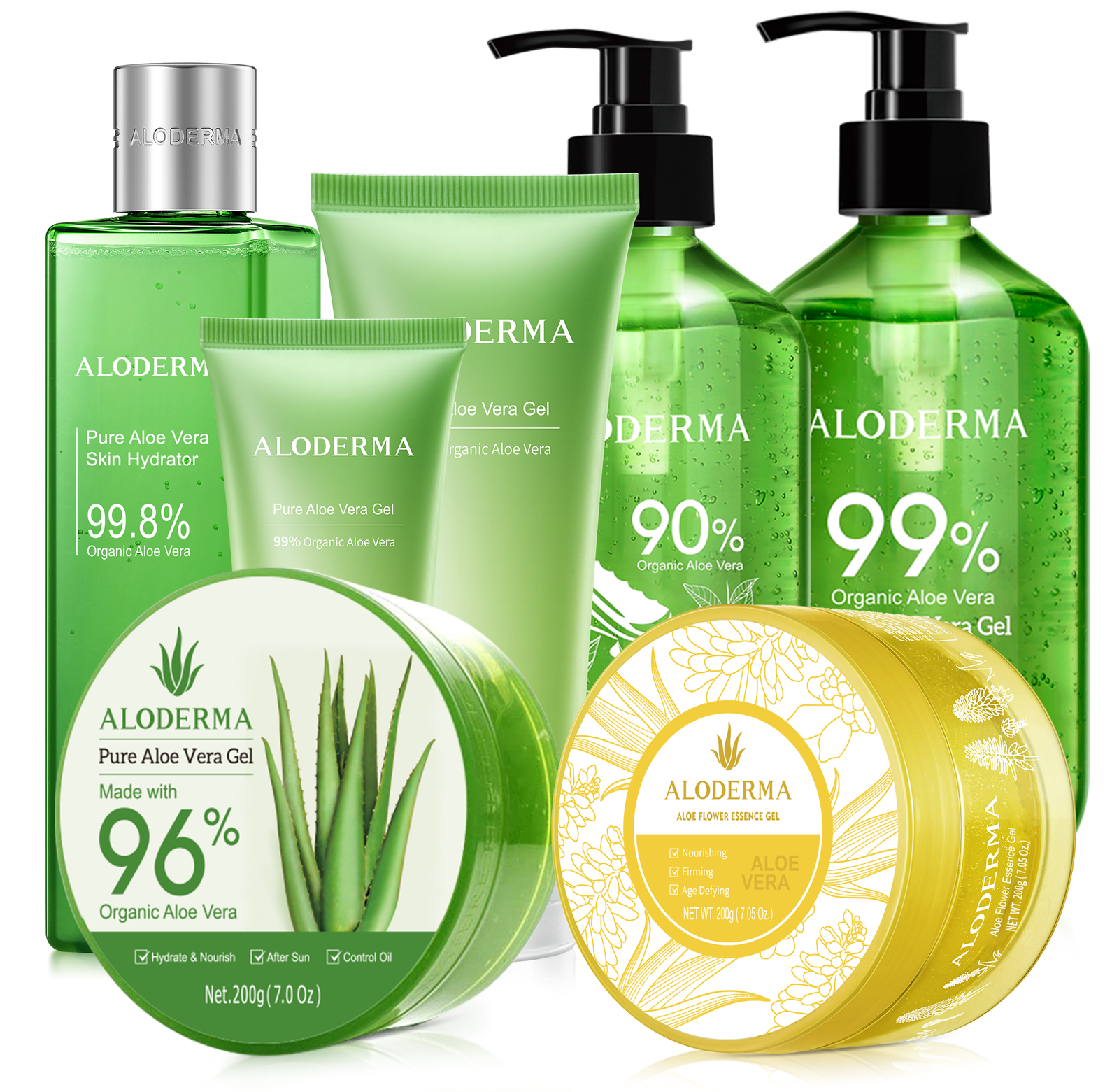
ALODERMA is a fully vertically integrated aloe vera company. It grows its own organic aloe vera, processes the plant, and manufactures finished products onsite within 12 hours of harvest. The company describes this timing as a way to keep the primary ingredient as fresh, bioactive, and effective as possible (ALODERMA's fresh aloe process).
ALODERMA states that its products contain at least 64% to 65% fresh organic aloe vera juice and are not made from concentrate or powder (ALODERMA's fragrance-free moisturizer information). That claim makes processing part of the comparison, not a footnote. Check the aloe's form, position in the formula, and path from harvest to bottle.
For a clearer explanation of aloe's role in a moisturizer, read how aloe vera functions as a moisturizer. The practical question is not only whether a lotion contains aloe, but what kind it contains and how it was handled.
Top Aloe Lotion Uses for Everyday Skin Care
Aloe lotion works best when you match the product to a specific moment. The same lightweight texture that feels comfortable on your face may also work on your hands, neck, arms, or legs, but each application should start with clean skin and a small amount.
Daily face and body moisturizing
Apply a thin layer after cleansing while skin is slightly damp. On the face, smooth it over the cheeks, forehead, jaw, and neck with light circular strokes. On the body, focus on areas that feel tight after bathing, such as the arms, legs, elbows, and hands.
If your skin is oily or blemish-prone, a lighter aloe formula may feel more comfortable than a dense occlusive cream. If your skin is dry, you may need to layer a richer cream over aloe lotion rather than expecting aloe alone to provide every type of moisture support.
Comfort after sun exposure
After a long day outside, the first sensation you may want is coolness. Gently apply aloe lotion to clean, sun-exposed skin, avoiding vigorous rubbing when the area feels tender. Aloe-based products can support comfort after minor superficial irritation, but they aren't a substitute for sun protection or medical attention for serious skin damage.
Readers comparing after-sun products can also review this guide to buy soothing after sun gel for ideas about choosing a cooling gel texture.
Support for minor irritation
Aloe lotion can be useful after friction, dry weather, or shaving when the skin feels uncomfortable but remains intact. For a minor scrape, clean the area first and follow the product's directions. Don't apply a cosmetic lotion to deep, heavily bleeding, or infected-looking injuries.
Evidence for aloe in damaged-skin recovery is specific rather than universal. A meta-analysis involving second-degree burns reported an average healing-time reduction of 4.44 days compared with standard treatment, while another systematic review reported a pooled mean reduction of 3.76 days compared with other topical treatments (second-degree burns meta-analysis). Those findings shouldn't be turned into a blanket promise for every lotion or every type of skin damage.

After-shave comfort
Shaving can leave the face, legs, underarms, or bikini line feeling sensitive. Rinse away hair and cleanser, pat the skin dry, then apply a small amount of aloe lotion with your fingertips. Avoid formulas with a fragrance profile that tends to bother you, especially if your skin reacts easily after hair removal.
Lightweight moisture for blemish-prone skin
Aloe lotion may be appealing when you want hydration without a greasy finish. Use a thin layer rather than repeatedly adding product whenever your skin feels tight. If you're managing persistent breakouts, treat aloe as a supportive moisturizer, not a stand-alone solution. The NCCIH notes that evidence for acne is limited, with small studies suggesting benefit when aloe is combined with other treatments, while evidence for eczema remains insufficient (NCCIH aloe vera overview).
Scalp, hair, hands, and cuticles
A small amount can be massaged into the scalp before washing, then rinsed out with shampoo. You can also smooth a little over dry ends as a light leave-in conditioner, but stop if hair feels stiff or coated. For hands and cuticles, massage lotion around the nail edges and across the backs of the hands whenever washing leaves them feeling dry.
How to Choose the Right Aloe Lotion for Your Skin Type
If your skin feels tight after cleansing, oily by midday, or easily irritated by fragrance, the same aloe lotion may not suit every situation. Choose by the whole formula, not the plant name on the front. Texture gives you the first clue. Then check the ingredient list, fragrance, supporting moisturizers, and the form of aloe used.
Aloe listed near the beginning may have a more meaningful role than aloe near the end. Freshness adds another layer that ingredient order cannot show. Fresh, bioactive aloe is closer to the plant's original juice, while reconstituted powder-based lotion is made by adding water back to a processed ingredient. The label can look similar, but harvest-to-bottle timing and processing may affect what reaches your skin.
ALODERMA describes its products as containing at least 95% naturally derived ingredients, with ECOCERT, USDA, and EU Organic certifications. Its product information states that the formulas use at least 64% to 65% fresh organic aloe vera juice, rather than concentrate or powder, and that the company grows, processes, and manufactures onsite within 12 hours of harvest (ALODERMA moisturizer details).
| Skin Type | Key Attributes to Look For | Recommended Product Type |
|---|---|---|
| Sensitive | Simple formula, gentle texture, no added fragrance if fragrance bothers you, patch-test friendly | Fresh-aloe facial moisturizer or fragrance-free lotion |
| Oily or blemish-prone | Lightweight finish, quick absorption, limited heavy residue | Aloe hydrator or light facial lotion |
| Dry | Aloe for water-based hydration, plus richer emollients or cream for longer comfort | Aloe lotion layered under a nourishing cream |
| Combination | Light application on oily areas, additional product only where skin feels dry | Aloe moisturizer used selectively across the face |
| Body skin | Easy spreadability and comfortable daily application | Aloe body lotion for use after bathing |
A label that lists Aloe Barbadensis Leaf Juice prominently is a useful starting point, but it does not confirm freshness. Look for clear wording about fresh juice, concentrate, powder, and processing. Brands should make those details easy to verify.
Sensitive skin benefits from a gradual trial. Apply a small amount to a limited area and observe the response before broader use. If the formula stings, causes redness, or creates persistent discomfort, wash it off and stop using it.
What Aloe Lotion Cannot Do and Common Misconceptions
After cleansing or sun exposure, aloe lotion may leave skin cooler and more comfortable within minutes. That immediate sensation can be useful, but it does not prove permanent barrier repair. A controlled aloe hydration study found increased hydration after one application of aloe-based materials, while repeated use of some aloe gels produced dehydration effects compared with placebo. Results depend on the lotion's vehicle, concentration, and use pattern.
The harvest-to-bottle timeline adds another layer. Fresh, bioactive aloe and a lotion made with reconstituted powder may share a similar ingredient name, yet they do not necessarily deliver the same material to skin. Processing and storage can affect the final formula, so a label alone cannot predict how a product will feel or perform.
A lightweight aloe lotion may soften the surface without supplying enough oil-rich ingredients to reduce moisture loss. If your skin feels tighter after repeated use, apply less often, or choose a formula that includes emollients. Aloe works more like a water-focused support layer than a complete answer for every dryness concern.
Separate cosmetic support from treatment claims
Aloe lotion can support hydration and comfort after cleansing, shaving, or outdoor exposure. It should not be presented as a universal treatment. Evidence for acne remains limited, and evidence for eczema does not support treating a cosmetic lotion as condition-specific therapy, as summarized by the NCCIH aloe vera evidence summary.
The same caution applies to damaged skin. Some burn-related research has reported useful findings, while broader wound evidence remains mixed. Keep cosmetic aloe lotion for suitable everyday use and minor superficial irritation. Seek professional guidance for severe, worsening, or open skin concerns.
Patch-test first: Aloe and other formula ingredients may cause temporary stinging, redness, or dermatitis in reactive skin. Test a small area before applying a new lotion throughout your routine.
Freshness is meaningful, not magical. A product processed soon after harvest may preserve a different starting material than a reconstituted powder formula, yet supporting ingredients still affect tolerance, texture, and comfort. Read the label, begin gradually, and judge the lotion by your skin's response over time.
Application Tips and Layering Strategies for Best Results
After cleansing, apply aloe lotion while the skin is still slightly damp. The remaining water gives the lotion a better surface to spread across, while a thin, even film reduces pilling under serum, cream, or sunscreen. Use enough to cover the area comfortably. More product is not automatically more effective.
A simple order for face and body
- Cleanse first. Remove sweat, sunscreen, and surface residue with a gentle cleanser.
- Apply aloe lotion. Use a small amount on the face and neck, or spread a broader layer across damp body skin.
- Massage lightly. Use gentle upward strokes on the face and smooth circular motions on the body.
- Allow absorption. Pause briefly before adding another product, especially if the lotion still feels wet.

In the morning, apply sunscreen after the aloe lotion has settled. At night, add a richer cream if your skin remains dry. Serums generally go before moisturizer, while sunscreen finishes a daytime routine. Follow this guide to the correct order for applying skincare products when several layers are involved.
Aloe lotion can also fit after shaving, once the skin is clean and free of loose hair. For the scalp, massage a small amount in before washing, or smooth a tiny quantity over dry ends as a leave-in conditioner. Hair may look weighed down if too much is used, so begin with less and add only if needed.
Harvest-to-bottle timing can matter more than an ingredient list alone. A fresh, bioactive aloe base starts with plant material processed soon after harvest, whereas a powder-based lotion rebuilds its aloe content after drying. ALODERMA describes its fresh-aloe process as preserving aloe's active ingredients through rapid processing. That distinction helps explain why two lotions with similar labels may differ in feel and performance. Formula ingredients still influence texture, comfort, and tolerance, so judge the complete product rather than aloe alone.
Building Your Simple Aloe-Based Skin Care Routine
Keep the routine simple. Cleanse gently, apply aloe lotion as a lightweight hydrating base, then use sunscreen in the morning. At night, add a richer cream if your skin still feels dry. ALDERMA offers fresh-aloe gels, lotions, hydrators, serums, creams, masks, cleansers, and bath care, using organic aloe processed onsite within 12 hours of harvest and formulas with at least 95% naturally derived ingredients (ALODERMA's product and ingredient information).
Harvest-to-bottle timing can affect how fresh aloe performs. Consistency matters more than collecting products, so choose a comfortable routine and use it regularly.
Visit ALODERMA to explore products for a simple routine built around fresh aloe lotion uses.