



You've just leaned toward the bathroom mirror after a long day, and the same tiny dots on your nose are still there. That moment is exactly why blackhead dissolving gel exists. It's not a magic eraser, it's a targeted maintenance step for pores that keep filling back up with oil and dead skin cells.
In everyday skincare language, a dissolving gel is a leave-on or short-contact product designed to soften what's trapped in the pore so it can clear more easily over time. In the U.S. OTC space, the category is strongly tied to salicylic acid, and one DailyMed-labeled product classifies Proactiv Blackhead Dissolving as a salicylic acid gel at 0.5% salicylic acid (DailyMed product label). That's a useful clue, because the label tells you what the product is built to do, not what the packaging wishes it could do.

A scrub works by rubbing. A strip yanks. A peel-off mask lifts what's on the top. A blackhead dissolving gel works differently, it sits closer to the pore-clearing routine itself, where acids and supporting ingredients can loosen the debris that's holding the plug in place. That's why people who want gentler, more repeatable care often end up here instead of chasing a one-time removal.
The best way to think about the category is simple. It's for people who want to reduce buildup, not just yank at what's visible. If you understand that difference, you'll have the right vocabulary for labels, better expectations for results, and a much easier time choosing a formula that fits your skin.
What a Blackhead Dissolving Gel Does
A blackhead starts as a plug inside the pore. Oil and dead skin cells build up together, then the exposed top can darken when it meets air. A blackhead dissolving gel is meant to soften that plug so it comes out more easily over time, without relying on harsh rubbing.
That difference changes what the product can do. A gel like this usually fits into repeat care, so the aim is steady pore maintenance instead of a single dramatic removal. If someone uses it well, they are not scrubbing texture off the skin. They are helping the pore clear more gradually.
Where it fits in the routine
Use it on clean skin, where the active ingredients can contact the pore more directly. Thick creams and oils can slow that contact if they go on first, so dissolving gels are usually placed after cleansing and before heavier leave-on products.
The U.S. market has long treated this category as an OTC salicylic-acid format for a reason. Salicylic acid is familiar, practical, and commonly used in gel textures for acne care, and the label tells you what the product is built to do (DailyMed salicylic acid gel label).
Practical rule: if a product promises a “dissolving” effect, check whether it is built for repeated pore care or only for a short-lived visual change.
That is the core idea. Once you know what the product is meant to do, it becomes easier to read claims, compare formulas, and keep expectations tied to how pores behave.
How BHAs, Enzymes, and Solvents Clear Pores
A clogged sink gives a clean picture of how these formulas work. One part loosens the block from inside the pipe, another softens what is sitting on the surface, and a third helps the cleaner move where it needs to go. Blackhead dissolving gel products often rely on that same division of labor.
The BHA key
Salicylic acid, the best-known BHA in this category, is oil-soluble, so it can mix with the sebum inside the pore and help loosen the blend of oil and dead skin that forms the plug. That matters because blackheads are not just debris on top of the skin, they sit in a pore filled with oil. A clinical reference for a salicylic-acid gel reports that after a 21-day use period, IGA improved by 23.81%, sebum fell by 23.65%, and skin hydration rose by 40.5% (DailyMed-linked clinical reference). That is a good example of why salicylic acid stays central in pore-focused gels.
The benefit is easy to picture in practical terms. A water-based cleanser can rinse the skin's surface, while salicylic acid can work more like a small oil-loving cleaner that gets into the greasy part of the pore.
The gentler surface helpers
Enzymes such as papain and bromelain, along with gentler acids like PHA, usually work more softly at the surface. They are not oil-soluble keys in the same way salicylic acid is, so they tend to suit people who want a milder feel or who already know their skin reacts quickly. The trade-off is straightforward. Softer formulas can feel kinder, but they often depend more on steady use than on fast visible change.
That slower pace is not a flaw if your skin needs it. For a first-time user with sensitive skin, a gentler gel can be easier to keep using without the tight, overstripped feeling that turns many people off exfoliation.
The carriers that help the gel move
A formula also needs a way to spread without dragging or sitting in one spot. Solvents and texture helpers do that work. In label language, those ingredients are usually lightweight carriers that let the active distribute more evenly across the skin.
For a closer look at how salicylic acid shows up in everyday skin care, Aloderma's salicylic acid face wash guide is a useful companion read. It helps frame why a cleanser and a leave-on gel can play different roles in the same routine.
If you want to compare at-home exfoliation with professional treatment, peels at Spa Black gives a clear look at how chemical exfoliation is discussed in a spa setting. That makes it easier to see why some people respond better to a gradual gel and others prefer a stronger service with more direct supervision.
The ingredient logic becomes easier to use when you look at real labels. If your skin handles a direct BHA well, salicylic acid should sit near the center of the formula. If your skin gets reactive fast, a gentler blend may fit better. Blackheads are also common enough that this category is not niche, and the Cleveland Clinic blackheads overview explains why ingredient literacy matters so much for a problem many people face.
Ingredients to Seek and Avoid on the Label
A good label reads like a short story. The first line tells you what the active is, the middle gives you the comfort cast, and the final line reveals whether the texture will feel elegant or irritating. If you can scan an INCI list this way, you'll make faster choices and fewer guesswork purchases.

What to seek
Start with salicylic acid, ideally in a concentration that matches the product's intended use. The verified OTC example is labeled at 0.5% salicylic acid, and clinical references in the brief also discuss effective use in the broader acne-care range. After that, look for support ingredients that help the gel feel usable on real skin.
- Aloe vera, because it can help the product feel less stark.
- Panthenol, which is often included to support comfort.
- Bisabolol and green tea extract, which are commonly used for a calmer feel.
- Glycerin and glycereth-26, which help pull in moisture.
- Dimethicone and cyclopentasiloxane, which can improve slip and spread.
Those ingredients matter because a pore-care gel should be functional without feeling like a punishment.
What to avoid
If a leave-on gel puts ethanol high on the list and the skin feels tight after use, that's usually a sign the formula may be too aggressive for daily wear. The same goes for heavy fragrance or a long list of essential oils, especially if your skin is quick to react. Strong surfactants can also make a leave-on product feel harsher than it needs to be.
A useful cross-check is a broader ingredient guide like toxins hidden in body wash, because the same label-reading habits apply across categories. You'll spot the difference between a product that's skin-friendly and one that just borrows calming words in the marketing.
Short test: if the product's comfort ingredients come after a long list of harsh-feeling solvents and fragrance, the “gentle” claim may be doing more work than the formula itself.
If you want a branded reference for ingredient-friendly skincare context, Aloderma's own ingredients to avoid in skincare guide is useful for comparing the language on a package with what your skin is likely to tolerate. The point isn't to fear every unfamiliar ingredient. The point is to know which ones help the gel do its job without turning a pore step into a dryness step.
How to Use a Blackhead Dissolving Gel in Your Routine
A blackhead gel works best when it gets clean contact with skin. That means the sequence matters more than people often think. If you layer it onto a face already covered with heavy cream, its path into the pore gets less direct.
Start with cleansing, then apply the gel to dry or just-dried skin so it isn't diluted by leftover water. If you use toner, keep it light and simple, then go in with the gel before heavier serums or moisturizers. That order gives the active a clearer shot at the area you want to treat.
Frequency depends on how your skin behaves. Oily skin may tolerate nightly use, while sensitive skin usually does better starting two to three nights a week. If you're also using niacinamide, hyaluronic acid, or SPF, the rule is to keep the routine layered but not crowded, the gel stays in the treatment slot, hydration sits after it, and sunscreen stays in the morning.
Morning and evening don't need the same setup. In the morning, keep it simple and pair the gel step, if you use it then, with sunscreen after moisturizer. In the evening, you have more room for a treatment routine, which is why many people prefer to reserve the gel for nighttime use.
A sensible first test is a patch test near the jawline. Wait 24 hours before moving to full-face use, and don't change three other products at the same time, or you won't know what your skin is reacting to.
Rule of thumb: apply less than you think you need, then let consistency do the work.
That slower approach is usually kinder than chasing a heavy first-night result. A gel that fits your skin should feel usable enough that you'll keep using it.
Why Aloe-First Formulas Suit Sensitive and Blemish-Prone Skin
Salicylic acid can do the pore-clearing work, but aloe can make the experience feel much more livable. That's why aloe-first formulas make sense for people who want a blackhead-focused step without the stripped feeling that can come from overly lean acid gels.
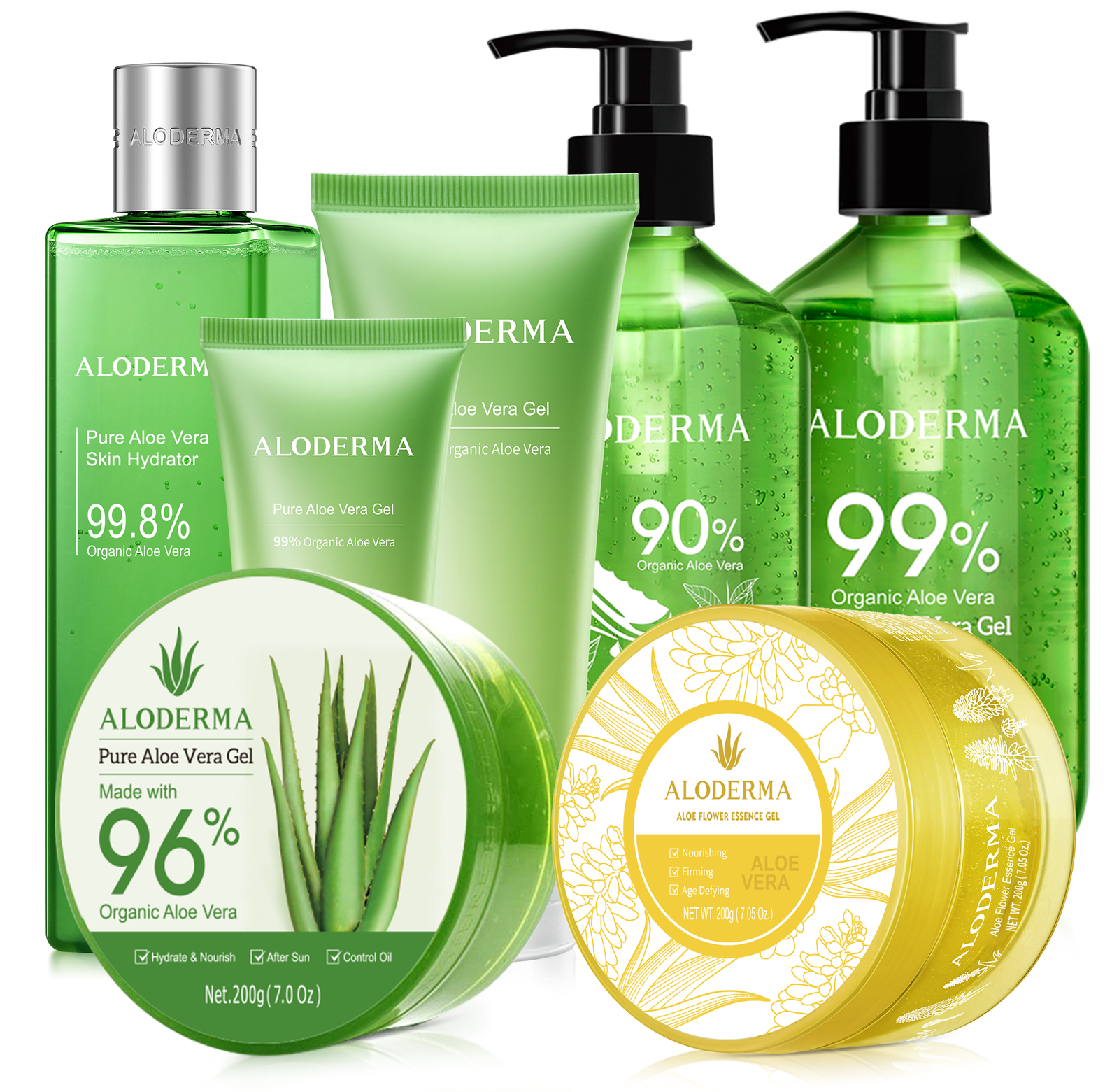
ALODERMA's approach is built around that balance. The brand says it is a fully vertically integrated aloe vera company, grows its own organic aloe vera, and processes and manufactures it onsite within 12 hours of harvest so the aloe in each formula stays as bioactive as possible. That freshness angle matters because aloe is often used as the comfort layer around stronger actives, not just as a decorative ingredient in the list.
The brand also states that its products are at least 95% naturally derived and carry ECOCERT, USDA, and EU Organic certifications. For shoppers who read labels closely, that combination signals a cleaner construction style, which can be useful when you're trying to pair a gentle cleanser, toner, or hydrator with a BHA step.
A practical way to shop the line is to use the ingredient dictionary and product pages to match what your skin needs, then pick the format that supports the gel step instead of fighting it. A hydrating gel can sit beside an exfoliating treatment, while a gentle cleanser can prep the skin without making it feel overworked.
For a more ingredient-focused look at soothing aloe in skincare, Aloderma's aloe vera for sensitive skin guide is a helpful companion. If you want a broader wellness resource beyond skincare, natural aloe vera gel supplement shows how widely aloe is used in different formats, which makes it easier to understand why the ingredient keeps showing up in calming routines.
Blackheads vs Sebaceous Filaments and Why Results Take Time
A blackhead is the clogged drain. A sebaceous filament is the grain of the countertop. They can look similar from a normal mirror distance, but they're not the same thing, and treating them like the same thing is where a lot of frustration starts.

A lot of “instant dissolving” language is really describing a visual softening of the plug, not permanent removal. The pore still needs routine care, and that's why the timeline matters more than a single application. Clinical evidence in the brief backs that up. In one study of a multi-ingredient gel, total lesions fell 21.5% at day 42 and 56.3% at day 84, with non-inflammatory lesions down 64.0% by day 84 (PMC study).
A realistic window
That means a new gel usually deserves more than a couple of tries. A useful evaluation period is 8 to 12 weeks, not one weekend. If you judge a product after one or two uses, you're more likely to miss its actual pattern and accidentally quit right before it starts earning its place.
Practical expectation: aim for gradual smoothing, less visible congestion, and easier maintenance, not instant erasure.
This is also why blackhead routines work better when they're predictable. The skin responds more like a system being maintained than a problem being erased. Once you accept that rhythm, it becomes much easier to tell the difference between a product that's genuinely helping and one that just makes the skin look briefly cleaner.
Troubleshooting Stinging, Dryness, and Zero Results
If a gel stings and leaves your skin tight, treat that as a sign to slow down. Pause for three to five days, strip the routine back to a gentle cleanser and a barrier-supporting moisturizer, then reintroduce the gel less often. That's usually better than pushing through and making the skin feel worse.
If the skin feels oily but the pores still look the same, the issue is often application rather than the ingredient itself. Try using the gel on dry skin and giving it a little more time before layering the next product. Some formulas also need the right concentration and the right schedule before the change becomes visible.
If you think you're purging in the first two weeks, look at where the breakouts are showing up and whether they clear faster than your usual pattern. A true reaction usually looks and feels different from a temporary adjustment period. The safest move is to stop adding new variables while you figure it out.
A short checklist helps here:
- Too much sting: cut frequency and simplify the routine.
- No visible change: improve contact time and consistency.
- Early flare-ups in familiar zones: watch the timeline before you panic.
- Persistent tightness: the formula may be too aggressive for your skin.
The pattern underneath all of this is simple. Routine consistency, a gentle formula, and realistic timing usually matter more than chasing a stronger product. That's the difference between skin that keeps cycling through congestion and skin that gradually gets easier to manage.
Frequent Questions About Blackhead Dissolving Gels
How often should I use one if my skin is oily? Oily skin often tolerates more frequent use, sometimes nightly, as long as the formula isn't making the skin feel tight. If your face starts feeling stripped, scale back.
What if my skin is dry or reactive? Start with two to three nights a week, and choose a formula with soothing support instead of a strong, fragrance-heavy gel. Enzyme-based or gentler surface options can be easier to live with when your skin gets irritated quickly.
Can I use it with retinol or vitamin C? Yes, but not all at once if your skin gets temperamental. Keep the routine simple, separate strong actives if needed, and make sure sunscreen remains essential in the morning.
What should I expect in the first month? Think in terms of gradual change, not instant cleanup. The pore area may look a bit smoother before you see a bigger shift in blackhead visibility.
If you want help mapping your skin to a routine, Aloderma's ingredient dictionary and skin-care quiz can point you toward hydrating gels, gentle cleansers, and other products that fit alongside a BHA step. That makes it easier to build a routine you'll keep using, which is usually what changes the look of clogged pores.
If you want a pore-care routine built around fresh aloe and ingredient clarity, explore ALODERMA and compare the product pages against your current skincare labels. You'll find aloe-first cleansers, hydrators, and gels that can pair with a blackhead dissolving step without making your routine feel harsh or complicated.