



You swipe on a lip gloss because the tube looks promising. The finish is pretty for an hour, but your lips soon feel coated instead of comfortable. Then you flip the package over and hit the familiar wall of tiny print, vague claims, and ingredient names that don't tell you much.
That moment is why so many people are rethinking what they want from lip products. They don't just want shine. They want clarity. They want a gloss that feels fresh, wears well, and doesn't leave them wondering what they just put on an area that's reapplied all day.
The Search for a Better, Fresher Shine
A lot of beauty shopping now feels like translation work. One gloss says “natural.” Another says “clean.” A third says “vegan shine.” They all sound reassuring, but they don't answer the question consumers are really asking. Will this feel good on my lips, and can I trust what's in it?
That confusion makes sense, especially in a category that keeps growing. The global lip gloss market is projected to reach USD 7.31 billion by 2035, and about 68% of new buyers globally prefer products free from parabens, sulfates, and synthetic fragrances, according to lip gloss market projections from Business Research Insights. Clean formulas aren't a fringe interest anymore. They're shaping mainstream buying habits.
What readers are usually reacting to
Sometimes the problem isn't that a gloss looks bad. It's that it feels off.
- Too sticky: Hair catches in it, and the shine starts to feel heavy.
- Too perfumed: The scent is stronger than the comfort.
- Too vague: The front of the box sounds pure, but the ingredient list doesn't explain much.
- Too temporary: It disappears fast and leaves lips feeling less smooth than before.
Clean beauty lip gloss should do two things at once. It should look polished on the surface and feel easy to live with during the day.
The better way to think about clean gloss isn't just “free from” a list of ingredients. It's freshness, transparency, and formula design that supports soft, comfortable lips. If a gloss is going onto an area you eat, drink, talk, and breathe through all day, ingredient quality matters in a very personal way.
What Makes a Lip Gloss Genuinely Clean
“Clean” sounds precise, but in beauty it often isn't. The term can mean one thing to a brand, another to a retailer, and something else to a shopper trying to avoid a few specific ingredients.
That's why a clean gloss starts with philosophy, not packaging language. The most helpful question isn't “Does it say clean?” It's “What standards does this brand follow?”

Clean means intentional
A solid clean beauty lip gloss usually has five signs working together.
- Ingredient restraint: It avoids commonly questioned additives like parabens, phthalates, and synthetic fragrance when possible.
- Full label visibility: The ingredient list is easy to find and doesn't hide behind vague marketing.
- Thoughtful sourcing: Plant oils, waxes, pigments, and extracts are chosen with care.
- Comfort-first texture: The formula doesn't sacrifice feel just to make a claim.
- Ethical standards: Cruelty-free and responsible sourcing matter to many shoppers alongside ingredient safety.
If you want a broader framework for understanding natural ingredients in beauty, that guide can help separate useful terms from fuzzy ones.
Freshness matters more than people think
Many shoppers focus only on what a gloss excludes. That's understandable, but it leaves out a big part of quality. What a formula includes matters just as much.
Think about the difference between a just-picked apple and one that's spent a long time in storage. Both are still apples, but they don't offer the same experience. Freshness changes texture, feel, and how alive the ingredient seems. The same mindset helps with beauty products, especially when a formula leans on plant-based ingredients.
Performance still counts
A clean gloss can't rely on virtue alone. It still has to spread evenly, hold shine, and feel smooth on the lips.
Industry formulation guidance notes that lip gloss is usually built as a high-emollience, low-water system, using ingredients such as plant oils, wax esters, and film-formers. The same guidance explains that polybutene is widely used to improve adhesion, wear time, and glass-like shine, with typical use levels of about 10% to 30%, as described in this lip gloss formulation overview on polybutene.
Practical rule: A clean gloss isn't automatically better because it removes ingredients. It becomes better when it replaces them with a formula that still feels elegant and stable.
That's where many labels lose people. They promise purity, but don't explain how the gloss will wear. A trustworthy clean gloss respects both sides of the equation. Clear ingredient choices and real-world performance.
Decoding Lip Gloss Ingredients Good and Bad
If you've ever stared at a lip gloss box and wondered which names matter most, start simple. You don't need to memorize cosmetic chemistry. You just need to know which ingredients usually support a soft, nourishing finish and which ones many ingredient-conscious shoppers prefer to question.
There's a reason this category gets close scrutiny. A peer-reviewed 2013 study on lip products measured lead and other metals in a sample of products and also cited an earlier Campaign for Safe Cosmetics test from 2007, which found 61% of 33 popular lipstick brands contained lead, according to the published study in Environmental Health Perspectives. That history helped shape today's demand for cleaner labels and more transparent formulas.
Ingredients to embrace for a nourishing shine
When a gloss feels comfortable, the formula usually leans on emollients and softening agents that help lips stay smooth instead of tight.
Here are the kinds of ingredients worth noticing:
- Aloe vera: A soothing, water-rich plant ingredient people often associate with that fresh, cooled feeling on skin.
- Jojoba oil: Lightweight and silky, with a texture that often feels less greasy than heavier oils.
- Shea butter: Richer and more cushioning, especially helpful when lips feel rough.
- Castor oil: Common in lip formulas because it adds gloss and a plush glide.
- Squalane: Known for a smooth, elegant slip that doesn't feel waxy.
- Vitamin E: Often used as an antioxidant in formulas and appreciated for its conditioning feel.
A good mental shortcut is this. Lips tend to like the same kinds of ingredients that make dry skin feel relieved: soft oils, gentle butters, and a smooth protective layer that doesn't feel suffocating.
Ingredients to question on the label
Questioning an ingredient isn't the same as panicking over it. It means pausing long enough to decide whether it belongs in your routine.
Independent consumer guidance commonly flags a few groups in lip gloss formulas:
- Parabens
- Phthalates
- Synthetic antioxidants such as BHA and BHT
- Strong synthetic fragrances
That guidance also points to alternatives such as vitamin E, rosemary extract, green tea extract, chamomile extract, castor oil, jojoba oil, almond oil, coconut oil, and shea butter, as described in this guide to common lip gloss ingredients.
For shoppers who react poorly to scented makeup, this roundup of best fragrance-free cosmetic brands is a useful companion resource.
Lip Gloss Ingredient Cheat Sheet
| Ingredients to Embrace | Ingredients to Question |
|---|---|
| Aloe vera | Parabens |
| Jojoba oil | Phthalates |
| Shea butter | Synthetic fragrance |
| Castor oil | BHA |
| Squalane | BHT |
| Vitamin E | Vague “fragrance” listings |
How to think like a smart label reader
A long ingredient list isn't automatically bad, and a short one isn't automatically good. What matters is whether the formula makes sense.
Ask yourself:
- What creates the slip? Oils and emollients should appear in a way that fits the texture claim.
- What protects the formula? Antioxidants and stabilizers should be there for a reason.
- What adds scent or flavor? If your lips are easily bothered, this part matters a lot.
- What's doing the shine work? A gloss needs structure, not just pretty branding.
A helpful next step is learning the broader category of ingredients many shoppers choose to avoid in skin care. This guide to ingredients to avoid in skincare gives that bigger-picture context.
Some of the best clean beauty shopping happens when you stop asking “Is this trendy?” and start asking “What job is each ingredient doing?”
How to Read Clean Beauty Labels and Certifications
A front label can say almost anything. The back label has to do the substantive work.
That's why certifications matter. They don't make a product perfect, but they do give you a form of outside accountability. When a brand goes through certification, it's inviting someone else to verify part of its story.

Start with the ingredient list
The ingredient list is still your first checkpoint. Certifications help, but they don't replace basic reading.
Look for:
- Clear disclosure: Every ingredient should be listed in a straightforward way.
- Recognizable support ingredients: Plant oils, waxes, and conditioning agents should match the product's texture and purpose.
- Specificity: “Fragrance” or “flavor” may deserve a second look if you prefer simpler formulas.
Know what seals can and can't do
Shoppers often assume every seal means the same thing. They don't.
A certification may speak to organic farming, sourcing standards, cruelty-free practices, or ingredient origin. It usually does not mean “best for everyone” or “free from every ingredient you personally avoid.” That's why reading both the seal and the label gives you the clearest picture.
If you want examples of how shoppers evaluate that mix of standards and ingredient transparency, this guide to best clean beauty brands is a helpful reference point.
A quick verification habit
When you pick up a gloss, run this short check:
- First, read the full INCI list.
- Next, scan for claims that matter to you, like fragrance-free or cruelty-free.
- Then, look for third-party certifications instead of relying only on front-of-box language.
- Finally, visit the brand site and see whether sourcing and manufacturing details are easy to find.
Labels are strongest when they tell one consistent story. If the front says “clean” and the back leaves you confused, keep shopping.
Finding the Right Gloss for Sensitive and Blemish-Prone Skin
The skin around the mouth can be fussy. Even if the rest of your face handles makeup well, lip products can still feel too sticky, too scented, or too heavy.
That's why sensitive and blemish-prone shoppers often do better with a lighter touch.

What usually feels better
The most comfortable glosses for easily bothered lips often share a few traits:
- Lower scent load: Less added fragrance often means fewer sensory surprises.
- Flexible texture: Enough cushion to feel protective, but not so much that it sits like syrup.
- Soothing support ingredients: Aloe, gentle oils, and soft butters often create a calmer wear experience.
- Clean edges: A gloss that doesn't migrate all over the lip line tends to feel less messy around nearby skin.
Heavier, strongly fragranced formulas can be a problem for some people because they linger in a way that feels occlusive. If you're already dealing with dryness, rough patches, or small bumps around the mouth area, a cleaner, smoother formula usually feels easier to wear.
Why feel matters as much as finish
A gloss can look glossy in a product photo and still be the wrong fit for daily use. If it leaves your lips feeling coated, you'll probably reapply out of discomfort instead of pleasure.
That's where fresh-feeling ingredients make a difference. Aloe is a good example because people often associate it with that cooled, quenched sensation on skin. In a broader routine, many sensitive-skin shoppers prefer products that leave skin feeling light, not sealed off.
If that sounds like you, this guide to the best skincare for sensitive skin can help you think beyond the gloss itself and build a gentler routine around it.
A short visual demo can also help you spot the texture differences that matter in real life.
If your lips are easily bothered, choose a gloss that disappears into comfort after application. You shouldn't spend the day feeling the product more than enjoying it.
Application and Care for a Lasting Natural Glow
A gloss always looks better on lips that already feel smooth. Prep matters more than often realized.
Start with a soft base
If your lips are flaky or tight, gloss can cling to rough spots and make texture look more obvious. A simple prep routine works best.
- Use a gentle wipe-off method: A damp washcloth or soft cloth can lift loose flakes without being harsh.
- Apply a light layer of moisture first: Let it sink in before gloss so the surface feels even.
- Keep the edges tidy: A clean lip line makes even a clear gloss look polished.
Apply based on the finish you want
You don't need a lot of product for a healthy shine.
For a subtle daytime look, tap a small amount into the center of the lips and press them together. For a fuller, glassier finish, use the applicator across the full lip surface in thin layers instead of one thick swipe. Thin layers usually feel better and wear more evenly.
Help the formula stay fresh
Clean beauty lip gloss often relies on plant-based ingredients, so storage habits matter.
- Keep it out of direct sunlight: Heat can change texture and scent.
- Close the tube tightly: Air exposure can affect freshness over time.
- Don't share lip products: It's the easiest way to keep your gloss feeling personal and clean.
- Pay attention to smell and texture: If either changes noticeably, it may be time to replace it.
A good gloss routine should feel less like maintenance and more like a small comfort. Smooth lips, a light hand, and a well-kept formula usually give you the best shine.
Your Clean Beauty Lip Gloss FAQs
A few questions come up again and again with clean gloss, especially when shoppers want both comfort and performance.
Does clean lip gloss perform as well as conventional gloss
Often, yes. The bigger issue is formula design, not the label alone.
A common question from shoppers is whether clean gloss can match the shine and wear of conventional products. The U.S. FDA does not define “clean beauty,” so claims are often marketing-led. What matters is whether the gloss still uses effective film-formers such as plant-based waxes and oils that support shine and wear, as noted in this consumer-facing clean lip category overview from The Detox Market.
What's the difference between clean and vegan
They overlap, but they're not the same.
Clean usually refers to ingredient philosophy and formulation choices. Vegan means the formula doesn't use animal-derived ingredients. A gloss can be vegan without meeting your personal clean standards, and a clean gloss isn't automatically vegan unless the brand says so clearly.
Is a shorter ingredient list always better
Not always. A gloss still needs enough structure to spread evenly, stay stable, and feel good on the lips.
A short list can be excellent if every ingredient serves a purpose. A longer list can also be thoughtful if it includes emollients, stabilizers, antioxidants, and texture helpers that make the gloss perform well.
How do I know if a gloss is a good fit for daily wear
Pay attention to what happens after the first pretty minute.
If your lips stay comfortable, the shine fades evenly, and you don't feel the urge to wipe it off, that's a strong sign. Daily-wear gloss should feel like an easy extension of healthy skin care, not a compromise you tolerate for looks.
Your fresh-forward lip gloss checklist
- Check the texture story: A good gloss should explain how it creates slip, shine, and comfort.
- Look for supportive ingredients: Aloe, jojoba oil, shea butter, castor oil, squalane, and vitamin E are good signs.
- Question vague fragrance language: If your lips are reactive, simpler often feels better.
- Read the full label: Don't rely only on “clean,” “natural,” or “green” on the front.
- Use certifications as backup, not a shortcut: Seals help, but the ingredient list still matters.
- Choose comfort over hype: The best clean beauty lip gloss is the one that leaves your lips feeling fresh, smooth, and easy all day.
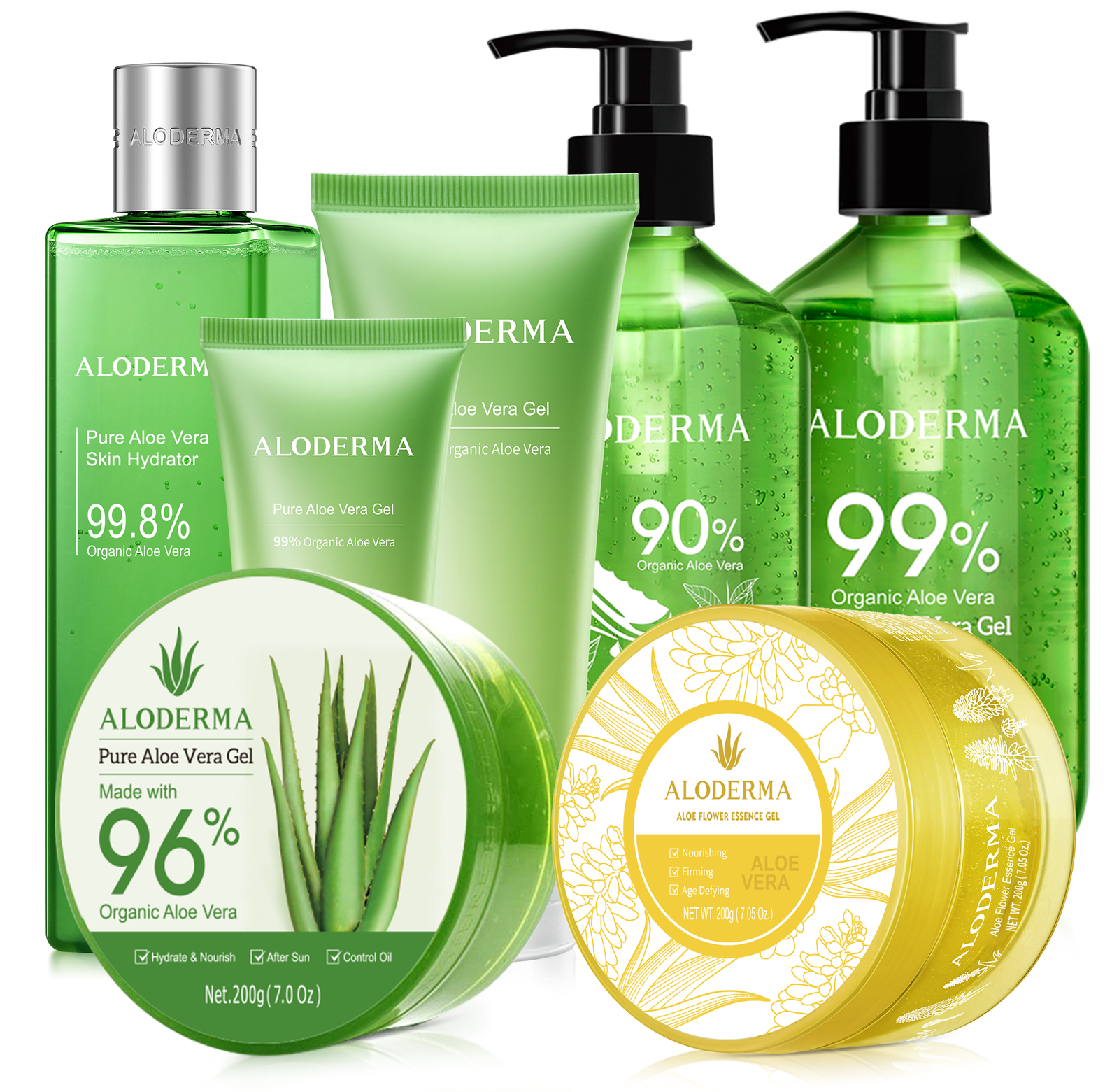
If you want that fresh, comfort-first approach in the rest of your routine, ALODERMA is worth exploring. Their farm-to-skin philosophy stands out because they're a fully vertically integrated aloe vera company. They grow their own organic aloe vera and process it on-site within 12 hours of harvest, which helps keep the aloe in every product as bioactive and effective as possible. You can browse their aloe-focused moisturizers, gels, cleansers, masks, and daily essentials on their site to find formulas that match the same ingredient-transparency values you'd want in a clean lip product.