

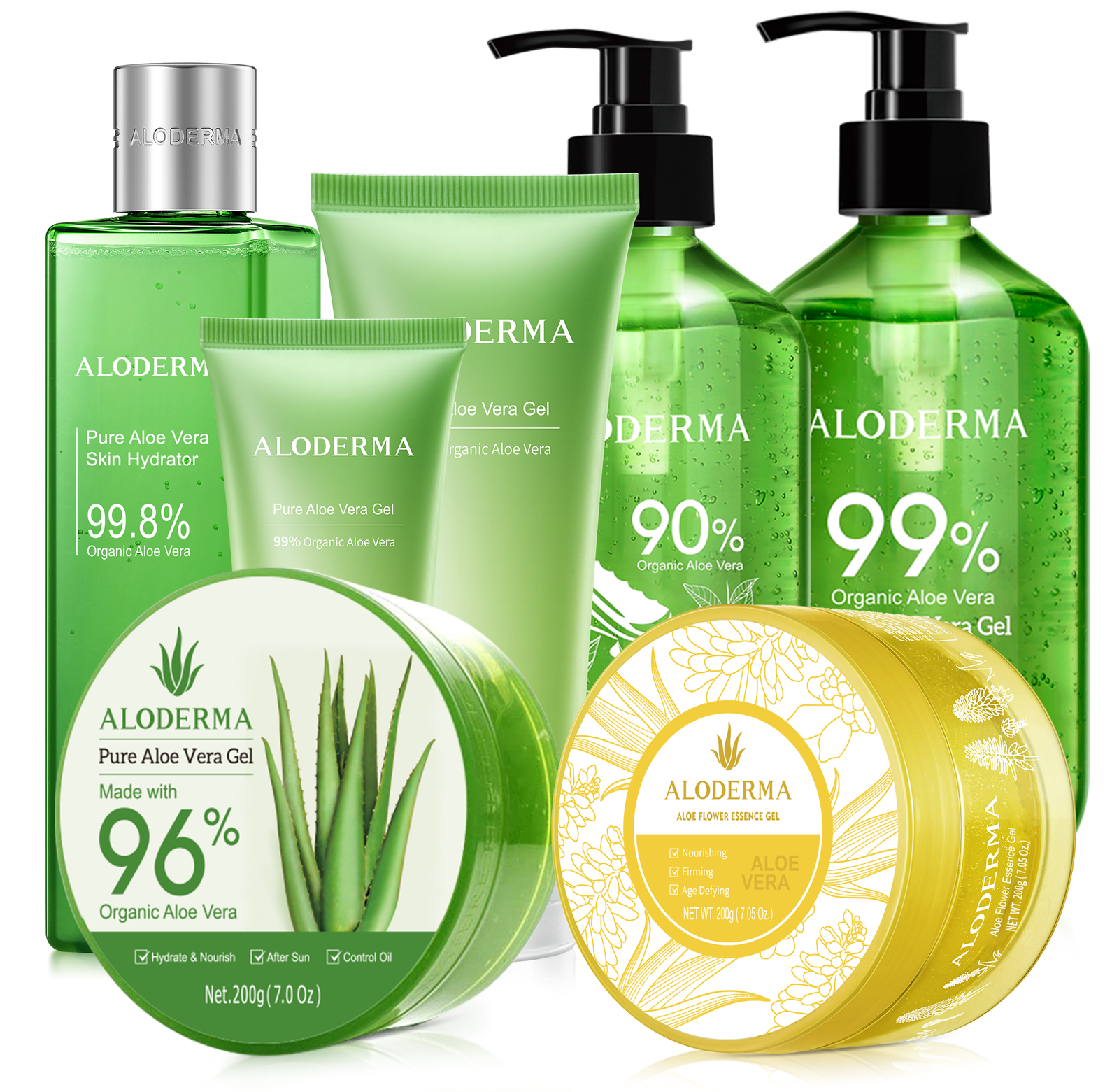


Your skin can feel confusing when it's both shiny and uncomfortable at the same time. You wash your face, apply moisturizer, and an hour later it still feels tight, looks flat, and seems to drink up every product you put on it.
That often points to dehydration, not a personal failure and not necessarily a sign that you picked the wrong skin type years ago. It means your skin is short on water, and the products you choose need to help bring water in and keep it there.
That Tight, Dull Feeling Is Not Your Imagination
A lot of people notice dehydrated skin in small daily moments. Their makeup starts clinging to little lines they didn't see before. Their forehead looks oily by noon, but their cheeks still feel stretched. Their skin looks tired even after a full routine.
That mismatch is what throws people off. Many assume that if skin has oil, it can't also be dehydrated. But dehydrated skin can affect every skin type, even oily skin, and one report estimated that an average of 70% of people show signs of skin dehydration according to this guide to dehydrated skin.
What this usually feels like
- Tight after cleansing even if you used a product labeled for normal or oily skin
- Dull through the day when you expected a fresh glow
- More noticeable fine, surface lines that seem to soften when skin is damp
- Oil in some areas but discomfort in others
That last point matters. Dehydration often doesn't announce itself with dramatic flaking. Sometimes it just shows up as skin that seems moody, uneven, or impossible to satisfy.
Skin can be oily and thirsty at the same time.
Fresh aloe is one reason many people reach for lighter hydration instead of heavier texture. A farm-to-skin aloe formula can feel more comfortable when your face wants water but doesn't want a thick, coated finish.
That freshness matters because aloe isn't just a marketing word on a label. When aloe is grown, processed, and made into skincare quickly after harvest, it keeps the ingredient story close to the plant itself. That's part of why fresh-feeling, aloe-based dehydrated skin products are so appealing for people who want hydration that feels clean, simple, and easy to layer.
Understanding Dehydrated Skin vs Dry Skin
The easiest way to remember the difference is this. Dehydrated skin is thirsty. Dry skin is hungry.
Thirsty skin needs water. Hungry skin needs oil and richer support. A lot of routines go wrong because people treat thirst with only heavy creams, or they treat dryness with only watery serums.

What dehydrated skin looks and feels like
Dehydrated skin lacks water. It often feels tight, looks dull, and may show temporary-looking fine lines, especially after cleansing or in dry indoor air. It can still produce oil.
A common example is the person whose T-zone gets shiny, but whose skin still feels uncomfortable by afternoon. They may keep blotting oil while their skin keeps signaling that something is missing.
What dry skin looks and feels like
Dry skin is about low oil. It usually feels rougher, less flexible, and more consistently lacking in natural comfort. Instead of that confusing oily-tight combination, dry skin often feels plainly undernourished.
A simple side-by-side check
| Skin state | What it lacks | Common feel | Common look |
|---|---|---|---|
| Dehydrated | Water | Tight, papery, uncomfortable | Dull, tired, surface lines |
| Dry | Oil | Rough, less supple | Flaky, matte, consistently non-oily |
Why people mix them up
Both can make your skin feel uncomfortable. Both can make makeup sit poorly. Both can leave your face looking less radiant than usual.
The clue is in the pattern.
- If your skin can get oily and still feel tight, think dehydration.
- If your skin rarely produces much oil and feels rough most of the time, think dry skin.
- If both sound familiar, you may need a routine that combines water-focused layers with barrier-supporting texture.
That's why choosing dehydrated skin products starts with the right question. Don't ask only, “What skin type am I?” Ask, “Is my skin missing water, oil, or both?”
The Science Behind Truly Hydrated Skin
Skin hydration works best when you think in roles, not random products. Your routine needs ingredients that bring water in, ingredients that smooth the surface, and ingredients that slow water from escaping.
The scientific term for that escape is transepidermal water loss, often shortened to TEWL. NIOD explains that the core science behind treating dehydrated skin is reducing TEWL, and that this is best approached with humectants to draw water in and occlusive ingredients to help lock it in and support the barrier in NIOD's explanation of dehydrated skin and TEWL.

Meet the hydration team
Think of hydrated skin like building a comfortable home.
- Humectants bring in water, like filling the house with fresh air and moisture.
- Emollients smooth rough spots, like soft furnishings that make the space feel comfortable.
- Occlusives help hold everything in place, like closing the windows so moisture doesn't escape.
The Hydration Trio Your Skin Needs
| Ingredient Type | What It Does | Examples |
|---|---|---|
| Humectants | Draw water into the outer layer of skin | Hyaluronic acid, glycerin, sodium hyaluronate, panthenol, aloe vera |
| Emollients | Soften and smooth the skin surface | Squalane, shea butter, ceramides |
| Occlusives | Help reduce evaporation from the skin surface | Dimethicone, petrolatum, richer barrier-supporting creams |
Why humectants come first
For dehydrated skin, humectants do the most obvious “thirst-quenching” work. Paula's Choice explains that humectant-first formulas featuring ingredients such as hyaluronic acid and glycerin work best when applied to damp skin, and that layering from thinnest to thickest helps maximize water uptake and reduce evaporation in their guide to choosing products for dehydrated skin.
If you want a plain-English overview of why hyaluronic acid is so often used in facial hydration, House of Glam's advice on hyaluronic acid is a useful companion read.
Practical rule: Apply water-binding layers when skin is slightly damp, not bone dry.
Aloe fits naturally into this first step because it feels water-light and easy to layer. In a hydrating routine, aloe-based formulas often work well as a fresh base under serum or moisturizer rather than as the only step.
If you want to understand where hyaluronic acid fits beside other hydration ingredients, ALODERMA's guide to pure hyaluronic acid gives a brand-specific look at that role in everyday skincare.
How To Build Your Dehydrated Skin Routine
You wash your face, wait a minute, and your skin already feels tight again. Then you add a serum, maybe a cream, and by midday your face still looks a little flat or tired. That usually means your routine has products, but not enough order.
Dehydrated skin responds best to a routine built like filling and covering a sponge. First, you bring water to the surface. Then you add ingredients that hold onto it. Last, you use a cream or lotion that slows water loss so the earlier steps have time to work.

Step 1 with a cleanser that doesn't leave skin squeaky
A dehydrated-skin routine starts with what you do not strip away.
If your cleanser leaves your face feeling stiff, hot, or overly “clean,” it can make every product that follows work harder. A good cleanser removes sunscreen, makeup, sweat, and daily buildup while leaving your skin comfortable enough that you do not feel rushed to fix it.
Foam is not automatically a problem. Harsh after-feel is the problem.
Step 2 with a toner or first hydration layer
Right after cleansing, skin can lose that fresh dampness quickly. A hydrating toner or first essence helps replace that missing water before your face fully dries down.
This step works like wetting a dry sponge before adding anything richer. Skin that has a light first layer often feels more flexible, and the next product tends to spread more evenly instead of catching on dry patches.
A broader ritual can help too. If you enjoy turning skincare into a calming reset, you can learn home spa tips from SEYANTE and adapt them into a simple, low-stress routine after cleansing.
After that reset, many people like seeing the routine in motion:
Step 3 with a serum that focuses on water-binding ingredients
Serum is often the step where dehydrated skin feels the biggest comfort shift.
Look for formulas built around water-binding ingredients such as hyaluronic acid, glycerin, and aloe vera. These ingredients help hold water near the skin surface, which can make skin feel less papery and more springy. Texture matters too. A serum should spread easily and layer well under cream instead of turning tacky or heavy.
Fresh aloe is especially useful here because it gives a light, water-rich feel that suits layering. With ALODERMA, the aloe is grown on the brand's own organic farms and processed within 12 hours of harvest. That short harvest-to-formula window matters because aloe is not being treated as a token ingredient added late in the process. It stays central to the hydrating base, which fits the needs of dehydrated skin especially well.
Step 4 with a moisturizer that helps keep water from escaping
Moisturizer is the step that helps your earlier layers last.
Many people use a hydrating serum and stop there, then wonder why their skin feels thirsty again later. The reason is simple. Water-attracting ingredients need a finishing layer above them, or that hydration can fade too quickly.
One practical option is using ALODERMA products in sequence, such as an aloe-based foaming cleanser, a hydrating toner, a serum, and a moisturizer. If you want a brand-specific example of layering order, ALODERMA's how to hydrate skin with the right product sequence gives a clear overview.
A routine that works as a system
Each step has a different job, and the routine works best when those jobs happen in the right order.
- Cleanser clears away buildup without leaving skin stripped.
- Toner or first layer puts water back in early, while skin is still receptive.
- Serum adds concentrated water-binding support.
- Moisturizer helps reduce how quickly that hydration disappears.
If you skip one step now and then, that is normal. The bigger goal is consistency. Gentle cleansing, fast hydration, water-binding support, and a final sealing layer give dehydrated skin the steady conditions it needs to feel comfortable again.
Customizing Hydration for Your Skin Type
You wash your face, apply a hydrating product, and your skin still feels off by midday. For one person that shows up as extra shine. For another, it looks like redness, flaking, or clogged pores. The goal stays the same, but the texture and weight of your dehydrated skin products should match how your skin behaves day to day.
That is why skin type matters here. Dehydrated skin means your skin is short on water. Your skin type tells you what kind of formula can deliver that water comfortably.

If your skin is oily and dehydrated
Oily skin can still be thirsty. That sounds contradictory at first, but oil and water are different parts of the skin story. Skin can produce plenty of oil and still lack enough water in its upper layers, which is why it may look shiny but feel tight.
Lighter formulas usually work better here. Gels, fluid serums, and fresh-feeling aloe-based hydrators add water without leaving a heavy coating. Farm-fresh aloe is especially useful in this kind of routine because aloe is mostly water, along with naturally occurring soothing compounds. When aloe is processed within 12 hours of harvest, as ALODERMA does, it starts with a fresher, less depleted plant base. For dehydrated skin, that matters because the whole routine is trying to replenish, not smother.
Choose textures that disappear quickly, then finish with a light cream or lotion. If you are unsure which texture makes sense for your skin, this guide to a hydrating face moisturizer for different skin needs can help you compare lighter and richer options.
If your skin is blemish-prone
Blemish-prone skin often gets treated too harshly. Strong cleansers, frequent exfoliation, and skipping moisturizer can leave the surface dehydrated, which may make skin feel more reactive and look more uneven.
A better approach is controlled, lightweight hydration. The American Academy of Dermatology recommends choosing non-comedogenic skin care products if you are prone to breakouts, since they are designed not to clog pores, and keeping skin comfortably moisturized can support the barrier while you use acne treatments in the rest of your routine (AAD guidance on non-comedogenic skin care). In practice, that usually means thin layers, calm formulas, and patience.
If you're also comparing in-office options with home care, Choosing your ideal facial treatment from Cape Cod Plastic Surgery can help you think through what type of treatment fits your skin goals.
If your skin is easily unsettled
Skin that stings, flushes, or reacts to frequent product changes usually prefers less variety, not more. A short routine gives you a clearer read on what is helping and what is causing trouble.
Keep it simple for a week or two. Use a gentle cleanser, one hydrating layer, and a moisturizer with a texture your skin can tolerate.
Aloe can fit well here because it feels light and water-rich, but freshness matters. Aloe that is handled quickly after harvest keeps more of the qualities people turn to it for in the first place. That farm-to-skin approach is part of why ALODERMA's aloe-based formulas feel so aligned with dehydrated, easily unsettled skin.
A clear example of the lightweight route is the Pure Aloe Vera Gel, which many people use as a fresh humectant layer before cream.
Your Sample AM and PM Hydration Ritual
A routine feels much easier when you don't have to decide the order every time you're standing at the sink. Keep it simple and repeatable.
Morning routine
- Cleanse lightly if your skin needs it, or rinse with lukewarm water.
- Apply hydrating toner to slightly damp skin.
- Use your serum with humectant-focused ingredients.
- Seal with moisturizer so hydration lasts through the day.
- Finish with sunscreen as your last morning step.
Morning hydration should feel comfortable, not heavy. If your makeup pills, use less product and give each layer a moment to settle.
Evening routine
Night is for replenishing. This is the time to cleanse more thoroughly, especially if you've worn sunscreen or makeup.
- Cleanse gently
- Apply toner
- Add serum
- Use moisturizer
- Optional weekly boost with a hydrating sheet mask when your skin feels extra tight or tired
If you're unsure what kind of cream texture belongs in that last step, ALODERMA's article on choosing a hydrating face moisturizer can help you match formula weight to your needs.
One steady routine usually works better than constantly swapping products. Give your skin a little time to respond before judging whether a hydrating routine is helping.
Your ALODERMA Hydration Questions Answered
Why does fresh aloe matter in dehydrated skin products
Aloe is often used as a hydrating base, but not all aloe arrives in a formula the same way. ALODERMA's farm-to-skin model is unusual because the company is fully vertically integrated, grows its own organic aloe vera, and processes and manufactures onsite within 12 hours of harvest.
That short harvest-to-processing window supports the brand's focus on bioactive aloe vera as the primary ingredient in every product. For people shopping for aloe-based skincare, that means the aloe story is central to the formula, not just a small supporting ingredient added for label appeal.
Can oily skin still use moisturizer
Yes. Oily skin still needs water support and a finishing layer to help reduce that tight, dehydrated feeling after cleansing or serum application.
The trick is texture. Heavy creams may feel like too much for some oily skin types, but lightweight gel creams or balanced lotions can feel far more comfortable.
Is pure aloe gel enough on its own
Usually, no. Aloe gel works well as a humectant-style hydration step, which means it helps bring water to the skin and gives that fresh, quenched feel.
But many people still need a moisturizer on top, especially if their skin loses that comfortable feeling quickly. Think of aloe gel as the drink, and moisturizer as the lid that helps keep it from disappearing too fast.
Who tends to like aloe-based hydration most
People who dislike thick products often do well with aloe-centered routines. So do people who want hydration to feel clean, light, and easy to layer under other skincare or makeup.
That's where farm-fresh aloe has a nice advantage in feel. It gives a fresh, water-light foundation for a routine without pushing you immediately into heavy texture.
If your skin feels tight, dull, or stuck in that confusing oily-but-thirsty cycle, explore ALODERMA for fresh aloe-based hydration options and simple routines built around farm-grown organic aloe vera, processed onsite within 12 hours of harvest.