







Yes, oily skin still needs moisturizer, but only the right kind, and 2 cleanses per day plus 2 moisturizer applications per day is the common expert pattern for oily skin. The part that confuses many individuals is simple, your face can look shiny and still be thirsty.
That's why the old advice, “just wash more and skip moisturizer,” leaves so many people stuck in the same cycle. Oily skin often feels worse when it's treated like dirty skin instead of skin that needs balance, comfort, and a lighter touch.
The Skincare Myth That Worsens Oily Skin
A lot of people with oily skin grow up hearing the same advice, if your face shines, strip it down and leave it alone. That sounds practical, but it mistakes surface oil for healthy hydration. Harvard Health explains that moisturizers add water to the skin and help hold it there, while modern skin care guidance recommends non-comedogenic, lightweight moisturizers for oily skin instead of skipping moisturizer entirely, because oily skin can still be dehydrated. Harvard Health on moisturizers
Why the old rule fails
The “no moisturizer” rule treats shine like proof that skin has enough water. It doesn't. L'Oréal Paris notes dermatologist Dr. Zeichner's point that skin oil and skin hydration are separate issues, and CeraVe summarizes the American Academy of Dermatology approach as cleansing twice daily and then using a non-comedogenic daytime and nighttime moisturizer for oily skin. L'Oréal Paris on oily skin myths
Practical rule: If your skin feels tight after washing but looks shiny later, the problem is usually not “too much moisture.” It is often a skin barrier that needs a lighter hydrator, not more scrubbing.
That difference matters because the goal is not to make oily skin drier. The goal is to keep it comfortable without clogging pores or leaving a heavy finish. Harvard Health's guidance reflects that shift, moisturizer is no longer treated as something only dry skin needs. Harvard Health on moisturizers
Readers who still feel unsure usually are not asking the right question. The better question is, “what kind of moisturizer will help without making my face feel greasier?” That is the decision that changes the routine, and it is the one worth making. For a closer look at the water-loss side of the problem, see this expert guide to Japanese skincare, which explains how dehydration can show up even on skin that looks oily.
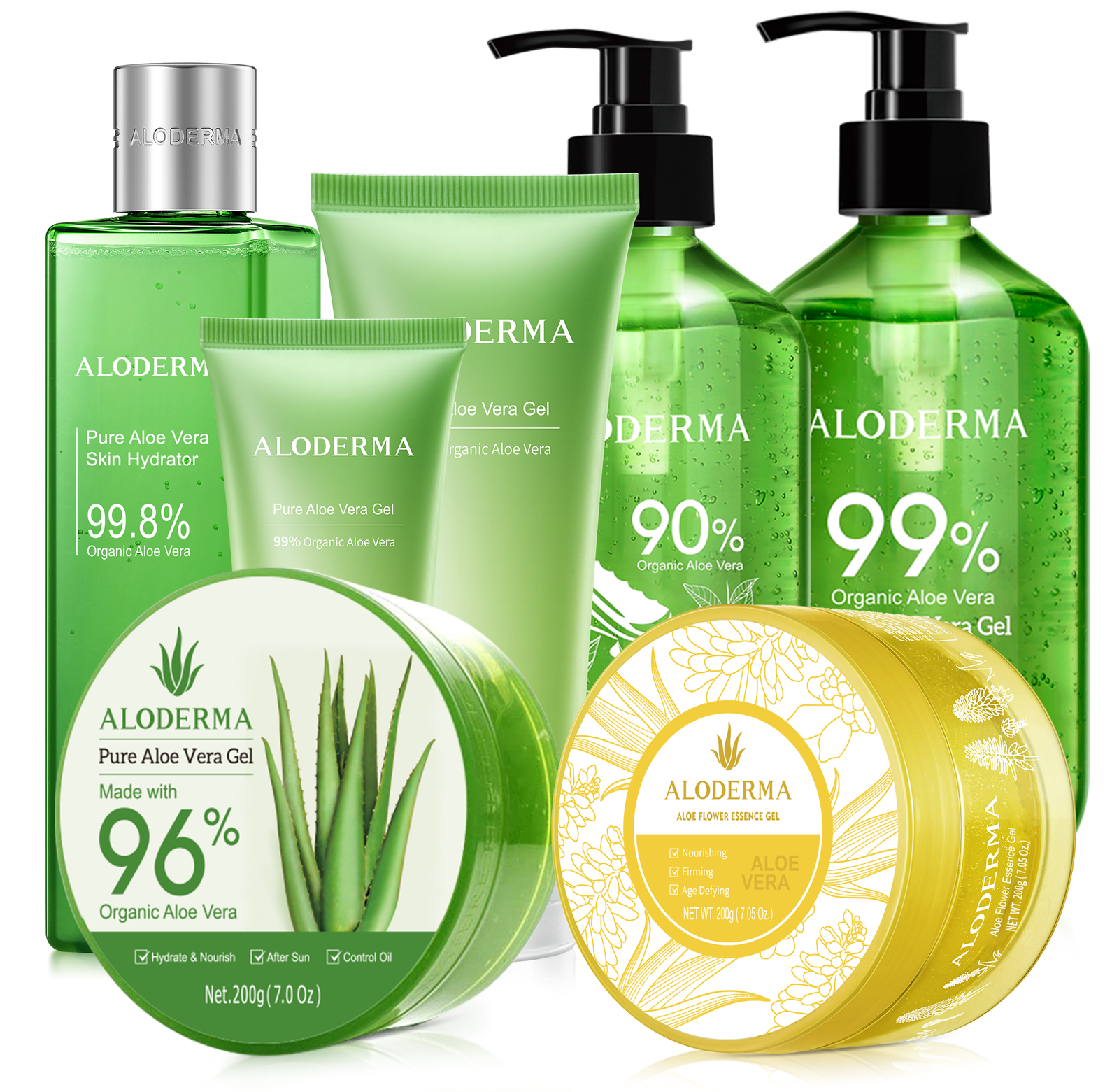
Some lightweight ingredients can also be useful when skin feels slick but strained. A calm, watery formula with aloe can give a lighter feel than a dense cream, which is why readers often compare it with options discussed in guides like ALODERMA's aloe vera for oily skin overview.
Why Oily Skin Can Still Be Dehydrated
Oily skin and hydrated skin are not the same thing. Sebum is oil that comes from pores, while hydration is water held in the upper layers of the skin. Those two can move in different directions, which is why someone can shine by lunch and still feel tight after cleansing.

The sponge idea makes this easier to picture
Think of a kitchen sponge with a greasy feel on the surface. If it dries out, it can still feel rough and stiff even though it doesn't look clean or dry in the way people expect. Oily skin can behave the same way, it may appear slick, yet still need water-binding ingredients to feel comfortable. The goal is not to add more oil, it's to help the skin hold onto water.
Dermatology references describe moisturizers as products that increase hydration and restore the protective barrier, which is why lightweight, oil-free, non-comedogenic formulas are recommended for oily skin. The National Center for Biotechnology Information also notes that humectants like hyaluronic acid and glycerin are useful in gel-based products because they help draw and hold water without a heavy feel. NCBI moisturizer overview
If you want a broader skin-care explanation of dehydration patterns, the expert guide to Japanese skincare gives a helpful context for how hydration and barrier support work together. And for readers who like brand-specific examples, Aloderma's aloe vera guidance for oily skin fits neatly into this same idea, because lightweight hydration can feel comfortable even on skin that shines.
Oily skin can be both greasy and under-hydrated at the same time.
That one sentence clears up a lot of confusion. Once you see oil and water as separate, moisturizer stops looking like a risk and starts looking like a tool.
Telltale Signs Your Oily Skin Needs Moisture
The easiest clue is timing. If your face feels tight right after cleansing, that usually means the wash step removed more comfort than your skin liked. If it gets shiny later in the day, that doesn't cancel the tightness, it just means oil and hydration are telling different stories.
What the mirror is often showing you
A shiny T-zone with rough cheeks is one of the most common mixed-skin patterns. Foundation that flakes, separates, or grabs onto dry patches by mid-afternoon is another clue, especially if your morning routine already includes cleanser and acne products. In plain terms, the skin is asking for water support in some areas and a lighter touch everywhere else.
Here are a few real-world signs that point toward needing moisture rather than more cleansing:
- Tightness after washing: Your cleanser may be too stripping for daily use.
- Makeup that looks patchy by afternoon: The surface is likely missing enough water to stay smooth.
- Stinging when you layer products: Your skin barrier may be stressed by harsh steps or too many active formulas.
- Shiny forehead, dry cheeks: You may have combination skin, not “too much oil” everywhere.
For readers who want a practical cue, a lightweight moisturizer applied to slightly damp skin often feels more comfortable than waiting until the face is fully dry. That small detail matters because it helps hold in surface water after cleansing. For a dermatology example of this routine cue, see this moisture-focused guide
A quick self-check
If your skin feels greasy but also uncomfortable, answer these two questions. Does your face feel tight soon after washing? Does your skin look shiny in the afternoon but still behave like it wants comfort? If both are true, you're probably looking at oily, dehydrated skin rather than skin that should be left bare.
That distinction matters because it changes what you buy. Instead of hunting for something stronger, you start looking for something lighter, calmer, and better at helping the skin keep water where it belongs.
Choosing the Right Moisturizer Texture and Ingredients
For oily skin, texture matters as much as the ingredient list. Gel moisturizers and oil-in-water emulsions usually feel lighter because they add hydration without leaving a thick, coating finish, while richer creams can feel too occlusive for people who already shine easily. Typology's moisturizer guidance for oily skin Review literature on moisturizers also points to formulas that help reduce transepidermal water loss without adding a greasy feel. PMC review on moisturizers
What to look for on the label
Start with words like oil-free, non-comedogenic, and lightweight. Those labels do not promise a perfect match, but they do steer you toward formulas less likely to sit heavily on the skin or clog pores. The NCBI moisturizer overview describes moisturizers as topical products that help restore the protective barrier, and it points to gel-based options with hyaluronic acid or glycerin as a good fit for oily skin.
A few ingredient categories are worth knowing because they tell you what the formula is doing, not just how it sounds on the shelf:
- Humectants: Glycerin and hyaluronic acid draw in water and help the skin feel plumper without feeling oily.
- Barrier-supporting ingredients: Ceramides help the skin hold onto moisture and tolerate daily cleansing better.
- Comfort ingredients: Panthenol can make a formula feel softer and easier to wear.
- Lightweight emollients: Ingredients like dimethicone can reduce water loss without the heavy finish of richer creams. PMC review on moisturizers
Smart shopping move: If a product feels heavy, looks shiny, or relies on lots of fragrance and essential oils, it may seem pleasant at first and still be a poor fit for oily, easily congested skin.
That is why many people do better with simple gel hydrators than with dense creams. If you want a brand example that fits that profile, Aloderma's lightweight moisturizer for oily skin is built around fresh aloe vera processed onsite within 12 hours of harvest, and aloe is the primary bioactive ingredient across the line.
How Often and When to Moisturize Oily Skin
The easiest routine is usually the one that feels almost plain. Cleanse gently, leave the skin slightly damp, then apply a lightweight moisturizer before that surface water disappears. For oily skin, that kind of steady rhythm often works better than skipping moisturizer and hoping the skin will calm down on its own.
A routine that fits a real morning
Maya gets up, washes her face with a gentle foaming cleanser, pats her skin until it is still a little damp, and smooths on a gel moisturizer. Her face feels comfortable, and her sunscreen sits better on top because the moisturizer does not add a heavy layer. That is the kind of routine that works at a desk, on a commute, or before makeup.
Timing matters. Moisturizer helps limit insensible water loss, supports the skin barrier, and reduces the tight, papery feeling that can happen after cleansing. As Typology explains, oily skin can still benefit from hydration even when it does not want anything thick. If the skin is only producing more oil, that does not mean it is holding water well.
A night routine should stay just as simple. If you use acne treatments, keep the moisturizer layer light so it supports your skin instead of competing with it. For readers who want a gentle ingredient reference, understanding this gentle fruit acid can help explain why some formulas feel a little more active than others. A formula like that can sit in the same routine as a light hydrator without needing to feel heavy.
The small habits that matter most
- Don't over-cleanse: More washing can leave skin stripped, which often leads to more discomfort.
- Do moisturize after cleansing: Slightly damp skin helps trap surface water.
- Keep the texture light: Gel and lotion formats usually feel better than rich creams.
- Layer with sunscreen at sunrise, not as a replacement: Moisturizer and sunscreen do different jobs.
A simple filter helps here. If your face feels shiny by midday but tight right after cleansing, you may be dealing with both oiliness and dehydration, so a light moisturizer is more useful than a richer cream or no moisturizer at all. If your skin feels comfortable and balanced after washing, you still may want a thin layer in the morning or at night, but the formula can stay minimal. L'Oréal Paris on oily skin myths points readers in the same direction, oily skin usually does better with hydration than with deprivation.
The routine does not need to be elaborate. It just needs to be consistent enough that your skin stops acting like every wash is a small stress event. If you keep the cleanser gentle, the moisturizer light, and the timing steady, oily skin usually settles into a more predictable pattern.
Smart Shopping and Label Reading for Oily Skin
The fastest way to choose well is to stop reading every moisturizer as if it were the same. Start with the label, then check the texture, then check the ingredient list. XO's best oily skin cleanser guide is a useful companion if you also want to make sure your cleanser isn't sabotaging the rest of your routine.
The words that matter most
Oil-free usually means the formula isn't built around heavier oils. Non-comedogenic means it's designed to reduce the chance of clogging pores. Fragrance-free can be a better choice if your skin tends to react to strongly scented products, and that matters even more when the rest of the routine already includes acne care.
Ingredient order also tells you a lot. Ingredients listed near the top are usually present in larger amounts than items near the end, so aloe, glycerin, or hyaluronic acid at the top of the list is more meaningful than a tiny sprinkle at the bottom. That's one reason it helps to use transparent brand pages instead of relying on marketing copy alone.
What to skip when your skin is easily bothered
A heavy cream can feel comforting for a moment and then sit too long on an oily face. Products packed with essential oils can also be a poor fit if your skin wants calm, simple hydration rather than a strong scent profile. Dermatology-facing guidance consistently points oily skin toward lightweight, non-comedogenic formulas instead of rich, occlusive ones. Harvard Health on moisturizers
If you want a concrete place to compare formulas, look through the ingredient pages on Aloderma's ingredient guide for oily skin. The brand also offers detailed product pages on aloderma.com where you can review ingredient lists and choose a lighter hydrator that matches your routine.
Read the label for comfort first, not hype first.
That approach saves time and usually saves skin frustration too. The right bottle should make your face feel balanced, not make you wonder whether you've made it shinier.
Bringing It All Together for Happier Oily Skin
Oily skin doesn't need punishment, it needs comfort with the right texture. If your face is shiny but also tight, rough, or easily irritated, the answer usually isn't more washing, it's better hydration in a lighter format. That's why a gel moisturizer, a damp-skin application, or a simpler routine can make such a visible difference.

One change to try this week
Pick one move and stick with it for seven days. Switch to a lightweight, non-comedogenic gel moisturizer, apply it to slightly damp skin, or cut one harsh cleansing step if your face feels stripped after washing. Small changes are easier to trust than dramatic overhauls.
Aloderma's approach fits this topic well because it's built around fresh, organic aloe vera grown on its own plantations, processed onsite within 12 hours of harvest, with aloe as the primary ingredient in every product. The line also uses at least 95 percent naturally derived ingredients, and the transparent ingredient dictionary on aloderma.com makes it easier to compare formulas without guessing.
If you're ready to stop treating oily skin like a problem to punish, take a look at ALODERMA and compare the lightweight aloe options against your current routine. A simpler moisturizer choice can make your skin feel calmer, more comfortable, and much easier to live with every day.